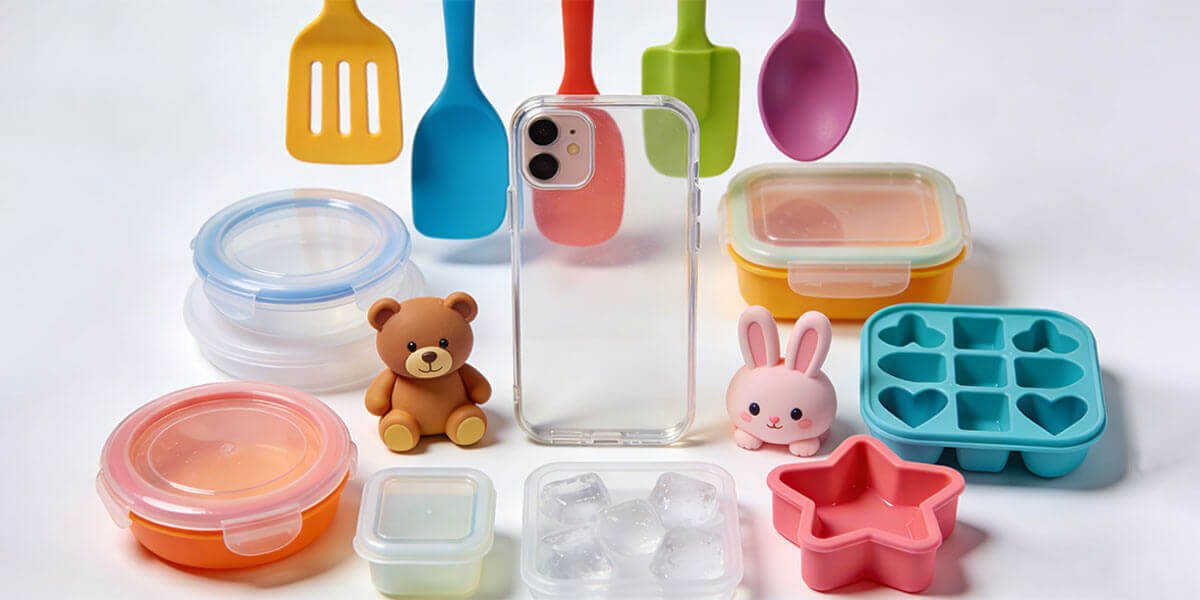
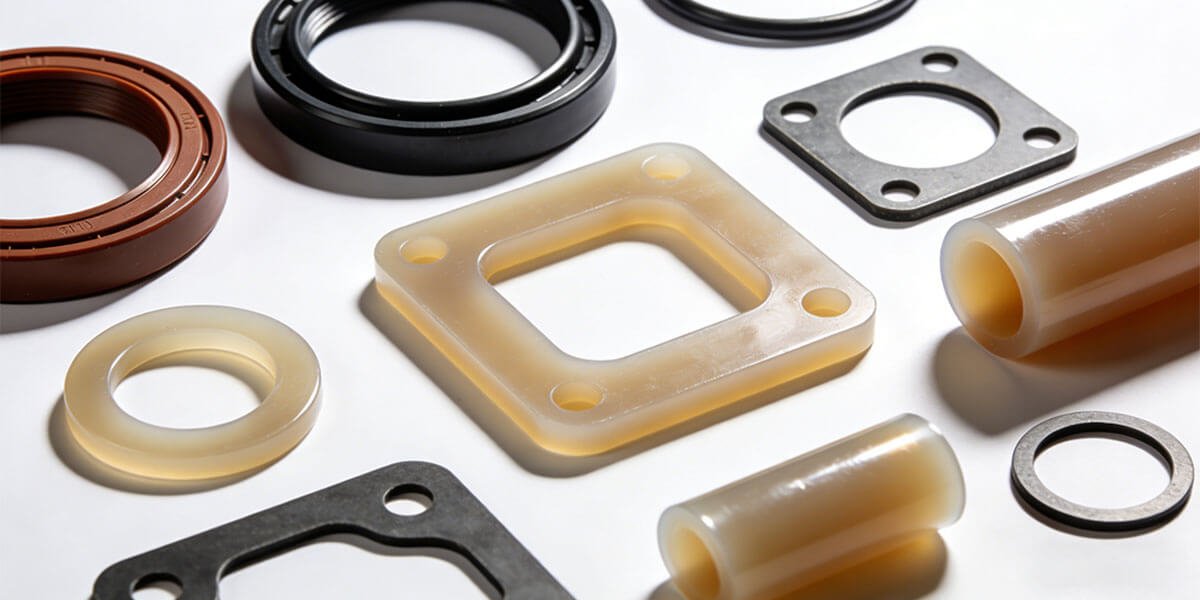
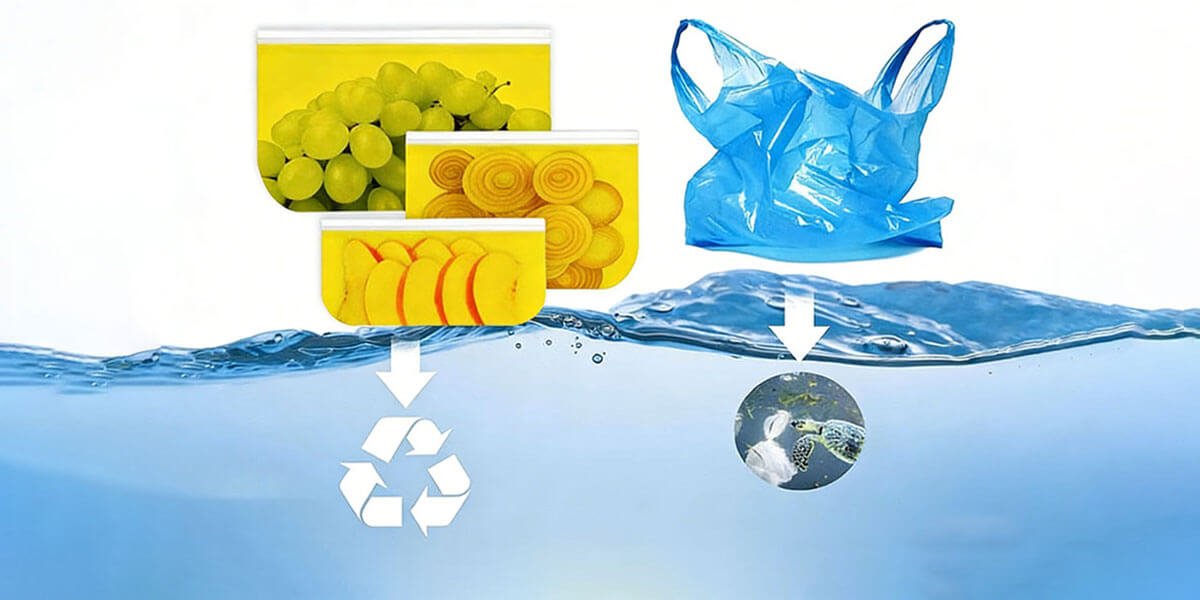
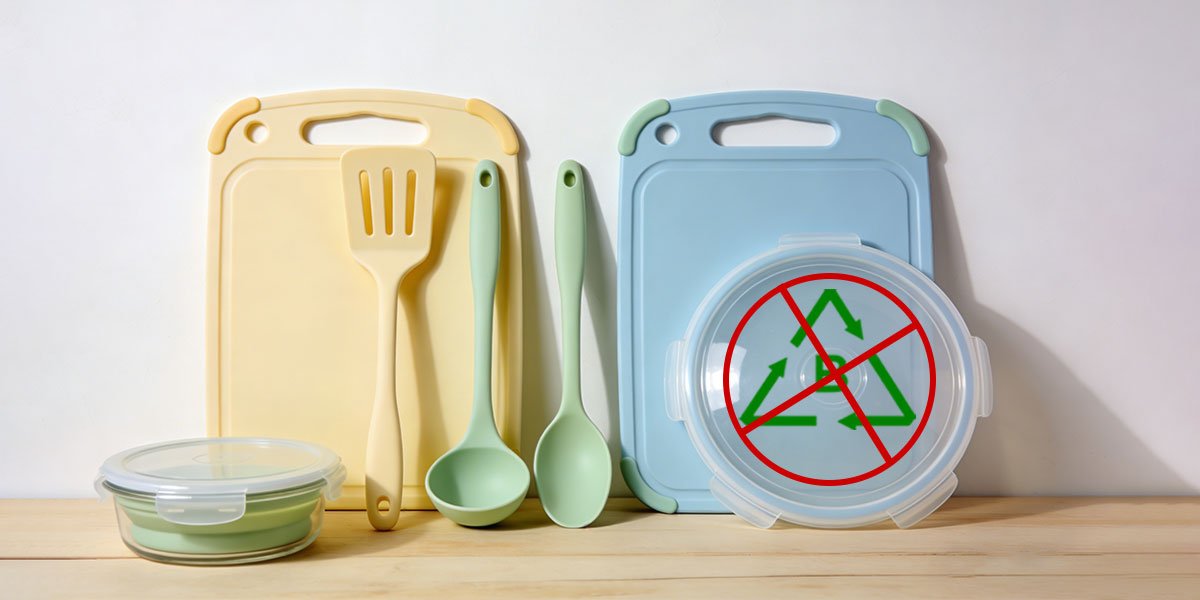
In an era where health and sustainability are non-negotiable, consumers are increasingly scrutinizing the materials that come into contact with their food, bodies, and homes. Two of the most common materials in everyday products—silicone and plastic—often find themselves at the center of this debate. But when it comes to safety, does one truly outshine the other?
Is Silicone Non Toxic? Is silicone safer than plastic? The answer isn’t a simple yes or no, as both material categories vary widely in quality. However, high-quality, food-grade silicone offers significant safety and performance advantages over most plastics. Let’s break down the science, the risks, and the benefits.
Understanding the Basics: What Are Silicone and Plastic?
To evaluate safety, we first need to understand what these materials are made of and how they behave under different conditions.
What is Silicone?
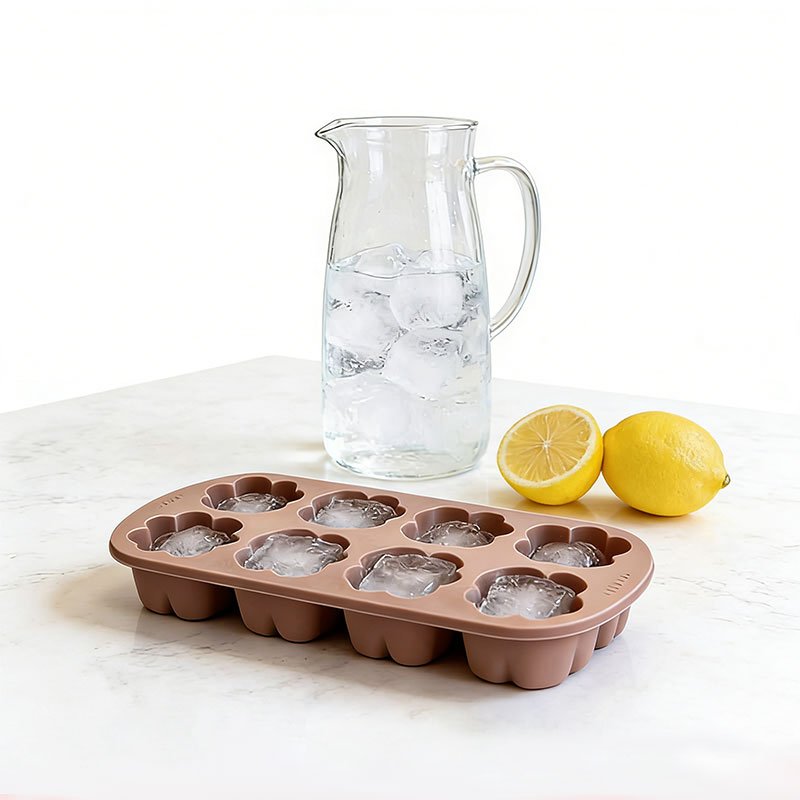
Silicone, often mistaken for plastic, is actually a hybrid. It is a synthetic polymer made primarily of silicon and oxygen, with carbon and hydrogen. This backbone of siloxane (silicon-oxygen bonds) makes it more of an elastomer, resembling rubber. Crucially, high-quality silicone is inherently free from BPA, BPS, and phthalates.
Despite being synthetic, it’s derived from silica, a naturally occurring mineral found in sand and quartz. This unique composition gives silicone a set of properties that set it apart from plastic:
- Thermal Stability: Silicone can withstand extreme temperatures from -60°C to 230°C (-76°F to 446°F) without melting, warping, or releasing harmful chemicals.
- Inertness: It’s non-reactive, meaning it doesn’t leach chemicals into food or beverages, even when exposed to heat or acidic ingredients.
- Flexibility and Durability: Silicone retains its shape and elasticity over time, resisting cracks, tears, and degradation.
- Biocompatibility: Medical-grade silicone is widely used in implants and surgical tools because it’s non-toxic and hypoallergenic.
What is Plastic?
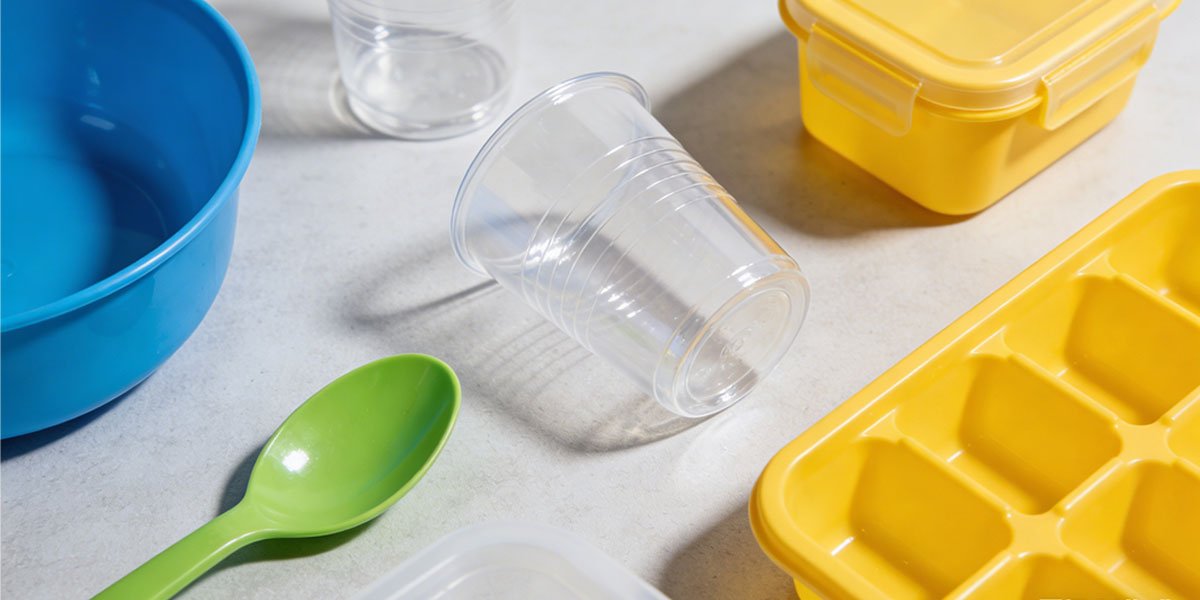
Plastic is a broad term for synthetic polymers made from petroleum. Many plastics contain additives like plasticizers (phthalates), stabilizers, and colorants to achieve desired properties. Some of these additives, such as Bisphenol A (BPA), and endocrine-disrupting chemicals (EDCs) that can leach out of the product and into our food or the environment.
While plastics offer unmatched versatility and affordability, their safety profile is more complex:
- Chemical Composition: Many plastics contain additives like BPA, phthalates, and PVC, which have been linked to hormonal disruptions, reproductive issues, and even cancer.
- Thermal Sensitivity: Most plastics start to decompose and release harmful chemicals when exposed to temperatures above 60°C (140°F), making them unsuitable for hot food or microwave use.
- Degradation Over Time: Plastics can break down into microplastics, which have been found in food, water, and even human bloodstreams, raising concerns about long-term health effects.
- Recycling Challenges: Only a small percentage of plastic is actually recycled, contributing to environmental pollution and wildlife harm.
Safety Comparison
When comparing safety, we look at chemical stability, heat resistance, and durability. Here is why silicone often comes out on top.
1. Chemical Inertness: No Unwanted Extras in Your Food
One of the biggest concerns with plastic is its potential to leach chemicals.
- The Plastic Problem: Plastics can break down and leach additives, especially when exposed to heat or acidic foods. Studies have linked common plastic additives like BPA and phthalates to potential health risks, including hormonal disruptions. A 2024 study even suggested that exposure to these chemicals may be associated with hundreds of thousands of cases of heart disease.
- The Silicone Advantage: Food-grade silicone is prized for its chemical inertness. It does not react with food or beverages and does not rely on chemical plasticizers for flexibility. This stability means that high-quality silicone is non-toxic and hypoallergenic, making it safe for prolonged contact with food.
2. Heat Stability: The Kitchen Showdown
This is where silicone’s silicon-oxygen backbone truly shines.
- The Plastic Problem: Ordinary plastics (like PP or PE) have limited heat resistance. Leaving a plastic container in the car on a hot day or putting it in the microwave can cause it to warp or degrade, potentially releasing chemicals.
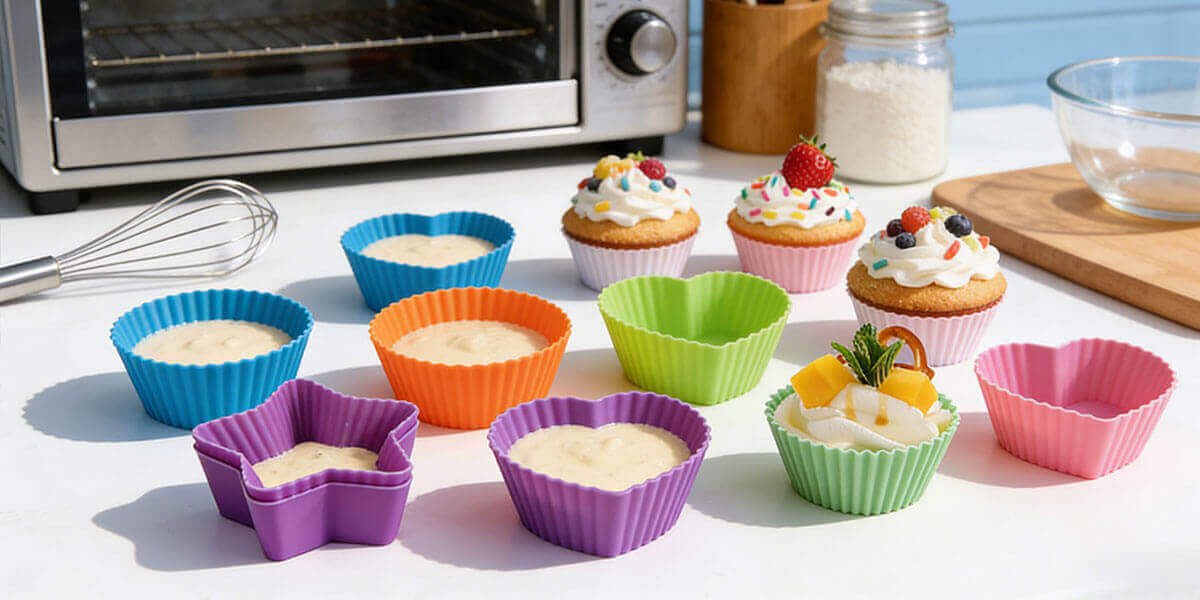
- The Silicone Advantage: Silicone is exceptionally heat-stable. It can typically withstand temperatures from -60°C to +230°C (-80°F to +450°F) without melting or degrading. This makes it ideal for bakeware, kitchen utensils, and products that require repeated sterilization. It does not release harmful substances when exposed to high heat.
3. Microplastics and Durability
The global concern over microplastics has put plastic materials under a new lens.
- The Plastic Problem: As plastic items age, they can become brittle and crack. This wear and tear can release microplastic particles into our food and environment . Researchers recommend replacing scratched plastic cutting boards immediately to avoid ingestion of these particles.
- The Silicone Advantage: Silicone is incredibly durable and has excellent anti-aging properties. It resists cracking, drying out, and breaking down over time . Because it is more durable, it is less likely to shed particles, and its long lifespan makes it a more sustainable choice.
4. Biocompatibility: The Medical and Baby Standard
If a material is safe enough for medical implants, it is safe enough for your kitchen.
- The Standard: Medical-grade silicone is widely used for implants, catheters, and baby bottle nipples due to its high biocompatibility. Reputable health sources note that silicone nipples last longer and hold their shape better than latex or other alternatives, and they are free from the BPA concerns that have led to FDA bans of certain plastics in baby bottles.
Safety Comparison in Food Contact Applications
Silicone: The Gold Standard for Food Safety
Silicone is widely regarded as the safer choice for food contact applications, and for good reason:
- FDA and LFGB Approved: High-quality food-grade silicone meets strict standards set by the FDA (U.S.) and LFGB (EU), ensuring it’s free from harmful chemicals.
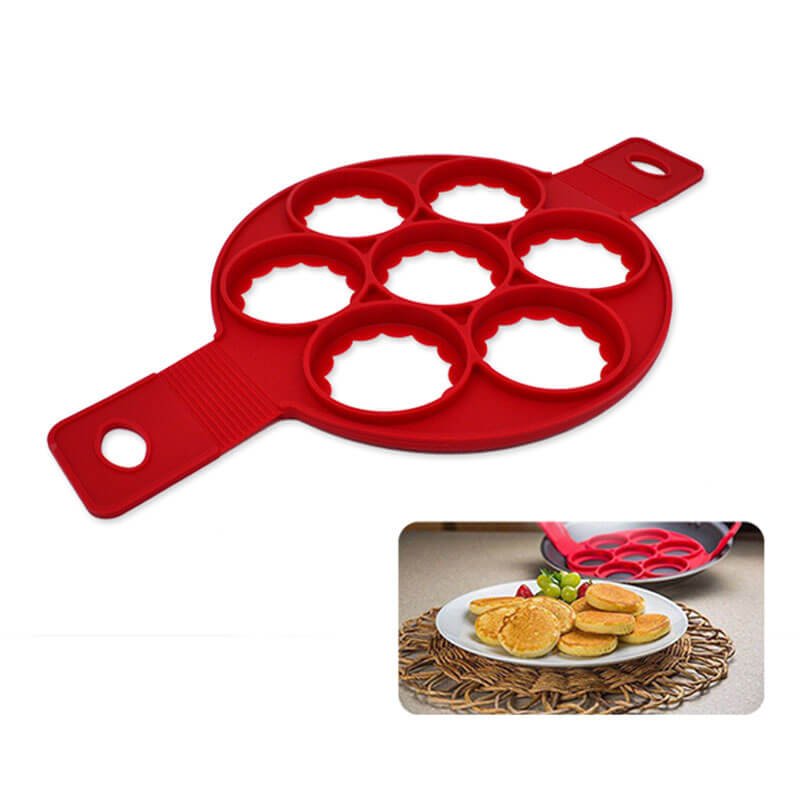
- Heat Resistance: Unlike plastic, silicone can be used in ovens, microwaves, and dishwashers without releasing toxins or altering the taste of food.
- Non-Porous Surface: Silicone’s non-porous nature prevents bacteria, mold, and odors from absorbing into the material, making it easy to clean and hygienic.
- Longevity: Silicone food products can last for years without deteriorating, reducing the need for frequent replacements and minimizing waste.
Plastic: A Risky Choice for Hot Food and Long-Term Use
While some plastics are labeled as “food-safe,” their safety can be compromised in certain situations:
- Chemical Leaching: When plastic is heated or comes into contact with acidic foods like tomatoes or citrus, it can leach BPA, phthalates, and other endocrine-disrupting chemicals into your food.
- Microplastic Shedding: Even “safe” plastics can shed microplastics over time, especially when scratched or exposed to heat. These tiny particles can accumulate in the body and potentially cause harm.
- Limited Lifespan: Plastic food products are prone to cracking, discoloring, and absorbing odors, which not only affects their appearance but also their safety.
Safety for Babies and Young Children
Parents are particularly cautious about the materials used in baby products, and for good reason. Let’s see how silicone and plastic stack up in this sensitive category.
Silicone: The Safe Choice for Little Ones
Silicone is increasingly becoming the material of choice for baby products, thanks to its unmatched safety and durability:
- Non-Toxic and Hypoallergenic: Silicone is free from BPA, phthalates, PVC, and other harmful chemicals, making it gentle on baby’s delicate skin.
- Soft and Flexible: Silicone teething toys and pacifiers are soft enough for babies to chew on without damaging their gums or teeth.
- Easy to Clean: Silicone baby products are dishwasher-safe and can be sterilized using boiling water, steam, or UV sanitizers, ensuring they stay free from bacteria and germs.
- Durable: Silicone can withstand the rough handling of teething babies and repeated sterilization without breaking down or losing its shape.
Plastic: A Risky Option for Baby Products
While plastic is still widely used in baby products, it comes with several safety concerns:
- Chemical Exposure: Many plastic baby products contain BPA and phthalates, which have been linked to developmental issues, hormonal disruptions, and even cancer in children.
- Choking Hazards: Plastic toys can break into small pieces, posing a choking hazard for young children.
- Degradation: Plastic baby bottles and sippy cups can develop scratches over time, which can harbor bacteria and make them difficult to clean.

Environmental Sustainability: A Key Component of Safety
Safety isn’t just about human health—it’s also about the health of our planet. Let’s compare the environmental impact of silicone and plastic.
Silicone: A More Sustainable Alternative
While silicone is not biodegradable, it offers several environmental advantages over plastic:
- Long Lifespan: Silicone products can last for decades, reducing the need for frequent replacements and minimizing waste.
- Recyclability: While not as widely recycled as some plastics, silicone can be recycled and repurposed into new products, especially when handled by specialized facilities.
- Lower Carbon Footprint: The production of silicone generally has a lower carbon footprint than the production of many types of plastic, especially when considering its longer lifespan.
- Non-Toxic Disposal: When silicone does eventually reach the end of its life, it doesn’t release harmful chemicals into the environment like plastic does.
Plastic: A Major Environmental Threat
Plastic is one of the most pressing environmental issues of our time, with devastating consequences for wildlife, ecosystems, and human health:
- Non-Biodegradable: Plastic can take hundreds of years to decompose, accumulating in landfills, oceans, and even the air we breathe.
- Microplastic Pollution: As plastic breaks down, it forms microplastics that have been found in every corner of the planet, from the deepest oceans to the highest mountains.
- Resource Intensive: The production of plastic relies heavily on fossil fuels, contributing to climate change and resource depletion.
- Wildlife Harm: Millions of animals die each year from plastic ingestion or entanglement, and plastic pollution is threatening the survival of countless species.
Caveats: Not All Silicone is Created Equal
While silicone has clear advantages, the keyword is “high-quality” or “food-grade.” Just as with plastic, there are low-quality silicones on the market.
- Fillers: Cheap silicone products may be mixed with chemical fillers to reduce costs, compromising their inertness.
- Platinum-Cured vs. Peroxide-Cured: For the highest safety, look for platinum-cured silicone. This curing process results in a purer, more stable product with no by-products, making it the standard for FDA food-grade silicone.
- Government Guidance: Regulatory bodies advise consumers to buy from reputable sources and choose colorless, transparent, or light-colored silicone products to avoid contamination from industrial-grade pigments.
Making an Informed Choice Between Silicone & Plastic
To help you make an informed decision, here’s a quick comparison of the key safety factors:
| Safety Factor | Silicone | Plastic |
|---|---|---|
| Chemical Leaching | No, even under extreme temperatures | Yes, especially when heated or exposed to acids |
| Toxic Additives | Free from BPA, phthalates, and PVC | May contain BPA, phthalates, and other harmful additives |
| Heat Resistance | -60°C to 230°C (-76°F to 446°F) | Typically up to 60°C (140°F) before degrading |
| Biocompatibility | Hypoallergenic and non-irritating | May cause allergic reactions in sensitive individuals |
| Hygiene | Non-porous, easy to clean, and bacteria-resistant | Porous surface can harbor bacteria and odors |
| Durability | Long-lasting, resistant to cracks and tears | Prone to cracking, discoloration, and degradation over time |
| Environmental Impact | Lower carbon footprint, recyclable, non-toxic disposal | Major contributor to pollution, non-biodegradable, releases harmful chemicals when disposed |
Conclusion: Silicone is the Clear Winner for Safety
So, is silicone safer than plastic? Generally, yes—provided you choose high-quality, food-grade silicone.
From its inert chemical composition and exceptional heat resistance to its biocompatibility and long lifespan, silicone offers a level of safety and performance that plastic simply can’t match.
For applications involving heat, contact with food, or use by children and babies, silicone offers superior safety. While plastic remains ubiquitous and can be safe for short-term, low-heat uses, its long-term risks regarding chemical leaching and microplastic shedding are growing concerns.
At Siliconexy, we specialize in custom silicone products for brands that prioritize safety and quality. From custom kitchenware to specialized industrial parts, we utilize platinum-cured, food-grade silicone to ensure your products are not only functional but genuinely safe.
Looking for a trusted manufacturing partner? Contact us today to discuss your next custom silicone project.