Silicon vs. Silicone: What’s the Difference? In the world of materials science and modern manufacturing, the terms silicon and silicone are often confused. Despite their similar names, these substances are fundamentally different, both in structure and in their applications. Understanding the distinctions is essential for engineers, manufacturers, and consumers exploring custom silicone products or industrial silicone applications.
What is Silicon?
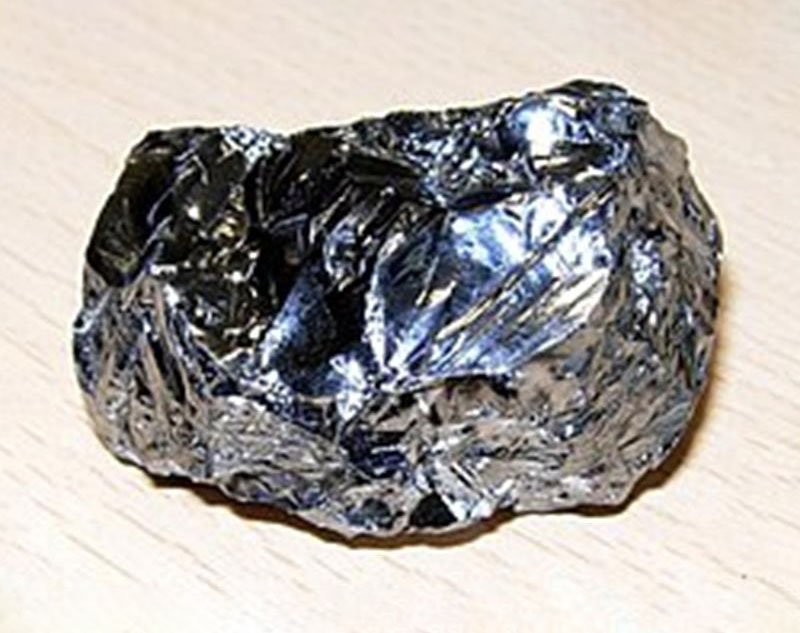
Silicon is a chemical element with the symbol Si and atomic number 14. It is a hard and brittle crystalline solid with a blue-grey metallic luster, and it is a semimetal (metalloid). Silicon is the second most abundant element in the Earth’s crust, commonly found in sand, quartz, and various silicate minerals.
According to Wikipedia, silicon has the following properties:
- Semiconducting behavior: Silicon’s electrical conductivity can be modified by doping, which is why it is the foundation of modern electronics, including microchips and solar cells.
- High melting point: Silicon melts at approximately 1,414°C, making it stable under high-temperature conditions.
- Formation of compounds: Silicon reacts with oxygen to form silicon dioxide (SiO₂), an essential component in glass, ceramics, and concrete.
Applications of Silicon
- Electronics: As a semiconductor, silicon is used in integrated circuits, transistors, and photovoltaic cells.
- Alloys and construction materials: Silicon strengthens aluminum alloys and is a key component in building materials.
- Glass and ceramics: Silicon dioxide is used in making glass, ceramics, and refractories.
The scientific nature of silicon, its semiconducting properties, and its abundance in the Earth’s crust make it a critical material in modern technology.
What is Silicone?
Silicone is a group of synthetic polymers composed of repeating units of siloxane (Si–O–Si), with attached organic groups such as methyl or phenyl groups. Unlike silicon, which is a pure element, silicone is a man-made material that combines silicon, oxygen, carbon, and hydrogen atoms.
From Wikipedia, silicone exhibits the following characteristics:
- Thermal stability: Silicone remains stable over a wide temperature range, typically from -60°C to 250°C.
- Flexibility and elasticity: Silicones can exist as oils, gels, resins, or elastomers, which makes them versatile for many applications.
- Chemical resistance: Silicone is resistant to water, UV light, and many chemicals, making it durable in harsh conditions.
Applications of Silicone
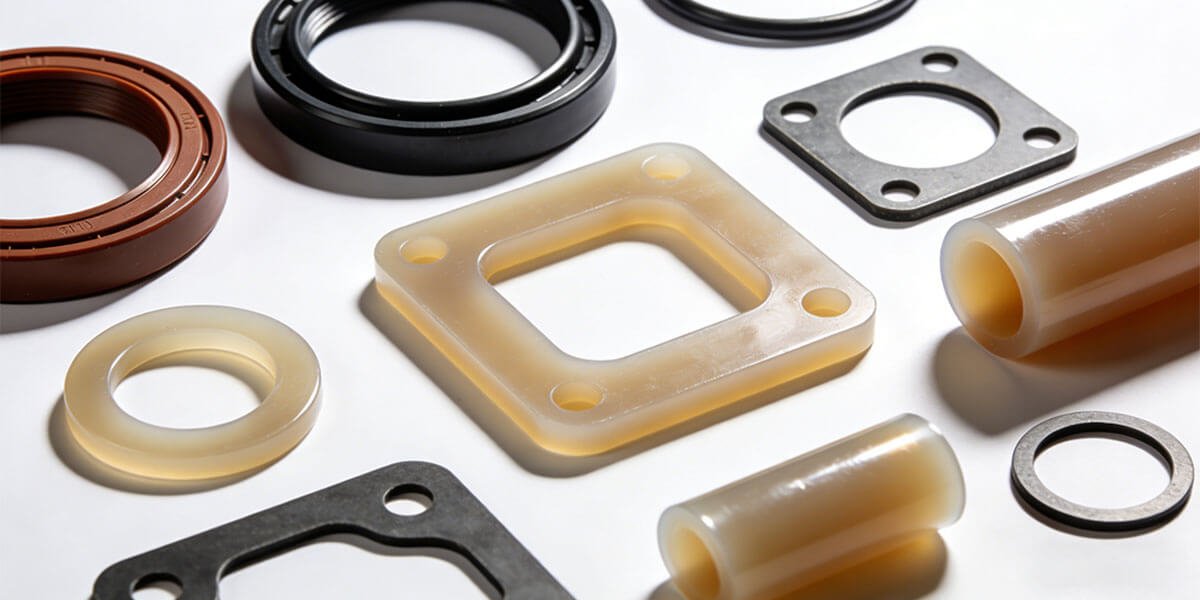
- Industrial uses: Seals, gaskets, hoses, and insulation in machinery and electronics.
- Medical and food-grade products: Silicone is non-toxic and safe for implants, medical devices, and bakeware.
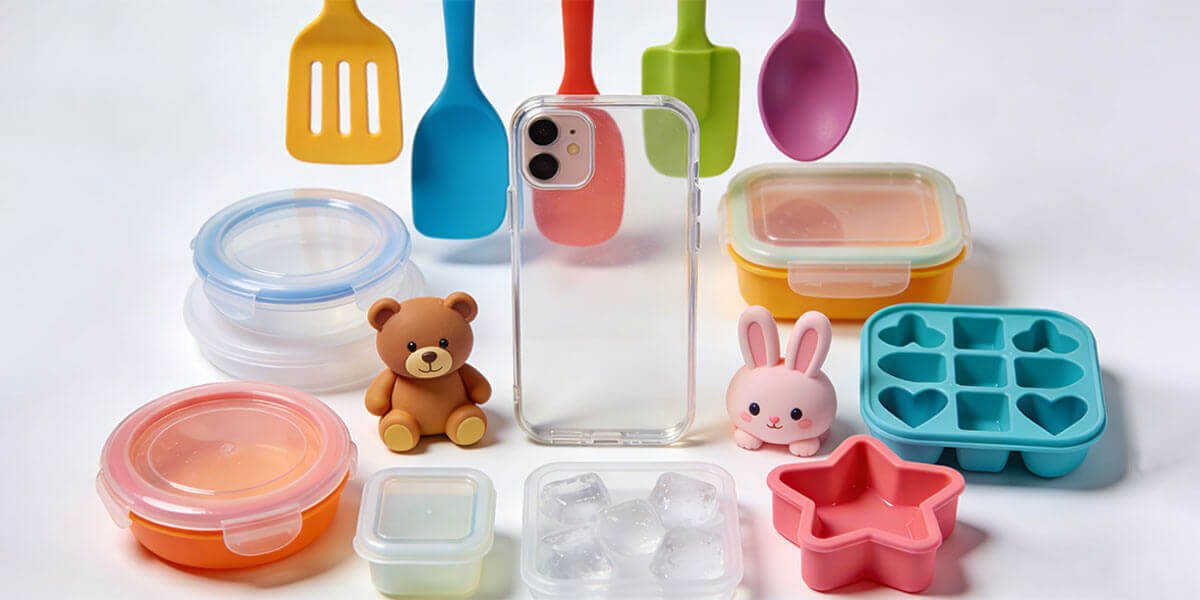
- Consumer goods and custom silicone products: Molds, flexible electronics components, wearable products, and heat-resistant kitchenware.
Silicone’s versatility and safety make it a key material for both industrial and consumer applications, especially in heat-resistant silicone solutions.
The Unique Properties of Silicone: Why It Stands Out Among Materials?
What makes silicone truly unique begins at the molecular level. The basic structural unit of silicone consists of silicon-oxygen (Si-O) chains as the backbone, with various organic groups attached as side chains. This gives silicone a hybrid identity: it contains both “organic groups” and “inorganic structures” working in harmony.
This special composition means silicone combines the best of both worlds—the flexibility and versatility of organic materials with the stability and durability of inorganic substances. Compared to other polymers, this hybrid structure is what unlocks silicone’s extraordinary performance characteristics.
1. Unmatched Heat Resistance
Silicone’s heat resistance is perhaps its most celebrated feature.
The silicon-oxygen (Si-O) bonds that form silicone’s main chain are exceptionally strong. To put it in perspective:
- Carbon-Carbon (C-C) bonds (found in ordinary plastics) have a bond energy of 82.6 kcal/g molecule.
- Silicon-Oxygen (Si-O) bonds in silicone have a bond energy of 121 kcal/g molecule —nearly 50% stronger.
This superior bond strength means silicone’s molecular structure remains stable even under extreme heat. The chemical bonds simply do not break or decompose when exposed to high temperatures or radiation.
Silicone products can withstand temperatures from -40°F to 446°F (-40°C to 230°C) and beyond, with minimal changes to their chemical or physical properties. This is why your silicone spatula won’t melt in the hot pan, and why silicone bakeware delivers consistent results from freezer to oven.
2. Exceptional Weather Resistance
Unlike many materials that degrade under sunlight or ozone exposure, silicone thrives outdoors.
The main chain of silicone contains no double bonds, which means it resists attack from:
- Ultraviolet (UV) radiation from sunlight
- Ozone in the atmosphere
- Oxidation over time
This makes silicone significantly more durable than other polymers when exposed to the elements. In fact, silicone products used in natural environments can maintain their integrity for several decades without cracking, fading, or becoming brittle. For outdoor applications this weather resistance is invaluable.
3. Superior Electrical Insulation
In the electronics industry, silicone is nothing short of essential. Its electrical insulation properties rank among the best of any insulating material available.
Silicone excels in:
- Dielectric strength (withstanding high voltages)
- Arc resistance (withstanding electrical discharges)
- Corona resistance (withstanding surface discharges)
- Volume and surface resistivity (preventing current leakage)
What sets silicone apart is stability. Its electrical properties remain remarkably consistent regardless of temperature changes or frequency variations. This reliability makes it the go-to material for protecting sensitive electronics in demanding environments.
Additionally, silicone’s excellent water repellency ensures that electrical equipment maintains high reliability even in humid or wet conditions—a critical advantage for outdoor electronics, automotive components, and marine applications.
4. Biological Compatibility
Here’s a fact that surprises many: silicon is an essential nutrient for human health.
Silicon plays vital roles in the body:
- It’s a key structural element in every human cell.
- It supports cell construction and tissue integrity.
- It helps the body absorb other important minerals like magnesium, phosphorus, and calcium.
Scientists have identified three main forms of silicon in the human body:
- 10% as soluble silicon
- 30% in various cell matrices
- 60% used to synthesize proteins
While we primarily obtain silicon through food, this biological compatibility explains why high-purity silicone is so well-tolerated by the human body. It’s why medical-grade silicone can be safely used for implants, catheters, and baby products like pacifiers and teethers.
5. Low Surface Tension
Silicone’s molecular structure gives it another remarkable property: extremely low surface tension and surface energy.
The main chain is highly flexible, and the forces between molecules are much weaker than in hydrocarbon-based materials. This results in:
- Lower viscosity than comparable materials
- Weaker surface tension
- Smaller surface energy
- Superior film-forming ability
These properties might sound technical, but they translate directly into everyday benefits:
- Hydrophobicity (water beads up and rolls off)
- Anti-stick performance (food releases easily from bakeware)
- Defoaming properties (useful in industrial processes)
- Lubrication (smooth, non-drag surfaces)
- Glazing and release (perfect for molds and containers)
Safety First: Food Grade Silicone Standards
With all these impressive properties, the most important question remains: is it safe?
The answer is a definitive yes—when you choose quality materials.
Food Grade Silicone meets stringent international requirements:
- FDA compliance for food contact in the United States.
- EU regulations for food safety in Europe.
- LFGB certification for the strictest German standards.
Silicon vs Silicone: Key Differences
Although silicone contains silicon atoms, its properties are entirely different due to the polymeric structure. Confusing the two could lead to inappropriate material selection, whether in industrial design or consumer products.
| Feature | Silicon | Silicone |
| Type | Chemical element (Si) | Synthetic polymer (Si–O–Si backbone) |
| Structure | Crystalline solid | Flexible polymer, can be oil, gel, rubber, or resin |
| Flexibility | Brittle | Elastic and flexible |
| Heat Resistance | High melting point | Stable across a wide temperature range |
| Electrical Properties | Semiconductor | Insulator (mostly) |
| Common Uses | Electronics, alloys, glass | Seals, gaskets, medical devices, bakeware, custom silicone products |
Why the Confusion Exists
The similar names and the fact that silicone contains silicon atoms contribute to confusion. However, silicon is a natural element, while silicone is a synthetic polymer with entirely different properties. Choosing the wrong material for a project could compromise performance or safety, especially in industrial silicone applications.
Conclusion
Understanding the difference between silicon and silicone is crucial for engineers, manufacturers, and consumers. Silicon powers electronics and strengthens alloys, while silicone offers flexibility, heat resistance, and chemical stability for a wide range of applications.
For businesses seeking high-quality custom silicone solutions, choosing the right silicone material ensures durability, safety, and performance. Explore our heat-resistant silicone solutions for industrial and consumer applications.
At Siliconexy, our food-grade silicone is:
- Soft and comfortable to touch
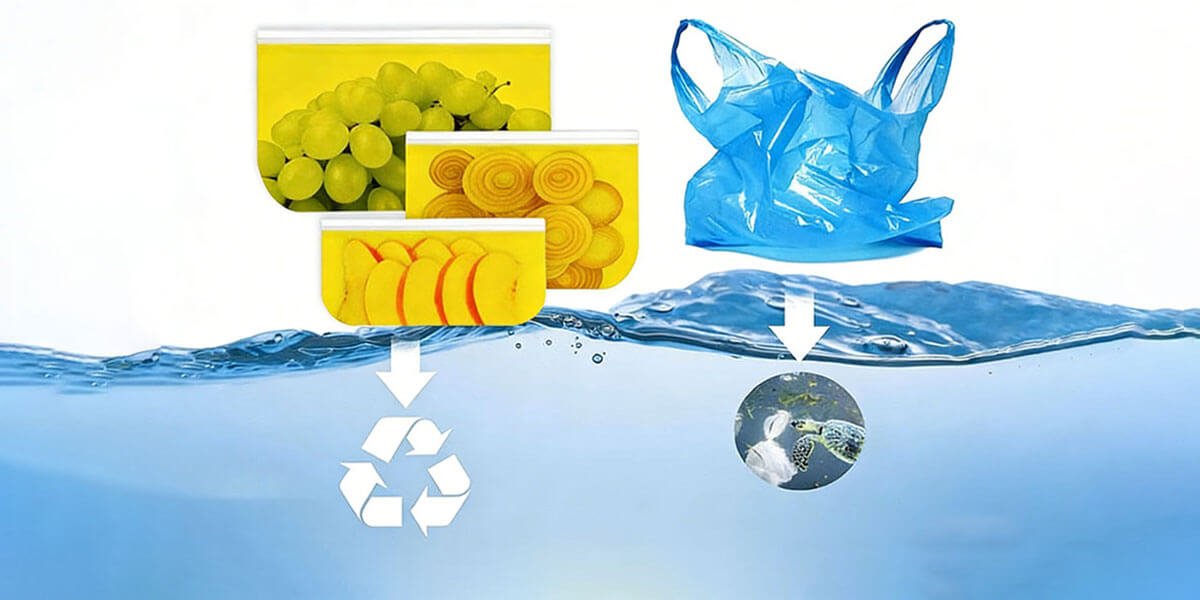
- Environmentally friendly
- Non-toxic and odorless
- Degradable under proper conditions
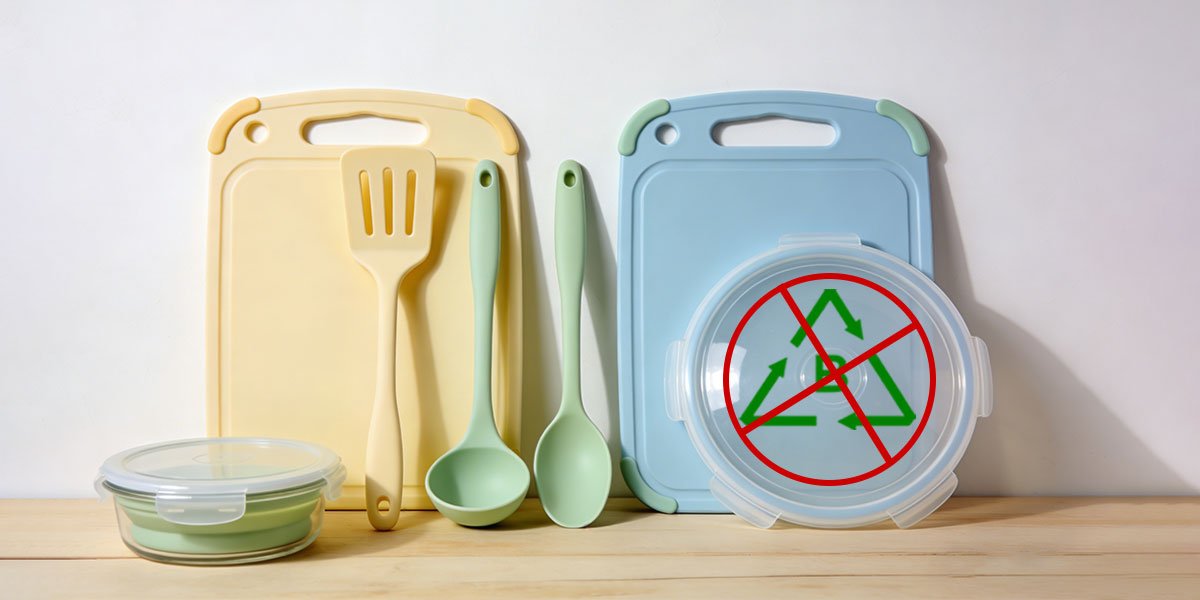
- Lead-free, REACH-compliant, BPA-free, and PVC-free
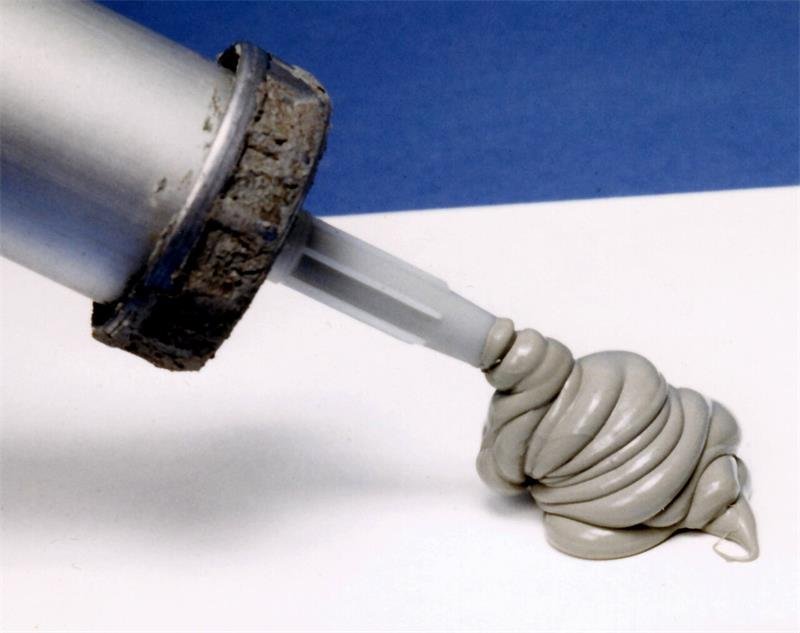
This combination of low toxicity and high heat resistance makes silicone ideal for watertight seals (like aquarium sealants), plumbing applications, and countless food contact products that demand safety without compromise.
Why Material Knowledge Matters for Your Business?
Understanding these properties isn’t just academic. It’s essential for making informed decisions about the products you manufacture or purchase.
When you work with Siliconexy, you’re not just getting a supplier. You’re partnering with a team that understands the science behind every mold, every compound, and every finished product. We help you select the right grade of silicone for your specific application, ensuring optimal performance, safety, and value.
Have a project in mind? Contact our team to discuss how silicone’s unique properties can bring your product vision to life.