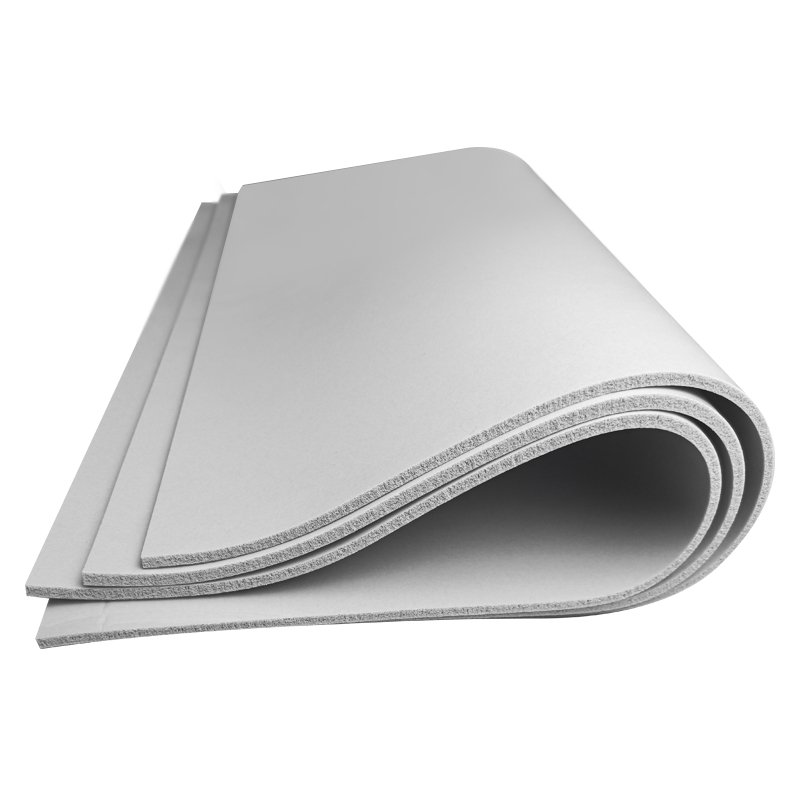
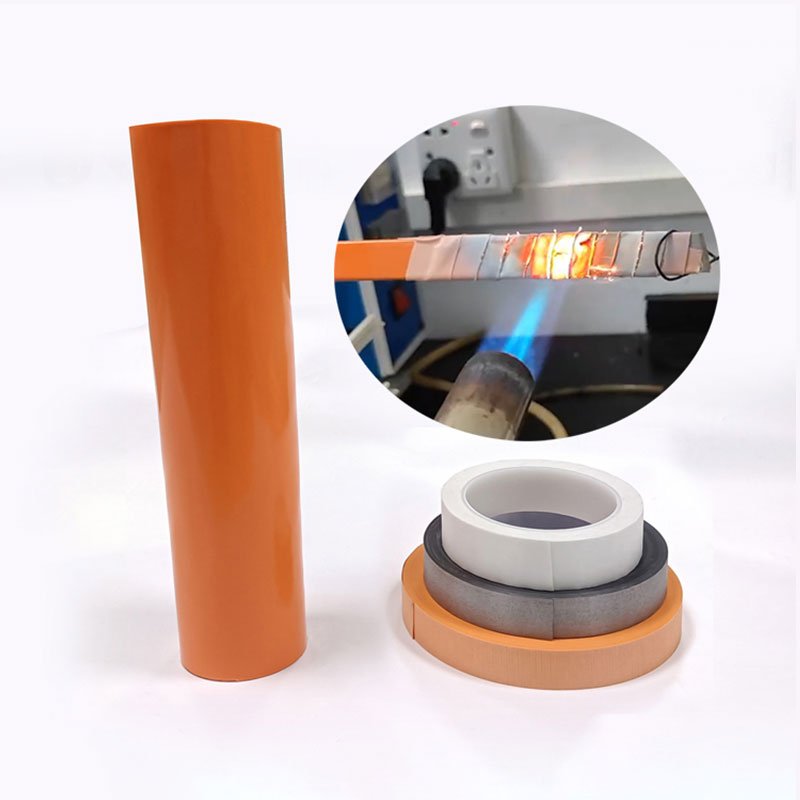
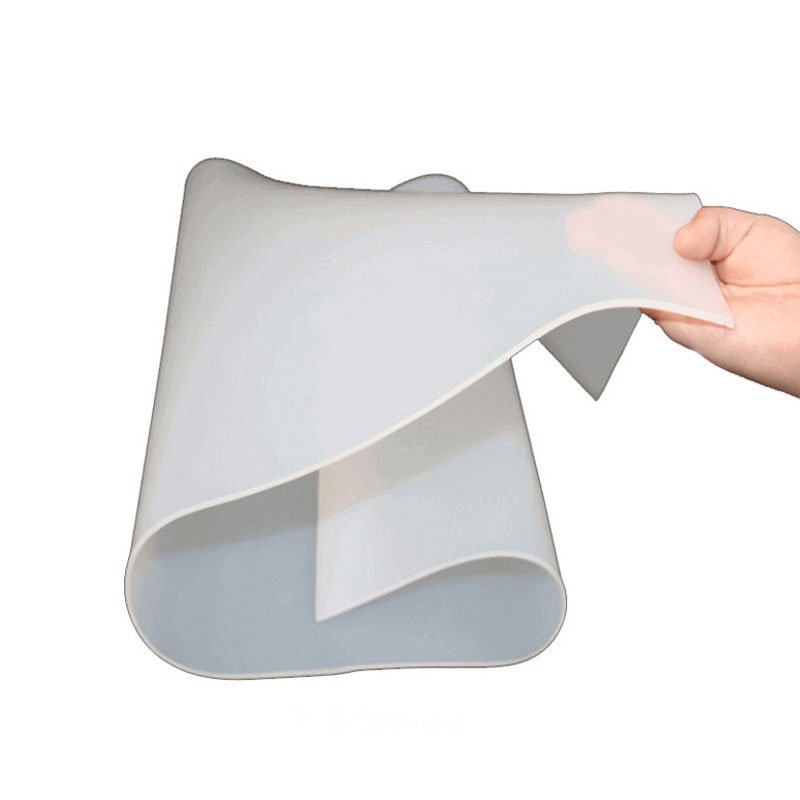
Is Silicone the Same as Silica? The short answer is no. Silicone and silica are fundamentally different materials. They differ in chemical composition, physical properties, and how they are used. In the world of materials science and industrial manufacturing, silicone and silica are two terms that are often confused or used interchangeably. Despite sharing a common root element—silicon (Si). They are chemically distinct materials with vastly different structures, properties, and applications.
This article will break down the key differences between silicone and silica, explain their roles in manufacturing, and help you understand why choosing the right material matters for your projects.
Silicone Vs Silica: Understanding the Basics:
What Is Silica?
Silica (chemical formula: SiO₂, silicon dioxide) is a naturally occurring inorganic compound formed by the combination of silicon and oxygen atoms. It is one of the most abundant materials on Earth, found in crystalline forms like quartz, sand, and cristobalite, as well as amorphous forms such as fused silica, silica gel, and precipitated silica.
Properties of Silica:
- Chemical Structure: Pure SiO₂, no carbon or hydrogen. Silica has a crystalline structure, with each silicon atom bonded to four oxygen atoms in a tetrahedral arrangement. This strong covalent bonding gives silica its exceptional hardness and stability.
- Physical State: Hard, brittle, solid (crystalline or amorphous). In its purest form, silica is a white, odorless solid. It can exist in both crystalline and amorphous (non-crystalline) forms.
- Thermal Stability: Resistant to most acids, alkalis, and solvents; insoluble in water. Silica has an extremely high melting point (around 1,700°C or 3,092°F) and is highly resistant to heat, making it ideal for high-temperature applications.
- Chemical Inertness: Silica is chemically inert, meaning it doesn’t react with most acids, bases, or organic solvents. However, it does react with hydrofluoric acid and strong alkalis.
- Hardness: Mohs hardness of 7 (quartz), making it highly abrasion-resistant.
Silica exists in two primary forms:
- Crystalline silica: Found in quartz, sand, granite, and engineered stone
- Amorphous silica: A non-crystalline form used as a reinforcing agent in silicone rubbers, food additives, and cosmetics.
Approximately 95% of commercial silicon dioxide is used in the construction industry for producing Portland cement, though it is also used in glass manufacturing, hydraulic fracturing, optical fibers, and as a food additive.
Common Applications of Silica
- Construction Industry: Silica sand is a key ingredient in concrete, mortar, and glass production.
- Industrial Applications: Used as a filler in rubber, plastics, and paints to improve strength and durability.
- Desiccants: Silica gel is widely used as a moisture absorber in packaging.
- Pharmaceuticals and Cosmetics: Silica is often used as an anti-caking agent in powders and a thickening agent in creams and lotions.
- Food Industry: Added to food products as an anti-caking agent and to improve flow properties.
- Electronics: Used in the production of semiconductors and optical fibers. High-purity fused silica is used in semiconductor manufacturing and optical components.
What Is Silicone?
Silicone (polysiloxane) is a synthetic polymer engineered in industrial settings. Its molecular structure features an inorganic backbone of alternating silicon-oxygen (Si-O-Si) bonds, with organic side groups (e.g., methyl, phenyl) attached to the silicon atoms. This unique hybrid structure gives silicone its signature combination of flexibility and thermal stability. Unlike silica, silicone does not occur naturally and is entirely man-made.
General formula: (R₂SiO)ₙ, where R represents organic groups such as methyl, ethyl, or phenyl.
Key Properties of Silicone:
- Chemical Composition: Polymer with (R₂SiO)ₙ repeating units (R = organic groups); contains Si, O, C, and H.
- Physical State: Silicone can take many forms, including liquids, gels, elastomers (rubber-like solids), and resins. It’s typically clear or white, but can be colored with pigments.
- Thermal Stability: Silicone has excellent thermal stability, remaining flexible over a wide temperature range (-60°C to 200°C or -76°F to 392°F).
- Flexibility & Elasticity: Highly flexible with excellent compression set resistance.
- Chemical & Weather Resistance: Resistant to UV radiation, ozone, water, and many chemicals.
- Biocompatibility: Food-safe (FDA/LFGB compliant) and suitable for medical applications
- Water Resistance: Silicone is highly water-resistant and repellent, making it ideal for applications where moisture protection is critical.
- Electrical Insulation: It’s an excellent electrical insulator, used in a variety of electronic components and wiring.
The most widely produced silicone is polydimethylsiloxane (PDMS), of which about 60% of the constituents are derived from silica and water. Silicone raw materials come from natural origin silica stone (SiO₂), water, and natural gas-derived methanol.
Common Applications of Silicone:
- Medical and Healthcare: Silicone is widely used in medical devices, such as catheters, implants, and surgical tools, due to its biocompatibility and sterilizability.
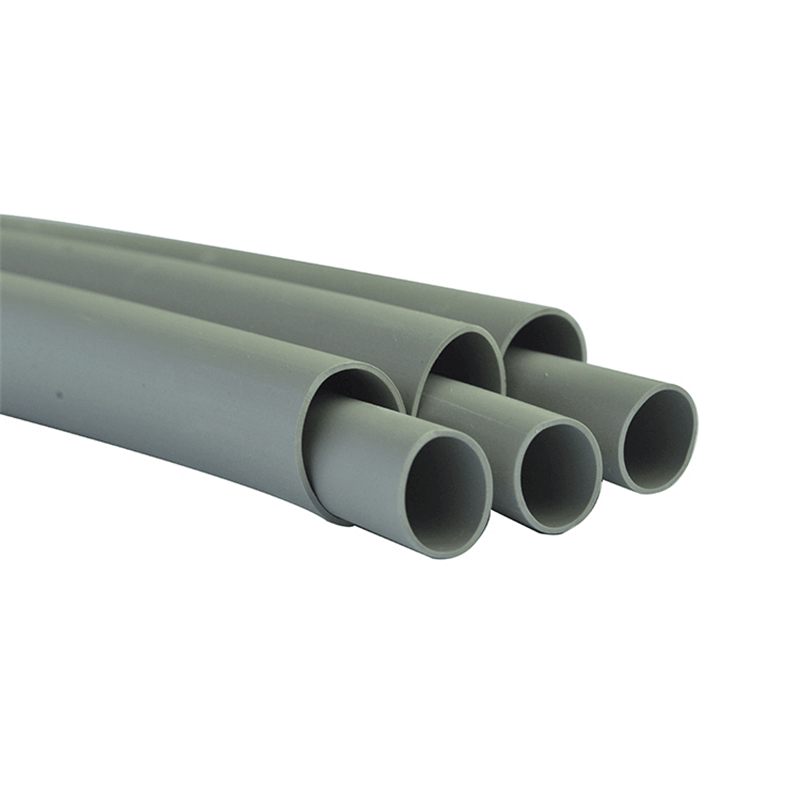
- Industrial Manufacturing: Used in gaskets, seals, hoses, and other components that require resistance to heat, oil, and chemicals.
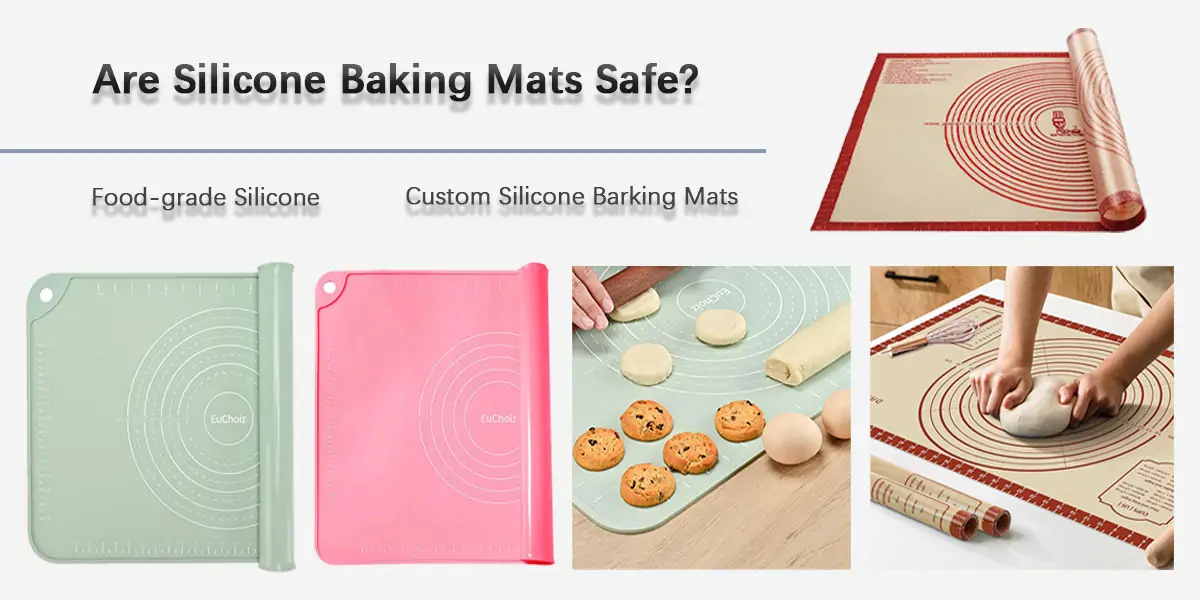
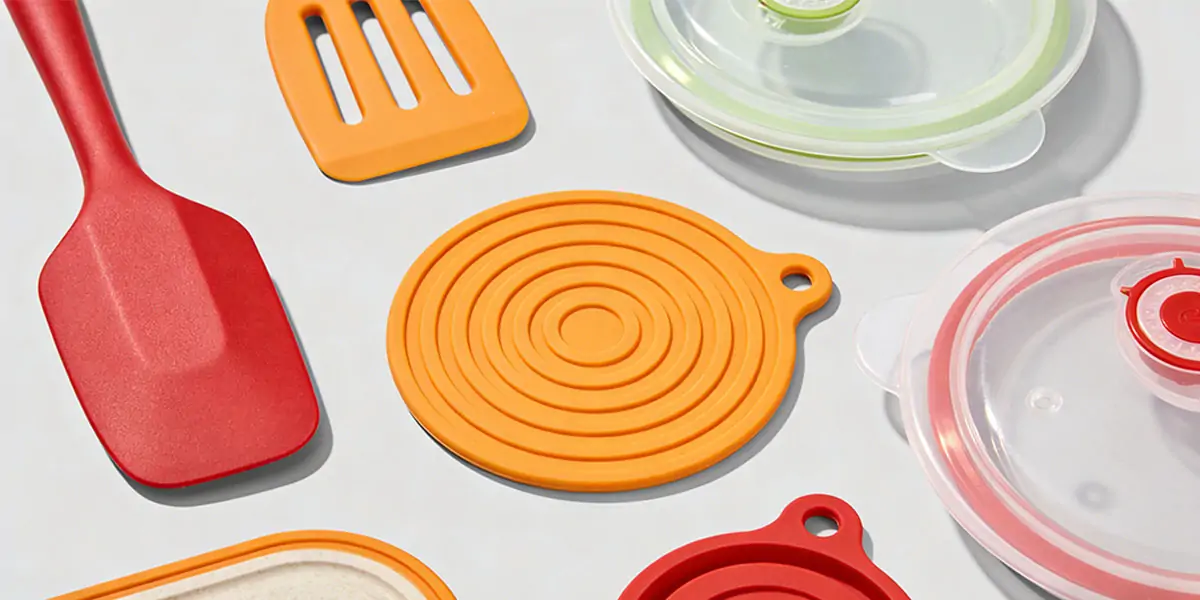
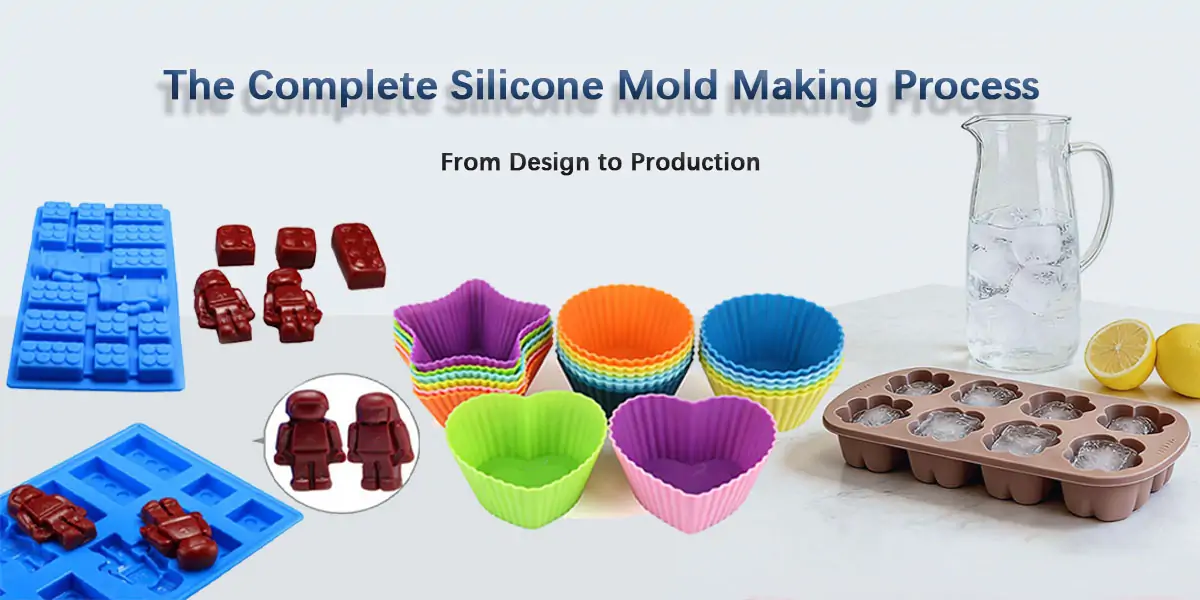
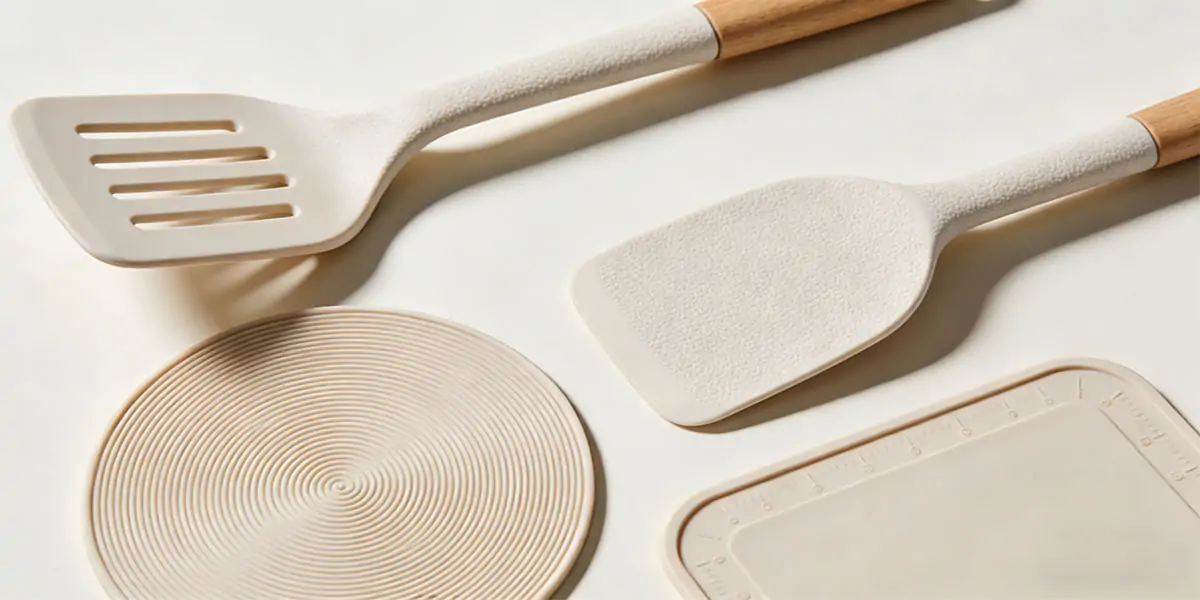
- Consumer Products: Found in kitchen utensils, bakeware, personal care products (like shampoo and conditioner), and baby products (such as pacifiers and bottle nipples).
- Construction & Sealants: Used as a sealant, adhesive, and waterproofing material in buildings and infrastructure.
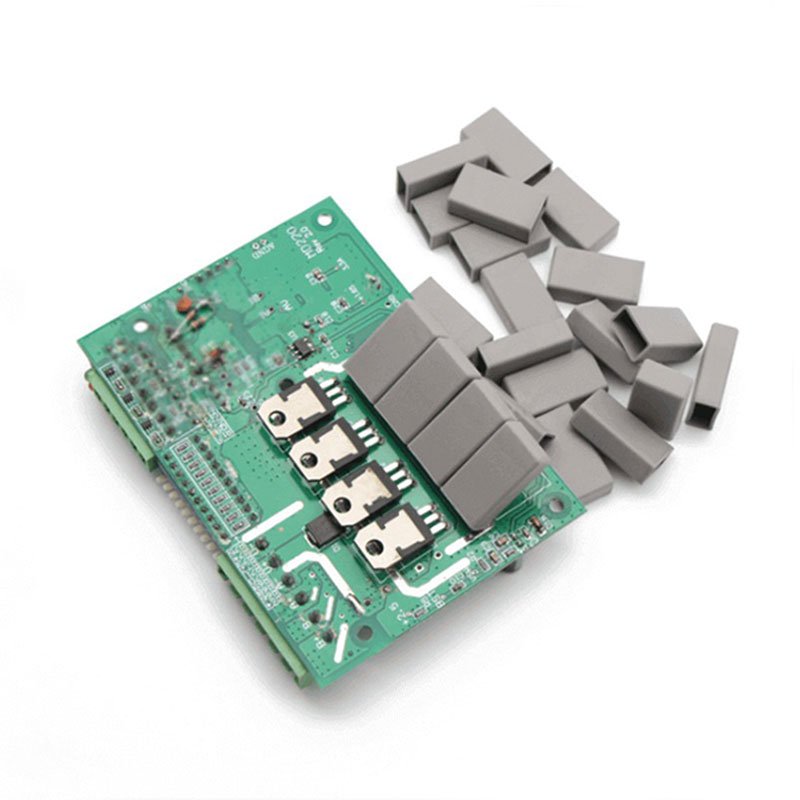
- Electronics: Used as a thermal paste, potting compound, and encapsulant for electronic components.
Silicone rubber is typically processed via injection molding, compression molding, transfer molding, or extrusion, depending on the part geometry and production volume.

Silicone Vs Silica: Key Differences Between Silicone and Silica
Now that we have a basic understanding of what silicone and silica are, let’s explore the key differences between these two materials:
Chemical Composition:
The most fundamental difference is that silica is a simple inorganic compound (SiO₂), whereas silicone is a polymer made from repeating siloxane units with organic side groups.
- Silica: A naturally occurring inorganic compound (SiO₂) composed solely of silicon and oxygen.
- Silicone: A synthetic organic-inorganic hybrid polymer containing silicon, oxygen, carbon, and hydrogen.
In other words:
- Silica = silicon + oxygen only
- Silicone = silicon + oxygen + organic groups (carbon, hydrogen)
This difference in molecular structure determines everything else about these materials.
Structural Difference Comparison:
Silica forms a three‑dimensional network of silicon and oxygen atoms, giving it hardness and brittleness. Silicone has a linear or lightly cross‑linked backbone of alternating silicon and oxygen atoms, with organic groups attached to the silicon atoms. These organic groups prevent the formation of the rigid three‑dimensional network found in silica, giving silicone its flexibility and rubber‑like properties.
- Silica: Has a crystalline or amorphous structure with a rigid, three-dimensional network of Si-O bonds.
- Silicone: Has a linear or branched polymer structure with a flexible Si-O backbone and organic side chains.
Physical Properties Comparison:
| Property | Silica | Silicone |
| Physical form | Solid (crystalline or amorphous) | Liquid, gel, rubber, solid elastomer, or resin |
| Hardness | High (7 on Mohs scale) | Varies from soft to rigid |
| Flexibility | Brittle, inflexible | Highly flexible (elastomers) |
| Water Absorption | Low (amorphous silica can absorb some moisture) | Very low, water-repellent |
| Elasticity | Brittle, non-elastic | Highly elastic (stretches and returns to shape) |
| Temperature range | –40 °C to 200 °C | –60 °C to 250 °C+ |
| Density | 0.6–0.8 g/cm³ | 1.1–1.5 g/cm³ |
| Combustion | Does not burn | Burns with white silica residue |
Manufacturing Process Comparison:
Silica: Most silica is obtained from natural sources, such as sand or quartz, and purified through processes like mining, grinding, and chemical treatment. Amorphous silica can also be produced synthetically.
Silicone: Produced through a complex chemical process starting with silicon metal, which is reacted with methyl chloride to form chlorosilanes. These intermediates are then hydrolyzed and polymerized to create the final silicone product.
Silicone production is complex and energy‑intensive:
- High‑purity silica stone is extracted from quartz.
- Silicon is obtained via high‑temperature metallurgical reduction.
- Silicon reacts with methyl chloride over a copper catalyst to form chlorosilanes.
- Chlorosilanes are hydrolyzed and polymerized into polysiloxanes.
Producing silicones is highly energy‑intensive, with over 70% of their carbon footprint stemming from the extraction and subsequent chemical processing of component materials.
Safety and Health Considerations
Silica Safety
In its natural solid form, crystalline silica is not harmful. However, when materials containing crystalline silica are cut, ground, drilled, or crushed, fine respirable particles (less than 10 microns) can become airborne. Inhaling respirable crystalline silica (RCS) can cause:
- Silicosis — irreversible lung scarring that causes shortness of breath.
- Lung cancer.
- Kidney disease.
There is no known safe exposure concentration for RCS below which no adverse health effects occur. Workers in construction, mining, stone countertop fabrication, and foundries are at highest risk.
Silicone Safety
Silicone is generally considered safe for most consumer and industrial applications. Food‑grade silicone has been approved by the U.S. FDA for contact with food under 21 CFR 177.2600. Food‑grade silicone is BPA‑free, lead‑free, and does not contain phthalates.
However, injected liquid silicone for cosmetic augmentation has been associated with serious health risks, including blood vessel blockage and death. For silicone cookware and food contact applications, platinum‑cured silicone is considered the highest purity option, with enhanced stability and lower potential for chemical migration.
Environmental Impact and Recycling
Silica:
Silica is naturally abundant and does not pose significant environmental concerns beyond the energy required for mining and processing.
Silicone:
Silicone production is energy‑intensive, with over 70% of its carbon footprint from extraction and chemical processing. However, recent developments are improving silicone recyclability:
- In April 2025, CNRS researchers described a universal chemical recycling process that can break down any type of used silicone material back to its chlorosilane monomers, allowing infinite reuse without loss of properties.
- The process uses a gallium catalyst and boron trichloride at mild temperatures (40 °C) and achieves yields of approximately 97%.
- Elkem has also developed recycling processes for crosslinked HCR waste, with recycled content achieving a carbon footprint as low as 1.1 kg CO₂e per kg for certain products.
These advancements are gradually making silicone a more circular and sustainable material.
How are Silicone and Silica Related?
Despite their many differences, silicone and silica are related through their chemical composition. Both materials contain silicon and oxygen, which are among the most abundant elements on Earth. In fact, silica is often used as a raw material in the production of silicone. The process involves reducing silica to silicon metal, which is then used as a starting point for silicone synthesis.
Silica is a critical raw material for silicone production:
- High-purity silica (quartz sand) is reduced to elemental silicon at ~1,800°C.
- Elemental silicon reacts with methyl chloride to form silane intermediates.
These intermediates polymerize to create siloxane chains, the basis of all silicone products.
In many silicone formulations, precipitated or fumed silica is also added as a reinforcing filler to enhance the mechanical strength, hardness, and thermal stability of the final silicone rubber or elastomer.
Why This Distinction Matters for Your Business?
For industrial buyers, engineers, and product designers, confusing silicone and silica can lead to:
- Material Selection Errors: Choosing rigid silica when a flexible seal is needed, or vice versa.
- Performance Failures: Using the wrong material for temperature, chemical, or mechanical requirements.
- Compliance Risks: Using non-food-grade silica in food-contact applications or non-medical-grade silicone in healthcare products.
Siliconexy specialize in custom silicone manufacturing. Leveraging our expertise in material science to engineer silicone solutions tailored to your exact specifications. Whether you need high-temperature silicone gaskets, food-safe silicone molds, or medical-grade silicone components, we ensure the right material is used for optimal performance and compliance.
Conclusion
While silicone and silica share a similar name and both contain silicon and oxygen, they are distinct materials with unique properties and applications. Silica is a naturally occurring inorganic compound that’s abundant in the Earth’s crust, while silicone is a synthetic polymer with a flexible, organic-inorganic structure.
Understanding the differences between these two materials is essential for anyone working in fields like chemistry, materials science, engineering, or manufacturing. Whether you’re choosing the right material for a project, evaluating product safety, or simply satisfying your curiosity, knowing the difference between silicone and silica can help you make informed decisions.
If you’re unsure which material is right for your project or need custom silicone parts engineered to your requirements, contact Siliconexy today for a consultation. Our team of experts will help you navigate material choices and deliver high-quality, compliant silicone solutions.