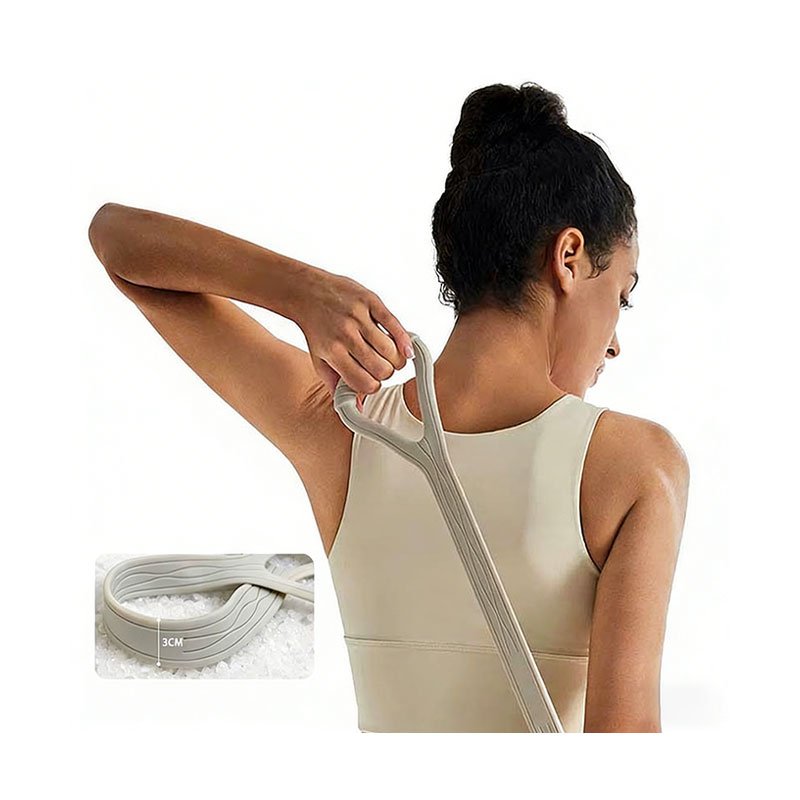
Silicone Rubber And PU: Which Is More Durable? Silicone rubber, natural rubber, and polyurethane (PU) are three widely used elastomer materials, each with unique performance characteristics that make them suitable for different applications. If used in industrial, automotive, consumer goods, or medical fields, which material is the best, most durable, and most suitable? In this article, we will objectively compare these materials in terms of durability, abrasion resistance, temperature resistance, and environmental stability, aiming to help you choose the most suitable material for custom silicone, rubber, or PU parts.
What Does “Durability” Mean in Material Selection?
Before comparing materials, it’s essential to define durability for elastomers, as it encompasses multiple performance factors that determine how a material holds up over time.
Durability is not a single property. It typically includes:
- Mechanical strength (tensile strength, tear resistance): Resistance to breaking under tension or tearing from sharp stress.
- Abrasion resistance: Ability to withstand friction, abrasion, and repeated mechanical stress.
- Temperature resistance: Performance across extreme high and low temperatures without hardening, cracking, or softening.
- Chemical resistance: Tolerance to oils, solvents, acids, alkalis, and harsh chemicals.
- Aging performance over time: Stability against UV light, ozone, oxygen, and heat over months/years.
No single material excels in all these aspects simultaneously. The “most durable” material depends on the application environment and performance priorities.
Silicone vs Rubber vs PU: Material Overview
Understanding Silicone, Rubber, and PU
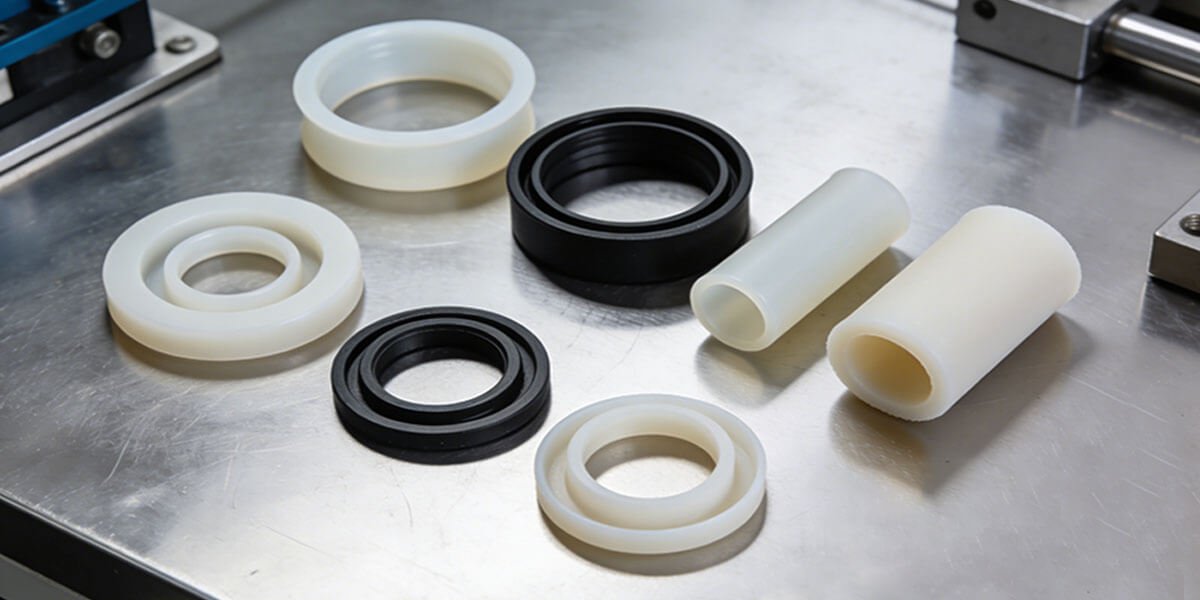
1. What Is Silicone (Silicone Rubber)?
Silicone is a synthetic polymer with a silicon-oxygen (Si-O) backbone, which is far more stable than the carbon-carbon (C-C) backbones found in rubber and polyurethane (PU). This molecular structure gives silicone industry-leading long-term durability in harsh environments.
Silicone is a synthetic polymer known for its excellent heat resistance, weatherability, and chemical stability. It can withstand extreme temperatures ranging from -60°C to 200°C, making it suitable for use in both high-temperature and low-temperature environments. Silicone also has good resistance to UV radiation, ozone, and oxidation, which means it can maintain its properties even when exposed to harsh outdoor conditions for extended periods.
Primary characteristics:
- Excellent thermal stability across a wide temperature range.
- Superior resistance to weathering, ozone, and UV radiation.
- Good chemical resistance to many compounds, including mild acids and alkalis.
- Low surface energy, contributing to non-stick and water-repellent properties.
2. What Is Rubber (Natural Rubber & Synthetic Rubber)?
Rubber is a natural or synthetic polymer that has been used for centuries. It is known for its excellent elasticity, flexibility, and abrasion resistance. Rubber can be classified into two main types: natural rubber and synthetic rubber (EPDM, Nitrile, Neoprene).
Primary characteristics:
- Exceptional tensile strength and tear resistance.
- High resilience and elasticity (rebound elasticity of 80–85%).
- Excellent abrasion resistance.
- Good dynamic properties with low heat buildup under cyclic loading.
3. What Is Polyurethane (PU)?
Polyurethane (PU) is a versatile elastomer with a urethane linkage that offers excellent mechanical properties, including high tensile strength, abrasion resistance, and tear resistance. But poor stability in extreme heat/UV. It sits between rubber and silicone in general durability but excels in specific wear-focused applications. PU can be formulated to have a wide range of hardness and flexibility, making it suitable for a variety of applications.
Unlike silicone or natural rubber, polyurethane possesses a wide range of properties that can be adjusted through formulation—spanning the spectrum from soft and flexible to hard and rigid.
Primary characteristics:
- Exceptional abrasion resistance, often superior to other elastomers.
- High tensile strength (10–50 MPa) and load-bearing capacity.
- Good resistance to oils, fuels, and hydrocarbons.
- Available in both thermoset and thermoplastic formulations.
Comparison of the Properties of Three Materials
Temperature Resistance Comparison
Temperature stability is a defining differentiator among these three materials. Silicone offers the widest and most stable temperature range, particularly for high-heat applications. Natural rubber provides good cold resistance but limited heat tolerance. Polyurethane occupies a middle range but degrades more readily at elevated temperatures.
- Silicone: -60°C to 230°C (standard grade); high-temperature grades can withstand up to 300°C. Unlike rubber or polyurethane (PU), silicone does not harden in extreme cold environments, nor does it soften or degrade at high temperatures. This characteristic is crucial for automotive engine seals, aerospace components, and industrial ovens.
- Rubber: Natural rubber has a more limited operating temperature range, typically from -60°C to 70°C , with some formulations extending to approximately 90°C (-50°C to 120°C for EPDM; -30°C to 100°C for nitrile). Rubber hardens below -20°C and softens/degrades above 120°C, leading to cracking and failure in high-heat applications.
- PU (Polyurethane): Polyurethane generally operates within a range of approximately -40°C to 80°C , with some formulations extending to 100–120°C for short periods. However, long-term usage above 80°C is not recommended, as PU can deform at elevated temperatures. PU degrades rapidly above 100°C, becoming brittle and cracking. Cold resistance is moderate, with lower limits around -40°C to -60°C depending on formulation. It also hardens in extreme cold (-30°C and below).
Abrasion Resistance Comparison
Abrasion resistance is the ability of a material to resist surface wear caused by friction, scratching, and abrasion, and it varies significantly among these three types of materials.
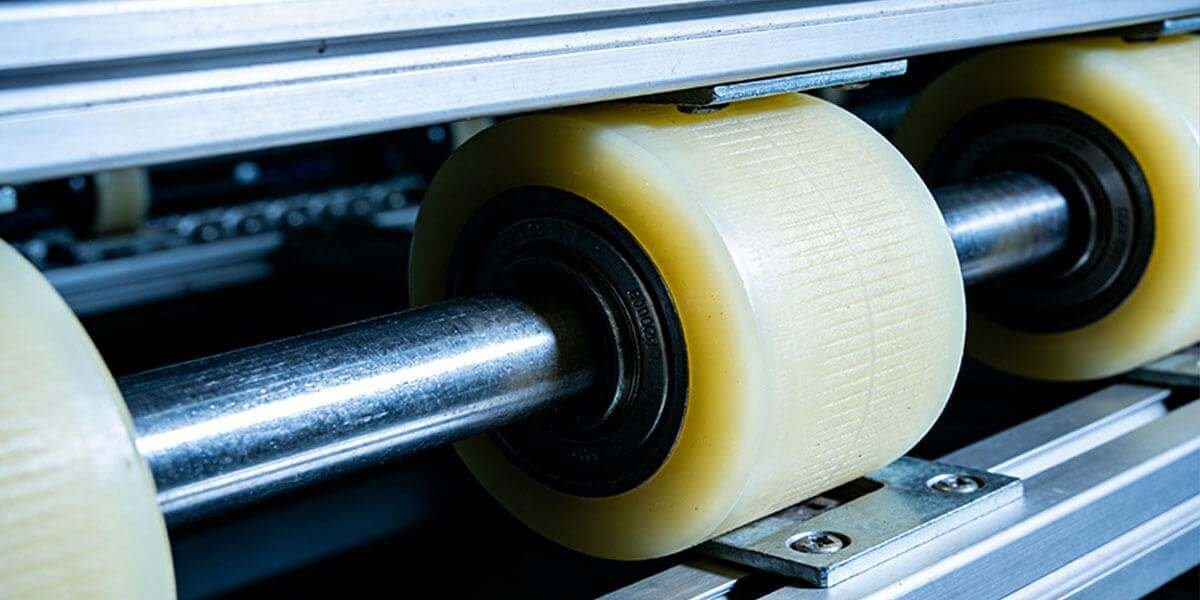
- Polyurethane (PU): Polyurethane is widely recognized as having the best abrasion resistance among common elastomers. This property makes PU the preferred material for applications subject to high friction and wear, including wheels, rollers, conveyor belts, and industrial wipers.
- Natural Rubber: Good for low-abrasion uses; less wear-resistant than PU but far better than natural rubber in harsh environments. Natural rubber’s abrasion resistance is a key reason for its extensive use in tire treads, conveyor belts, and shoe soles.
- Silicone Rubber: Silicone has comparatively poor abrasion resistance. Its abrasion resistance is limited relative to both natural rubber and polyurethane. Silicone is generally not recommended for applications involving high friction, sliding contact, or continuous surface wear.
Polyurethane leads in abrasion resistance, followed closely by natural rubber. Silicone is least suited for wear-intensive applications.
Tensile/Tear Strength Comparison
Tensile strength refers to the maximum stress a material can withstand during the stretching process before fracturing. PU offers high tensile strength and tear resistance, especially in load-bearing applications. Polyurethane offers the highest tensile strength, followed by natural rubber. Silicone has the lowest tensile strength but compensates with superior flexibility and compression set recovery.
- PU: Exceptionally high (20–50 MPa). PU has the highest tensile and tear strength of the three materials, making it ideal for heavy-duty, high-stress parts.
- Rubber: High tensile strength (10–30 MPa) for natural rubber; good tear resistance for heavy-duty uses (e.g., tires, conveyor belts).
- Silicone: Moderate tensile strength (4–10 MPa) but exceptional tear resistance in custom formulations. Reinforced silicone (e.g., with fiberglass) boosts strength for heavy-duty applications.
Chemical Resistance Comparison
Silicone is often preferred in chemically demanding or food-contact environments. Silicone excels in resistance to water, steam, weather, and ozone, but is vulnerable to hydrocarbon fuels. Natural rubber resists mild acids but is poor against oils. Polyurethane resists oils and fuels but is vulnerable to acids, alkalis, and steam.
- Silicone: Resistant to water, steam, many acids, alkalis, and polar solvents. Poor resistance to non-polar oils (e.g., gasoline), but food-grade/medical-grade silicone complies with FDA, LFGB, and USP Class VI standards. Ideal for long-term medical implants and food processing equipment.
However, silicone has poor resistance to hydrocarbon fuels, concentrated acids and alkalis, and certain aromatic hydrocarbons. It is also sensitive to hydrolysis under certain conditions. - Rubber: It exhibits excellent resistance to oils and gasoline (Nitrile Rubber), as well as to water (EPDM).
However, it demonstrates poor resistance to oils, fuels, and petroleum-based solvents, as well as to high temperatures, UV radiation, and highly corrosive chemicals (such as strong acids). Upon contact with such substances, natural rubber swells, softens, and undergoes rapid aging and degradation. When exposed to many solvents, the rubber swells, softens, and quickly ages—or may even dissolve entirely. Its weather resistance is fair, though it is highly susceptible to ozone degradation. - Polyurethane (PU): PU offers good resistance to oils, fuels, and hydrocarbons but poor resistance to water, steam, and strong acids/alkalis. Polyurethane also has moderate resistance to ozone and UV, though not as strong as silicone’s. Hydrolysis sensitivity is a noted limitation for certain PU formulations.
Aging And Weather Resistance Comparison
- Silicone: Excellent resistance to UV radiation, ozone, and oxygen. Silicone parts show minimal cracking, brittleness, or discoloration after years of outdoor exposure (e.g., outdoor gaskets, solar panel seals). Rubber and PU degrade rapidly under UV/ozone, requiring protective coatings.
- Natural & Synthetic Rubber (EPDM, Nitrile, Neoprene): Poor to moderate. Natural rubber and nitrile degrade quickly under UV/ozone (cracking within 1–2 years outdoors). EPDM has better weather resistance but still fails faster than silicone.
- Polyurethane (PU): Poor. PU is highly susceptible to UV radiation and hydrolysis (breakdown from moisture). Outdoor PU parts crack, fade, and lose elasticity within 1–3 years without protective coatings.
Durability Comparison Table:
| Metric | Silicone | Rubber (EPDM/Nitrile) | PU |
| Temperature Range | -60°C to 230°C | -50°C to 120°C | -40°C to 100°C |
| UV/Ozone Resistance | Excellent (10+ years) | Poor–Moderate (1–8 years) | Poor (1–3 years) |
| Compression Set | Low (<20%) | High (20–50%) | Moderate (15–30%) |
| Chemical Resistance | Excellent (water, steam, FDA-compliant) | Good (oil/water, poor heat/UV) | Good (oil/grease, poor water/UV) |
| Tensile Strength | Moderate (4–10 MPa) | High (10–30 MPa) | Exceptional (20–50 MPa) |
| Wear Resistance | Good (low-abrasion) | Excellent (high-abrasion) | Industry-leading |
| Typical Lifespan | 10–15+ years | 1–8 years | 1–10 years |
Application-Based Comparison
Understanding durability requires considering the specific demands of the intended application.
When Silicone Is the Best Choice?
- High-temperature applications: Oven gaskets, engine compartment seals, industrial oven components, and bakeware where temperatures exceed 150°C.
- Outdoor and weather-exposed applications: Roof seals, outdoor electrical insulation, automotive exterior components, and solar panel gaskets due to its excellent UV and ozone resistance.
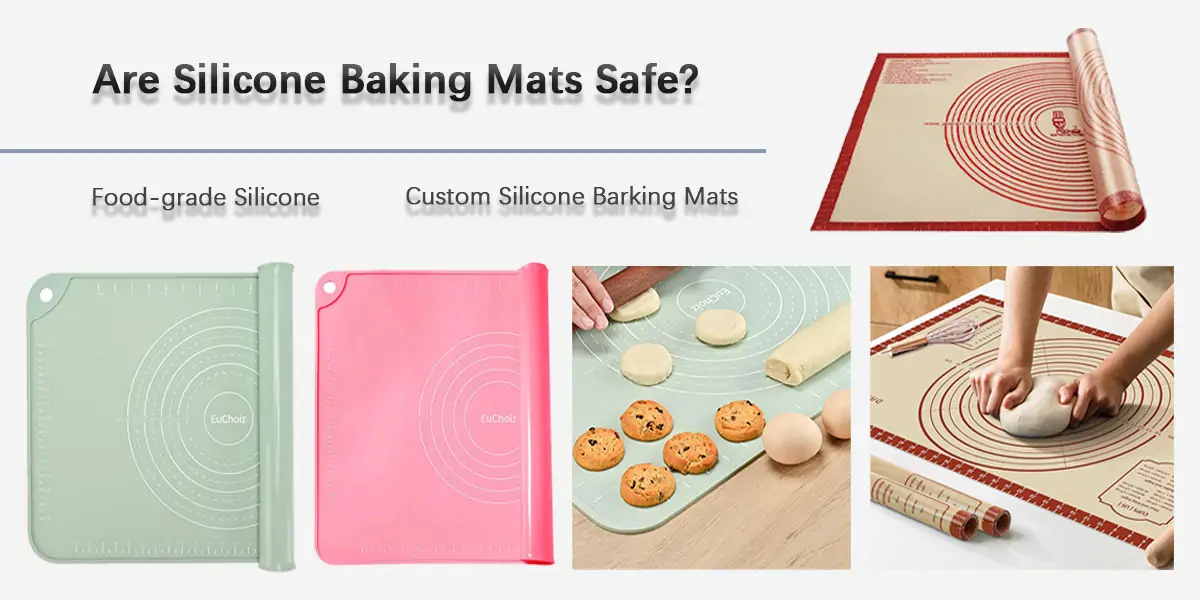
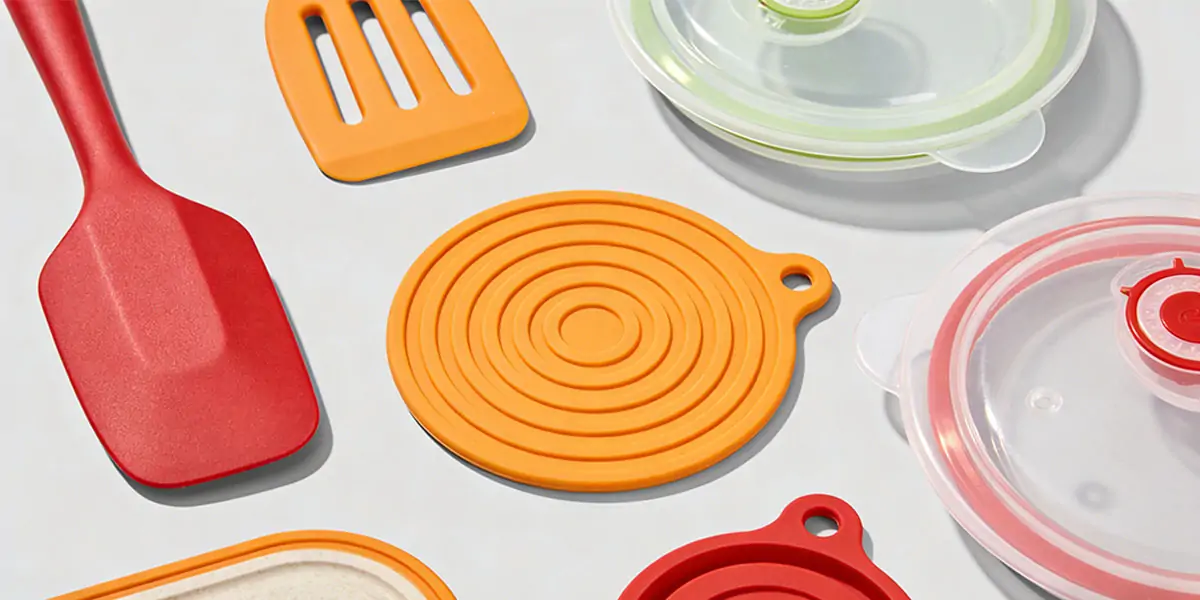
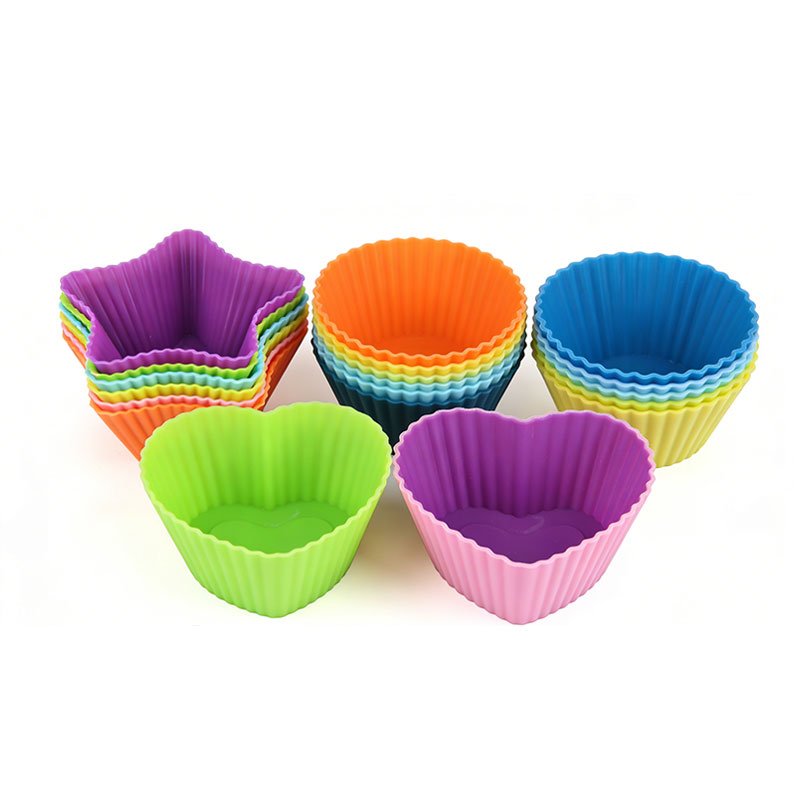
- Food contact and medical applications: Kitchen utensils, baby products, medical tubing, and implantable devices due to silicone’s inertness, FDA compliance, and biocompatibility.
- Applications requiring flexibility at extreme cold: Low-temperature seals and components for refrigeration or aerospace applications.
When Natural Rubber Is the Best Choice?
- Dynamic applications requiring high resilience: Engine mounts, vibration dampers, shock absorbers, and suspension bushings.
- Abrasion-prone applications without oil exposure: Conveyor belts, chute liners, shoe soles, and tire components (where oils and fuels are not present).
- Applications requiring strong adhesion to metal: Rubber-to-metal bonded parts, such as vibration mounts and bridge bearings.
- Cost-sensitive applications with moderate temperature demands: General-purpose seals, gaskets, and protective components where natural rubber’s lower cost is advantageous.
When Polyurethane Is the Best Choice?
- High-wear and load-bearing applications: Industrial wheels, rollers, conveyor belts, forklift tires, and skateboard wheels.
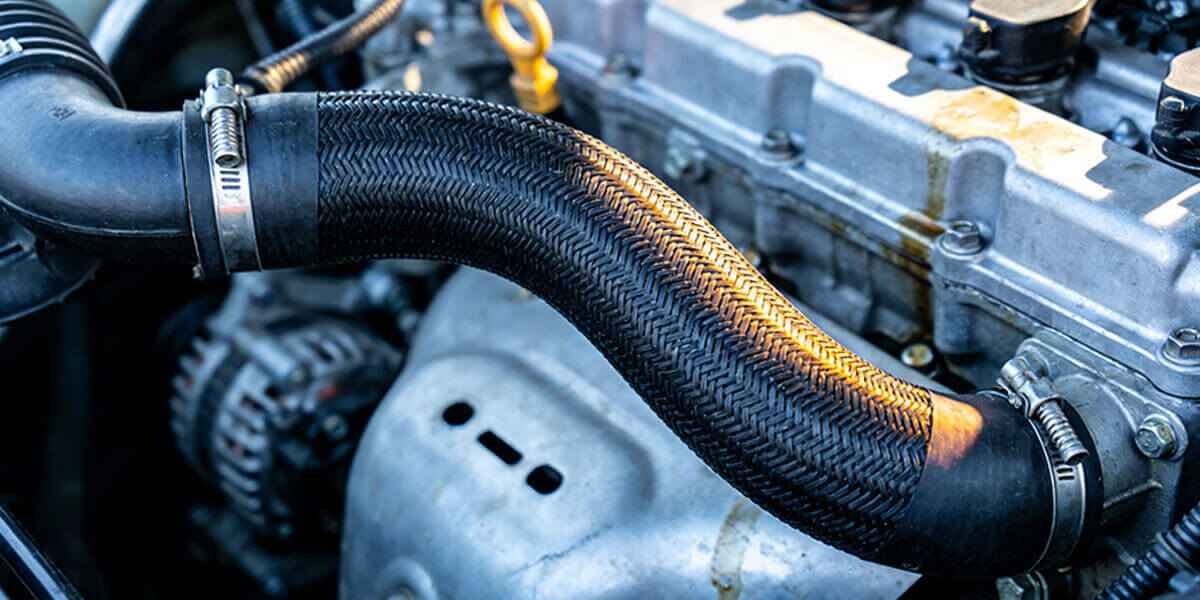
- Oil and fuel exposure: Seals, gaskets, and components in automotive and industrial applications where contact with petroleum-based fluids is expected.
- High-strength applications requiring durability under impact: Industrial linings, mining equipment components, and protective coatings.
- Applications requiring tunable hardness: Cast polyurethane components can be formulated across a broad hardness range to meet specific load and flexibility requirements.
Why Choose Siliconexy for Custom Silicone Solutions?
At Siliconexy, we specialize in providing custom silicone molding services—including compression molding, injection molding, and extrusion molding—to clients across the consumer goods, medical, industrial, and automotive sectors.
- We utilize high-grade silicone raw materials that comply with FDA and LFGB standards, featuring a molecular backbone structure that is both stable and reliable.
- We employ customized formulation systems designed to address your specific application requirements, thereby enhancing product tensile strength, tear strength, heat resistance, and abrasion resistance.
- For heavy-duty components that demand both flexibility and high strength, we offer reinforced silicone solutions (enhanced through the incorporation of glass fibers or fabric).
- Prior to shipment, all components undergo rigorous durability testing to ensure they deliver exceptional long-term performance in real-world applications.
Final Takeaway
When comparing silicone vs. rubber vs. PU durability, silicone stands out as the most resilient material for long-term, multi-environment applications. Rubber excels in oil resistance and low cost, while PU leads in abrasion resistance. But neither matches silicone’s stability across temperature, UV, ozone, and chemical stress. For custom parts that need to perform reliably for 10+ years, silicone is the clear choice.
Ready to design a custom silicone part for your durable application? Contact Siliconexy today for a free quote and material consultation—our team of engineers will help you select the perfect silicone formulation for your needs.