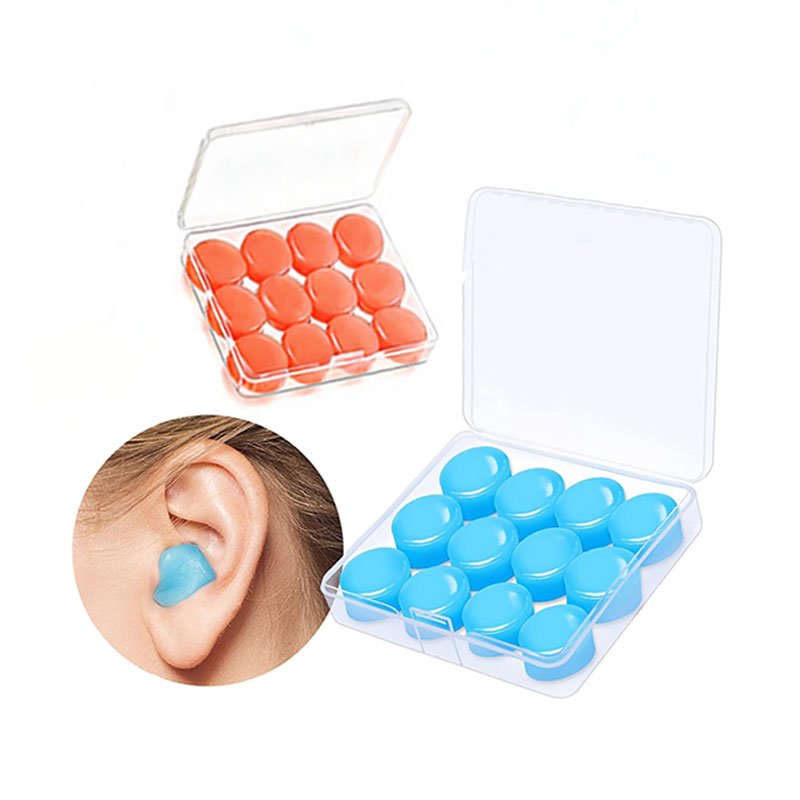
Silicone earplugs are widely used for sleep, travel, swimming, and noise protection. For many users, they provide effective relief from unwanted sound. However, a common question arises: Can silicone earplugs cause irritation if worn for long periods? The short answer is yes, but it’s not inevitable.
This article objectively analyzes the causes of irritation from long-term silicone earplug use, distinguishes between material-related and usage-related issues, and provides evidence-based guidance for safe, comfortable wear.
Do Silicone Earplugs Cause Irritation?
Medical sources confirm that while sleeping with earplugs is generally safe, prolonged use carries some risks. The ear canal skin is very thin and sensitive. Rough earplugs or frequent use can cause irritation. Contact dermatitis can sometimes be an issue, especially with silicone earplugs or those coated with preservatives.
Why Silicone Earplugs Might Trigger Irritation?
Silicone is generally hypoallergenic, but several factors can lead to discomfort when earplugs are worn for hours at a time:
1. Mechanical Pressure & Physical Irritation
The ear canal is lined with thin, sensitive skin with minimal subcutaneous tissue, making it highly susceptible to pressure damage. Long-term wear of silicone earplugs can cause:
- Canal wall compression: Ill-fitting or overly firm silicone plugs exert continuous pressure on the ear canal, leading to soreness, redness, or a bruised sensation. Side sleeping amplifies this pressure, increasing discomfort.
- Skin friction & barrier damage: Repeated contact between silicone and ear canal skin can disrupt the skin’s natural barrier, causing dryness, flaking, or minor abrasions.
- Wax impaction: Earplugs can block the natural outward movement of earwax, pushing it deeper into the canal. Over time, this forms impactions that cause fullness, pressure, or pain.
2. Hygiene-Related Irritation & Infection Risk
Silicone’s non-porous surface resists moisture absorption, but poor hygiene creates a breeding ground for bacteria and fungi:
- Trapped moisture & warmth: Extended wear seals the ear canal, raising humidity and temperature. This damp environment promotes microbial growth, increasing the risk of otitis externa (swimmer’s ear), characterized by itching, pain, or discharge.
- Contaminant transfer: Dirty hands, unwashed plugs, or shared use introduce bacteria, dead skin, or debris into the ear canal, triggering inflammation.
- Inadequate cleaning: Infrequent washing leaves residue on silicone plugs, which irritates sensitive skin over time.
3. Material Sensitivity (Rare but Possible)
High-quality medical-grade silicone/food-grade silicone (FDA/LFGB certified) is inherently hypoallergenic and non-reactive, making it safe for most skin types. However:
- Low-grade silicone additives: Cheap, uncertified silicone may contain fillers, plasticizers, or chemical residues that cause allergic contact dermatitis (itching, redness, swelling) in sensitive individuals.
- Individual skin reactivity: A small subset of users may experience mild sensitivity even to pure silicone, though this is far less common than with foam, latex, or PVC materials.
4. Poor Fit or Insertion Technique
Ill-fitting earplugs are a common cause of irritation:
- Over-insertion: Pushing earplugs too far into the ear canal can scratch the delicate skin or put pressure on cartilage.
- Incorrect Size: Earplugs that are too large can stretch the ear canal, while ones that are too small may slip and rub against the skin repeatedly.
- Uneven Pressure: Poorly designed earplugs may create hotspots of pressure, leading to soreness after long wear.
Can Silicone Earplugs Cause Irritation if Worn for Long Periods?
The duration of wear directly influences the likelihood of irritation. Longer wear increases exposure to each risk factor.
- Short-term use (e.g., occasional travel or concerts): Minimal risk when proper hygiene is followed.
- Nightly use (7–9 hours per night, every night): Higher risk of moisture accumulation, bacterial colonization, and wax impaction. A study published in The Laryngoscope found higher bacterial colonization in the ear canals of regular earplug users compared to non-users, though clinical infection rates remained low when proper hygiene was maintained.
- Continuous extended wear (e.g., multiple days without removal): Highest risk. This scenario is not recommended for any type of earplug.
Giving your ears one or two plug‑free nights each week allows the ear canal to air out and natural wax migration to resume. If noise makes plug‑free nights impossible, prioritize using clean, well‑fitting plugs.
How to Prevent Irritation from Long-Term Silicone Earplug Use?
The good news is that most irritation is preventable with these simple steps:
1. Choose High-Quality, Certified Silicone Earplugs.
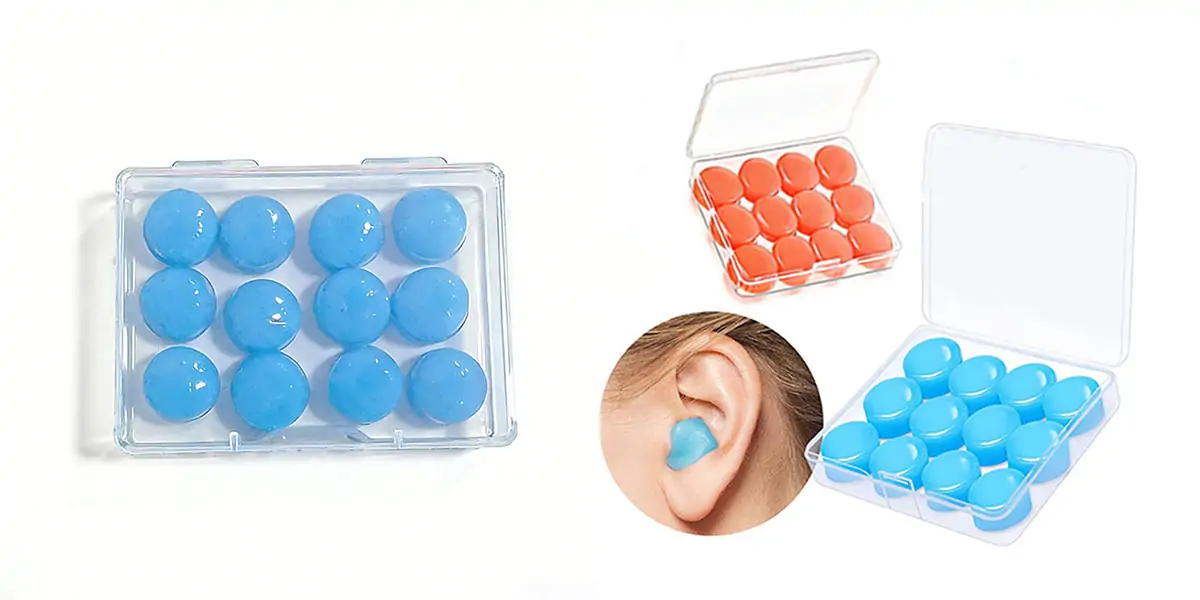
Prioritize medical-grade or food-grade silicone earplugs with FDA, LFGB, or CE certifications. Which are free from harmful additives. Look for products labeled “hypoallergenic” and “phthalate-free” to minimize risk.
2. Ensure a Proper Fit
- Size Matters: Most brands offer multiple sizes (small, medium, large). Test different sizes to find one that seals the ear canal without stretching or bulging.
- Insert Correctly: Gently pull the top of your ear upward to straighten the ear canal, then insert the earplug slowly until it’s flush with the ear opening. Avoid pushing it past the second bend of the canal.
- Custom-Made Options: For chronic irritation, custom-molded silicone earplugs provide a perfect, pressure-free fit.
- Select soft, low-shore silicone (≈20–30 Shore A) for flexibility and reduced pressure.
3. Follow Strict Hygiene Practices
- Clean plugs after every use: Rinse with warm, mild soap and water; pat dry with a clean cloth. Avoid alcohol or harsh chemicals that degrade silicone. Wash hands before handling earplugs to avoid transferring germs.
- Store properly: Keep plugs in a sealed, dry case to prevent dust and bacteria contamination.
- Replace regularly: Discard plugs every 6–10 days (daily use) or when they show signs of wear (cracks, discoloration, loss of flexibility).
- Keep Ears Dry: If you sweat heavily, use absorbent earplugs or clean your ears with a dry cloth before inserting earplugs to reduce moisture buildup.
4. Control Wear Time & Take Breaks
- Remove Earplugs Every 2–3 Hours: Give your ears 5–10 minutes of fresh air to reduce pressure and moisture buildup.
- Alternate with Other Ear Protection: If possible, switch to earmuffs for part of the day to give your ears a break from silicone.
- Limit continuous wear to 8 hours maximum (e.g., overnight sleep).
- Take 1–2 days off weekly to let ear canals air out and recover.
- Avoid wearing plugs while swimming or showering unless they are explicitly waterproof; ensure ears are completely dry before insertion.
5. Ensure Proper Fit & Insertion
- Do not push plugs too deeply into the ear canal. They should seal at the entrance to reduce pressure and wax impaction risk.
- For side sleepers, use low-profile, moldable silicone plugs that distribute pressure evenly.
- If plugs feel tight or painful, switch to a smaller size or a different design.
6. Choose Low‑Profile Designs for Side Sleepers
Low‑profile designs prevent contact pressure issues from side sleeping and are gentle during insertion. Soft silicone earplugs designed for sleeping provide a more comfortable fit than hard silicone versions.
7. Replace Worn Earplugs In Time
Inspect earplugs before each use. Replace them if they show signs of wear, damage, or loss of shape. Do not cut, stretch, or break apart earplugs.
How to Clean and Maintain Reusable Silicone Earplugs?
Proper hygiene is the single most effective way to prevent irritation and infection from long‑term earplug use.
Cleaning Frequency:
| Use Type | Recommended Cleaning Schedule |
| Light use (sleep, focus) | Rinse every 2–3 uses |
| Heavy use (concerts, swimming, visible wax) | Clean after every single use |
| Rule of thumb | If they look dirty or feel less grippy, it is time to clean them |
Daily Cleaning (Mild Soap and Water)
Reusable silicone or flanged plugs withstand multiple washes without losing shape.
Step‑by‑step:
- Use mild soap (gentle dish soap or hand soap) and warm water.
- Use your fingertips to lather the earplugs.
- Rub gently to remove any earwax or oils.
- Rinse under warm, running water until all soap residue is gone.
- Dry Completely. This is the most important step. Shake off excess water and let them air dry completely on a clean towel or paper towel. Do not put them in their case while wet.
Deep Disinfection (Weekly or After Being Sick):
The safest way to disinfect silicone earplugs is to use a 70% isopropyl alcohol wipe and gently clean all surfaces. You can also dampen a soft cloth with 70% isopropyl alcohol and wipe them down. Let the alcohol evaporate completely before use.
What NOT to Do:
| Don’t | Why |
| Do not use a dishwasher | High heat can warp the silicone |
| Do not use harsh chemicals like bleach, hydrogen peroxide (on colored silicone), or oil-based solvents | Can degrade the material |
| Do not use a scrub brush | Can scratch the silicone, making it more likely to trap bacteria |
| Do not boil them | Unless the manufacturer specifically states it is safe |
| Do not store them while damp | This is the number one way to grow bacteria and mold |
Storage:
Once 100% dry, store earplugs in their original, clean carrying case to protect them from dust and bacteria.
When to See a Doctor?
Consult a healthcare provider if you experience any of the following:
- Persistent ear pain or discomfort.
- Discharge from the ear (yellow, green, or bloody).
- Muffled hearing lasting more than a few days after removing silicone earplugs.
- Swelling or redness of the outer ear or surrounding skin.
- Fever accompanied by ear symptoms.
- Vertigo or dizziness.
- An earplug becomes lodged in the ear canal and cannot be removed.
Conclusion:
Silicone Earplugs Are Safe for Long-Term Use When Used Correctly.
High-quality silicone earplugs are among the safest options for prolonged wear, with minimal inherent irritation risk compared to other materials. Most issues arise from poor hygiene, ill fit, or overuse. Not the silicone itself. By choosing certified medical-grade products, maintaining strict cleanliness, limiting wear time, and ensuring a proper fit, you can enjoy the benefits of silicone earplugs (noise reduction, sleep comfort, water protection) without significant irritation.
At Siliconexy, we specialize in custom-molded, medical-grade silicone earplugs designed for optimal comfort and safety. Our products meet FDA and LFGB standards, offering a personalized fit that minimizes pressure and maximizes long-term wearability. For sensitive ears or extended use, our hypoallergenic silicone formulations provide a reliable, irritation-free solution.
For more information about custom silicone products, medical‑grade silicone materials, and FDA‑compliant manufacturing, contact our team at siliconexy.com.