Does Silicone Have Microplastics? Are silicone storage bags safer than plastic? From food-contact materials and medical devices to automotive and industrial manufacturing, microplastics have emerged as one of the most pressing environmental and safety issues facing various industries.
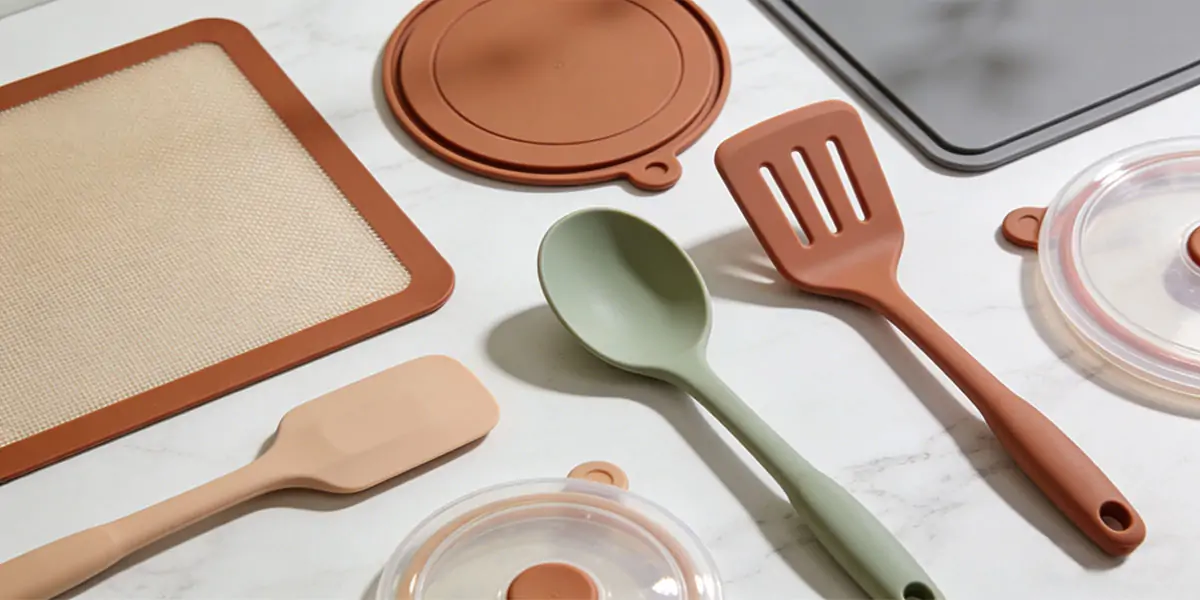
As a specialized manufacturer of custom silicone products, Siliconexy is frequently asked a specific question: Is silicone a safer alternative to traditional plastics? Indeed, silicone has gained traction as a reusable substitute for single-use plastics, appearing in a wide range of products including silicone kitchen utensils, baking mats, baby products, food storage containers, and personal care items. Yet, a critical question remains: Does silicone itself contain microplastics? Furthermore, does silicone break down into microplastics during use?
In short, the answer is no. As a material, silicone does not contain pre-formed microplastics. However, the reality is far more complex, involving aspects of materials science, degradation pathways, and specific usage conditions. This article explores the properties of silicone, how it compares to traditional plastics, and the conclusions drawn from the latest research regarding the release of microplastics.
A Clear Definition Between Microplastics And Silicone
What are Microplastics?
Before discussing the relationship between silicone and microplastics, it’s necessary to clarify what microplastics actually are to avoid confusion.
According to the European Chemicals Agency (ECHA), microplastics refer to all synthetic polymer particles with a diameter of less than 5 millimeters. These particles are organic, insoluble, and can be broken down by shear.
The European Food Safety Authority (EFSA) and ECHA use a consistent definition: plastic particles with a diameter of less than 5 millimeters are microplastics. Nanoplastics are an even smaller subcategory, generally defined as particles with a diameter between 1 nanometer and 1000 nanometers (1 micrometer).
Microplastics are divided into two categories:
- Primary microplastics: Manufactured in smaller sizes for specific applications, such as microbeads in cosmetics, abrasive cleaners, and industrial particles.
- Secondary microplastics: Substances produced when larger plastic items decompose due to environmental weathering, mechanical abrasion, ultraviolet radiation, or thermal degradation.
Traditional plastics, such as polypropylene (PP), polyethylene (PE), and polyethylene terephthalate (PET), are carbon-based polymers that are prone to decomposition under environmental stress, producing secondary microplastics that can persist for decades or even centuries.
With this definition clearly established, we can now discuss the place of silicone within this context.
What Is Silicone? Understanding Its Chemical Structure
Silicone is a synthetic polymer, but its chemical structure is fundamentally different from that of conventional plastics.
Most conventional plastics consist of long chains of repeating carbon-carbon (C–C) bonds. In contrast, silicones have an inorganic silicon-oxygen backbone (…-Si-O-Si-O-Si-O-…) with organic side groups attached to the silicon atoms. The most common silicone compound is polydimethylsiloxane (PDMS), with the repeating unit (CH₃)₂SiO.
This Si–O backbone possesses a higher bond energy than C–C bonds, providing silicones with exceptional stability against breakdown by UV irradiation, heat, and chemical exposure. Silicone is derived from silica (silicon dioxide, found in sand), which is processed with carbon and hydrocarbon sources to create the final polymer.
Because of this unique silicon-oxygen backbone, many material scientists classify silicone separately from conventional carbon-based plastics.
However, in a broad polymer classification sense, silicone is sometimes grouped under the “plastic” umbrella as a synthetic polymer. Though this classification remains debated within the industry.
What is not debated is the significant chemical difference: silicone is not a carbon-chain plastic, and it does not behave like one in most environmental contexts.
How Does Silicone Differ From Plastic?
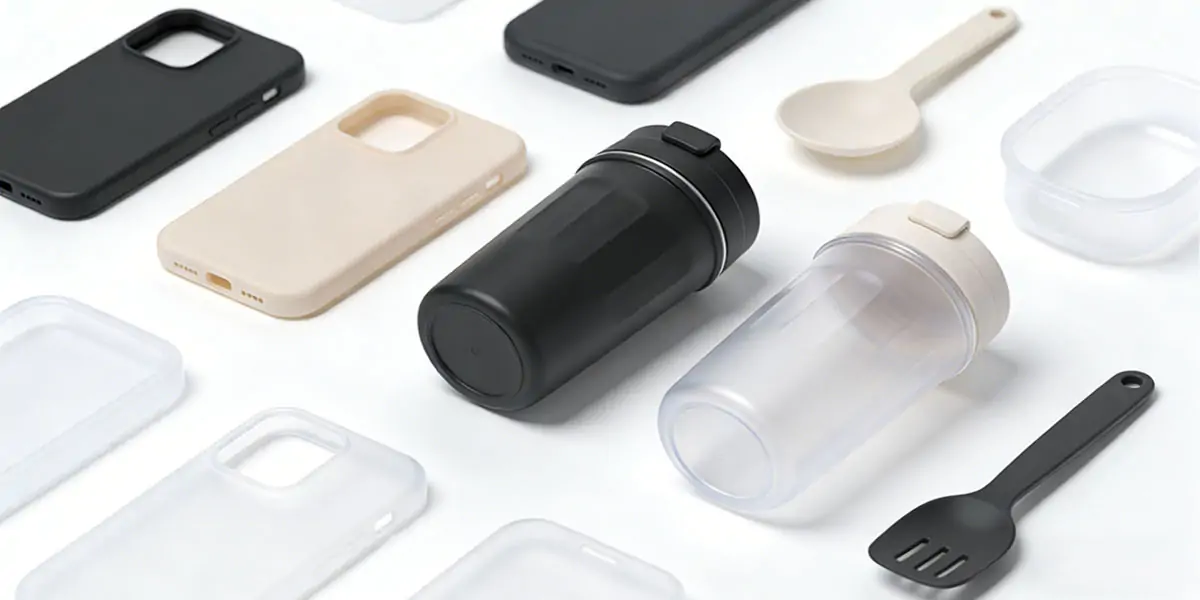
Plastic vs. silicone: While both are polymers, silicone has a higher heat resistance, flexibility, and chemical stability. These properties make it a popular choice for kitchenware, medical devices, and industrial applications.
Does Silicone Have Microplastics?
No. Pure, high-quality silicone does not inherently contain microplastics, nor does it degrade into petroleum-based microplastics. Microplastics are defined as plastic particles smaller than 5 mm. Silicone products are produced as solid, continuous polymer materials—not as collections of small particles.
Why Silicone Does Not Form Traditional Microplastics?
Chemical incompatibility: Silicone’s Si-O structure cannot fragment into carbon-based plastic particles.
Stability under normal use: Unlike plastics, silicone resists breakdown from heat, UV, and mechanical wear in typical industrial/consumer scenarios.
Degradation pathway (when it does break down): Silicone slowly depolymerizes into silica, CO₂, and water vapor—not microplastic fragments.
The confusion often arises because silicone is a polymer, and microplastics are polymer particles. But the distinction is critical: a silicone spatula is a solid object, not a source of pre-existing microparticles. The relevant question is not whether silicone contains microplastics, but whether it releases microplastic-sized particles under normal use or environmental conditions.
Does Silicone Release Microplastic-like Particles?
While silicone does not produce plastic microplastics, recent research confirms that silicone can release small silicone particles (micro/nanoparticles) under extreme conditions.
When Silicone Particles May Be Released?
- Severe mechanical abrasion: Heavy scraping, grinding, or repeated high-force friction (e.g., industrial machinery, aggressive cleaning).
- Extreme hydrothermal stress: Prolonged steam sterilization (e.g., medical devices) or superheated conditions beyond design limits.
- Aged, low-quality material: Poorly crosslinked or filler-heavy silicone may degrade faster and shed more particles.
How Does Silicone Compare to Traditional Plastics in Terms of Environmental Impact?
When evaluating silicone as an alternative, consider these factors:
- Biodegradability: Is Silicone Biodegradable? Neither silicone nor most plastics are fully biodegradable. However, silicone is more inert and less likely to break down into harmful chemical compounds in the environment.
- Durability: Silicone’s longevity means products need replacement less frequently, reducing overall waste generation. A high-quality silicone kitchen tool can last 10+ years, whereas plastic equivalents may crack or degrade in 1-2 years.
- Recycling challenges: Both materials face recycling hurdles. While some silicone products can be repurposed (e.g., ground into powder for industrial use), widespread silicone recycling infrastructure is still limited. For plastics, recycling rates vary by type, with only ~9% of all plastic waste recycled globally (per the OECD).
Silicone vs. microplastic: A Comparative Assessment
To put silicone’s microplastic characteristics in context, here is a direct comparison with conventional plastics:
| Aspect | Silicone | Conventional Plastics (PP, PE, PET, etc.) |
| Polymer backbone | Silicon-oxygen (Si–O) | Carbon-carbon (C–C) |
| Bond energy | Higher (Si–O ~452 kJ/mol) | Lower (C–C ~348 kJ/mol) |
| Microplastic release under normal use | Very low / not detected | Detectable (especially with heat, wear, UV) |
| Microplastic release under high heat (>100°C) | Detectable (research-confirmed) | Detectable (well-documented) |
| Biodegradability | Not biodegradable; can take 50–500 years to degrade | Not biodegradable; persists for centuries |
| Recyclability | Recyclable in specialized facilities | Widely recyclable but low global rates |
| Chemical additive content | Can vary; high-quality food-grade silicone uses platinum cure | Often contains BPA, phthalates, and other additives |
Does Silicone Leach Chemicals or Microplastics into Food?
For consumers using silicone kitchenware, the most immediate concern is whether silicone transfers microplastics or chemicals into food during cooking and baking.
Regarding chemical leaching:
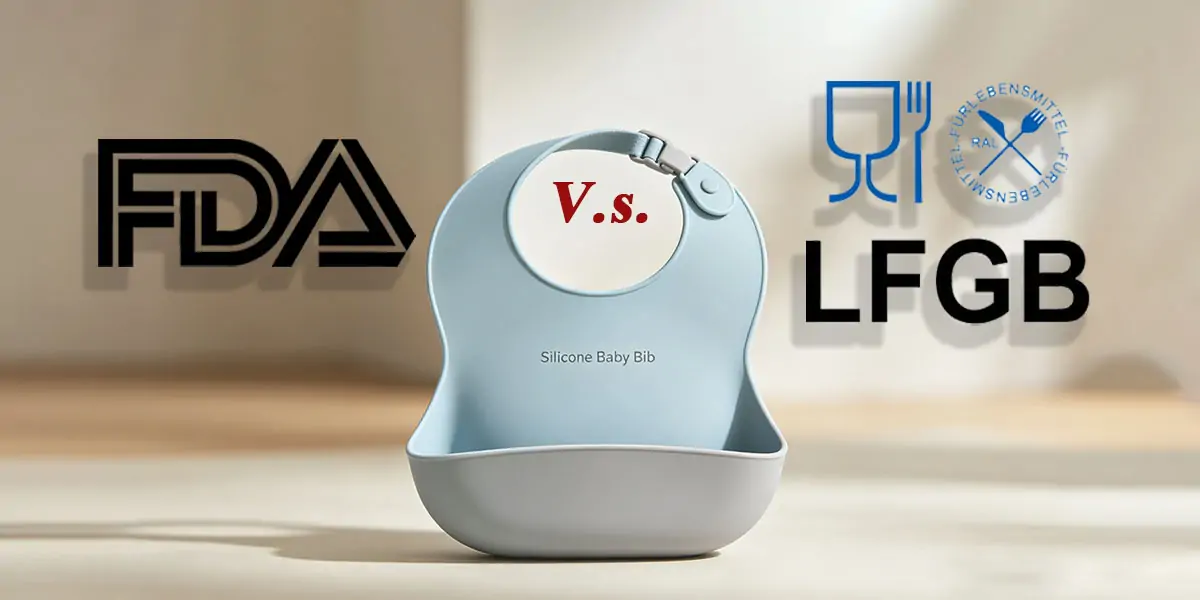
High-quality food-grade silicone must meet international safety standards, including FDA (U.S. Food and Drug Administration) and LFGB (German food safety) certifications. These agencies test products for chemical leaching, odor retention, and thermal safety to ensure the silicone meets food-contact safety laws. Food-grade silicone is generally considered non-toxic, does not contain BPA, phthalates, or PVC, and is chemically inert under normal cooking conditions.
Regarding microplastic release into food:
Under normal cooking temperatures (below 100°C, such as baking or stirring hot food), the risk of microplastic release from intact, undamaged silicone utensils is considered low based on current evidence. The documented microplastic release from silicone has occurred under more extreme conditions: repeated steam sterilization (above 100°C) and mechanical abrasion.
Practical guidance for consumers:
- Choose high-quality, certified food-grade silicone from reputable manufacturers.
- Avoid prolonged exposure to temperatures above 100°C when possible.
- Hand wash silicone items rather than using abrasive scrubbers or dishwashers with high-heat drying cycles.
- Replace silicone products when they show visible signs of surface damage, cracking, or stickiness.
- For infant feeding items requiring sterilization, consider alternative sterilization methods (e.g., cold-water sterilization) or replace nipples as recommended by manufacturers.
The Role of Quality and Certification
Not all silicone products are created equal. The safety and stability of silicone depend significantly on manufacturing quality, curing methods, and additive content.
High-quality silicone typically uses platinum-catalyzed addition reactions for vulcanization. This process does not release low-molecular by-products, and VOC emissions are less than 0.1%, well below EU limits.
Food-grade silicone must pass multiple international certifications: FDA (U.S.), LFGB (Germany), and GB 4806.11-2016 (China). These standards ensure that heavy metals (lead, cadmium, mercury) are below 0.001 ppm and that the product contains no BPA or Phthalates.
Lower-quality silicone may use peroxide curing or contain fillers and additives that can affect stability and potentially increase particle release. A legitimate factory producing certified silicone products should maintain strict quality control, including third-party testing and traceability systems.
For businesses sourcing custom silicone products, working with a reputable manufacturer that provides full certification documentation is essential to ensure material safety and regulatory compliance.
Safe Use and Disposal of Silicone Products
To minimize potential particle release and maximize sustainability:
- Proper care: Avoid using abrasive scouring pads on silicone surfaces, as this can accelerate particle shedding. Hand-washing with mild soap is recommended for most products.
- End-of-life options: Look for specialized silicone recycling programs, or repurpose old silicone products (e.g., as plant pot liners or craft materials). If recycling is not available, silicone can be disposed of in general waste, where its inert nature reduces environmental harm compared to plastics.
- Choose quality: Opt for high-density silicone products from reputable manufacturers like Siliconexy. Our custom silicone solutions are engineered for durability, with strict quality control to minimize particle release.
Conclusion: The Balanced Answer
So, does silicone have microplastics?
No, silicone, as a material, does not contain pre-formed microplastics. However, under certain severe conditions such as continuous exposure to temperatures above 100 degrees Celsius, mechanical abrasion, and long-term environmental aging, silicone may release microplastic and nanoplastic particles.
For everyday consumers using high-quality, food-grade silicone products under normal cooking and storage conditions, the risk of microplastic exposure from silicone appears to be low, and certainly lower than that from conventional single-use plastics. The documented microplastic release from silicone has primarily been observed in research settings under extreme or repeated stress conditions that do not reflect typical kitchen use.
The most responsible conclusion is this:
silicone is a useful, durable, reusable material that generally outperforms conventional plastics in terms of microplastic release under normal conditions. However, it is not a zero-risk material. Consumers should choose certified, high-quality silicone products, use them within the recommended temperature range, replace them promptly when damaged, and be aware that no synthetic polymer, including silicone, can completely eliminate environmental and health considerations.
About the Author: This article is produced by the content team at Siliconexy, a custom silicone product manufacturer with expertise in food-grade, medical-grade, and industrial silicone solutions. For more information about silicone materials, certifications, and custom manufacturing, please contact our team.