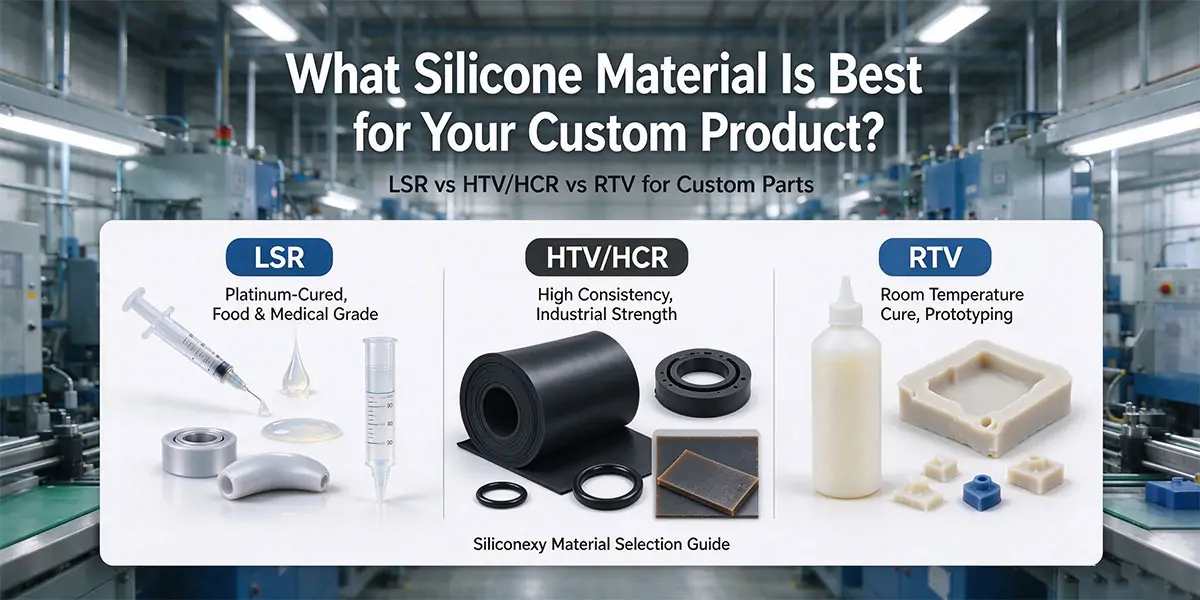
Liquid Silicone vs Solid Silicone. Silicone is a versatile elastomer used across industries for its stability, flexibility, and biocompatibility. Two primary forms dominate manufacturing: Liquid Silicone Rubber (LSR) and Solid Silicone Rubber (HTV/HCR), commonly referred to as High Consistency Rubber (HCR) and high-temperature vulcanized (HTV). Both are silicone elastomers with similar basic structures. Both are thermoset rubbers with a backbone of alternating silicon and oxygen atoms.
But their processing methods, performance characteristics, and cost structures are distinct enough to make a major difference in your final product. While both share core silicone properties, they differ drastically in material composition, processing, performance, cost, and ideal use cases.
Choosing between LSR and solid silicone (HCR) is not about which material is “better”. It is about which material fits your specific application, production volume, part geometry, and budget. Understanding the differences between these two is crucial for manufacturers, engineers, and product designers to make informed decisions based on cost, performance, and application requirements.
What Are LSR and Solid Silicone?
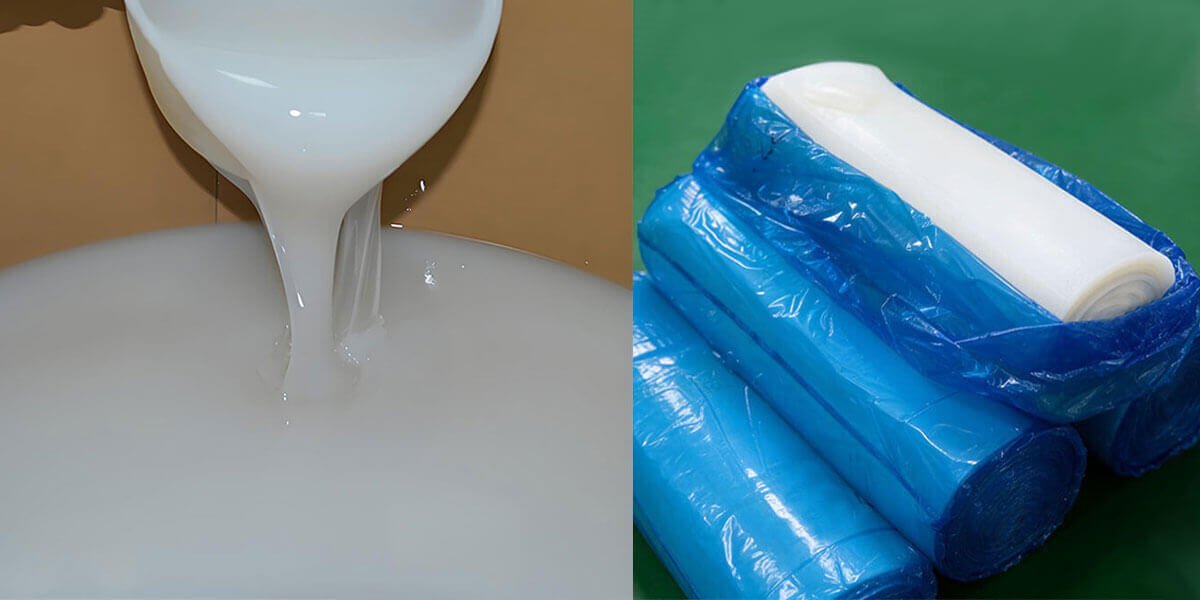
Liquid Silicone Rubber (LSR) is a two-component, low-viscosity liquid system (typically containing a platinum catalyst in Part A and a cross-linker in Part B) that cures into a flexible, durable elastomer. Its low viscosity makes it pumpable, allowing it to be automatically metered, mixed at a precise 1:1 ratio, and injected into a heated mold under pressure.
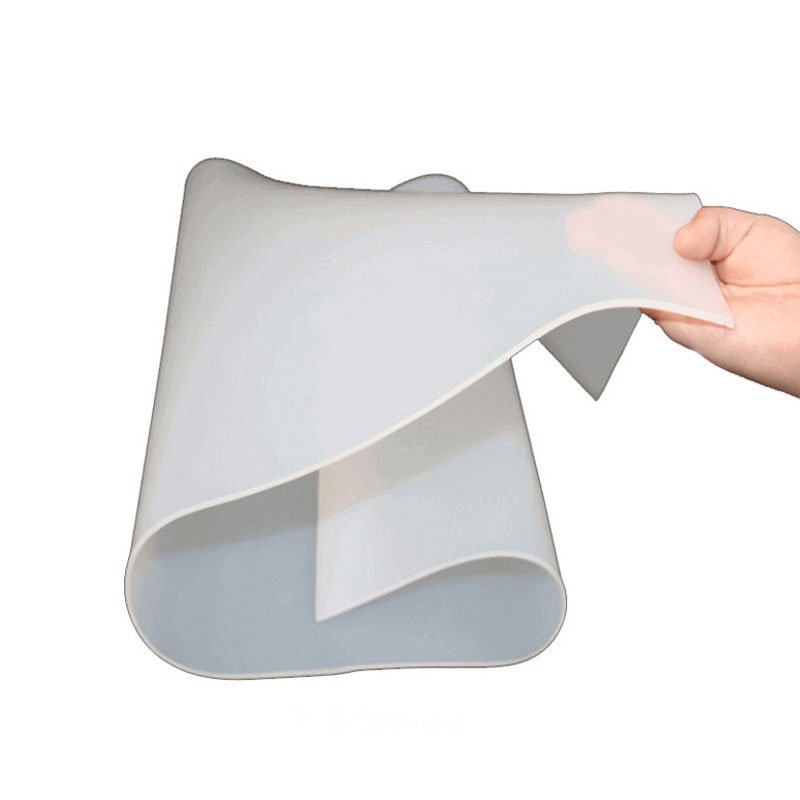
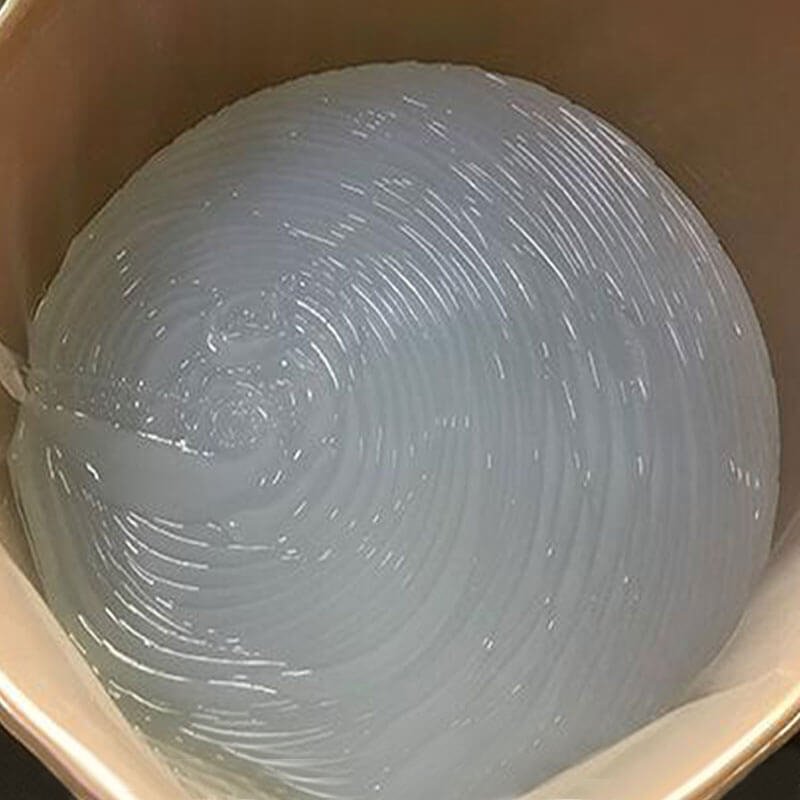
Solid silicone (High Consistency Rubber, also known as HCR or HTV) is a gum-like, high-viscosity material with a clay-like or putty-like consistency in its uncured form. It does not flow like a liquid and must be shaped through compression molding, transfer molding, extrusion, or calendering before being heat-cured. Solid silicone has a significantly higher molecular weight, often exceeding 500,000. Compared to LSR, which ranges from approximately 3,000 to 50,000.
Core Material & Processing Fundamentals
Liquid Silicone Rubber (LSR)
- Form: Low-viscosity, flowable two-part liquid (A/B components) with platinum catalyst.
- Curing: Platinum-catalyzed addition reaction; fast heat curing (120–200°C, 10–60 seconds).
- Manufacturing: Liquid Injection Molding —fully automated, closed-system injection into precision molds.
- Key Trait: High purity, minimal volatile organic compounds (VOCs), and near-zero waste production.
Solid Silicone Rubber (HTV/HCR)
- Form: High-viscosity solid bales or sheets; requires pre-mixing with fillers and curing agents.
- Curing: Peroxide or platinum vulcanization; longer cycles (160–220°C, 2–15 minutes).
- Manufacturing: Compression molding, transfer molding, or extrusion—more labor-intensive.
- Key Trait: High mechanical strength, wide hardness flexibility, and lower upfront tooling costs.
Performance Comparison: Liquid Silicone vs. Solid Silicone
Let’s compare the key mechanical and physical properties of LSR and Solid Silicone.
1. Temperature Resistance
- Liquid Silicone: Excellent high-temperature resistance, typically withstanding continuous use up to 200°C (392°F) and intermittent exposure up to 250°C (482°F). Some specialized formulations can handle even higher temperatures.
- Solid Silicone: Similar high-temperature resistance, with most grades performing well up to 200°C (392°F) continuously. Certain high-performance solid silicone rubber formulations can reach 230°C (446°F) for short periods.
Both materials offer good low-temperature flexibility, remaining functional down to -60°C (-76°F) or lower depending on the specific grade.
2. Durability & Mechanical Strength
- Liquid Silicone: Generally offers superior tear strength, elongation at break, and resistance to compression set compared to solid silicone. This makes it ideal for applications where flexibility and durability are critical.
- Solid Silicone: Provides good tensile strength and hardness options, but typically has lower tear resistance and elongation compared to LSR. However, it excels in applications requiring high compression strength.
3. Chemical Resistance
- Liquid Silicone: Excellent resistance to water, ozone, UV radiation, and many chemicals. Medical-grade LSR formulations are also resistant to bodily fluids and sterilization processes.
- Solid Silicone: Similar chemical resistance properties to LSR, with good performance against water, oils, and environmental factors. Specialized solid silicone rubber formulations can be engineered for enhanced chemical resistance.
4. Purity & Biocompatibility
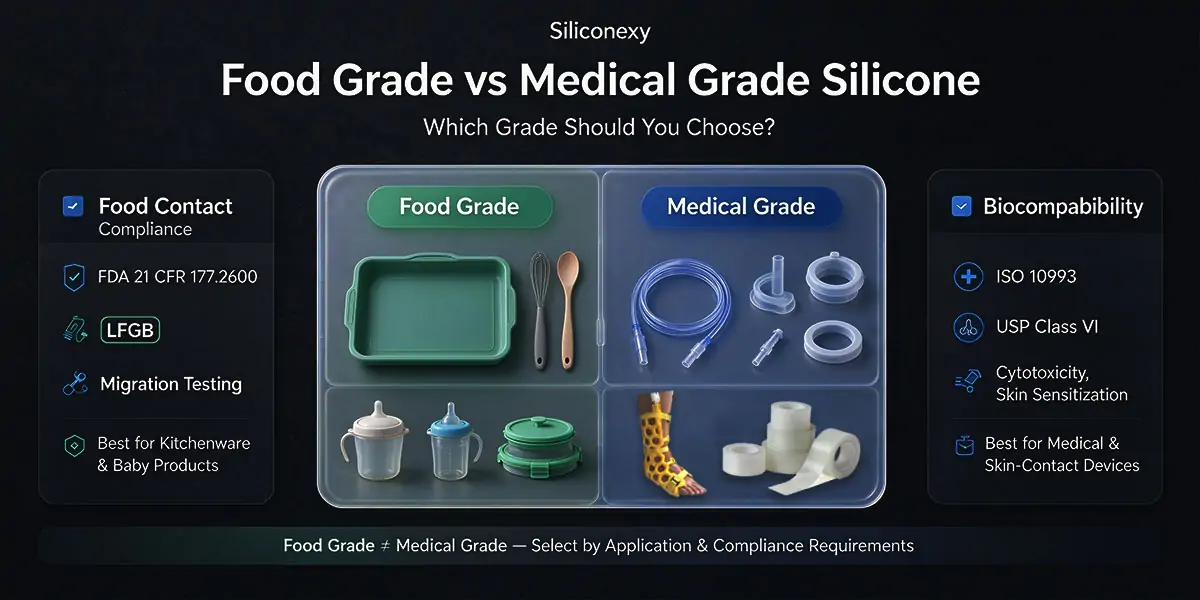
- Liquid Silicone: Offers exceptional purity, making it the preferred choice for medical, pharmaceutical, and food-contact applications. It is non-toxic, hypoallergenic, and meets strict regulatory standards (e.g., FDA 21 CFR Part 177.2600, USP Class VI).
- Solid Silicone: Can be formulated to meet food-contact and medical-grade requirements, but generally has higher levels of extractables compared to LSR. Specialized purification processes can improve purity, but at an additional cost.
Price Comparison: Liquid Silicone vs Solid Silicone
Pricing is often the first factor businesses evaluate when selecting a silicone material. The cost difference between LSR and SSR can be significant, and understanding why is essential for budget planning.
Per-Unit Production Cost
For low volumes (below approximately 20,000 units per year), HCR is typically more economical. The higher tooling cost of LSR cannot be recovered through per-unit savings at this scale.
For high volumes (above approximately 50,000–100,000 units per year), LSR becomes more cost-effective. Automation reduces labor costs, cycle times are dramatically shorter, and scrap rates are lower. Some industry estimates suggest that for volumes exceeding one million parts, LSR injection molding can achieve a 20–35% lower total cost than compression molding.
Mold Costs
Mold complexity drives cost for both materials, but LSR molds are inherently more complex. LSR molds require injection port placement, cold runner system design, exhaust system design, and precise temperature monitoring—factors that are less critical in solid silicone molds. A simple HCR mold (for O-rings or gaskets) may cost a few thousand dollars, while a multi-cavity LSR mold for complex parts like baby pacifiers can reach tens of thousands of dollars.
Cost Factors for Liquid Silicone (LSR)
- Raw Material Costs: LSR typically costs 20-50% more per kilogram than solid silicone. This is due to its higher purity levels, precise chemical formulation, and specialized manufacturing processes.
- Production Equipment: LSR requires specialized injection molding machines with precise metering systems, which represent a higher upfront investment.
- Labor Efficiency: While initial setup costs are higher, LSR’s automated production process reduces labor costs over time, especially for high-volume runs.
- Waste Reduction: LSR’s closed-system mixing and injection process minimizes material waste, which can offset some of the raw material costs.
Cost Factors for Solid Silicone (HCR/HTV)
- Raw Material Costs: Solid silicone is generally more affordable, with prices ranging from 2 to 8 per kilogram, depending on grade and customization.
- Production Equipment: Solid silicone rubber uses more conventional compression or transfer molding equipment, which is often less expensive and more widely available.
- Labor Requirements: Solid silicone production typically requires more manual labor for material preparation and mold setup, increasing per-unit labor costs.
- Waste Generation: The cutting and preparation process for solid silicone sheets can generate 10-20% material waste, adding to overall production costs.
Note: Prices vary based on material grade, color, hardness, and order quantity. Custom formulations or FDA/medical-grade certifications can increase costs for both types.
Processing and Manufacturing: Automation vs. Flexibility
The manufacturing processes for liquid and solid silicone differ significantly, impacting production efficiency, lead times, and design capabilities.
Production Process for Liquid Silicone (LSR)
- Material Preparation: LSR comes in two components (base and catalyst) that are mixed in a precise 1:1 ratio just before injection.
- LSR Injection Molding: The mixed material is injected into a mold cavity under high pressure.
- Curing: LSR cures quickly at high temperatures (typically 120-180°C) within the mold, reducing cycle times.
- Demolding & Finishing: Parts can be demolded immediately after curing, with minimal post-processing required.
Key advantages of LSR processing:
- High automation: Minimal manual labor; robotic systems can automatically extract finished parts.
- Low waste: Cold runner systems produce little to no flash or scrap. Some sources indicate scrap rates below 1%.
- Complex geometries: LSR’s low viscosity (5,000–20,000 mPa·s) allows it to fill cavities as thin as 0.1 mm and reproduce fine surface textures with high fidelity.
Production Process for Solid Silicone (HCR/HTV/SSR)
- Material Preparation: Solid silicone is supplied as a gum or sheet that must be cut, weighed, and preformed before molding.
- Compression Molding: The preformed material is placed in a compression or transfer mold and subjected to heat and pressure.
- Curing: Solide silicone rubber requires longer curing times (typically several minutes at 150-200°C) compared to LSR.
- Demolding & Finishing: After curing, parts are demolded and may require trimming of flash or additional finishing processes.
Key characteristics of HCR processing:
- Lower upfront investment: Equipment costs are significantly lower than LSR injection molding systems.
- More manual labor: Flash must be trimmed after molding, increasing labor costs.
- Greater flexibility for small runs: Tooling can be simpler and lead times shorter for prototypes or low-volume orders.
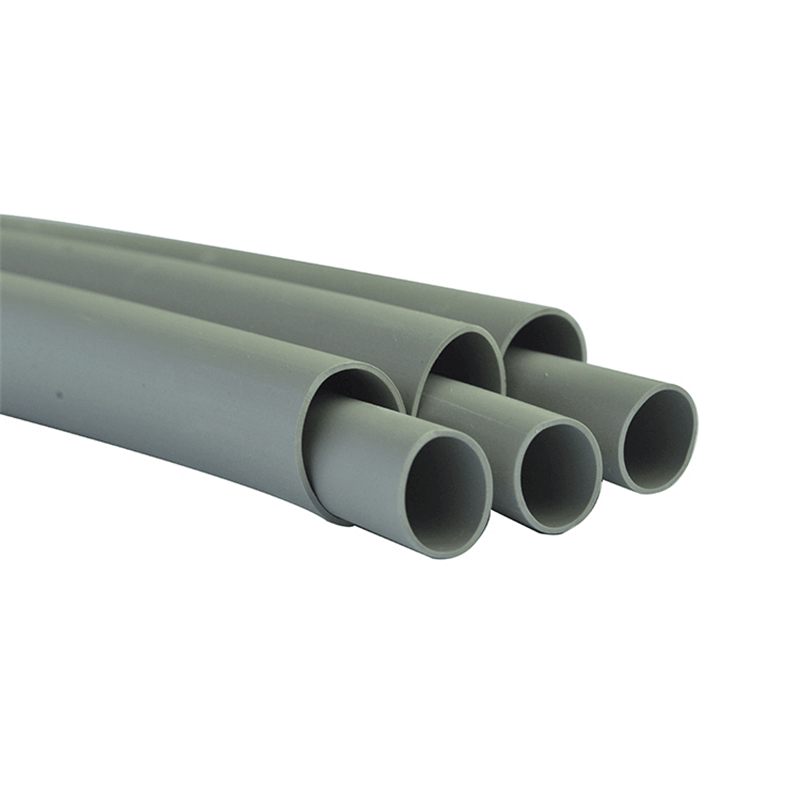
For silicone extrusion—such as silicone tubing, ribbons, or seals—HCR is the dominant material. Extrusion forces the HCR through a die to form a continuous profile, which is then heat-cured in an oven.
Production Efficiency Comparison
- Liquid Silicone: Faster cycle times, automated material handling, and minimal waste make LSR highly efficient for high-volume production.
- Solid Silicone: Longer setup and curing times, combined with more manual labor, make solid silicone rubber less efficient for large-scale production but more flexible for small runs or custom parts.
Design Flexibility
- Liquid Silicone: Ideal for complex geometries, thin walls, and intricate details due to its low viscosity and precise injection capabilities. It can also overmold onto other materials (e.g., plastic, metal) effectively.
- Solid Silicone: Suitable for simpler designs and larger parts, but may struggle with very thin walls or intricate details due to its higher viscosity and molding process limitations.
Application Guide: When to Choose LSR vs. Solid Silicone?
Understanding the ideal applications for each silicone type is crucial for selecting the right material for your product.
Choose LSR when:
- High precision and tight tolerances are required (e.g., medical connectors, electronic seals, optical lenses).
- Parts have complex geometries, thin walls (<1 mm), or fine surface details such as micro-textures or logos.
- High-volume production (typically above 50,000–100,000 units per year) justifies the upfront tooling investment.
- Medical, baby, or food-contact applications require platinum-cured purity and biocompatibility.
- Overmolding onto metal or plastic inserts is required—LSR’s flow characteristics allow it to bond effectively with other materials.
- Automated, cleanroom manufacturing is necessary for regulatory compliance.
Typical LSR applications: Baby pacifiers and bottle nipples, medical catheters and respiratory masks, implantable device components, optical lenses, electronic waterproof seals, kitchenware (baking molds, spatulas), and wearable device components.
Best Applications for Liquid Silicone (LSR)
- Medical Devices: Catheters, surgical instruments, respiratory masks, and implantable components due to its purity and biocompatibility.
- Baby Products: Pacifiers, bottle nipples, and teething toys where safety and durability are paramount.
- Kitchen & Food Contact: Seals, gaskets, and kitchen utensils that require FDA approval and resistance to high temperatures.
- Electronics: Encapsulation for sensors, connectors, and other electronic components that need protection from moisture and environmental factors.
- Aerospace & Automotive: Gaskets, seals, and vibration dampeners that require high performance under extreme conditions.
Choose Solid Silicone (HCR) when:
- Lower upfront investment is a priority, particularly for prototyping, small batches, or market testing (typically below 20,000 units per year).
- Parts are large, thick-walled, or geometrically simple, where the precision of LSR is unnecessary.
- High mechanical strength and tear resistance are critical for durability under stress.
- A wide hardness range (from very soft to very hard) is required—HCR offers greater flexibility.
- Extruded profiles (tubing, seals, gaskets) are needed.
- Multiple colors in a single part are required—HCR is generally easier to work with for multi-color products.
Typical HCR applications: Automotive gaskets, seals, and hoses; industrial O-rings; spark plug boots; silicone tubing; keyboard keypads; appliance handles; pet products; and durable consumer goods such as kitchen utensil handles.
Best Applications for Solid Silicone (SSR/HTV)
- Industrial Gaskets & Seals: Large-scale seals for machinery, pipelines, and automotive applications where cost is a primary concern.
- Consumer Goods: Kitchen utensils, baking mats, and silicone molds where high temperature resistance is needed but ultra-purity is not critical.
- Electrical Insulation: High-voltage insulators, cable jackets, and connectors that require good dielectric properties.
- Textiles & Coating: Fabric coatings for flame resistance, weatherproofing, and durability.
- Construction: Sealants, adhesives, and weatherstripping for buildings and infrastructure.
Conclusion
Neither LSR nor solid silicone is universally superior. The right choice depends entirely on your specific requirements: part geometry, production volume, budget for tooling, regulatory needs, and performance specifications.
For high-volume, high-precision, safety-critical applications, especially in medical, baby, or food-contact markets. LSR is typically the appropriate choice despite its higher upfront cost.
For lower volumes, larger parts, simpler geometries, or applications where maximum mechanical strength is the priority, solid silicone (HCR) often delivers better value.
Before placing an order, verify your supplier’s certifications (ISO 9001, FDA, LFGB as applicable), request material test reports, and approve physical samples. A disciplined sourcing approach will ensure that whichever material you choose, your final product meets your quality, safety, and cost expectations.