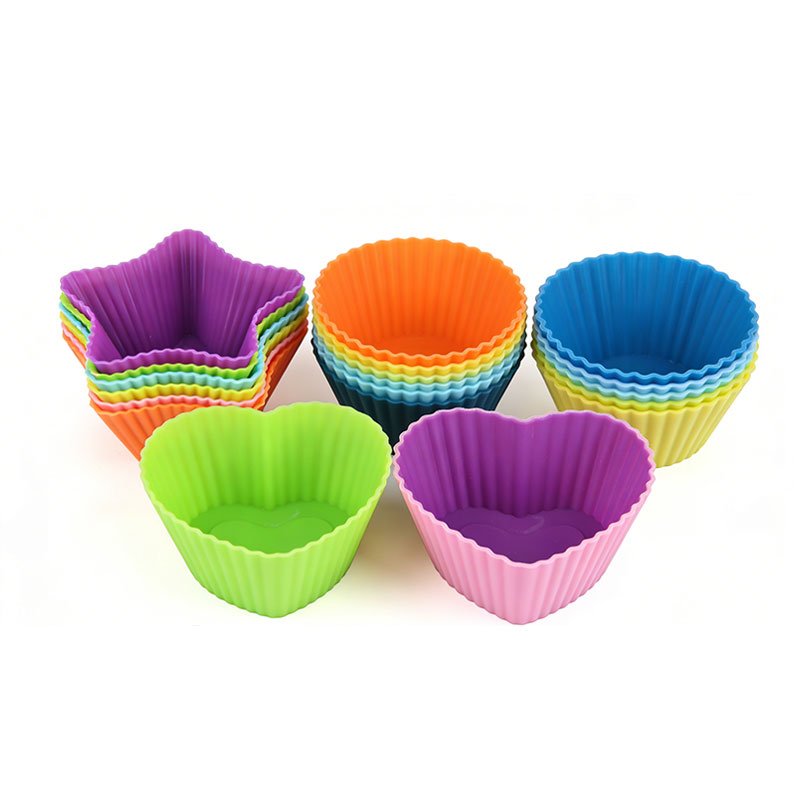
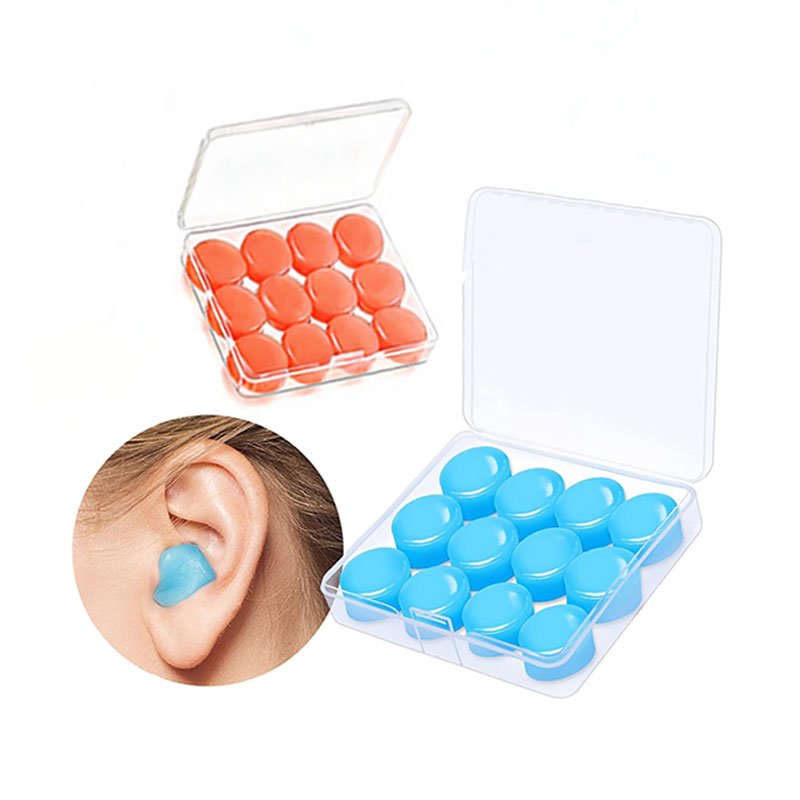
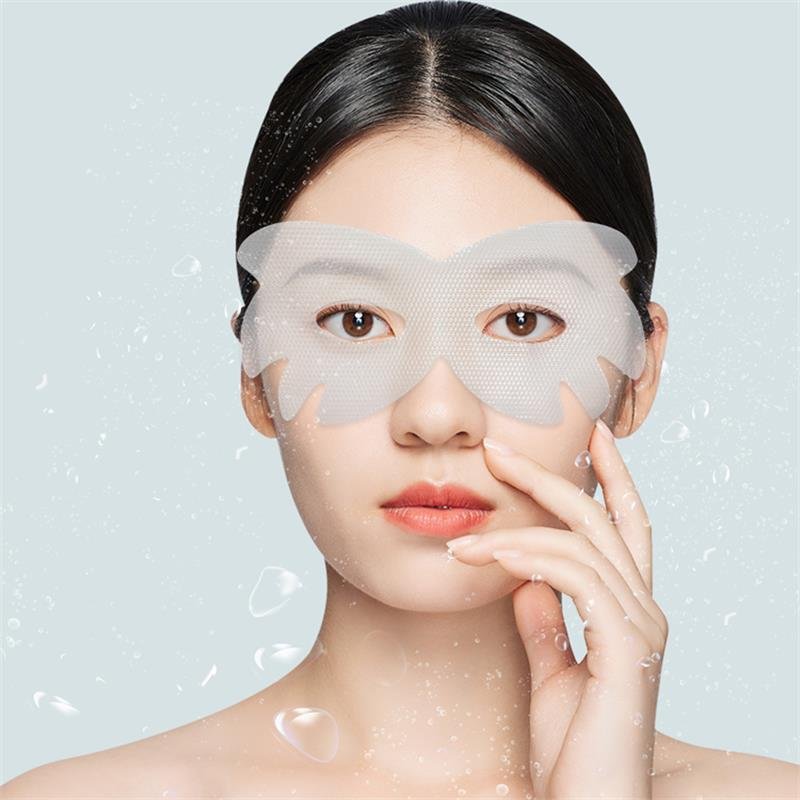
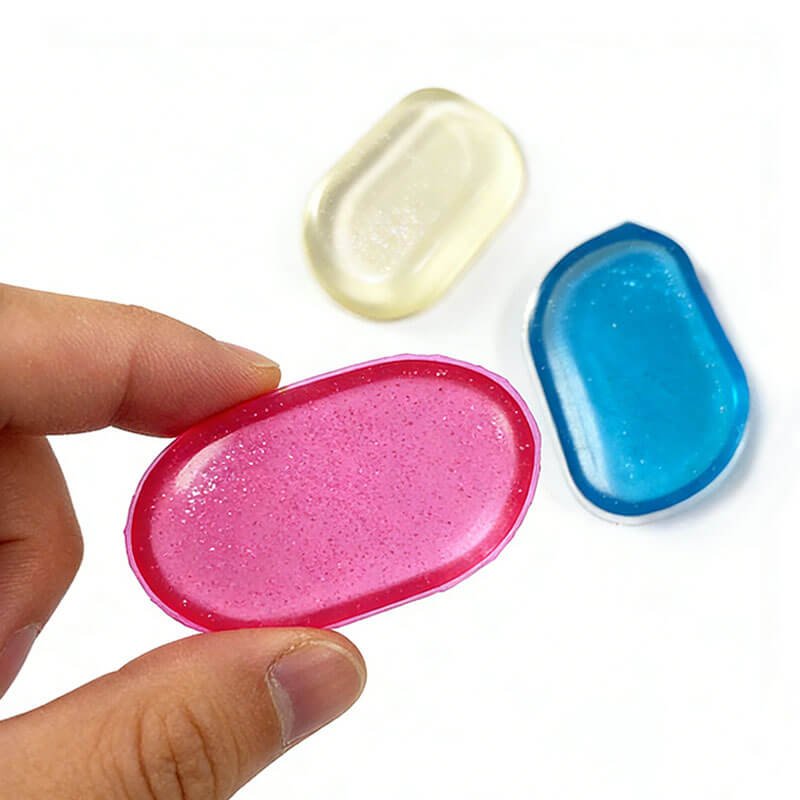
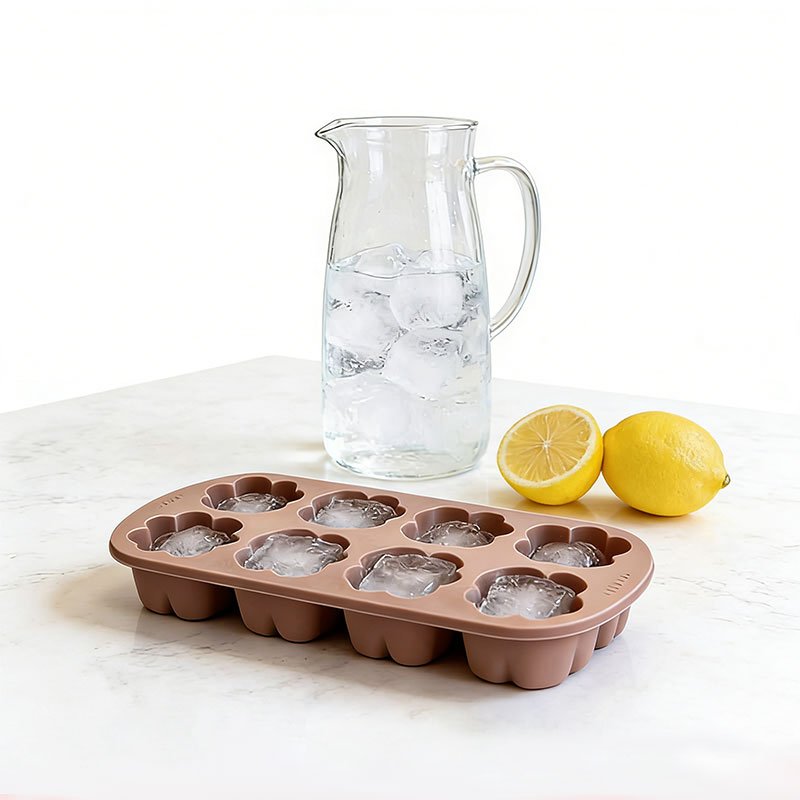
If you or your customers live with a natural rubber latex allergy, one critical question emerges when sourcing rubber-like flexible goods: Does silicone contain latex? This confusion is extremely common among business buyers, parents, medical facility procurement teams, and kitchen brand operators. Silicone and latex share soft, elastic textures, leading many to mistakenly group them as identical allergen-bearing materials.
So, Does Silicone Contain Latex? The short answer is no. In its pure form, silicone does not contain latex. These two materials come from completely different sources and have distinct chemical structures. However, given the complexity of production, cross-contamination or mixed formulations can sometimes occur in some low-quality products. Therefore, there are some important considerations to be aware of.
As a professional custom silicone product manufacturer operating siliconexy.com with in-house molding, and compounding. Our engineering and quality control teams resolve this material safety question daily for global wholesale, OEM and ODM clients.
In this article, we’ll break down the science behind silicone vs. latex, address common misconceptions, and help you make informed purchasing decisions for custom silicone products.
Silicone vs. Latex: What Are They Chemically?
To understand whether silicone contains latex, you first need to know how these materials are made. They are fundamentally different.
What Is Latex?
Latex refers to a milky fluid derived from the rubber tree (Hevea brasiliensis). This natural product contains proteins that can trigger allergic reactions in sensitive individuals. After collection, the fluid undergoes processing (typically the Dunlop or Talalay method) to become natural rubber latex. There are also synthetic latex products made from petroleum-based compounds. But when people speak of “latex allergy”, they are almost always referring to natural rubber latex, as it contains the allergenic proteins.
Common latex products include: Rubber gloves, Balloons, Condoms, Adhesives, etc.
What Is Silicone?
Silicone is a synthetic polymer built on a backbone of alternating silicon and oxygen atoms with base molecular components limited to silicon, oxygen, carbon, and hydrogen. No natural plant-derived ingredients enter pure silicone compound production. It belongs to a class of materials called elastomers. Unlike latex, which is carbon-based and organic, silicone is an inorganic polymer with superior thermal stability and chemical inertness. Its molecular structure does not contain the proteins found in natural rubber latex.
It’s produced through a complex manufacturing process that creates a versatile material with:
- Temperature resistance: Stable from -60°C to 230°C (-76°F to 446°F)
- Biocompatibility: Used in medical implants, baby products, and food-safe applications
- Durability: Resistant to UV rays, ozone, and chemicals
- Flexibility: Maintains elasticity across wide temperature ranges
There is zero inherent cross-reactivity between pure silicone and natural latex at the molecular level. The medical dermatology and biocompatibility testing confirm silicone cannot trigger a latex-specific immune response on its own.
At Siliconexy, we use 100% food-grade or medical-grade silicone in our custom products, ensuring no latex or other harmful additives are present.
Why People Confuse Silicone and Latex?
Despite being unrelated materials, confusion often arises due to:
- Similar textures: Both materials can be soft and flexible, leading to visual and tactile similarities.
- Industry terminology: Some manufacturers use “silicone rubber” as a general term, which might mistakenly imply a connection to natural rubber (latex).
- Mixed-material products: A small number of products may combine silicone with latex-based adhesives or coatings (always check product labels carefully).
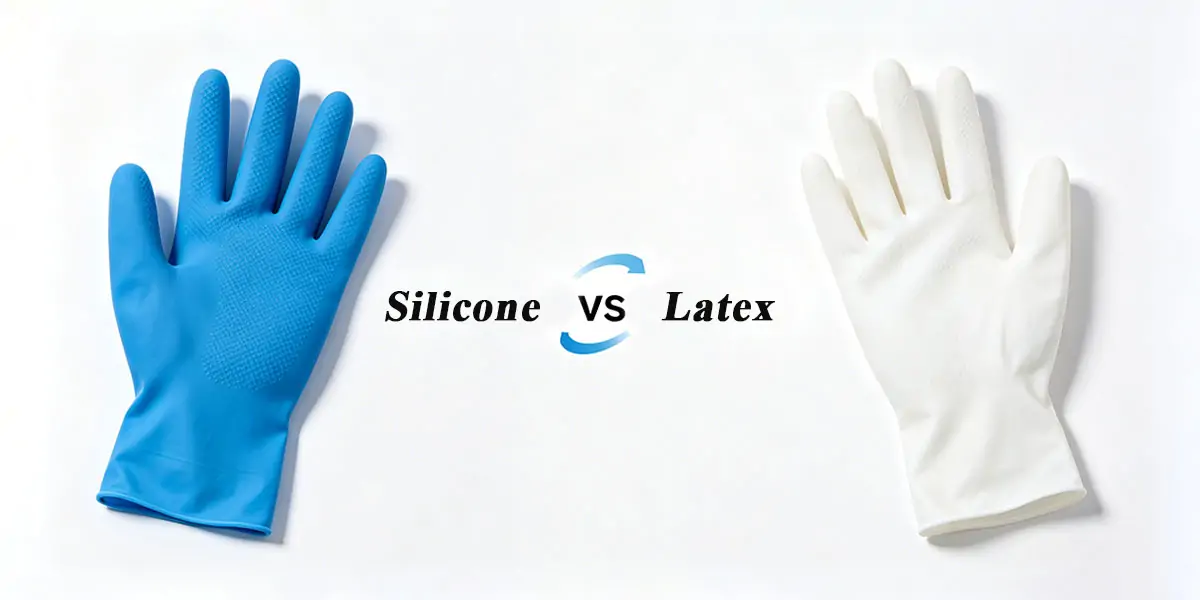
Does Silicone Contain Latex?
While raw silicone is inherently latex-free, minor cross-contamination risks can exist in low-standard production environments, which is why reputable silicone manufacturers implement dedicated latex-free production protocols.
These rare contamination scenarios are factual:
Shared production lines with natural rubber latex goods
Factories that produce both latex rubber parts and silicone components without dedicated tooling, separate mixing rooms, or full line deep cleaning risk trace latex protein residue transferring onto silicone surfaces.
At Siliconexy, we maintain fully isolated latex-free production workshops for all medical, infant, and food-contact silicone custom orders to eliminate this risk entirely.
Composite multi-material finished goods
Some hybrid consumer products combine silicone outer layers with latex rubber internal foam, grips, or adhesive backings. Only the silicone shell is latex-free; auxiliary latex components introduce allergens for sensitive users. We advise business clients to request full material breakdowns for all custom composite silicone designs.
Low-cost untested silicone additives
Generic bargain silicone fillers, colorants, or bonding agents from unregulated raw material suppliers may carry trace latex contaminants from third-party compounding facilities.
Our facility exclusively sources food-grade silicone compounds with SGS batch test certificates verifying no latex, natural rubber, or allergenic protein residues.
Is Silicone Safe for People With Latex Allergies?
For individuals diagnosed with mild to severe natural rubber latex sensitivity, certified pure silicone is universally recommended as a primary hypoallergenic alternative by healthcare material safety guidelines:
- Mild latex allergy (contact rashes, itching): Platinum-cured food/medical grade silicone poses no trigger risk for daily contact use (silicone baby bibs, silicone kitchen utensils, silicone medical tubing).
- Severe latex allergy (respiratory irritation, anaphylaxis history): Only silicone manufactured in dedicated latex-free production zones with full third-party allergen testing is advised to eliminate trace cross-contamination hazards.
Important objective clarification to avoid false certainty:
Silicone allergy exists but is extremely rare, completely separate from latex allergy. Any skin irritation that occurs after contact with silicone is due to a rare allergic reaction to the silicone curing agent or pigment, not to latex proteins, and does not indicate latex cross-reactivity. Always recommend dermatologist consultation for persistent skin reactions regardless of material choice.
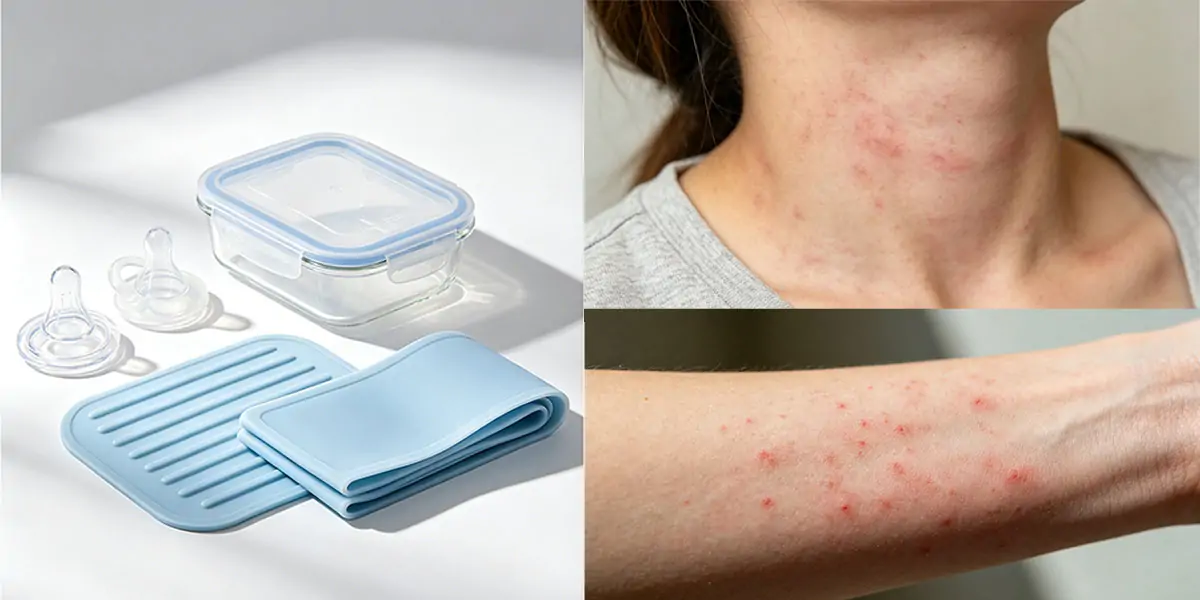
Why Silicone is the Ideal Latex Alternative?
Silicone offers several advantages over latex for both manufacturers and end-users:
For Allergic Individuals
- Hypoallergenic: No natural rubber proteins to trigger reactions
- Safe for sensitive skin: Used in baby nipples, medical devices, and personal care products
- Consistent quality: Synthetic production ensures no batch-to-batch variations in allergen content
For Manufacturers
- Design flexibility: Can be molded into complex shapes with high precision
- Longevity: Resists degradation from heat, chemicals, and UV exposure
- Regulatory compliance: Easy to meet FDA, EU, and other international safety standards
At Siliconexy, we’ve helped thousands of customers transition from latex to silicone products, providing custom solutions for industries including: silicone baby products, silicone kitchenware, silicone pet products, consumer silicone products, medical devices, and industrial seals and gaskets.
Silicone in Medical Applications: Latex-Free and Biocompatible
One of the strongest pieces of evidence that silicone is latex-free comes from the medical industry, which widely uses silicone as a latex-free alternative.
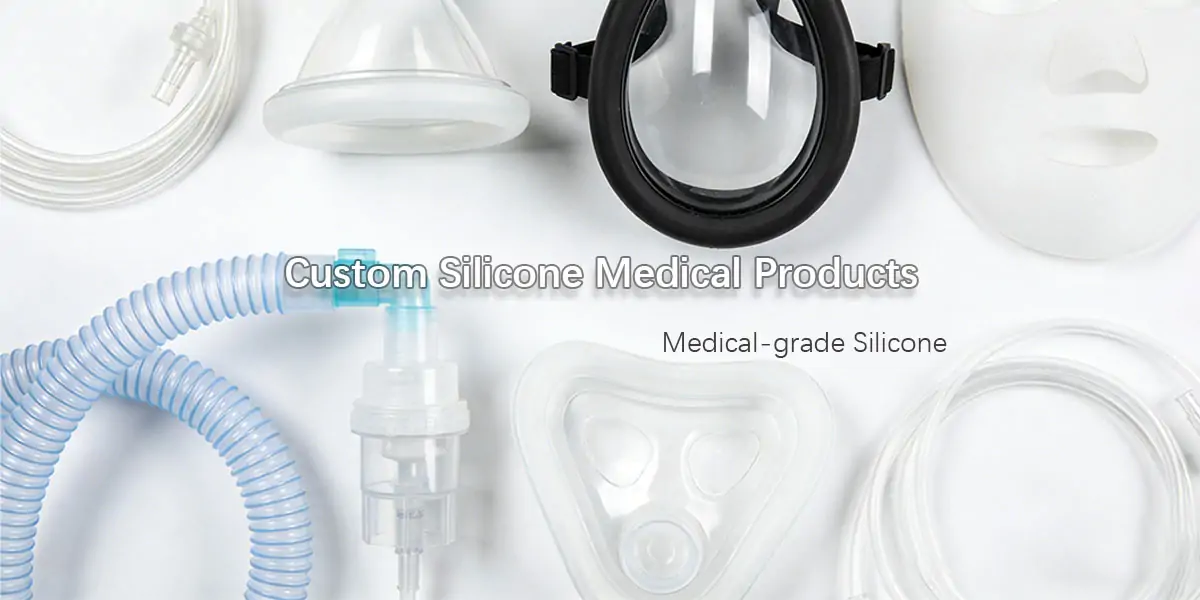
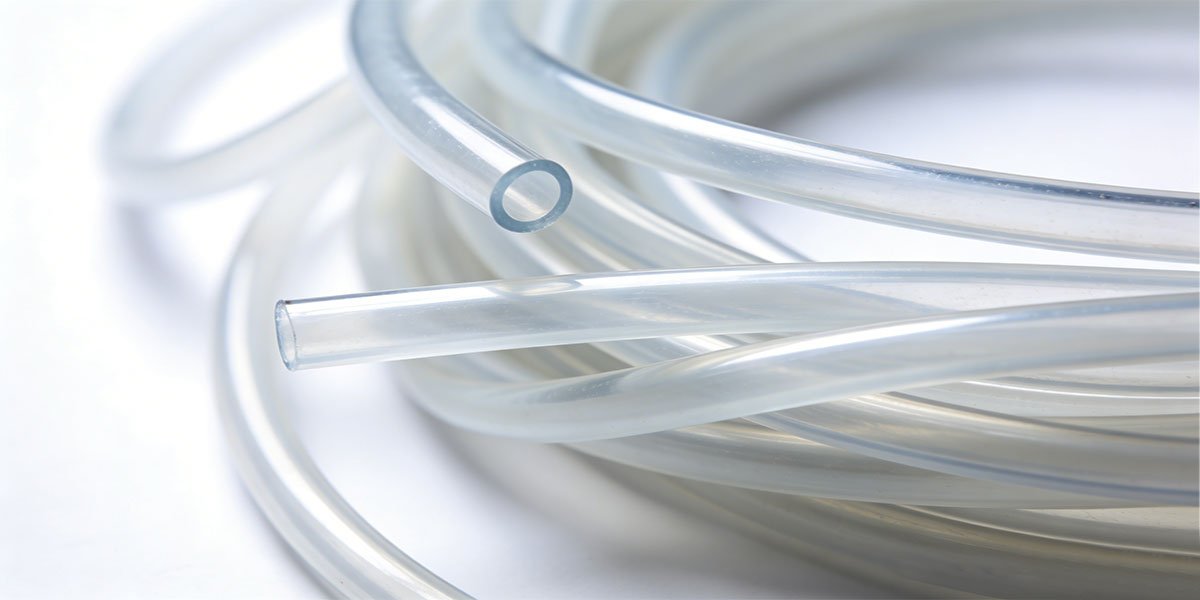
- Medical-Grade Silicone Tubing: Leading manufacturers of medical-grade silicone tubing explicitly state that their products are latex-free, thus reducing the risk of allergic reactions in patients and healthcare professionals. High-quality medical-grade silicone tubing is described as “phthalate and latex-free; odorless and non-toxic,” meeting FDA standards for safety and reliability in medical settings.
- FDA and Medical Grade Silicone: Medical grade silicone undergoes rigorous testing to ensure it is compatible with human tissues and fluids. This testing guarantees that the material does not cause irritation, toxicity, or allergic reactions, confirming it is safe for direct contact with the human body.
Medical grade silicone complies with FDA and USP Class VI requirements, which represent some of the strictest biocompatibility standards in the world.
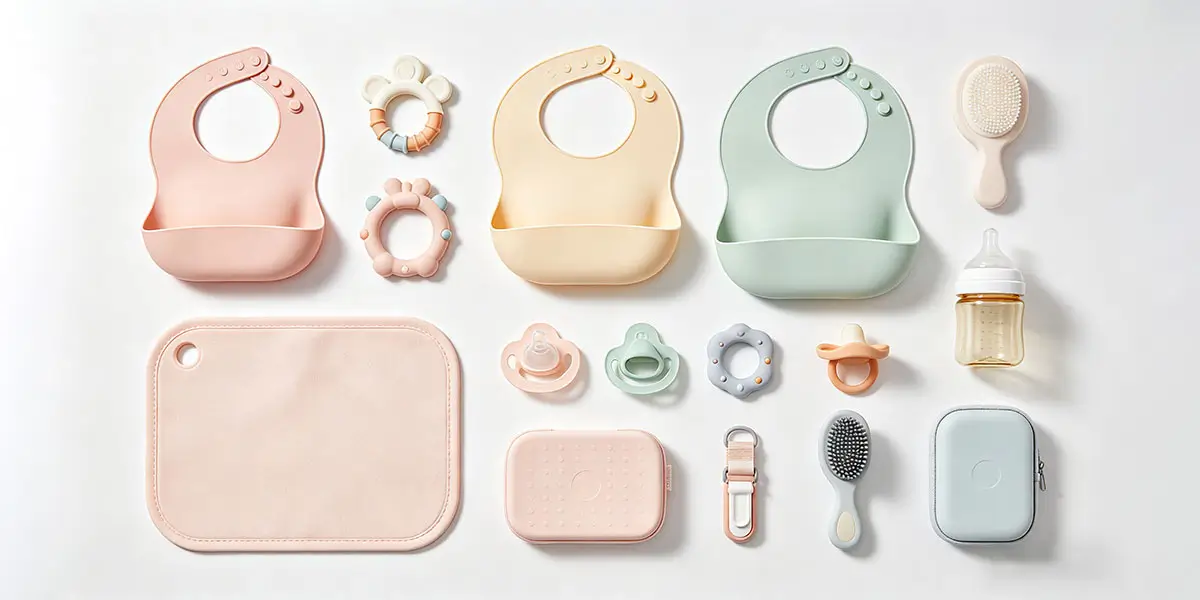
Silicone in Baby Products: The best Latex-Free Choice for Parents
The baby products industry has widely adopted silicone as a safe, latex-free alternative to natural rubber.
The Siliconexy‘s silicone baby teether is “made from 100% food grade and FDA approved silicone” and is “free of all harsh chemicals including BPA, PVC, Phthalates, Latex and Lead”. Silicone bottle nipples are “latex-free, Phthalate-free, Nitrosamine-free, BPA-free, PET-free, PVC-free, Lead-free”.
Why is silicone preferred over latex for baby products? The main difference is that latex is a natural product whereas silicone is synthetically produced. Both have their own special characteristics, but silicone eliminates latex allergy concerns.
Silicone in Kitchenware: Safe, Heat-Resistant, and Latex-Free
Silicone kitchen utensils are another product category where “latex-free” is a standard specification.
Silicone Kitchen utensils labeled “latex-free” are widely available:
- “Completely free of BPA and latex. These heat resistant kitchen cooking tools can be used up to 230°C”.
- Certified as “free from BPA, Lead, Phthalates, Mercury, PVC and Latex,” silicone utensils are heat resistant up to 260°C and will not scorch or melt in contact with high heat.
- Food-grade silicone that complies with FDA offers excellent characteristics including high temperature resistance, flex resistance, easy cleaning, and anti-aging properties.
Why Silicone Over Latex in the Kitchen?
Latex degrades with heat and UV exposure, making it unsuitable for high-temperature kitchen use. Silicone, on the other hand, is heat-stable, chemically inert, and will not leach chemicals into food. Many experts consider silicone a safer choice than plastic in the kitchen because it is more heat-stable and less likely to leach additives such as phthalates.

Silicone Sealants: Are They Latex-Free?
The answer depends on the specific product. Pure silicone sealants are latex-free and made from silicone polymers. However, some sealants marketed as “siliconized acrylic latex” contain both silicone and latex components.
Pure Silicone Sealants
Products like Wacker’s ELASTOSIL® series are one-component silicone sealants that cure at room temperature to form permanently flexible silicone rubber. These do not contain latex.
Hybrid “Siliconized Latex” Sealants
Some products are formulated as “siliconized acrylic latex sealants.” These contain both silicone and acrylic latex components. Peri-Bond (PB3) Latex, for example, is described as a “premium quality one component, paintable, non-sag, low odor, mildew resistant siliconized acrylic latex sealant”.
Buyer’s Note
If you have a latex allergy and are purchasing sealants or adhesives, always check the product label or safety data sheet (SDS) . Products labeled only as “silicone sealant” are generally latex-free. Terms like “acrylic latex,” “latex-based,” or “siliconized acrylic latex” indicate the presence of latex.
How to Ensure Your Silicone Products Are Latex-Free?
For buyers with latex allergies or strict material requirements, follow these guidelines:
Look for Explicit “Latex-Free” Labeling
Reputable manufacturers will clearly state “latex-free” on product packaging or technical data sheets. For medical products, certifications such as FDA 21 CFR 177.2600 and USP Class VI are strong indicators of safety and purity.
Choose a Reputable Manufacturer
Work with suppliers like Siliconexy that:
- Provide detailed material safety data sheets (MSDS)
- Offer third-party testing certifications (e.g., FDA, LFGB, REACH)
- Specialize in 100% silicone products without mixed materials
Ask for Documentation
Request:
- Latex-free test reports
- Material composition certificates
- Compliance with international standards (ISO 10993 for medical applications)
Avoid Ambiguous Product Descriptions
Be wary of terms like:
- “Rubber silicone” (may indicate blended materials)
- “Natural silicone” (a misnomer—silicone is always synthetic)
- “Latex alternative” (doesn’t guarantee pure silicone)
If You Suspect an Allergy, Seek Medical Testing. For those who experience reactions even when using pure silicone products, consultation with an allergist for patch testing is recommended to confirm the specific allergen.
Conclusion
Silicone does not naturally contain latex. These two materials are chemically distinct, with different origins, molecular structures, and properties. Pure silicone is a synthetic polymer that does not contain the allergenic proteins found in natural rubber latex.
However, caution is still warranted: some lower-quality products labeled “silicone” may contain fillers, and manufacturing cross-contamination is theoretically possible in unregulated facilities. Additionally, while extremely rare, genuine allergic reactions to silicone have been documented in medical literature.
For most consumers (including those with latex allergies), high-quality, properly labeled silicone products from reputable brands offer a safe, effective, and latex-free alternative across applications including medical devices, baby products, kitchenware, and general household items.

Contact Siliconexy for Latex-Free Custom Silicone Products
If you’re looking for a reliable supplier of 100% latex-free silicone products, Siliconexy is here to help. Our team of experts can:
- Design custom silicone components tailored to your specifications
- Provide material safety documentation and certifications
- Offer competitive pricing for small to large production runs
Get in touch today to discuss your project requirements or request a free sample of our latex-free silicone materials.
Frequently Asked Questions
Q1: Does all silicone contain latex?
- A: No. Pure silicone polymer raw material has zero natural rubber latex by chemical composition. Trace latex can only appear via external production cross-contamination or composite multi-material add-ons, which dedicated latex-free manufacturing eliminates entirely.
Q2: Can someone with a latex allergy use silicone products safely?
- A: Yes, when sourced from certified latex-free silicone manufacturers with isolated production facilities. Pure silicone contains no latex proteins and cannot trigger latex-specific allergic responses. Rare silicone skin sensitivity is unrelated to latex allergy.
Q3: Is there cross-reactivity between silicone and latex?
- A: Medical material testing confirms no molecular cross-reactivity between silicone and natural rubber latex. Any dual skin sensitivity to both materials represents two separate rare allergies, not cross-triggering between the two materials.
Q4: How to verify a silicone product is truly latex-free before bulk custom ordering?
- A: Request three critical documents from your silicone factory: 1) Raw silicone batch COA allergen test reports; 2) Production facility latex-free workshop audit records; 3) Finished product third-party allergen screening certificates.
Q5: What is platinum cured silicone, and is it latex-free?
- A: Platinum-cured silicone uses a platinum catalyst curing system with minimal residual additives; all standard platinum silicone compounds manufactured by reputable suppliers are inherently latex-free, making this grade the top choice for latex-sensitive medical and infant applications.