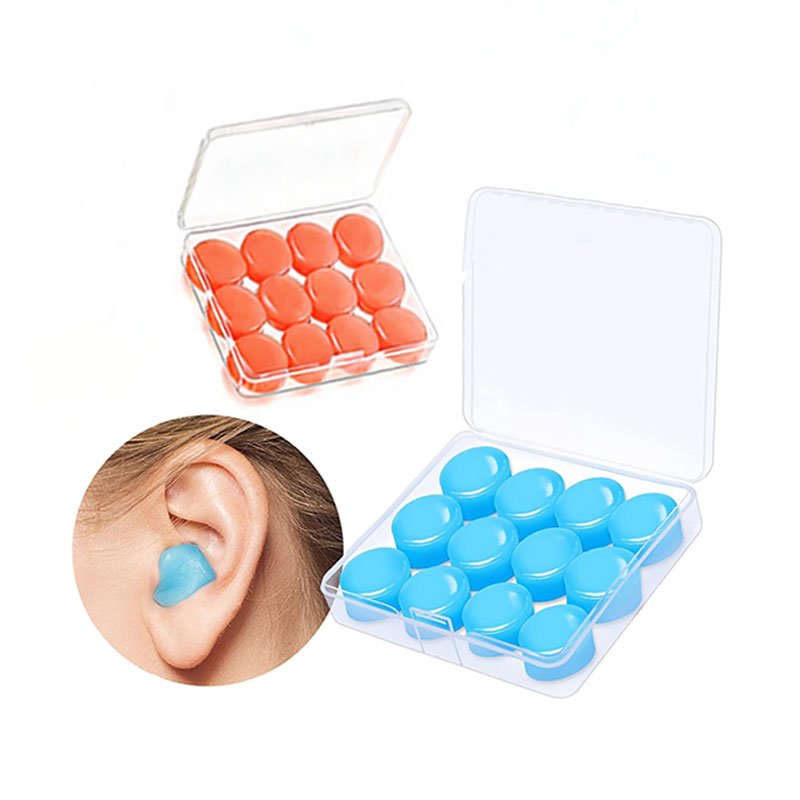
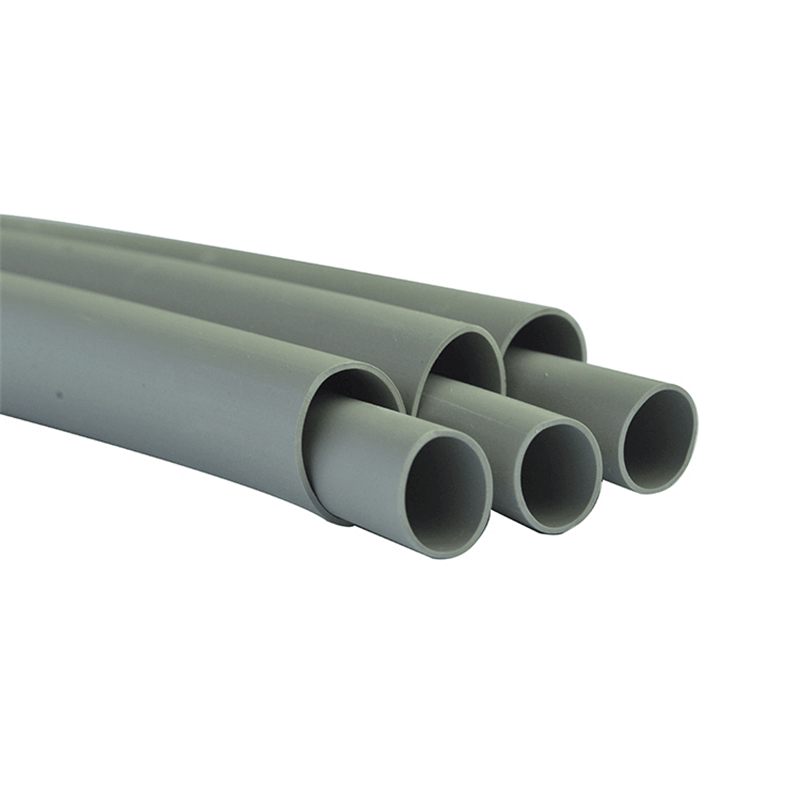
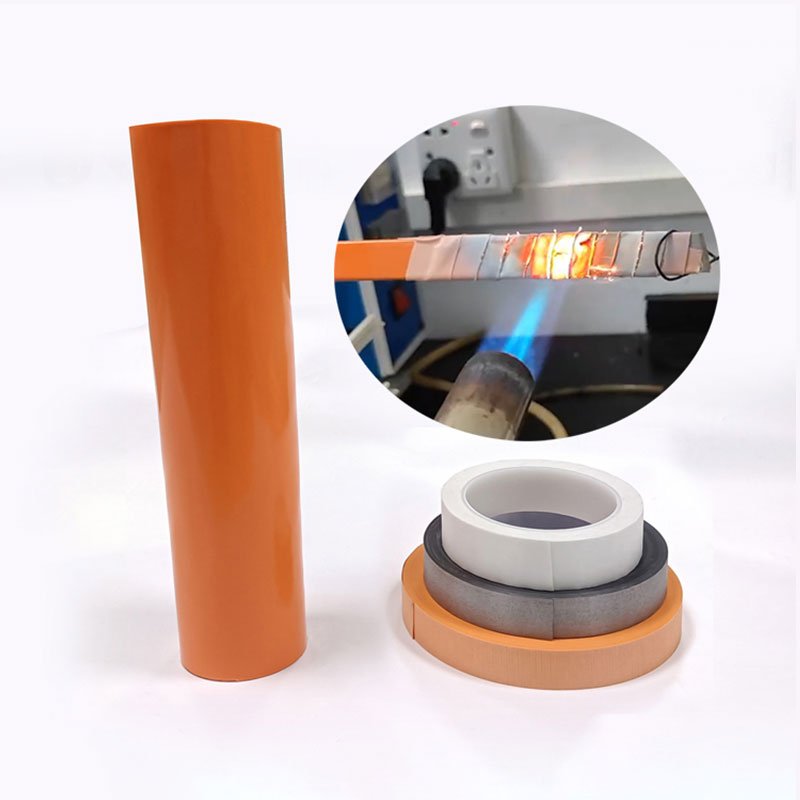
With rising concerns about microplastics, chemical leaching, and plastic pollution, many consumers and businesses are asking a straightforward question: Is silicone better than plastic? The short answer is: it depends on what you prioritize. Both materials have established roles across industries, but their performance, sustainability, and long-term value vary significantly.
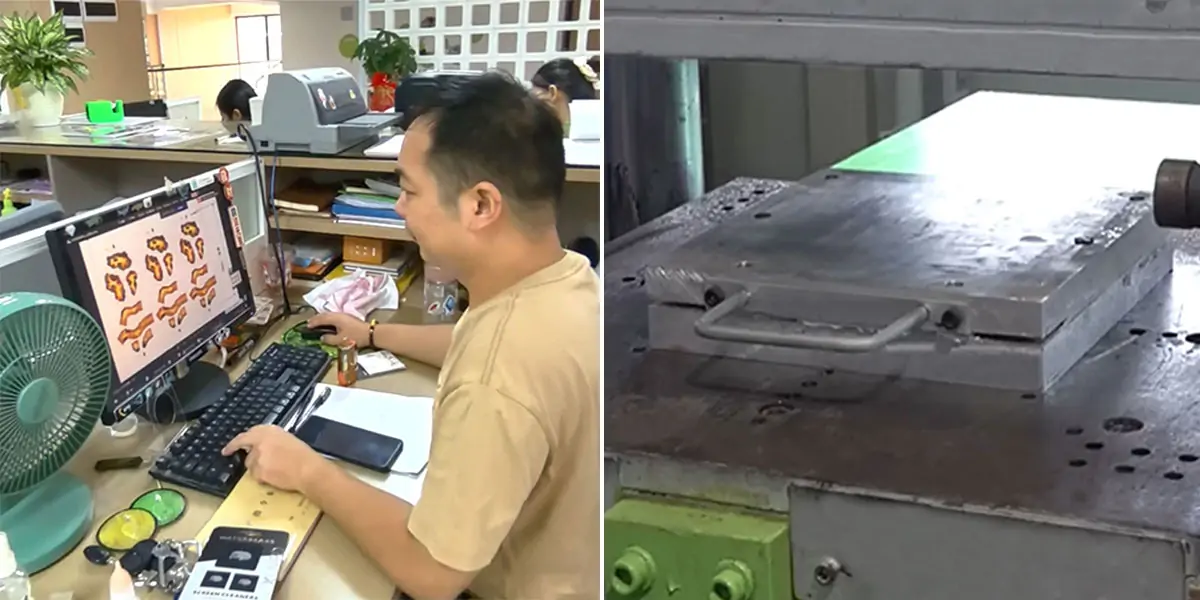
So, is silicone better than plastic? The short answer is: it depends on what you prioritize. As a professional custom silicone manufacturer, we have in-house injection & compression molding workshops. Our engineering and QA teams regularly test both materials for OEM/ODM bulk orders covering baby goods, kitchenware, medical accessories and electronic parts.
This article examines the chemical, performance, health, and environmental differences between silicone and traditional plastics, based on the most current research available.
Silicone Vs. Plastic:
Material Composition & Core Properties
First critical clarification: Silicone is not a type of plastic, despite similar flexible molding properties.
- Conventional plastic (PP, PE, PET, PC, PVC): Carbon-based polymer extracted from crude oil & natural gas (fossil fuel feedstock). Most commodity plastics require synthetic plasticizers, bisphenol additives to adjust hardness/flexibility during production.
- Food/industrial grade silicone: Silicon-oxygen (Si-O-Si) backbone polymer, primary raw material from abundant silica sand; high-purity platinum-cured silicone needs no plasticizer or BPA/BPS additives to retain elasticity.
This molecular difference lays the foundation for all subsequent performance gaps between silicone vs plastic.
Core Properties:
Silicone is a synthetic polymer made from silicon, oxygen, carbon, and hydrogen, while most plastics are derived from petroleum-based hydrocarbons. This fundamental difference translates to distinct performance traits:
- Temperature resistance: Silicone maintains stability between -60°C (-76°F) and 230°C (446°F), making it suitable for high-heat applications like kitchenware, medical devices, and automotive components. Standard plastics like polyethylene (PE) and polypropylene (PP) typically warp above 100°C (212°F).
- Chemical inertness: Silicone resists degradation from oils, solvents, and harsh cleaning agents, whereas many plastics can leach chemicals or break down when exposed to corrosive substances.
- Flexibility & durability: Silicone retains its elasticity after repeated bending or stretching, while rigid plastics may crack or become brittle over time.
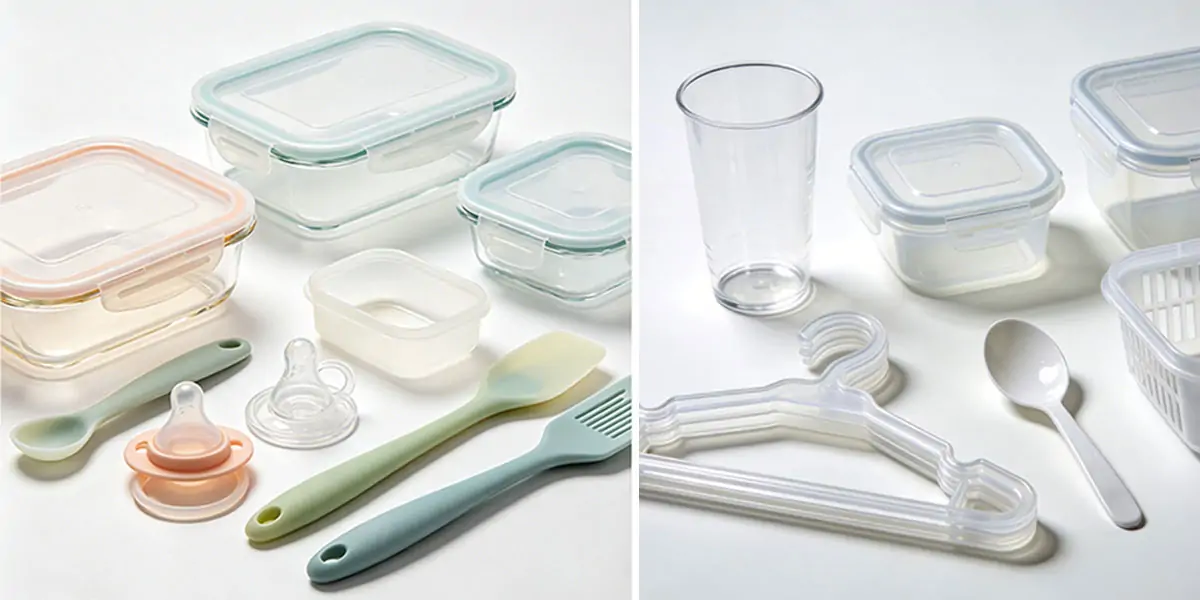
Health & Food Safety: Is Silicone Safer Than Plastic?
Plastic safety limitations (verified research):
Most general-purpose plastics contain or leach endocrine-disrupting additives: BPA, BPS, phthalate plasticizers. A 2020 Environmental Health Perspectives peer-reviewed study confirmed most “BPA-free” plastic alternatives still release estrogen-active chemicals under heat or prolonged food contact, even when marked microwave-safe. When exposed above 100°C, common PP/PE plastics soften and accelerate chemical migration into oily/acidic food. PVC plastic requires high-dose phthalate softeners, restricted for children’s goods by EU REACH regulation.
Certified silicone safety facts:
FDA (US standard) and LFGB (strict German/EU food contact certification) approve high-purity platinum-cured silicone for repeated high-temperature food and infant skin contact use. Under regular household cooking temperatures (-40℃~230℃), qualified food-grade silicone is chemically inert with negligible measurable compound migration per independent third-party lab testing.
Important objective caveat: Low-cost filler-blended silicone (mixed with recycled plastic powder) may present similar leaching risks to cheap plastic; only certified pure silicone delivers consistent safety advantages. This is a core quality control standard we implement at Siliconexy for all bulk custom silicone products orders.
Thermal Stability & Durability:
Silicone Heat Resistance vs Plastic
Temperature tolerance is a decisive selection factor for custom silicone manufacturing in bakeware, oven seals, medical autoclavable parts and automotive under-hood accessories:
- Standard food-grade silicone continuous working range: -40℃ ~ 230℃; premium high-temperature silicone withstands transient peak up to 300℃ without warping, melting or chemical breakdown. It cycles seamlessly from freezer storage to microwave/oven cooking, no structural deformation after years of repeated heating/cooling cycles.
- Common commodity plastics (PET/PP/PE): Maximum stable temperature between 70℃~120℃; above threshold, polymer chains degrade, warp, crack and shed microplastic fragments. Engineering-grade high-temperature plastic (PPSU/PEEK) matches partial silicone heat performance but costs far higher than standard silicone and lacks silicone’s inherent flexibility.
Durability lifespan data:
Premium silicone daily-use products have a verified service lifespan of 5~10 years under regular use; UV/ozone resistant silicone never yellows or turns brittle under long-term sunlight exposure, unlike most plastics that degrade from UV radiation within months to years.
Single-use disposable plastic is designed for one-time application and tears easily; reusable hard plastic items typically wear out, scratch and crack within 6~18 months of frequent daily use.
Chemical Safety: Leaching and Health Considerations
One of the most common reasons people switch from plastic to silicone is concern about chemical leaching. Many plastics contain bisphenol A (BPA), phthalates, and other endocrine-disrupting chemicals (EDCs) that can migrate into food or beverages, particularly when heated.
High-quality, food-grade, platinum-cured silicone does not contain BPA, phthalates, or lead, and is generally considered less reactive than conventional plastics.
However, the research is not entirely one-sided. A 2024 study published in the Journal of Hazardous Materials found that silicone, HDPE, LDPE, and PP bottles showed the highest migration rates, with silicone releasing the most unknown compounds, as well as some phthalates and plasticizers.
Another study found that 84% of 42 silicone cookware products contained EDCs, including heavy metals and phthalates. These findings underscore that not all silicone is created equal. The product quality and manufacturing standards matter enormously.
What does this mean for the silicone vs plastic safety debate? High-quality, LFGB-certified or FDA-approved, platinum-cured silicone appears to be safer than many conventional plastics, particularly for heated applications. But lower-quality silicone products (especially those with peroxide curing or cheap fillers) may present their own risks. Especially those with peroxide curing or cheap fillers.
Sustainability & Environmental Impact
Silicone is not zero-waste eco-perfect, nor is plastic irredeemably harmful in regulated closed-loop recycling scenarios.
For businesses prioritizing eco-friendly supply chains, silicone and plastic differ in several critical areas:
- Recyclability: Most plastics are technically recyclable, but only 9% of global plastic waste is actually recycled due to contamination and infrastructure limitations. Silicone can be recycled through specialized processes, though it’s less widely available than plastic recycling programs.
- Biodegradability: Neither silicone nor traditional plastics biodegrade in natural environments. However, silicone breaks down into harmless silica, water, and carbon dioxide over hundreds of years, while plastics microplastics persist indefinitely.
- Carbon footprint: Silicone production has a higher initial carbon footprint than many plastics, but its longer lifespan reduces replacement frequency, lowering overall environmental impact in long-use applications.
Silicone environmental pros:
No microplastic shedding during regular wear & tear: Unlike all carbon-chain plastics that gradually fragment into micro/nano-plastics entering soil, ocean and food chain, high-grade silicone breaks down into inert silica sand + CO₂ + water vapor upon incineration, no toxic microplastic pollution in normal service life.
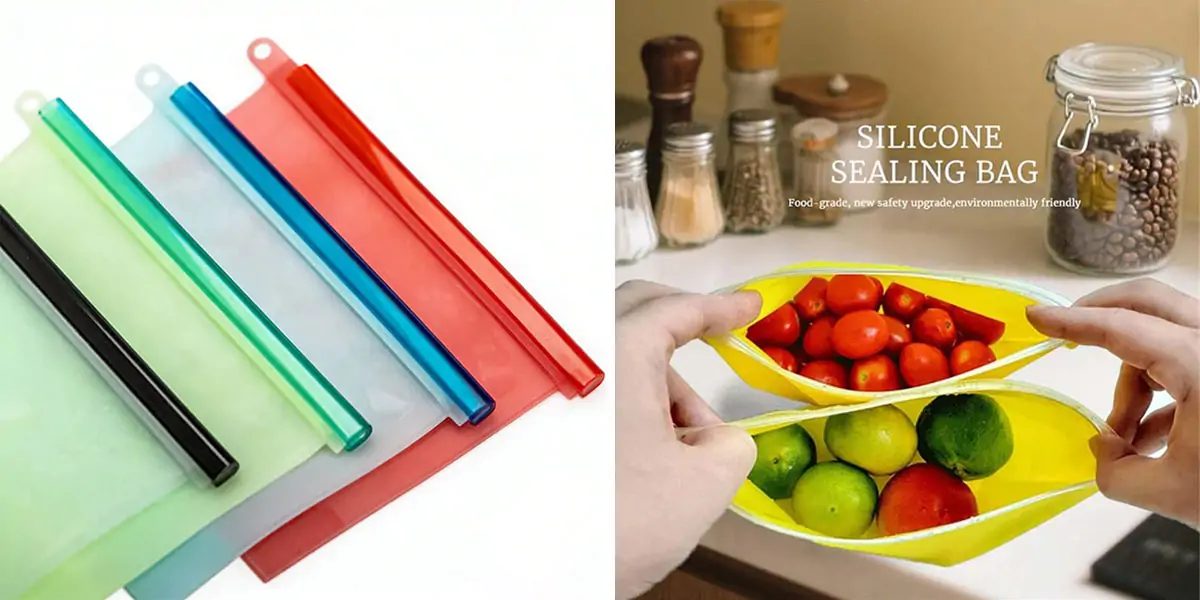
Long service life drastically cuts single-use waste: One durable silicone food bag replaces hundreds of disposable plastic bags over its multi-year lifespan, delivering net waste reduction despite higher upfront manufacturing carbon footprint (≈6.3kg CO₂e per kg silicone vs 1.86~2.23kg CO₂e per kg PET plastic in raw production).
Silicone environmental limitations:
Silicone cannot enter curbside conventional plastic recycling streams; specialized silicone downcycling recycling exists but infrastructure remains limited globally. Pure silicone does not biodegrade naturally in landfills like certain biodegradable PLA plastic variants.
Plastic’s Environmental Burden
The world produced an estimated 460 million tonnes of plastic in 2025, with approximately 85 percent of single-use food and beverage containers ending up in landfills or as litter, contaminating oceans and ecosystems. The packaging sector alone accounts for 36% of all plastics produced. Plastic recycling, while beneficial, remains limited. Much of it still ends up in landfills, and global waste markets have become less reliable in recent years.
Plastic environmental pros:
Commodity plastic boasts mature worldwide recycling collection infrastructure, far easier and cheaper to recycle than silicone; ultra-low raw material cost makes plastic irreplaceable for cost-critical mass disposable packaging with formal industrial recycling setup.
Cost Comparison: Upfront Price vs Long-Term Total Cost
A core deciding factor for bulk custom OEM buyers sourcing silicone or plastic components:
- Initial costs: Plastic materials and molds are typically 30-50% cheaper than silicone, making it a cost-effective choice for low-volume or disposable products.
- Short-term upfront cost: Plastic injection molding raw material and production cost is significantly lower than silicone; commodity plastic is the undisputed economical pick for high-volume disposable short-lifespan goods (disposable packaging, low-cost throwaway consumer accessories).
- Long-term total cost of ownership: While certified food/medical silicone has higher initial per-unit pricing, multi-year reusability eliminates frequent restock & replacement expense for repeated-use items (baby feeding accessories, kitchen utensils, durable sealing parts). For brand owners, silicone’s long product lifespan also reduces post-sale defective return rates caused by plastic cracking/degradation.
- Regulatory compliance: Silicone meets strict FDA, EU Food Contact Materials (FCM), and ISO standards, eliminating the need for additional testing in regulated industries like food processing and healthcare. Plastics may require specialized formulations to meet these standards.
Manufacturing & Customization Potential
For business buyers requiring custom components, material versatility is a key consideration:
- Molding capabilities: Both materials support injection molding and compression molding, but silicone’s low viscosity allows for more intricate designs and thinner walls with consistent quality.
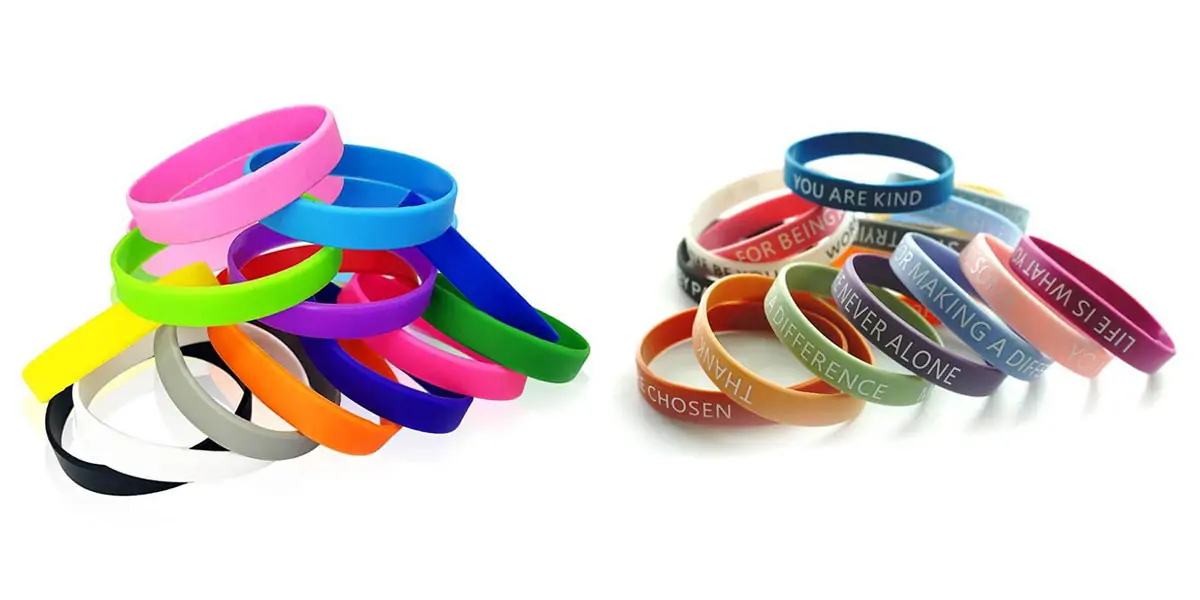
- Color and texture options: Silicone can be formulated in a wide range of opaque or translucent colors and textures (from soft to firm) without compromising performance. Plastics offer similar customization but may require additives that affect durability.
- Lead times: Plastic molds are generally cheaper and faster to produce, making plastic ideal for short-run projects. Silicone molds have higher upfront costs but offer greater longevity for high-volume production.
When to Choose Silicone or Plastic Products?
- Opt for silicone if: You need heat resistance, chemical stability, long-term durability, or compliance with strict regulatory standards. Common applications include medical devices, kitchenware, automotive components, and industrial seals.
- Opt for plastic if: Cost is the primary concern, or you require short-run production, lightweight components, or easy recyclability. Suitable applications include packaging, consumer electronics, and disposable products.
Prefer custom silicone over plastic for these scenarios:
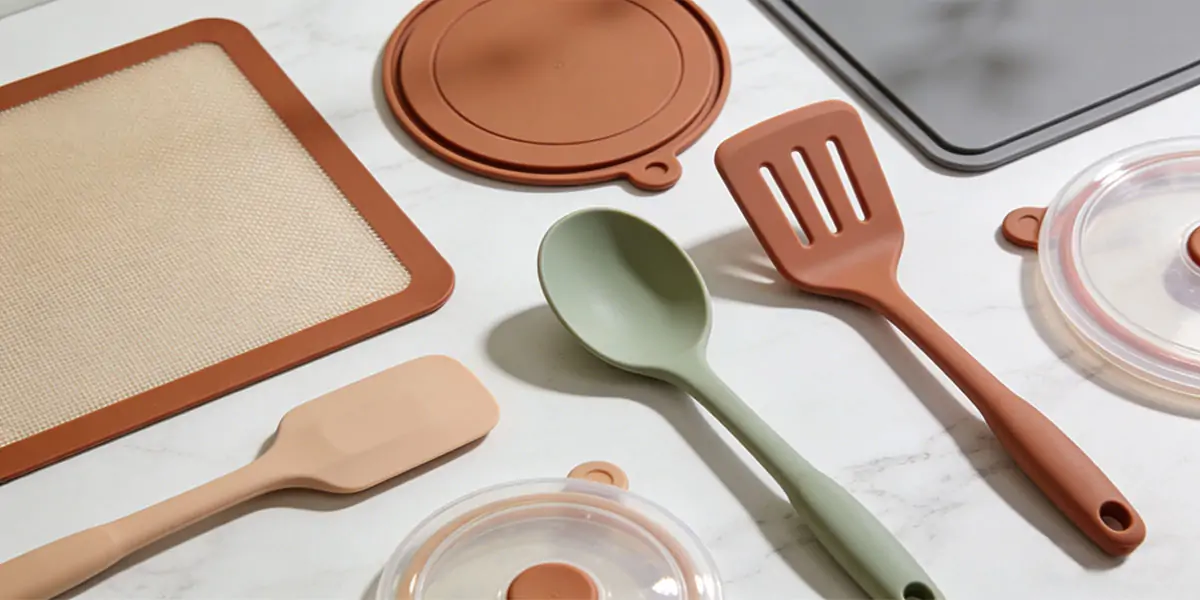
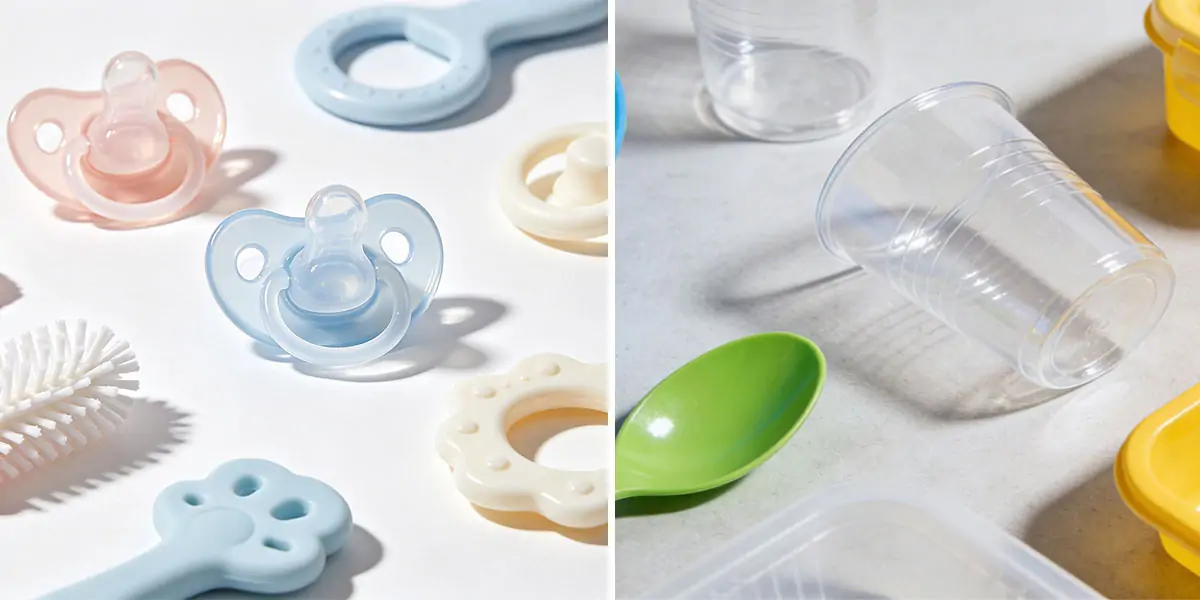
- Food contact products: Bakeware, silicone food storage bags, baby pacifiers/feeding accessories needing high heat safety and repeated sterilization (FDA/LFGB certification required, our core bulk custom silicone production category).
- Medical-grade consumables: Autoclavable tubing, wound care accessories requiring biocompatibility and high-temperature disinfection resistance.
- Industrial & automotive: High/low temp sealing gaskets, engine compartment silicone parts exposed to fluctuating ambient temperature and UV rays.
- Zero-waste reusable consumer goods replacing single-use plastic alternatives.
Prefer plastic over silicone for these scenarios:
- Ultra-low-cost mass disposable packaging, one-time-use commodity parts with established plastic recycling channels.
- Rigid structural mechanical components needing high tensile/tear strength (most engineering plastics exceed standard silicone’s mechanical rigidity and hardness).
- Ultra-lightweight thin-shell low-heat electronic housings requiring ultra-low material budget.
As a leading manufacturer of custom silicone components at Siliconexy, we specialize in helping buyers select the right material for their unique needs. Our team of engineers can provide material samples, prototyping services, and cost analysis to ensure your project succeeds.
Contact our sales team today to discuss your custom silicone requirements.