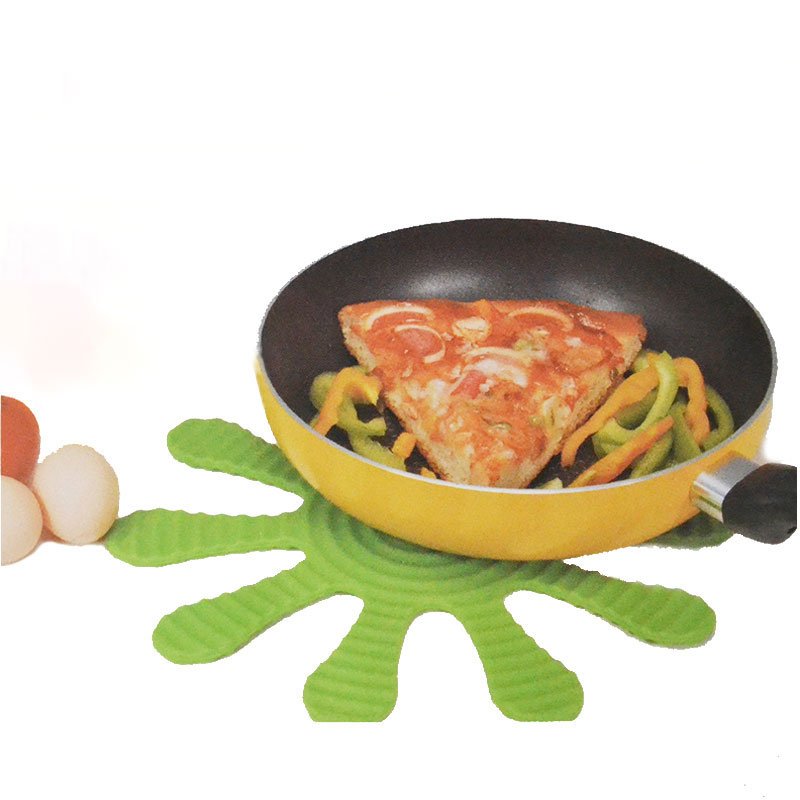
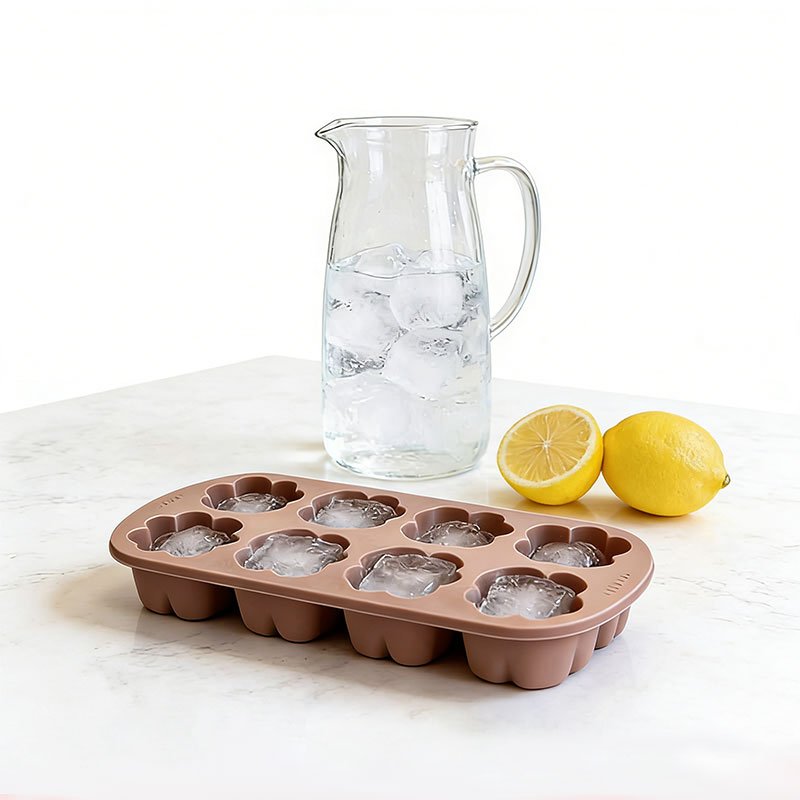
Silicone products have become ubiquitous in modern life—from kitchen utensils and bakeware to medical devices and industrial seals. But despite its widespread use, many people remain unclear about what silicone actually is and how it performs under different conditions. Many buyers and product developers still ask: What is silicone material? and Is silicone heat and acid resistant? Specifically, silicone heat resistant properties and silicone chemical resistance are critical decision-making factors for custom product design.
This article provides a clear, fact-based explanation of silicone material properties, with a focus on heat resistance and chemical resistance, helping you make informed sourcing and application decisions.
What Is Silicone Material?
Silicone, also known as polysiloxane, is a synthetic polymer composed of silicon, oxygen, carbon, and hydrogen atoms. Unlike traditional organic polymers, its backbone is made of alternating silicon-oxygen (Si-O) bonds, which give it unique properties that set it apart from other materials like rubber or plastic.
Key Compositional Facts:
- The primary raw material is silica, derived from sand and quartz.
- Combined with oxygen, carbon, and hydrogen to form the finished polymer.
- Organic groups (such as methyl, vinyl, or phenyl) attach to the silicon atoms as side chains.
A general formula for silicones is (R₂SiO)ₓ, where R represents organic groups. The most common silicone compound is polydimethylsiloxane (PDMS).
Distinction from Elemental Silicon
A common point of confusion is the difference between silicone and silicon:
- Silicon is a chemical element (atomic number 14), a hard, crystalline metalloid used in semiconductors and electronics.
- Silicone is a synthetic polymer made from silicon, oxygen, carbon, and hydrogen—with entirely different physical and chemical properties.
- The names are similar because silicone contains silicon atoms, but the materials are fundamentally different.
Forms of Silicone
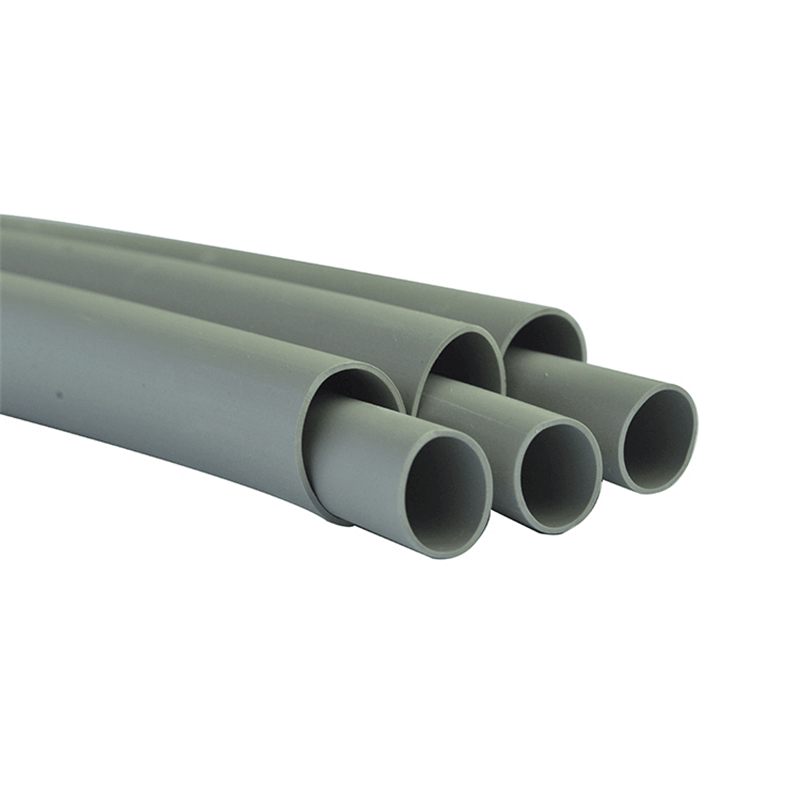
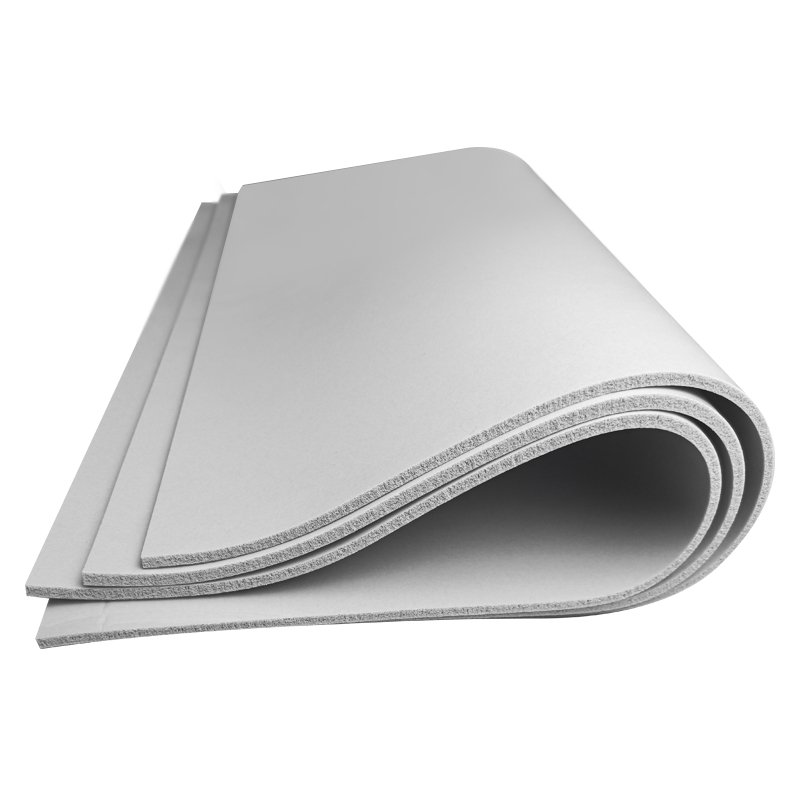
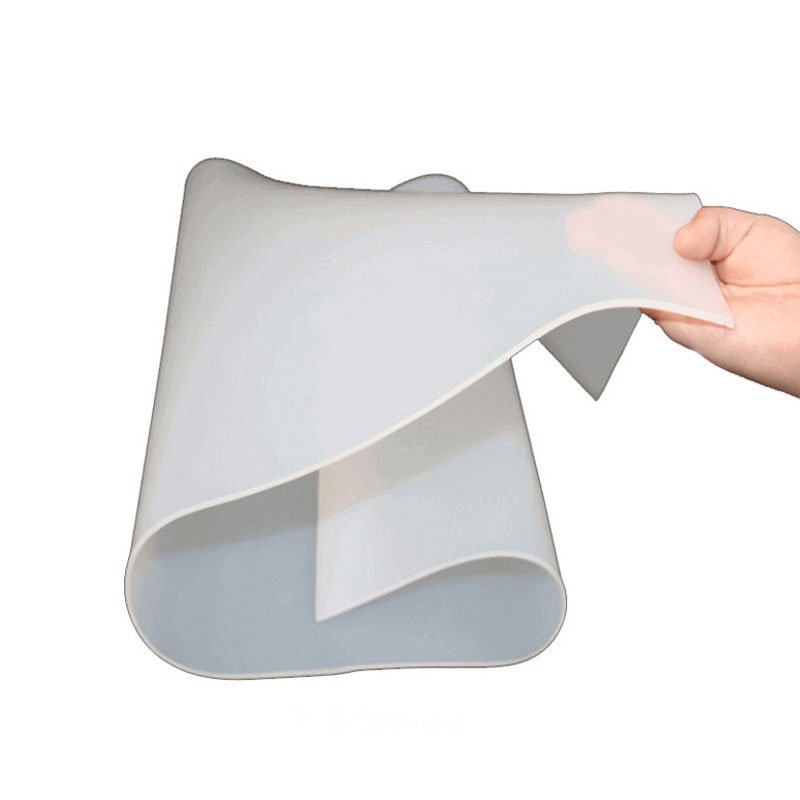
Silicone exists in various forms, including liquids, gels, elastomers, and resins, making it highly versatile for a wide range of applications. From kitchen utensils and medical devices to automotive parts and electronic components, silicone’s adaptability has made it a staple in many industries.
Depending on molecular weight and the degree of crosslinking between polymer chains, silicones are manufactured in three primary forms:
- Fluids (low molecular weight, non-vulcanized) – used as lubricants, hydraulic fluids, and water-repellent treatments.
- Resins (highly crosslinked) – used in protective coatings and electrical varnishes.
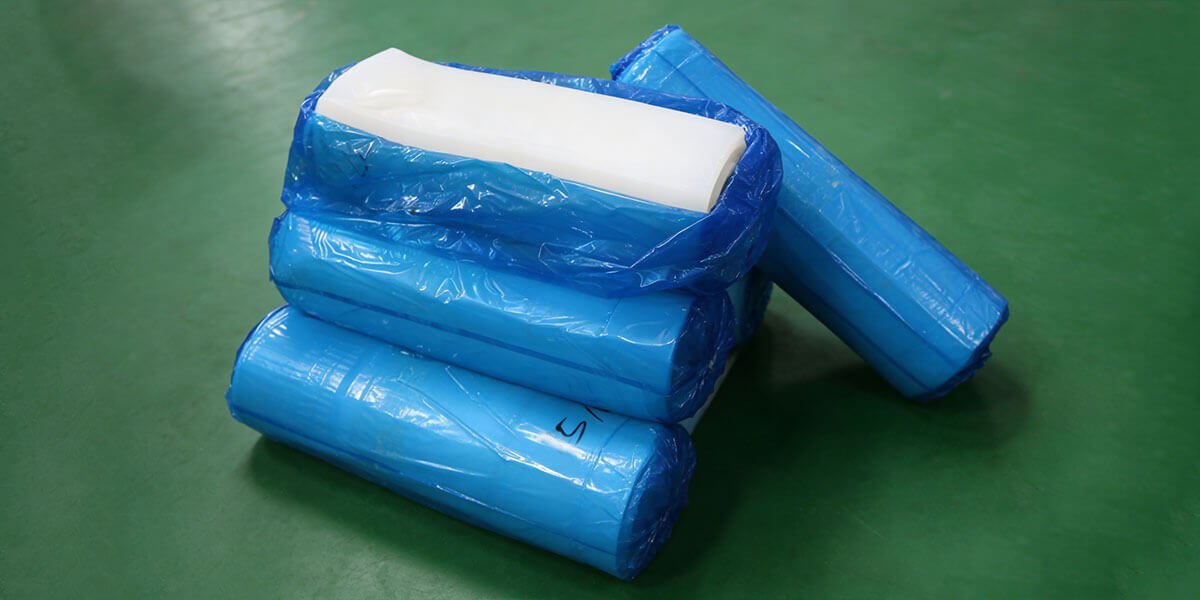
- Elastomers / Rubbers (lightly crosslinked) – used for seals, gaskets, bakeware, and medical implants.
Key Characteristics of Silicone Material
- Flexible and elastic.
- Heat resistant (wide temperature stability).
- Chemically stable.
- Water-repellent (hydrophobic).
- Electrically insulating.
Because of these properties, silicone is commonly used in:
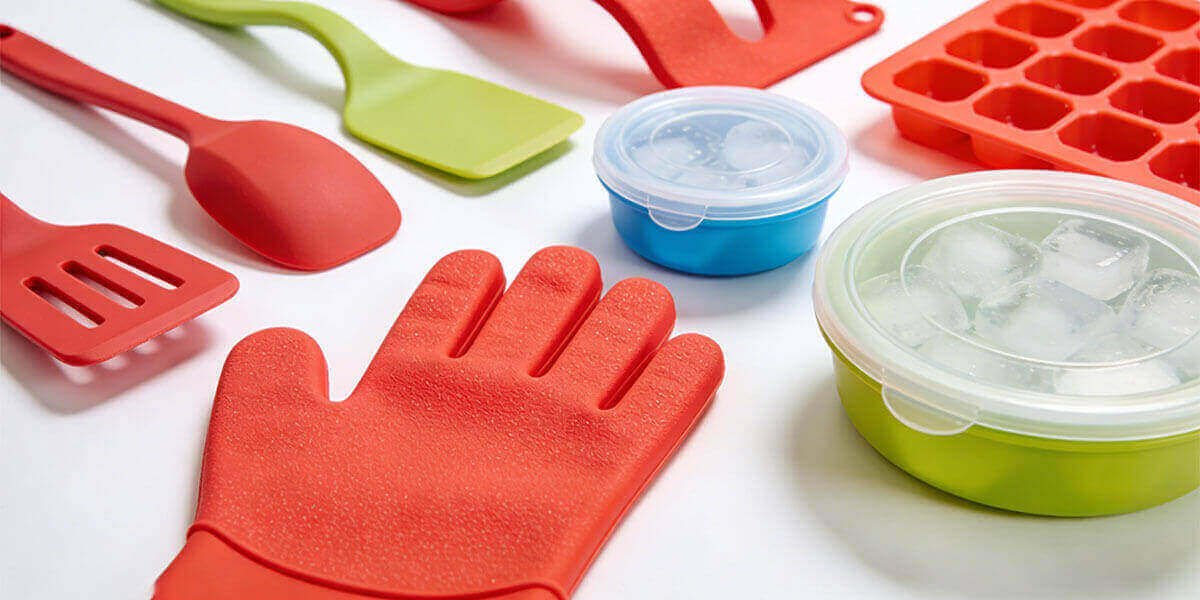
- Food-grade kitchenware and storage products.
- Medical and healthcare devices.
- Automotive seals and gaskets.
- Electrical insulation components.
Silicone Heat Resistant Properties
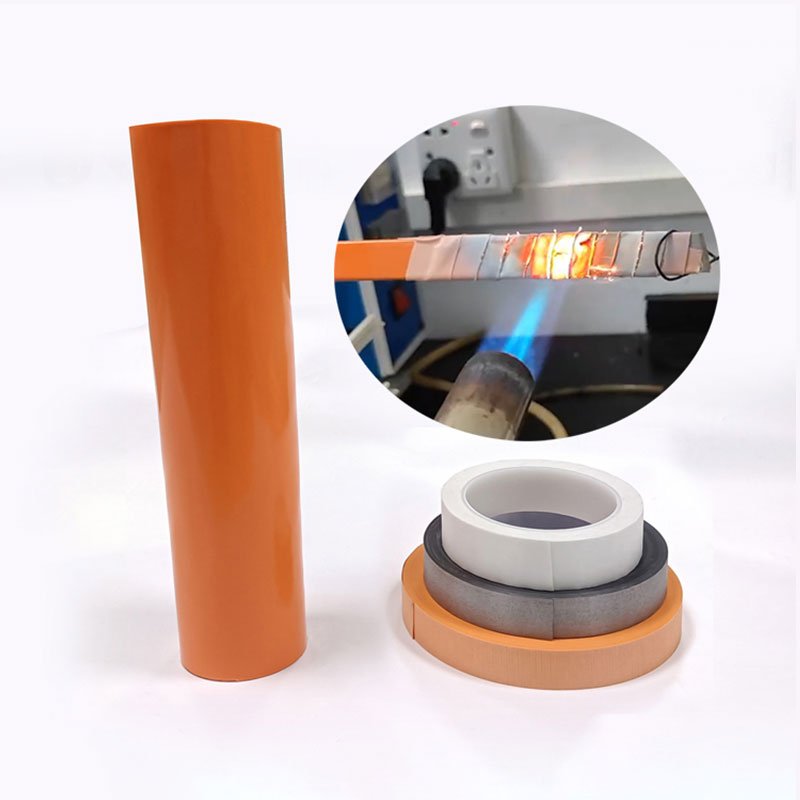
One of the most notable characteristics of silicone is its exceptional heat resistance. Here’s a detailed breakdown of its thermal capabilities:
- Continuous operating temperature: Most silicone materials can withstand continuous temperatures ranging from -60°C (-76°F) to 230°C (446°F). Some specialized grades can even handle short-term exposure up to 260°C (500°F).
- Low temperature flexibility: Unlike many plastics and rubbers that become brittle in cold conditions, silicone maintains its flexibility and elasticity even at extremely low temperatures.
- Thermal stability: The Si-O bonds in silicone are highly stable and less prone to breaking down under heat compared to the carbon-carbon (C-C) bonds in organic polymers. This means silicone retains its physical properties and structural integrity even after prolonged exposure to high temperatures.
- Resistance to thermal aging: Silicone does not easily degrade, harden, or crack when exposed to repeated heating and cooling cycles, making it ideal for applications that require long-term thermal stability.
These properties make silicone an excellent choice for products like oven mitts, baking mats, gaskets in engines, and seals in industrial equipment.
It is important to note: Silicone will degrade if exposed to temperatures exceeding its graded limit for prolonged periods, and performance may decline slightly after repeated extreme temperature cycles. Always reference the material’s technical data sheet (TDS) for grade-specific temperature thresholds.
Temperature Range
One of silicone’s most well-documented characteristics is its stability across a wide temperature range.
According to multiple manufacturers and technical data:
- Standard silicone rubbers maintain stability from approximately -55°C to +255°C (-67°F to +491°F).
- FDA food-grade silicone is typically rated from -60°C to +230°C (-76°F to +446°F).
- Some specialty formulations (phenyl-vinyl-methyl-siloxanes) can operate down to -90°C (-130°F).
Why Silicone Resists Heat
The heat resistance stems from the material’s molecular structure:
- The silicon-oxygen (Si-O) bond has high bond energy, making it thermally stable.
- The backbone lacks carbon, which in other polymers is more susceptible to thermal degradation.
- Siloxane molecules rotate freely around the Si-O bond, contributing to flexibility even at temperature extremes.
Practical Implications
This thermal stability means silicone products:
- Remain flexible at freezing temperatures without becoming brittle.
- Withstand boiling water, dishwasher cycles, and oven temperatures without melting or deforming.
- Resist oxidation and do not readily decompose when exposed to heat within their rated range.
Note: Specific temperature ratings vary by formulation, and manufacturers should provide clear specifications for their products.
Silicone Chemical Resistance
Silicone also exhibits good chemical resistance, although it is not universally resistant to all chemicals. Here’s what you need to know:
General Chemical Resistance Profile
Silicone exhibits the following general characteristics:
- Good resistance to many chemical compounds, including diluted acids and bases.
- Excellent resistance to water, oxygen, ozone, and UV radiation.
- Medium resistance to concentrated acids and bases.
- Affected by hydrocarbon oils, solvents, and petrols.
Standard silicone grades exhibit good resistance to dilute, weak acids (e.g., acetic acid, citric acid, carbonic acid) at room temperature, making it compatible with acidic foods, mild cleaning solutions, and low-concentration industrial acids. Silicone does not react with or break down in these environments, nor does it leach contaminants into contact materials.
Resistant to:
- Weak acids and bases
- Water and steam
- Oils and fuels (to a certain extent)
- Weathering and UV radiation
- Ozone and oxidation
Not resistant to:
- Strong acids (e.g., concentrated sulfuric acid, nitric acid)
- Strong bases (e.g., concentrated sodium hydroxide)
- Certain solvents (e.g., aromatic hydrocarbons, chlorinated hydrocarbons)
- Halogens (e.g., chlorine, fluorine)
It’s important to note that the chemical resistance of silicone can vary depending on the specific formulation and the concentration and temperature of the chemical it’s exposed to. For critical applications, it’s always best to conduct compatibility tests or consult with a material specialist.
Silicone chemical resistance is a key consideration for applications involving acids, bases, oils, and solvents—with acid resistance being a top query for industrial and food-related uses.
Is Silicone Acid Resistant?
The question “Is silicone acid resistant?” requires a more nuanced answer than heat resistance, as performance varies depending on acid type, concentration, and exposure conditions.
Acid Resistance:
- Diluted vs. Concentrated Acids
Standard silicone rubber performs reasonably well with diluted acids but shows reduced resistance to concentrated acids. A chemical resistance table rates silicone as “Good” for diluted acids and “Medium” for concentrated acids. - Susceptibility to Hydrolysis
The Si-O bond, while thermally stable, is susceptible to hydrolysis and attack by acids and bases. This means that under certain acidic conditions, the polymer chains can break down over time.
Limitations to Note
- Silicone has limited resistance to concentrated, strong acids (e.g., sulfuric acid, hydrochloric acid) at high temperatures or over prolonged exposure. These harsh chemicals can break down the polymer structure, causing hardening, cracking, or loss of flexibility.
- Silicone performs better against acidic substances than many organic rubbers and plastics, but it is not universally “acid-proof” for all industrial chemical scenarios.
- For extreme chemical environments, specialty chemical-resistant silicone formulations are available, with performance tailored to specific corrosive agents.
Other Notable Properties of Silicone
Beyond heat and chemical resistance, silicone exhibits several other characteristics worth noting:
Electrical InsulationSilicone rubbers are among the best electrical insulators, capable of operating from -40°C to +180°C while maintaining insulating properties.
Water Repellency
Silicone is inherently hydrophobic—it repels water and is waterproof, making it valuable for seals and protective applications.
Non-Toxic and Biocompatible
High-quality silicone is:
- Inert and non-toxic, meeting standards such as FDA CFR 177.2600 (food contact) and USP Class VI (medical applications)
- Free from BPA, BPS, and other harmful plasticizers
- Does not support microbiological growth
Weather Resistance
Silicone offers excellent resistance to ozone, UV radiation, and general weathering, contributing to long service life in outdoor applications.
Mechanical Properties
Compared to other organic elastomers, silicone does not excel in mechanical strength, but combined with its temperature resistance, it outperforms other rubbers in demanding environments.
Summary: Silicone’s Resistance Profile
| Property | Performance | Notes |
|---|---|---|
| Heat resistance | Excellent (-55°C to +255°C typical range) | Stable across wide temperature range; specific ratings vary by formulation |
| Acid resistance (diluted) | Good | Suitable for occasional contact with mild acids |
| Acid resistance (concentrated) | Medium | Performance decreases with concentration; specialized formulations available |
| Base resistance | Good to medium | Similar pattern to acids—better with diluted solutions |
| Solvent/hydrocarbon resistance | Medium | Can be affected by oils and petrols |
| UV/ozone/weathering | Very good | Excellent long-term stability outdoors |
| Water resistance | Excellent | Hydrophobic, waterproof, non-porous |
Why Silicone’s Heat and Chemical Resistance Matters for Custom Applications?
For businesses sourcing custom silicone products (medical devices, food-contact tools, industrial components, aesthetic accessories), verified silicone heat resistant properties and silicone chemical resistance ensure product durability, safety, and compliance. Unlike low-grade plastics, high-purity silicone maintains its shape, flexibility, and safety profile in conditions that would compromise alternative materials—reducing replacement costs and improving end-product reliability.
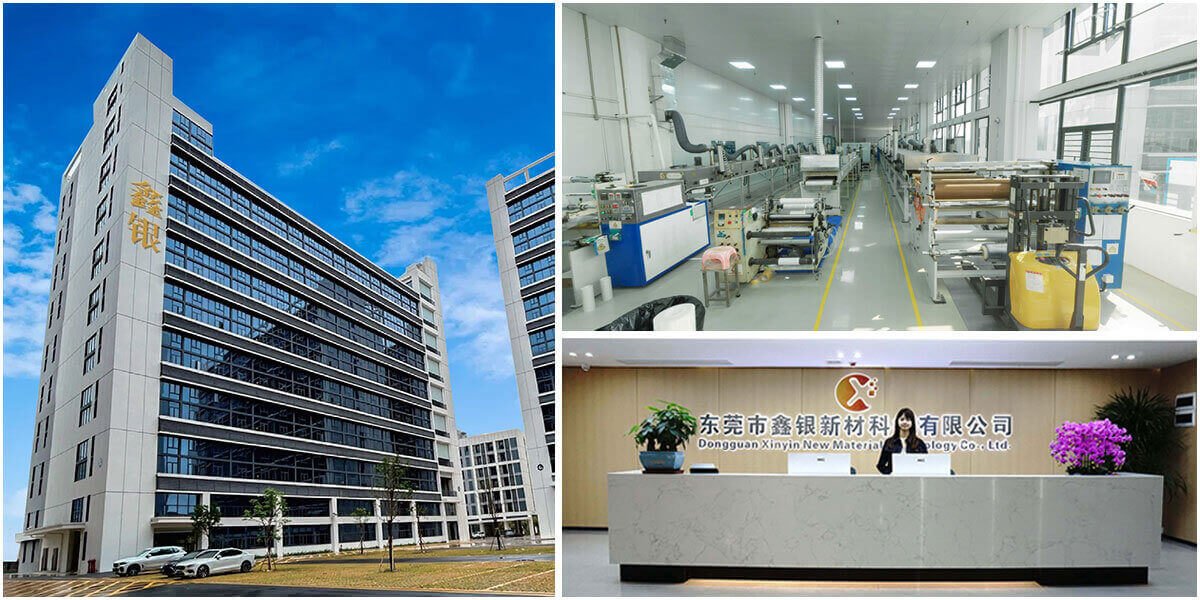
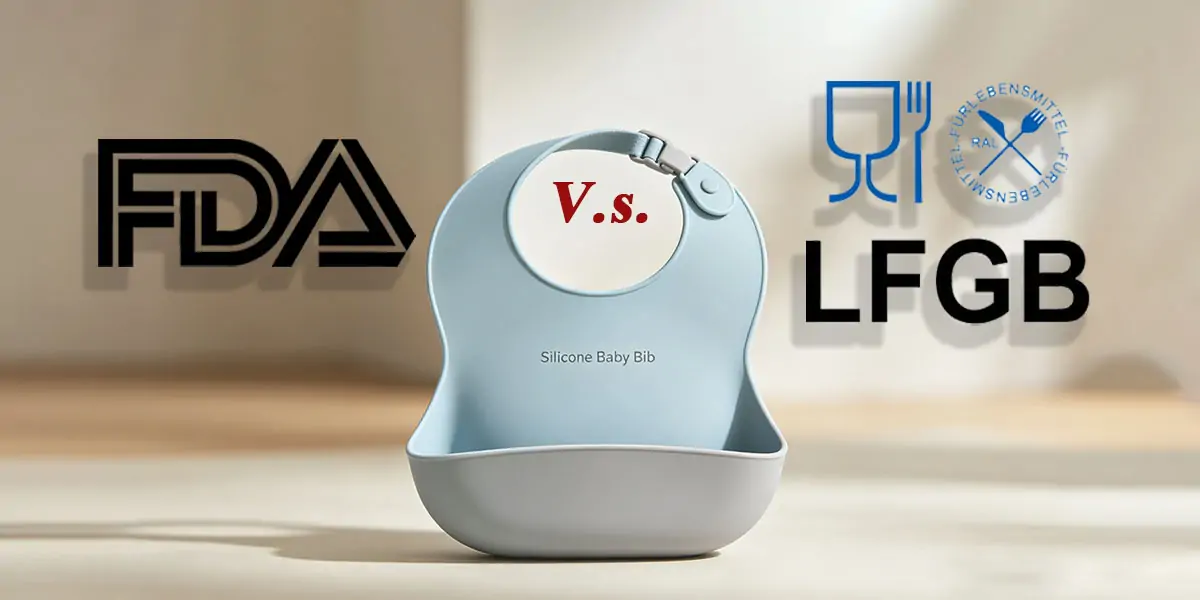
At Siliconexy, we manufacture custom silicone products using grade-specific, certified silicone materials, with full transparency on technical specifications including temperature limits and chemical compatibility. Our industrial-and-trade integrated model ensures consistent quality, compliance with FDA, LFGB, and RoHS standards, and tailored formulations to meet your heat and chemical resistance requirements.
Conclusion
What is silicone? Silicone is a synthetic polymer with a backbone of alternating silicon and oxygen atoms, combined with organic side groups. This unique structure gives it properties distinct from both traditional plastics and elemental silicon.
Is it heat resistant? Yes—silicone demonstrates excellent heat resistance across a broad temperature range, typically from approximately -55°C to +255°C depending on formulation.
Is it acid resistant? Silicone offers good resistance to diluted acids but only medium resistance to concentrated acids. The silicon-oxygen bond can be attacked by acids over time, leading to gradual aging. For applications involving significant acid exposure, specialized acid-resistant formulations are available and recommended.
As with any material, the suitability of silicone for a specific application depends on the exact conditions of use—including temperature, chemical concentration, exposure duration, and mechanical stress. When selecting silicone for demanding environments, consulting technical data sheets and, when possible, conducting application-specific testing is advisable.
Siliconexy specialize in custom silicone manufacturing for clients worldwide. Our materials meet applicable food-grade and industrial standards, and we’re committed to transparent communication about material properties and limitations. For questions about custom silicone projects or material selection, please contact our team.