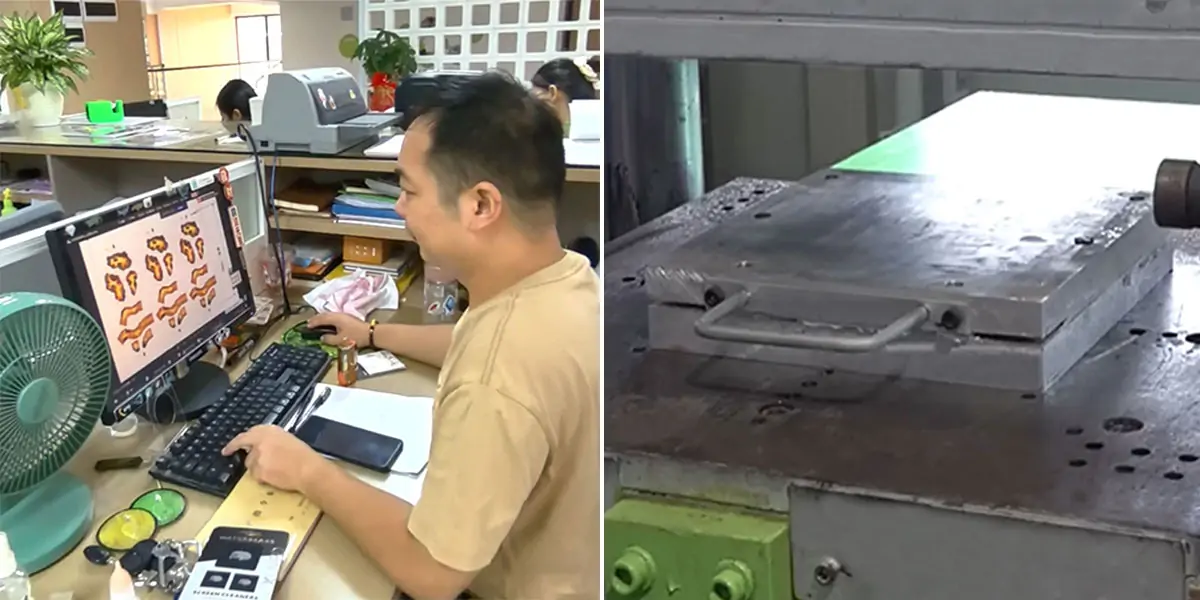
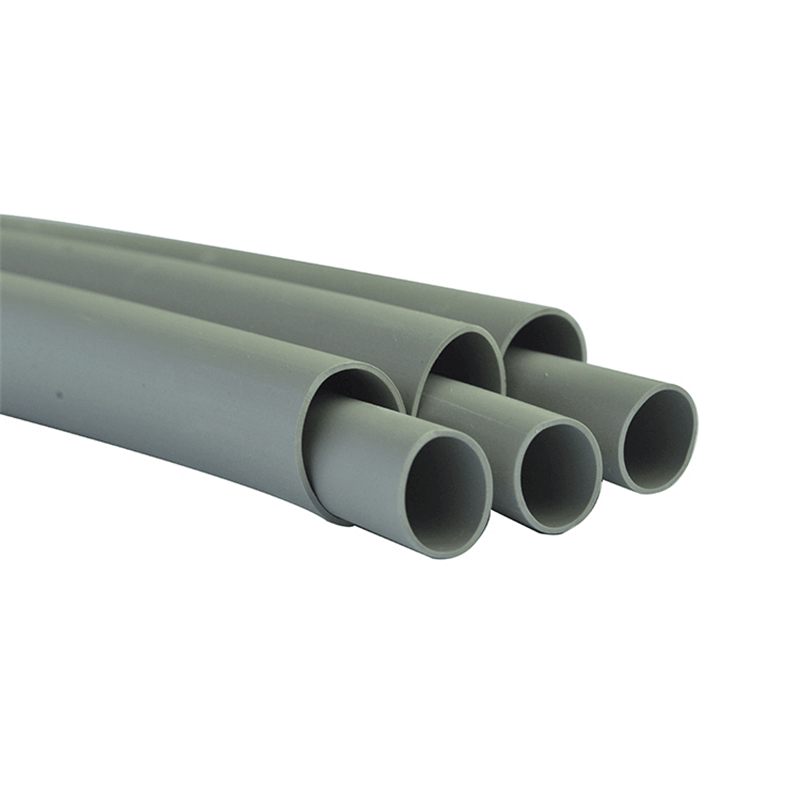
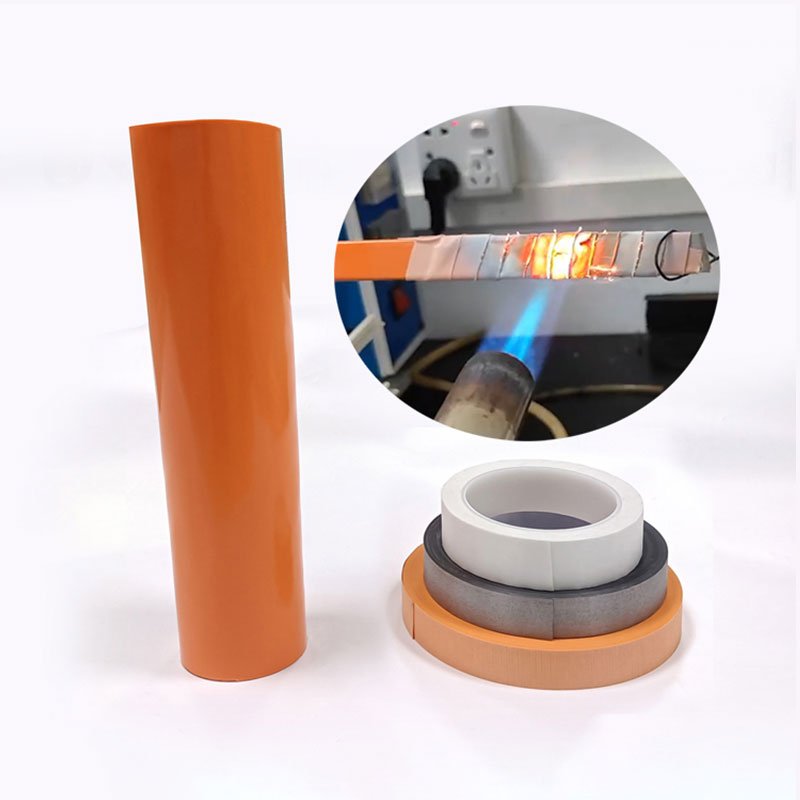
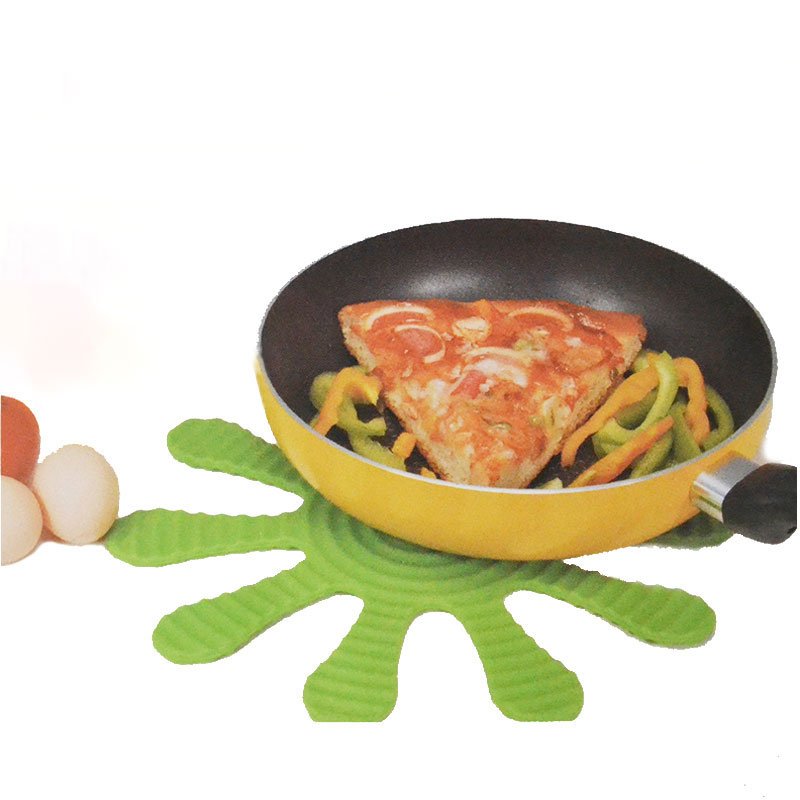
What Affects Silicone Products Cost? If you’ve ever requested a quote for custom silicone products, you’ve likely noticed significant price variations between suppliers. A simple silicone gasket from one manufacturer may cost half as much as an apparently identical part from another. The truth is, silicone product pricing is not random—it is determined by a combination of raw material quality, mold design, production process, order volume, compliance certifications, and post-processing requirements.
In this guide, we break down the key factors that affect silicone product costs in detail, helping you understand pricing structures, avoid unnecessary expenses, and make informed decisions for your next project.
Silicone Raw Material Grade & Type
The type and grade of silicone raw material is the most fundamental cost driver. Not all silicone is created equal, and the price difference between grades reflects genuine differences in purity, performance, and regulatory compliance.
Main Silicone Types
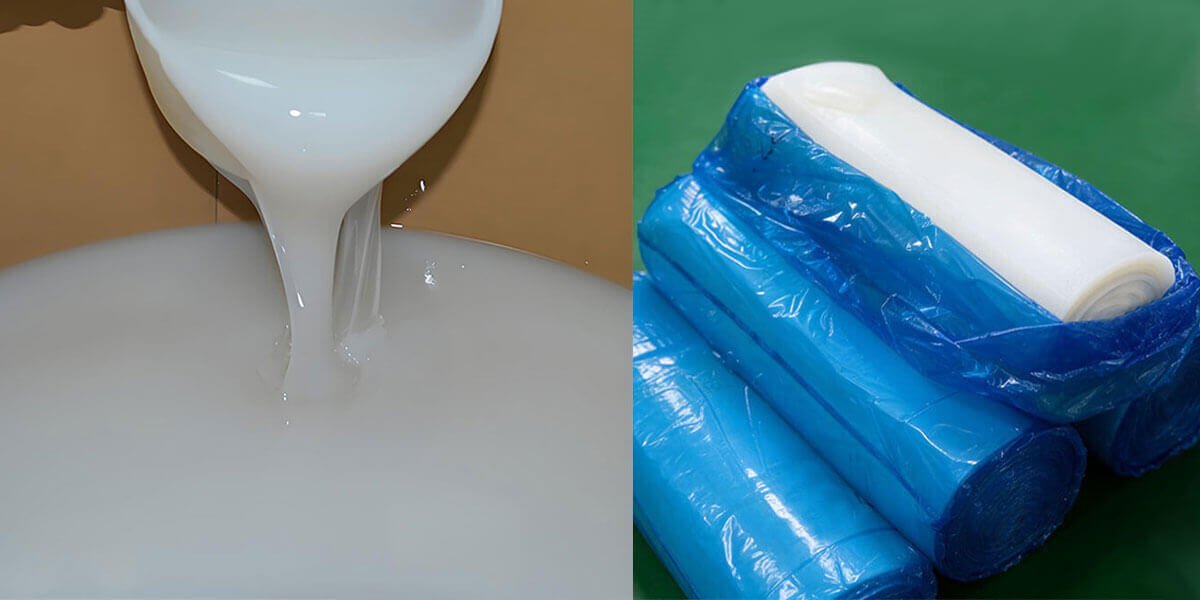
- High-Consistency Rubber (HCR): A solid, rubbery form of silicone. It is cost-effective and ideal for simple, large, or low-precision parts (e.g., basic silicone mats, gaskets). However, HCR requires more manual labor during processing and has higher material waste (5–15%).
- Liquid Silicone Rubber (LSR): A fluid, injectable silicone. It is more expensive but offers exceptional precision, durability, and low waste. LSR is the go-to for intricate, high-precision parts (e.g., medical catheters, baby bottle nipples, electronic seals). This is a two-component, platinum-catalyzed curing material designed for high-precision injection molding; the medical-grade and food-grade versions represent the high end of this product series.
Silicone Material Quality and Grade: The Foundation of Pricing
The foundation of any silicone product lies in its raw material. Silicone is available in various grades, each tailored to specific applications and performance requirements.
- General-purpose silicone (standard industrial grade): Formulated for high-temperature resistance, chemical stability, and durability. Used in automotive components, aerospace seals, and electrical insulation. The cheapest option, with no strict safety certifications. Depending on market conditions, bulk pricing typically ranges from approximately USD 2–3 per kilogram for industrial-grade silicone, though prices vary significantly by region and supply chain factors.
- Food-Grade Silicone: Complies with FDA and EU regulations, making it safe for kitchenware, baby products, and food packaging. Food-grade silicone must comply with FDA or LFGB standards, requires more rigorous manufacturing controls, raw material purity, and third-party testing. Costs 15–20% more than industrial-grade due to stricter purity and safety requirements.
- Medical-Grade Silicone: Meets strict FDA and ISO standards, ensuring biocompatibility and purity. Ideal for implants, surgical tools, and wearable medical devices. The most expensive grade, costing 20–50% more than industrial silicone, due to rigorous testing and manufacturing controls. Medical-grade silicone represents the highest tier of material quality. These materials must pass biocompatibility testing (such as USP Class VI) and maintain extreme purity standards.
Additionally, specialty formulations require additives that can increase material costs by 50–100% compared to standard formulations. Such as high-temperature resistant, flame-retardant, conductive, or antibacterial silicone.
Higher-grade silicones often require specialized manufacturing processes and quality control measures, which can increase the overall cost. However, investing in the right grade ensures long-term performance and compliance with industry standards.
Functional Additives
Special additives increase material costs but enhance performance:
- Color masterbatches (vibrant or transparent colors)
- Flame retardants (for electronics/industrial use)
- Anti-static agents (for sensitive electronics)
- Antibacterial additives (for baby/medical products)
Mold Design & Tooling Costs: Upfront Investment
For custom silicone products, mold tooling is typically the single largest upfront expense. This cost is not set arbitrarily; it directly determines the precision of your parts, production efficiency, and long-term repeatability. The cost of silicone molds varies widely based on complexity, cavity count, and intended production volume.
Cost escalations are driven primarily by:
- Number of cavities: Multi-cavity molds increase upfront tooling investment by approximately 1.6× to 3.2× of single-cavity tooling costs, but reduce per-part conversion costs at scale.
- Tolerances: Tight tolerance specifications (e.g., ±0.05 mm) require higher-precision machining and increase tooling costs.
- Surface finish: Polished cosmetic surfaces or textured finishes add to machining time and cost.
- Steel grade: Hardened steel molds cost more but offer longer operational life—often 2× or more cycles than standard steel molds.
Mold Complexity
- Simple 2-part molds: For basic shapes (e.g., flat gaskets). Low cost.
- Complex molds: Require sliders, lifters, undercuts, or multi-directional demolding (e.g., 3D silicone figurines, hollow tubes). Costs 2–5x more due to increased machining and engineering time.
Cavity Count
- Single-cavity molds: Produce 1 part per cycle. Low upfront cost but high per-unit cost for large orders.
- Multi-cavity molds (2–32 cavities): Produce multiple parts per cycle. Higher upfront cost but lower per-unit cost for mass production.
Mold Steel Quality
- Standard steel: For small-batch production (≤10,000 cycles). Low cost.
- Pre-hardened/Premium steel: For high-volume production (500,000+ cycles). More expensive but ensures consistent quality and longer mold life.
Mold Size & Auxiliary Systems
- Larger molds require more steel, machining time, and cooling—increasing costs.
- Optional upgrades like hot runner systems or automatic ejection boost efficiency but add upfront expenses.
Mold cost typically accounts for 30–50% of total project expenditure for custom silicone products. However, because mold costs are amortized across production volume, purchasing larger quantities significantly reduces the per-unit tooling impact.
Manufacturing Process Selection
The selection of a molding process directly impacts initial investment and unit production costs. There is no universally “better” process; the optimal choice depends on your production volume, design complexity, and quality requirements.
The production method directly impacts labor, equipment, and waste costs.
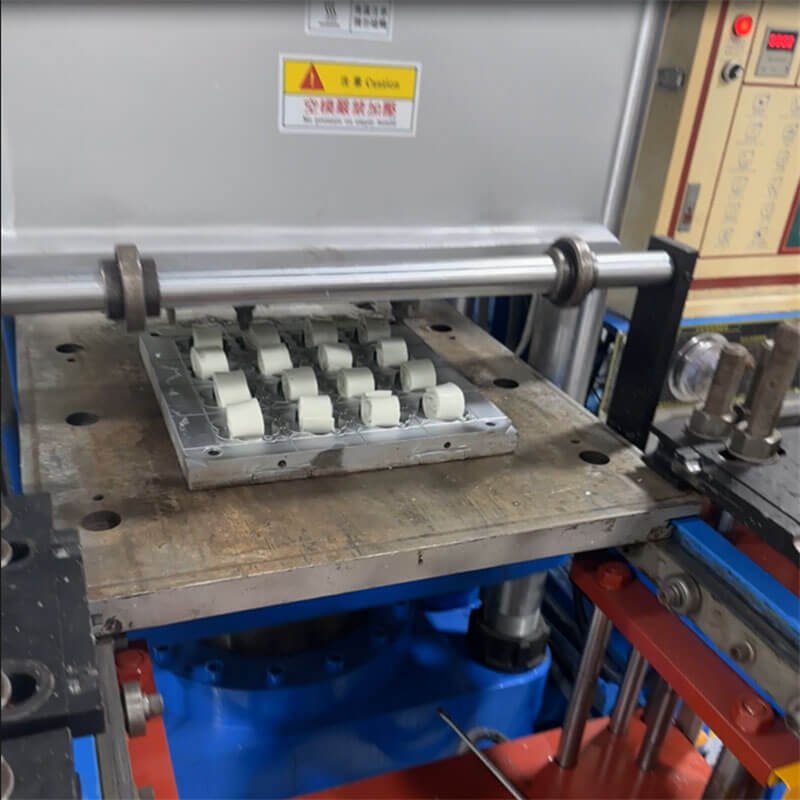
Compression Molding:
Compression molding is the more traditional method. A pre-measured amount of solid silicone is placed into a heated mold cavity, which is then closed under pressure. Once cured, excess material is trimmed away.
Best for: Small-to-medium batches, large/thick parts, or simple designs.
Cost profile: Low equipment cost, high labor cost, higher material waste (5–15%). Ideal for low-budget, low-volume projects.
This process offers:
- Lower upfront tooling costs
- Shorter lead times for tooling
- Suitability for simple designs, large parts, and low-to-medium volumes
- Labor-intensive manual loading and trimming
Injection Molding (LSR Injection Molding)
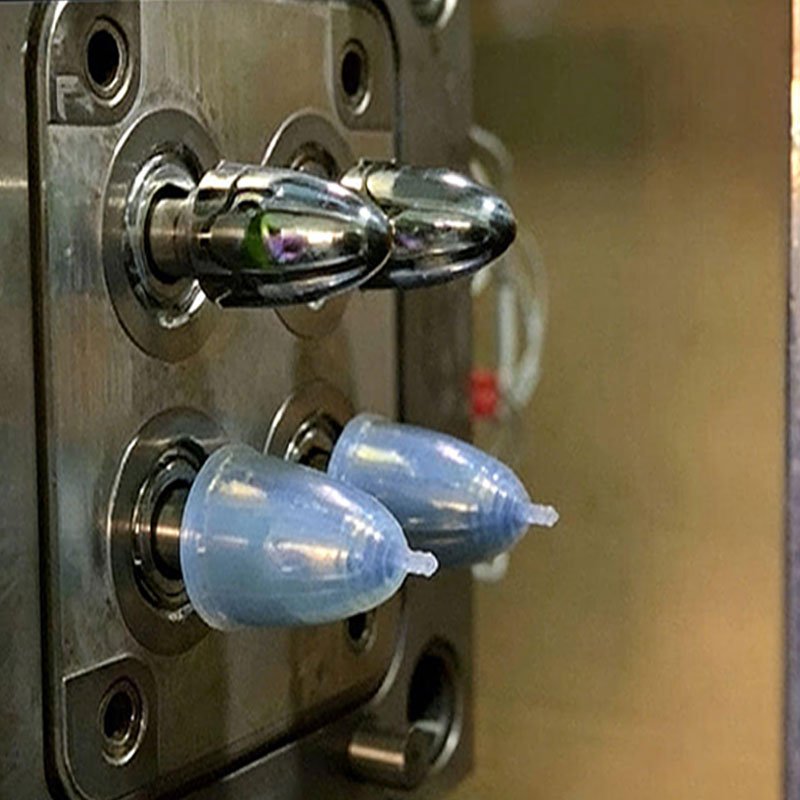
Injection molding (particularly LSR injection) is a fully automated process in which liquid silicone rubber is injected into a closed mold under high pressure.
Best for: High-volume production, intricate designs, or high-precision parts.
Cost profile: High equipment cost (3x+ compression molding), low labor cost, minimal waste. More expensive upfront but cost-effective for mass production (10,000+ units).
This method provides:
- Higher upfront tooling costs (approximately 2–3× compression molds)
- Faster production cycles
- Greater precision and consistency
- Lower labor involvement due to automation
- Suitability for complex geometries, tight tolerances, and high-volume production
From a cost optimization standpoint: compression molding tends to be more cost-effective for low-to-medium volume runs, while injection molding becomes the more economical choice at higher volumes due to faster cycle times and lower per-unit labor costs.
Extrusion Molding
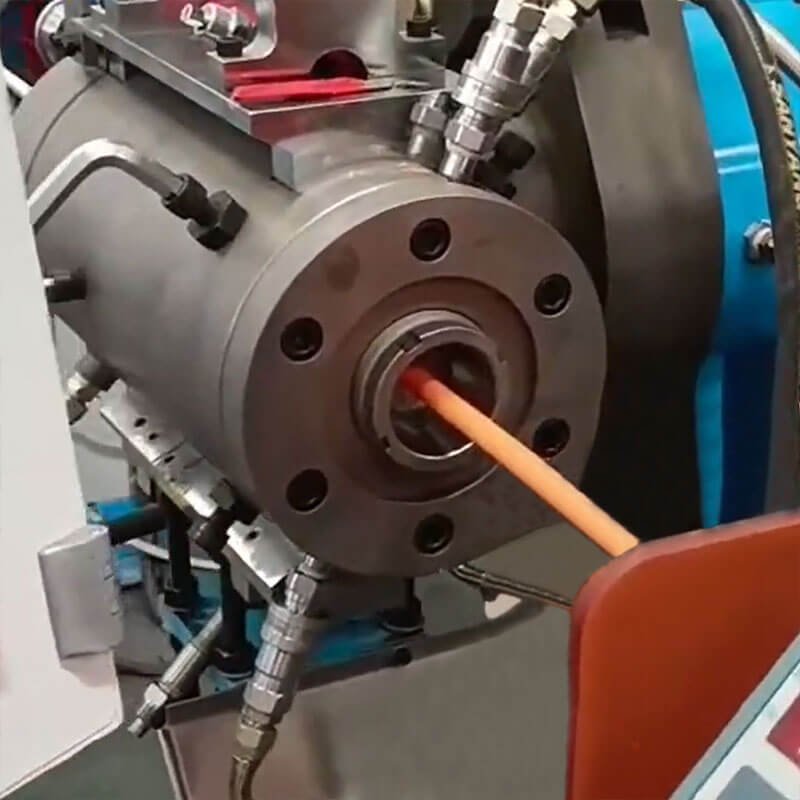
Extrusion molding is a continuous process in which uncured silicone compound is forced through a shaped die under pressure, then vulcanized (cured) as it passes through a heated tunnel or oven. Unlike compression or injection molding, extrusion does not use a closed cavity mold; instead, part geometry is defined by the die and downstream calibration tooling. This method is ideal for constant‑cross‑section profiles, tubes, cords, gaskets, and sealing strips.
Best for: Continuous profiles (e.g., silicone tubes, seals, strips).
Cost profile: Low mold cost, high automation. Economical for long, uniform parts.
This method provides:
- Lower upfront tooling costs compared to injection molding.
- High continuous production rates: extrusion lines can run 24/7 with minimal intervention, yielding per‑part cycle times measured in seconds per meter of profile.
- Limited to uniform cross‑sectional shapes: extrusions cannot incorporate undercuts, varying wall thicknesses, or complex 3D geometries. Post‑forming (such as splicing or bending) is sometimes possible but adds cost.
- Material efficiency: extrusion generates little scrap (typically 1–3% during start‑up and splices), especially when compared to compression molding’s flash waste (5–15%).
- Suitability for long‑run, simple‑profile products: ideal for weather seals, edge trim, silicone tubing, solid or sponge cords, and bulb seals.
Solid extrusion vs. Sponge extrusion: Sponge (foam) silicone requires a chemical blowing agent, adding approximately 20–35% to material cost and demanding tighter process control. Sponge extrusions are priced accordingly.
From a cost optimization standpoint:
- Compression molding tends to be more cost‑effective for low‑to‑medium volume runs (typically under 10,000 pieces) with simple geometries, where lower tooling costs outweigh longer cycle times and higher labor content.
- Injection molding becomes the more economical choice at higher volumes (often over 50,000–100,000 pieces for LSR) due to faster cycle times, lower per‑unit labor, and the ability to produce complex features and tight tolerances.
- Extrusion molding is the most economical process for continuous profiles with constant cross‑section at volumes exceeding 5,000 meters. Producing the same part via compression molding would be prohibitively labor‑intensive, and injection molding would be wasteful and slower.
For small-batch production (such as prototyping or production runs of fewer than 500 units), some manufacturers now offer 3D-printed silicone molds as an alternative, despite their relatively short mold lifespan.
Production Volume and Economy of Scale
Sales volume is perhaps the most intuitive factor influencing unit price, and also the most important one.
When production volume increases, per-unit costs decrease for several additive reasons:
- Tooling amortization: Fixed mold costs are spread across more units.
- Material purchasing power: Larger volume orders enable better material pricing.
- Setup efficiency: Shorter relative setup and changeover time per part.
- Automation justification: Higher volumes make capital equipment investments economical.
Industry examples vividly demonstrate the magnitude of this effect. Take silicone smartphone cases, for instance: if a prototype trial run consists of 100 units, the unit price is approximately $5.25. However, if production volume is increased to 3,000 units, the unit price drops to roughly $1.34 (a reduction of approximately 74%). Generally speaking, for most categories of silicone products, increasing production volume from 500 units to over 5,000 units typically results in a 40% to 70% reduction in per-unit costs.
The same principle applies to the bulk procurement of raw materials. Quotes from various manufacturers indicate that purchasing between 200 and 499 kilograms of raw silicone material results in a unit price of approximately $3.55 per kilogram. However, if the purchase volume reaches 1,000 kilograms or more, the unit price drops to roughly $3.23 per kilogram.
Small-batch production is often inevitably accompanied by higher unit costs, as various fixed costs must be amortized across a relatively small volume of finished products. Such as mold setup, mold depreciation, and equipment calibration. To address this challenge, a “modular mold design” utilizing aluminum rather than steel offers a practical solution. Compared to traditional steel injection molds, this design can reduce mold costs by approximately 90%, thereby effectively lowering the barrier to entry for small-batch production projects.
Post-Processing, Secondary Operations, and Certification
Many custom silicone products require additional manufacturing steps beyond the primary molding process. Each secondary operation adds measurable cost.
Trimming & Deflashing
- Manual trimming: Low cost, slow, inconsistent quality.
- Cryogenic deflashing: Automated, precise, but more expensive.
Surface Treatments
- Printing/laser engraving: For logos, text, or branding.
- Spray coating/drip coating: For texture, color, or protection.
- Mirror polishing: For high-gloss finishes.
Assembly & Packaging
- Combining silicone with plastic/metal parts increases labor and material costs.
- Custom packaging (e.g., blister packs, gift boxes) adds to the final price.
Design Complexity & Tolerance Requirements
Precision and design intricacy directly affect manufacturing difficulty and cost.
- Standard tolerances (±0.1mm): Loose, low cost.
- Tight tolerances (±0.01–0.05mm): Require high-precision molds and equipment—increasing costs by 30–100%.
- Ultra-thin walls (≤0.5mm) or complex geometries (e.g., undercuts, hollow structures) demand advanced engineering and slower production cycles.
Testing and Quality Assurance
Ensuring the quality and performance of your silicone products is non-negotiable. We implement rigorous testing and quality control measures throughout the manufacturing process, including:
- Material Testing: Verifying the properties of raw materials, such as tensile strength, elongation, hardness, and temperature resistance.
- Dimensional Inspection: Using precision measuring tools to ensure parts meet design specifications and tolerances.
- Performance Testing: Simulating real-world conditions to evaluate product durability, chemical resistance, and functionality.
While these testing procedures add to the overall cost, they are essential for delivering reliable and consistent products that meet or exceed industry standards.
Labor, Energy, and Environmental Compliance Costs
The labor intensity of silicone manufacturing varies significantly by process. Compression molding, with its manual material placement and trimming, typically has higher labor costs per part than automated LSR injection molding. Advanced manufacturing facilities that implement robotics and AI-driven quality control have reported labor cost reductions of up to 30% through automated trimming, cleaning, and inspection systems.
Energy consumption is another meaningful component of production cost. Silicone production is energy-intensive by nature—the synthesis and curing processes require sustained heat and pressure. Comprehensive energy consumption for silicone production is typically 2–2.5 tons of standard coal equivalent per ton of output at the upstream monomer stage.
Environmental compliance costs have become increasingly significant. In some jurisdictions, environmental compliance costs already account for over 10% of total production costs, with burden falling particularly heavily on smaller manufacturers. This includes costs associated with waste treatment, emissions control, and regulatory reporting.
These costs are generally absorbed into the quoted piece price rather than being itemized separately. However, they help explain why silicone product pricing may differ between suppliers in different geographic regions with varying environmental regulations and energy costs.
Conclusion
Silicone product costs are determined by a holistic mix of material quality, mold design, production process, order volume, certifications, post-processing, and design precision. While it may be tempting to choose the cheapest quote, cutting corners on material grade, mold quality, or compliance can lead to product failure, safety risks, or costly rework in the long run.
For businesses seeking cost-effective, high-quality custom silicone products, the optimal approach is to:
- Match material grade to application needs (avoid over-specifying).
- Simplify designs where possible to reduce mold complexity.
- Order in bulk to leverage economies of scale.
- Partner with a reliable silicone manufacturer that balances quality, compliance, and affordability.