Is Silicone Hypoallergenic? Everything You Need to Know About Silicone Allergy. Silicone is one of the most widely used materials in consumer goods, medical devices, baby products, and kitchenware, celebrated for its hypoallergenic properties, chemical inertness, and flexibility. While true silicone allergy is extremely rare, reported skin reactions to silicone products have risen in recent years, sparking confusion among consumers. So what is the actual truth about silicone allergies, and how concerned should you really be?
This article will provide you with a better understanding of common and rare silicone allergy symptoms, preventative measures, and treatment options.
What Is Silicone Allergy?
A silicone allergy occurs when an individual’s immune system reacts to silicone or silicone-containing products. An abnormal immune response (Type IV delayed hypersensitivity) triggered by contact with silicone or its by-products. Unlike irritant reactions (caused by friction, moisture, or chemicals), a true allergy involves the immune system mistakenly identifying silicone as a harmful substance, leading to inflammatory symptoms.
Medically, true silicone allergy is extremely rare, but not impossible. Most reactions attributed to silicone are usually caused by additives or impurities in silicone products, rather than the silicone itself. Common symptoms associated with silicone sensitivity include:
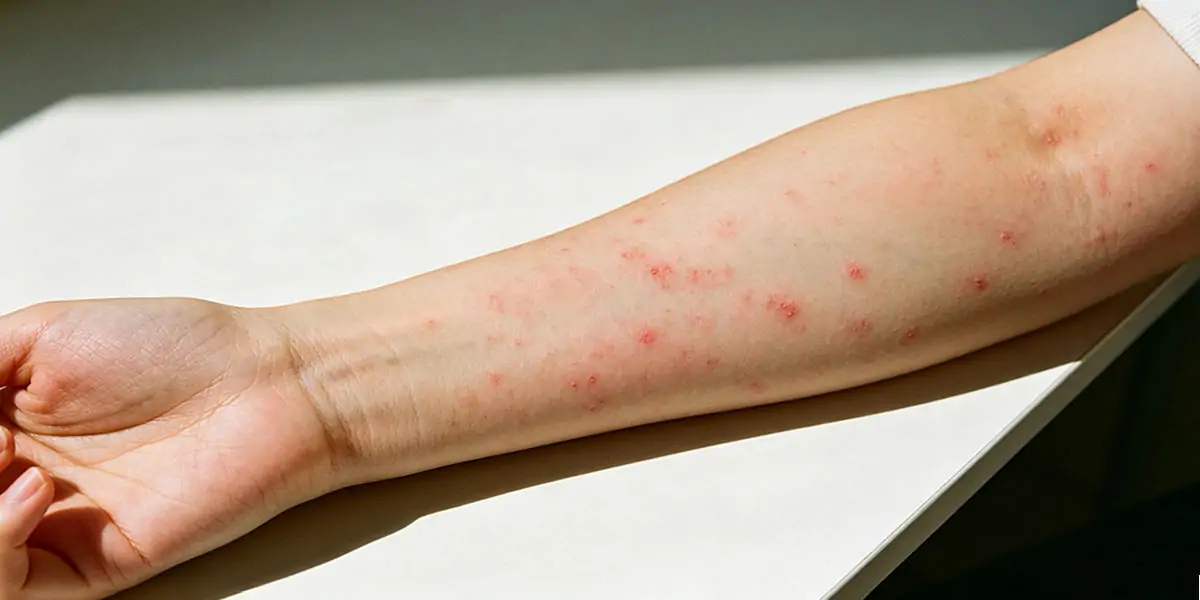
- Skin redness or rash
- Itching or irritation
- Swelling at the contact site
Severe systemic allergic reactions to silicone are uncommon and have limited scientific documentation.
Is Silicone Allergy Common?
Genuine allergy to pure, high-grade silicone (polydimethylsiloxane, PDMS) is clinically rare, with documented cases accounting for less than 0.1% of the general population. Most adverse reactions to silicone products are irritant contact dermatitis or responses to impurities, not the silicone polymer itself.
Critical Distinction: Allergy vs. Irritation
- True Silicone Allergy: Immune-mediated, delayed onset (12–72 hours post-contact), rare.
- Irritant Contact Dermatitis: Non-immune, caused by trapped moisture, poor ventilation, or surface residues; common, often mistaken for allergy.
Who Is at Risk of Silicone Allergy?
People with sensitive skin or pre-existing allergies may be more prone to minor irritation from silicone products. For example, medical-grade silicone used in implants, baby pacifiers, or kitchenware is highly purified and tested for safety, reducing the likelihood of reactions. However, lower-grade silicone products, or those containing dyes, fillers, or additives, may occasionally trigger mild skin reactions in sensitive individuals.
Can You Actually Be Allergic to Silicone?
Medical literature confirms that silicone allergies do exist, though they are consistently described as rare. Peer-reviewed studies and case reports have documented allergic reactions to silicone in various medical contexts, including:
- Ventriculoperitoneal shunts: Silicone allergy has been identified as a rare cause of shunt failure, sometimes mimicking infection.
- Cochlear implants: Allergy to silicone has been documented as a rare but possible cause of implant extrusion.
- Swimming goggles: Cases of allergic contact dermatitis have been reported from silicone goggle components, with symptoms including itching, erythematous papules, and even depigmentation around the eyes.
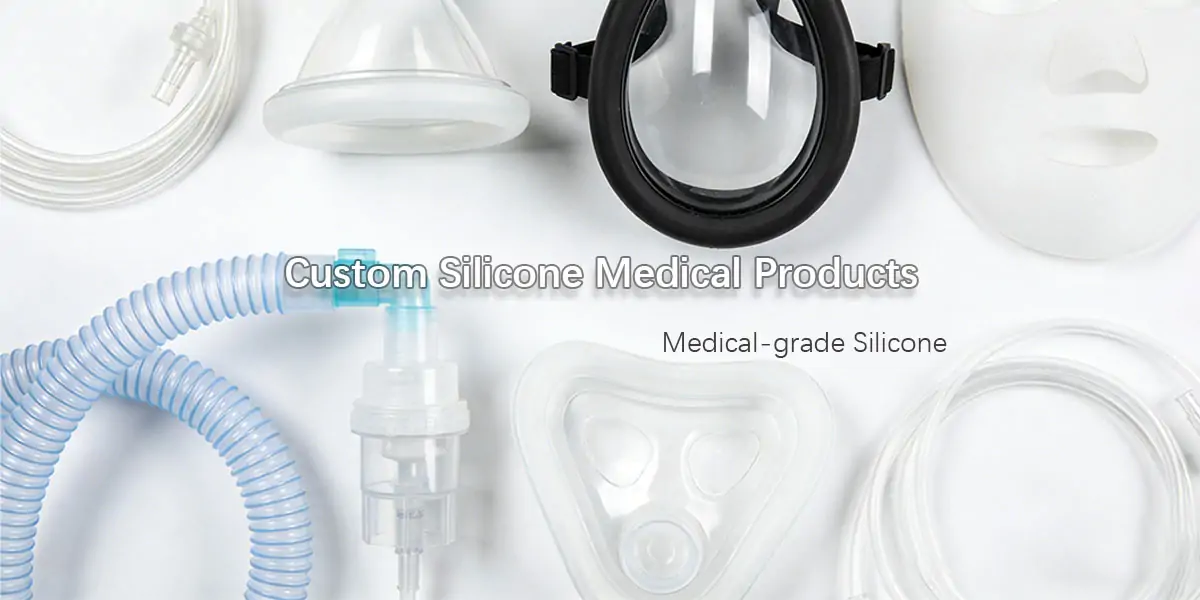
- CPAP masks: Multiple patient reports describe reactions to silicone mask components, with symptoms ranging from facial inflammation and soreness to sneezing and runny nose.
One systematic review noted that “allergic reactions to silicone rubber have been increasingly reported and are of importance in medical and military personnel”. Meanwhile, another study examined whether inflammatory reactions associated with silicone hydrogel contact lens wear are caused by silicone allergy and concluded that they are not caused by an allergic reaction to silicone alone.
The medical consensus can be summarized as follows:
Silicone allergy is real, but rare. Most reactions occur in specific medical or occupational settings involving prolonged implant contact or repeated exposure. For everyday consumers using silicone products externally or short-term, the risk remains extremely low.
Common Symptoms of Silicone Allergy
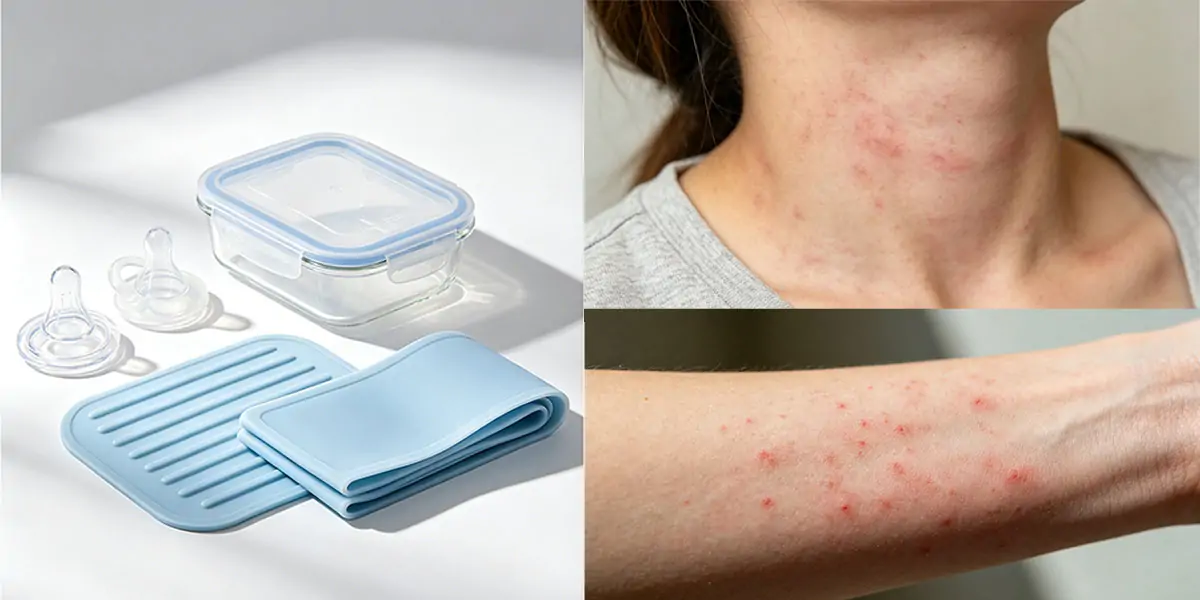
Allergic reactions to silicone manifest in various ways, depending on the type of contact, duration of exposure, and individual immune sensitivity. Symptoms typically appear at the contact site and range from mild to severe. Systemic reactions are exceptionally rare and mostly linked to long-term medical implant use. Symptoms may appear within hours or days after contact.
1. Skin Reactions (Most Common): Contact dermatitis is the most frequently reported manifestation of silicone allergy. Common symptoms include:
- Redness and erythema (skin inflammation)
- Itching (pruritus), sometimes severe
- Swelling or edema at the contact site
- Urticarial plaques (hives)
- Blisters or weeping sores in more severe cases
CPAP mask users have described “weeping sores, poor healing, itching, draining, and even wheezing” following silicone exposure. In some documented cases, swimmers developed periocular dermatitis from silicone goggles, with depigmentation and erythematous papules appearing around both eyes.
2. Respiratory Symptoms: Less commonly, silicone contact can trigger respiratory reactions such as:
- Sneezing
- Runny nose (rhinorrhea)
- Wheezing or difficulty breathing
One Mayo Clinic patient reported developing “full blown sneezing, runny nose symptoms that would last for many days even if I stopped using the mask” after wearing a silicone CPAP mask.
3. Systemic Reactions (Rare): Systemic reactions are extremely rare with silicone but have been documented in cases involving silicone implants or repeated exposure.
These may include:
- Fatigue and chronic tiredness
- Muscle aches and joint pain
- Brain fog or memory loss
- Dizziness and sensitivity to cold
It is important to note that the association between silicone implants and systemic autoimmune-like symptoms remains debated in the medical literature. Some studies link silicone to allergic reactions and the development of systemic autoimmune diseases, while other studies find no such associations.
Disclaimer: If you experience any concerning symptoms after using silicone products, consult a healthcare professional for proper diagnosis. Symptoms described above are documented case reports, not a diagnosis or medical advice.
What Causes Reactions to Silicone Products?
Most people who believe they have a silicone allergy may actually be experiencing something else entirely. Understanding the difference is crucial for proper treatment and product selection. Several factors may increase the likelihood of developing a silicone allergy:
- Prolonged or repeated exposure: Individuals requiring multiple device replacements (such as repeated shunt surgeries) may be at higher risk of developing rejection to silicone materials.
- Implanted vs. topical use: Implanted devices that remain in the body long-term carry a higher theoretical risk of immune reaction than products used externally on the skin.
- Individual immune sensitivity: As with all allergies, some individuals have immune systems that are more reactive to foreign materials than others.
- Cross-reactivity and pre-existing conditions: People with existing autoimmune conditions or latex allergies should consult healthcare professionals about silicone compatibility. Silicone does not contain latex proteins and is often recommended as a latex-alternative material.
- Additives and Impurities: True silicone allergies are rare. When a reaction does occur, it is often caused by additives or impurities in silicone products, rather than the silicone polymer itself. Different manufacturers use different formulations, so products made with platinum-cured, high-purity silicone are less likely to cause reactions than those containing peroxide-cured silicone or chemical additives.
- Irritant Contact Dermatitis (Non-Allergic contact dermatitis): Not every rash is an allergy. Irritant contact dermatitis is a non-allergic skin reaction caused by direct damage to the skin barrier. This can occur from: Friction or pressure from ill-fitting silicone devices (e.g., CPAP masks); heat or sweat trapped under silicone materials; prolonged occlusion of the skin.
- Latex Allergy Confusion: Silicone and latex are completely different materials, yet they are sometimes confused in consumer discussions. Latex allergies are relatively common (affecting an estimated 1–6% of the general population), while silicone allergies are exceptionally rare. Silicone does not contain latex proteins and is widely recommended as a safe alternative for individuals with latex allergy.
- Biofilm or Hygiene Issues: Porous or poorly cleaned silicone products can harbor bacteria, mold, or biofilm. These biological contaminants can cause skin irritation or infection that may be mistaken for an allergic reaction. Regular, thorough cleaning of reusable silicone items is essential.
- Underlying Skin Conditions: Individuals with eczema (atopic dermatitis), sensitive skin, or compromised skin barriers may experience general sensitivity to many materials. Not just silicone. In these cases, the underlying condition, not the material itself, is the primary cause of symptoms.
How Are Silicone Allergies Diagnosed?
Diagnosis of a silicone allergy is challenging because reactions are rare and often mild. Dermatologists may recommend:
- Patch Test: A small amount of silicone extract is applied to your skin (usually on the back) and covered with a patch. After 48 to 72 hours, the patch is removed, and your skin is checked for a reaction.
- Skin Prick Test: Less common for silicone allergies, but may be used to test for immediate hypersensitivity. A tiny amount of silicone solution is pricked into the skin, and a reaction is observed within 15 to 20 minutes.
- Medical history review: Evaluating previous reactions to silicone-containing products or devices.
- Exclusion of other allergens: Determining whether reactions are caused by other materials like latex, dyes, or adhesives.
How to Choose Safe Silicone Products?
For manufacturers sourcing silicone products for sensitive markets, prioritizing certified, high-purity materials is essential. For consumers looking to avoid reactions, the same principles apply.
Key Selection Criteria
| Feature to Prioritize | Why It Matters |
| 100% platinum-cured silicone | More complete curing, fewer residues |
| ISO 10993 tested/compliant | Validated biocompatibility and low sensitization potential |
| FDA 21 CFR or EU 1935/2004 certified | Meets food-grade safety standards |
| Dye-free / fragrance-free / additive-free | No extra chemicals to trigger reactions |
| USP Class VI (for medical applications) | Highest biocompatibility certification |
What to Avoid
- Products with added fragrances, colors, or antimicrobial agents (unless medically indicated).
- Peroxide-cured silicone for sensitive skin applications.
- Poorly labeled products that do not specify material composition.
- Unbranded or uncertified silicone from unknown sources.
Testing and Patch Testing
If you suspect a silicone allergy, a dermatologist may perform patch testing to confirm the diagnosis. Patch tests with specific rubber compounds (including thioureas, thiurams, and platinum) may reveal the true culprit. This is the only reliable way to confirm silicone as the specific allergen.
How Is a Silicone Allergy Treated?
If you experience a reaction to a silicone product, immediate steps can help manage symptoms. However, always consult a healthcare professional for proper diagnosis and treatment.
Immediate Steps
- Remove the silicone product immediately upon noticing redness, itching, or rash.
- Wash the affected area with mild soap and water to remove any residue.
- Apply cool compresses to soothe irritated skin.
When to Seek Medical Attention
- Symptoms persist or worsen after removing the product.
- Swelling spreads beyond the contact area.
- You experience difficulty breathing, wheezing, or chest tightness.
- The reaction involves the face, mouth, or throat.
Note: The information provided is for educational purposes only and does not constitute medical advice. Always consult a qualified healthcare provider for diagnosis and treatment of any medical condition, including suspected allergies.
Long-Term Management
There is no cure for any allergy, including silicone allergy. The most effective long-term management strategy is avoidance of the triggering material. For individuals with confirmed silicone allergy:
- Identify and avoid products containing silicone (or the specific additive causing reactions).
- Seek alternative materials such as cloth, foam, or metal where applicable.
- Choose certified, additive-free silicone products if silicone must be used.
Preventing Silicone Allergies
While you can’t cure a silicone allergy, there are steps you can take to manage symptoms and prevent future reactions:
1. Avoid Contact with Silicone Products
- Check product labels for “silicone,” “polydimethylsiloxane (PDMS),” or “siloxane” as ingredients.
- Opt for alternative materials like glass, stainless steel, or BPA-free plastic for kitchenware and personal items.
- If you need to use silicone products, wear gloves or barrier creams to minimize direct skin contact.
2. Choose High-Quality Silicone Products
- Look for products labeled “medical-grade” or “hypoallergenic.” These are less likely to contain harmful additives.
- Look for platinum-cured silicone (no peroxide residues)
- Verify certifications: FDA food-grade, LFGB, or medical-grade
- Avoid cheap products with strong odors or sticky surfaces
As a custom silicone products manufacturer, Siliconexy ensure our products are made from 100% pure silicone with no toxic fillers. Our rigorous testing process guarantees compliance with global safety standards (FDA, REACH, LFGB).
3. Practice Good Skin Care
- Keep skin clean and moisturized to reduce irritation.
- Avoid scratching affected areas, as this can lead to infection.
- Use over-the-counter hydrocortisone cream or antihistamines to relieve mild symptoms. Consult a doctor for severe reactions.
Conclusion
Silicone allergy is rare, and most people can safely use silicone products without adverse effects. True reactions are usually mild and limited to skin irritation, while severe allergic reactions are uncommon. Choosing high-quality, tested silicone products and being aware of additives can further reduce potential risks. For individuals with known sensitivities, consulting a dermatologist before prolonged exposure is recommended.
By understanding silicone allergies objectively, consumers and manufacturers can make safe, informed choices for daily-use silicone products, baby care items, and medical devices.
Frequently Asked Questions:
Q: Are silicone allergies more common in children?
A: No, silicone allergies affect adults and children equally. However, children may be more prone to irritant contact dermatitis from frequent use of silicone products like pacifiers or teething toys.
Q: Can you develop a silicone allergy later in life?
A: Yes. It’s possible to develop an allergy to silicone even if you’ve used it without issues for years. Changes in the immune system or prolonged exposure to low-quality silicone products can trigger a reaction.
Q: Are silicone medical devices safe for people with allergies?
A: Most people with silicone allergies can still use medical-grade silicone devices, as they are highly purified. However, it’s important to inform your doctor about your allergy before any medical procedure.
Q: Is silicone hypoallergenic?
A: Yes, silicone is widely recognized as hypoallergenic, meaning it is less likely to cause allergic reactions compared to other materials.
Q: Can a true silicone allergy be cured?
A: No. Like all allergies, there is no cure. The most effective management is avoidance of the triggering material.
Q: Is silicone safe for people allergic to latex?
A: Yes. Silicone does not contain latex proteins and is considered a safe alternative for individuals with latex allergy.
Q: Can silicone cause skin rash?
A: Yes, in rare cases. However, many rashes attributed to silicone are actually caused by additives (such as dyes, fragrances, or curing residues) or non-allergic factors like friction or heat.
Q: How do I test for silicone allergy?
A: A dermatologist can perform patch testing with silicone components and rubber chemicals to determine if silicone or another substance is the cause of your reaction.
Q: Is medical-grade silicone safer than regular silicone?
A: Medical-grade silicone undergoes more rigorous biocompatibility testing (ISO 10993) and is held to higher purity standards, making it the best choice for individuals with known sensitivities.
Q: Can silicone implants cause autoimmune disease?
A: The medical literature is divided on this question. Some studies have documented associations, while others have found no significantly increased risk. Always consult with a qualified healthcare provider regarding individual medical decisions.