Noise-induced hearing loss is a real concern. According to the CDC, about 1 in 4 American adults suffer from some degree of noise-induced hearing loss, which occurs when the delicate hairs in the inner ear are irreversibly damaged by prolonged or intense noise exposure. Using proper hearing protection is one of the most effective ways to prevent this damage.
When it comes to protecting your hearing, getting a good night’s sleep, or keeping water out of your ears while swimming, earplugs are an essential tool. But with so many options on the market, the choice often comes down to two popular materials: silicone and foam. Both have distinct advantages and trade-offs, and the “best” option depends entirely on how you plan to use them.
As a professional silicone consumer goods manufacturer, we’ll break down the facts objectively, compare their pros and cons, and help you decide which type fits your lifestyle best.
The definitions of silicone earplugs and foam earplugs
Before exploring the differences between silicone earplugs vs foam earplugs, it is important to understand their definitions and what makes up each of them. Here’s a rundown of their main production materials, their benefits, and how they work.
What Are Silicone Earplugs?
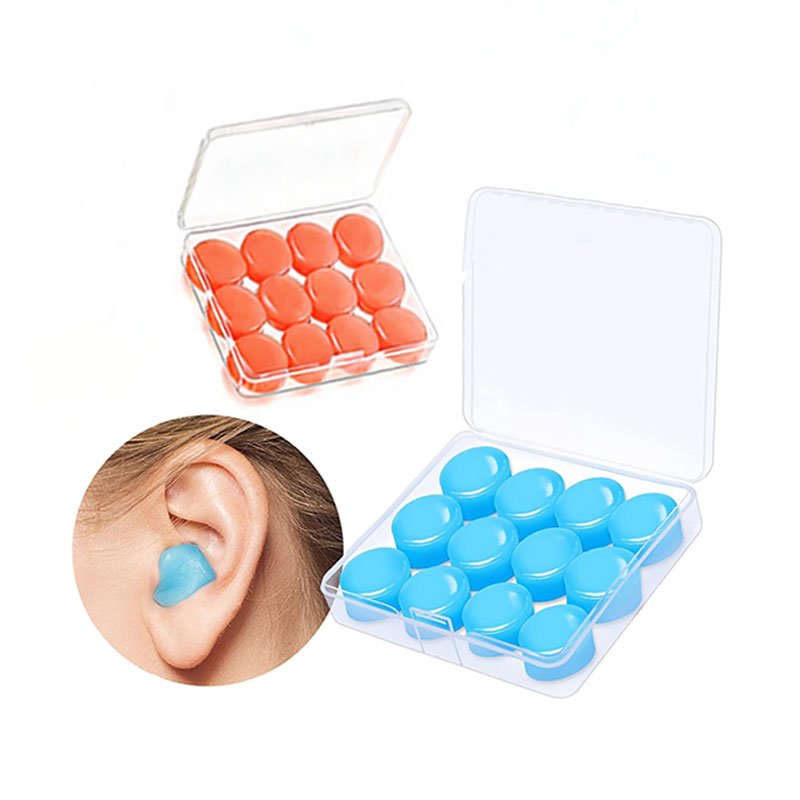
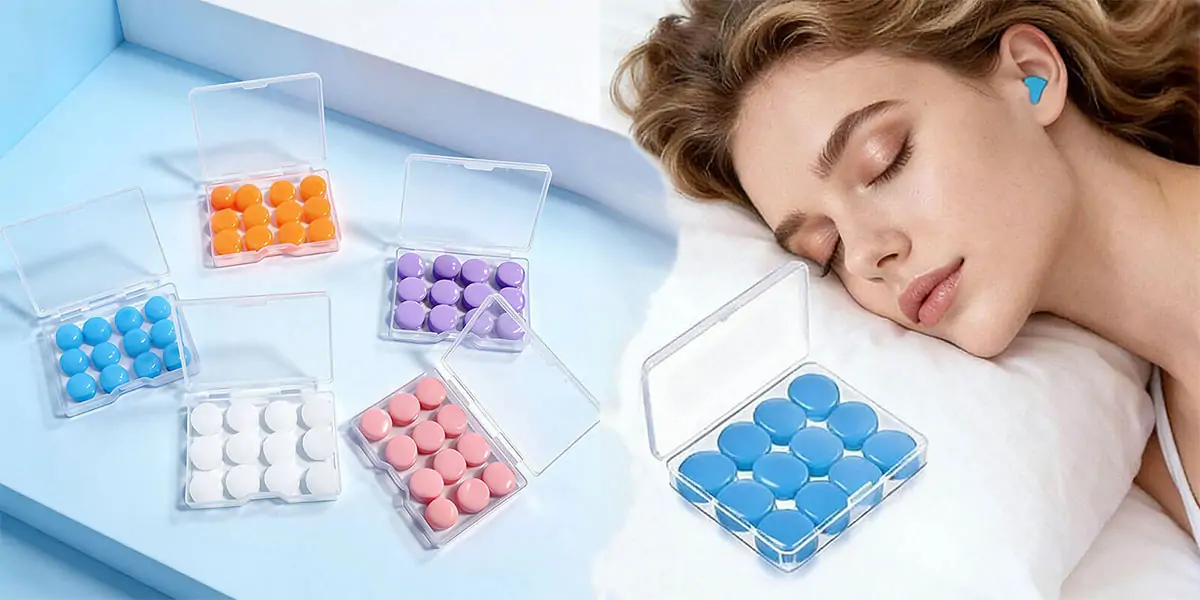
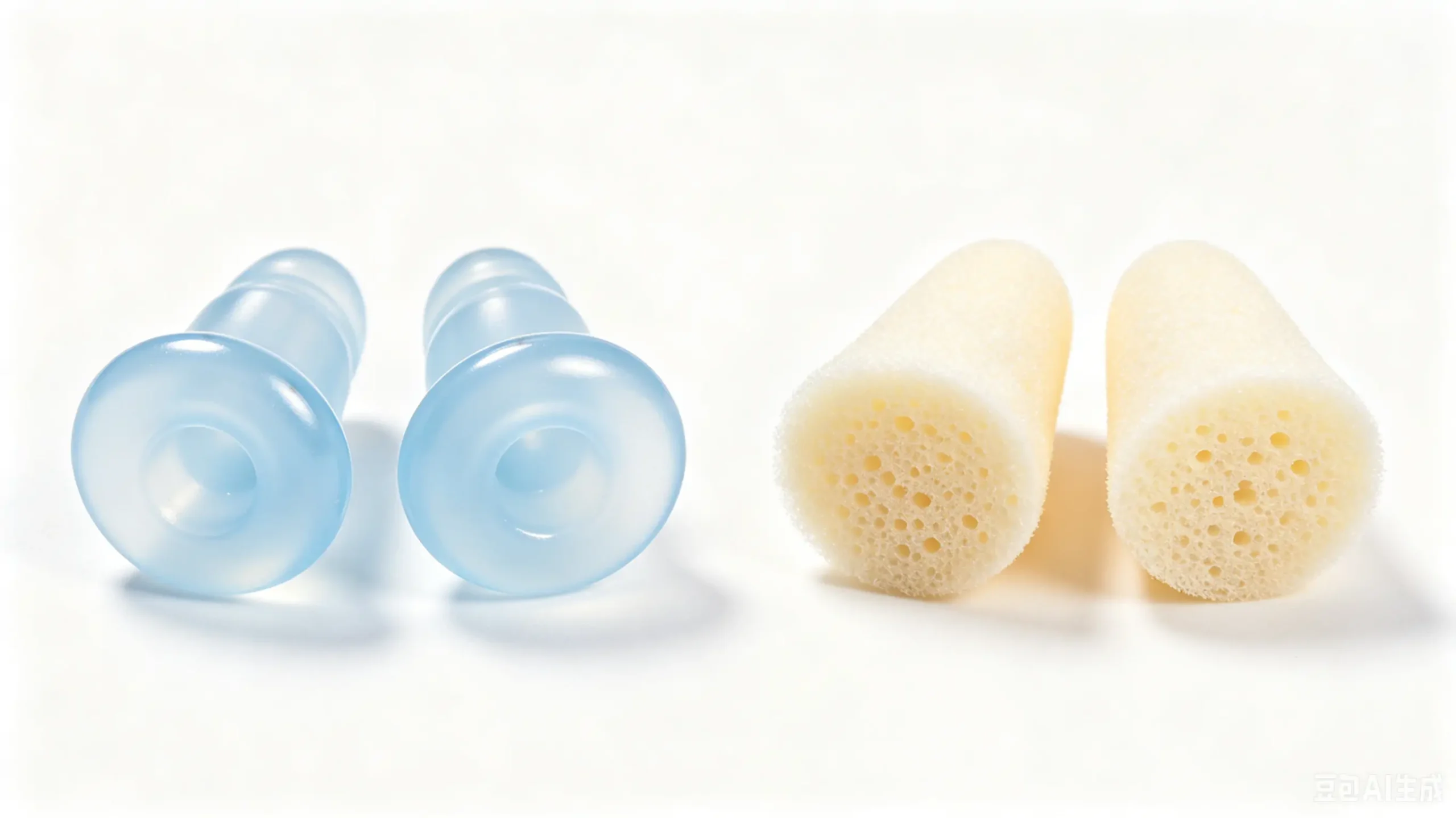
Silicone earplugs are made from medical-grade, hypoallergenic silicone, available in two main styles: moldable putty silicone (soft, malleable balls) and pre-molded flanged silicone. They sit on the outer ear canal (not deep inside) to create a tight, waterproof seal over the ear opening. Unlike foam earplugs, most silicone models are designed to seal over the ear canal opening rather than being inserted deep into the canal itself.
Key Features of Silicone Earplugs
- NRR: Typically 22–23 dB (some premium models reach 27–30 dB).
- Reusability: Fully reusable for months with proper care.
- Waterproof: 100% water-resistant, ideal for swimming, showering, or water sports.
- Hypoallergenic: Latex-free, safe for sensitive skin and allergies.
- Comfort: Soft, non-expanding material—no pressure points for side sleepers.
The disadvantages of silicone earplugs
Silicone earplugs are more expensive than foam earplugs, and thus are usually classified as the most expensive category of earplugs. Although the initial cost is higher, silicone earplugs have advantages over other products in the long run. Unlike foam, which is typically discarded after the first use, silicone can be cleaned and reused.
What Are Foam Earplugs?
Foam earplugs are the most widely recognized type of hearing protection. Made from soft, compressible polyurethane or polyvinyl chloride (PVC) memory foam, they are designed to be rolled into a tight cylinder, inserted into the ear canal, and then allowed to expand to create a snug, custom-fitting seal.
Key Features of Foam Earplugs
- NRR: Higher than silicone, ranging 28–33 dB (the highest for consumer earplugs).
- Disposability: Single-use (or limited reuse for 3–5 nights) due to pore degradation.
- Noise Blocking: Superior for loud environments (concerts, construction, heavy snoring).
- Cost: Budget-friendly—sold in bulk packs for low per-unit pricing.
- Fit: Expands to fit most ear canals, even irregular shapes.
The disadvantages of foam earplugs
- The porous nature of foam earplugs makes it easy for more bacteria to grow, so you must regularly clean and replace them.
- Cannot completely seal the ear canal.
- Designed for short-term or one-time use.
- The foam earplug caps are prone to accumulating earwax and may cause infection.
- Not suitable for people who are allergic to silicone.
Silicone vs Foam Earplugs: The Difference Between Them
1. Noise Reduction
The Noise Reduction Rating (NRR) is a measure of how effectively earplugs reduce noise. It’s important to note that the actual noise reduction you experience may be lower than the NRR due to factors like fit and usage.
Understanding Noise Reduction Rating (NRR)
Before comparing specific types, it’s important to understand how earplug effectiveness is measured. The Noise Reduction Rating (NRR) is a standard metric used in the United States to indicate how many decibels of sound a hearing protection device can block under laboratory conditions. The higher the NRR, the greater the potential noise reduction.
Most earplugs on the market have NRR ratings between 15 and 30 decibels, with a typical maximum of 33 dB for earplugs. To put this in context, normal conversation is around 60 dB, while a rock concert can reach 120 dB—well into the range that can cause hearing damage with prolonged exposure. The National Institute for Occupational Safety and Health (NIOSH) recommends using hearing protection when exposed to noise levels at or above 85 dBA.
Difference in Noise Reduction
- Foam earplugs typically offer the highest NRR among non-custom earplugs, generally ranging from 28 to 33 dB, with premium models claiming up to 36 or even 44 dB. This superior blocking power makes foam earplugs the go-to choice for extremely loud environments such as construction sites, manufacturing facilities, concerts, and shooting ranges.
- Silicone earplugs generally provide moderate noise reduction, with NRR ratings typically ranging from 22 to 23 dB for standard moldable types. Some filtered silicone models, may offer NRR ratings between 16 and 30 dB, depending on the filter configuration and design. Such as those designed for concerts or travel.
While this is lower than the maximum achievable with foam earplugs, this level of reduction is entirely adequate for moderate noise environments such as office chatter, light household noise, snoring from a bed partner, or general urban ambient noise. Foam plugs provide up to 33 dB of noise reduction, silicone plugs usually offer 24–30 dB, while wax plugs average around 23 dB.
2. Comfort and Fit
Comfort is a crucial factor when choosing earplugs, especially if you plan to wear them for extended periods.
Silicone Earplugs
Silicone earplugs are widely regarded as comfortable for extended wear, particularly for side sleepers. Because they sit at the ear opening rather than deep within the canal, they exert less internal pressure and are less likely to cause the ear pain that some foam users experience. Moldable silicone putty can be shaped by hand to fit any ear size or shape, making them a good option for people with unusually small or large ear canals.
- Material: Made from soft, flexible silicone that conforms to the shape of your ear canal.
- Fit: Silicone earplugs come in a variety of shapes and sizes, including flanged, moldable, and pre-formed. This allows for a customizable fit that can be adjusted to your ear canal.
- Comfort: Many people find silicone earplugs more comfortable than foam earplugs, especially if they have sensitive ears. They are also less likely to cause pressure points or discomfort when worn for long periods.
Foam Earplugs
When inserted correctly, foam earplugs provide a soft, cushion-like feel that conforms to the unique shape of your ear canal. Many users find them comfortable for extended wear, particularly for sleeping, as the memory foam material creates just enough pressure to stay secure without causing significant discomfort. However, they can feel bulky against the pillow for side sleepers and may cause ear pain or pressure if over-inserted or if the size is too large for the user’s ear canal.
- Material: Made from soft, porous foam that expands when inserted into the ear canal.
- Fit: Foam earplugs require proper insertion to create a tight seal. They should be rolled into a thin cylinder, inserted into the ear canal, and held in place until they expand.
- Comfort: Foam earplugs can be very comfortable when properly fitted, but some people find them uncomfortable if they are not inserted correctly or if they expand too much. They may also cause pressure points or discomfort if worn for extended periods.
3. Durability and Reusability
The durability and reusability of earplugs are important considerations, especially if you plan to use them frequently.
Foam Earplugs
Foam earplugs are generally designed for single use. While some users reuse them for a few nights before they lose their expansion properties or become dirty, each use degrades the foam’s ability to compress and expand properly. Reusing foam earplugs can also lead to bacterial buildup, as the porous material traps earwax, sweat, and debris. For users who prioritize freshness and hygiene, simply use a fresh pair and discard after each use.
- Durability: Foam earplugs are designed to be disposable and should be replaced after each use. They can tear or break easily, especially if they are not handled properly.
- Reusability: While some foam earplugs can be reused a few times, they are not as durable as silicone earplugs and should be replaced regularly to ensure optimal performance.
Silicone Earplugs
This is where silicone earplugs have a clear advantage. Medical-grade silicone earplugs are reusable and can be washed with mild soap and water between uses. With proper care, a single pair can last for several weeks to several months, and some high-quality silicone earplugs are rated for up to 100 uses or more. This reusability makes them significantly more cost-effective over time for regular users, as well as more environmentally friendly.
- Durability: Silicone earplugs are generally more durable than foam earplugs, as they are less likely to tear or break. They can also be cleaned and reused multiple times, making them a more cost-effective option in the long run.
- Cleaning: Silicone earplugs can be cleaned with soap and water or a mild disinfectant. It’s important to dry them thoroughly before storing them to prevent the growth of bacteria or mold.
4. Water Resistance
Silicone earplugs are completely waterproof, making them the preferred choice for swimming and water sports. They create a reliable seal over the ear canal opening that effectively prevents water from entering, reducing the risk of swimmer’s ear and other water-related ear infections.
Foam earplugs, by contrast, absorb water and are not suitable for swimming. They will become saturated, lose their expansion properties, and fail to provide any meaningful protection.
- Foam: Not waterproof. Absorbs water, loses elasticity, and becomes ineffective when wet.
- Silicone: 100% waterproof. Creates a tight seal to block water that ideal for swimming, surfing, or showering.
5. Allergies & Safety
Silicone for allergy-prone users and safety.
- Foam: May contain latex or chemical irritants. Can cause itching or rashes for sensitive users.
- Silicone: Medical-grade silicone, latex-free, hypoallergenic that safe for all skin types, including children and sensitive ears.
Silicone vs Foam Earplugs: Head-to-Head Comparison Table
| Feature | Foam Earplugs | Silicone Earplugs |
|---|---|---|
| Typical NRR (standard models) | 28–33 dB | 22–30 dB |
| Maximum NRR achievable | Up to 36–44 dB (select premium models) | Approximately 24–30 dB (standard) |
| Reusability | Designed for single use; limited reuse possible | Reusable up to 100+ times with proper care |
| Cleaning | Not washable; discard when dirty | Washable with mild soap and water |
| Lifespan | Hours to a few days | Weeks to months |
| Water protection | Poor (absorbs water) | Excellent (waterproof) |
| Typical use cases | High-noise industrial work, shooting, concerts (basic foam), sleeping | Sleeping (side sleepers), swimming, travel, concerts (filtered models), daily noise management |
| Comfort for side sleepers | Can feel bulky; may cause pressure | Low-profile; less internal pressure |
| Upfront cost | Very low | Moderate to high |
| Long-term cost (daily use) | Higher due to frequent replacement | Lower due to reusability |
Best Uses
The best type of earplugs for you will depend on your specific needs and usage.
Silicone Earplugs
- Sleep: Silicone earplugs are a good choice for sleep, as they are comfortable to wear and can reduce noise from snoring, traffic, or other distractions.
- Swimming: Silicone earplugs are waterproof and can help prevent water from entering the ear canal, making them ideal for swimming or other water activities.
- Travel: Silicone earplugs are compact and easy to carry, making them a great choice for travel. They can help reduce noise from airplanes, trains, or buses, allowing you to sleep or relax during your journey.
- Loud Events: Silicone earplugs are effective at reducing high-frequency noises, making them a good choice for loud concerts, sporting events, or other noisy environments.
Foam Earplugs
- Sleep: Foam earplugs are a popular choice for sleep, as they provide excellent noise reduction and are comfortable to wear. They can help block out noise from snoring, traffic, or other distractions, allowing you to get a good night’s sleep.
- Travel: Foam earplugs are also a good choice for travel, as they are compact and easy to carry. They can help reduce noise from airplanes, trains, or buses, allowing you to sleep or relax during your journey.
- Work: Foam earplugs are often used in workplaces where there is high noise exposure, such as construction sites, factories, or airports. They can help protect your hearing from damage caused by loud machinery or equipment.
- Loud Events: Foam earplugs are effective at reducing overall noise levels, making them a good choice for loud concerts, sporting events, or other noisy environments.
Which Earplugs Should You Choose?
Ultimately, the decision between silicone and foam earplugs comes down to your personal preferences and needs. Here are some factors to consider when making your choice:
Choose Foam Earplugs If:
- You need maximum noise reduction for extremely loud environments (construction sites, factories, shooting ranges, very loud concerts with basic foam).
- You prefer a fresh, disposable pair each time for hygiene reasons.
- You use earplugs only occasionally and want the lowest upfront cost.
- You don’t mind the sensation of having earplugs inserted deep into your ear canal.
Choose Silicone Earplugs If:
- You need hearing protection on a regular or daily basis (such as for sleep or commuting).
- You are a side sleeper and find foam earplugs uncomfortable or painful.
- You need waterproof earplugs for swimming, bathing, or water sports.
- You prefer a reusable, washable option for environmental and cost reasons.
- You attend concerts or musical events and want high-fidelity earplugs that reduce volume without distorting sound quality.
- You have sensitive ears or are allergic to certain foam materials (silicone is hypoallergenic).
Common Myths Debunked
Myth1: Silicone earplugs are less effective than foam.
- Fact: While foam has higher NRR, silicone’s 22–27 dB is sufficient for most daily noise (sleep, travel, office). Its strength lies in comfort and reusability, not just raw noise blocking.
Myth2: Foam earplugs can be reused indefinitely.
- Fact: Foam’s porous structure breaks down after a few uses, trapping bacteria and losing elasticity. Reusing old foam earplugs increases the risk of ear infections.
Myth3: Silicone earplugs fall out easily.
Fact: Premium flanged silicone earplugs create a secure seal on the outer ear. Moldable silicone conforms to your unique ear shape, staying in place even during sleep.
Final Thoughts
There is no single “best” earplug for everyone. Both silicone and foam earplugs have valid roles in hearing protection. Foam earplugs deliver superior noise reduction at a lower upfront cost but are disposable and less suitable for regular long-term use. Silicone earplugs offer excellent comfort, reusability, and water protection at a moderate noise reduction level, making them an ideal choice for daily wearers and swimmers.
For many users, the most practical approach is to own both types: foam earplugs for situations demanding maximum noise blocking (such as a loud concert or construction work), and silicone earplugs for everyday use. Whether sleeping, traveling, commuting, or swimming.