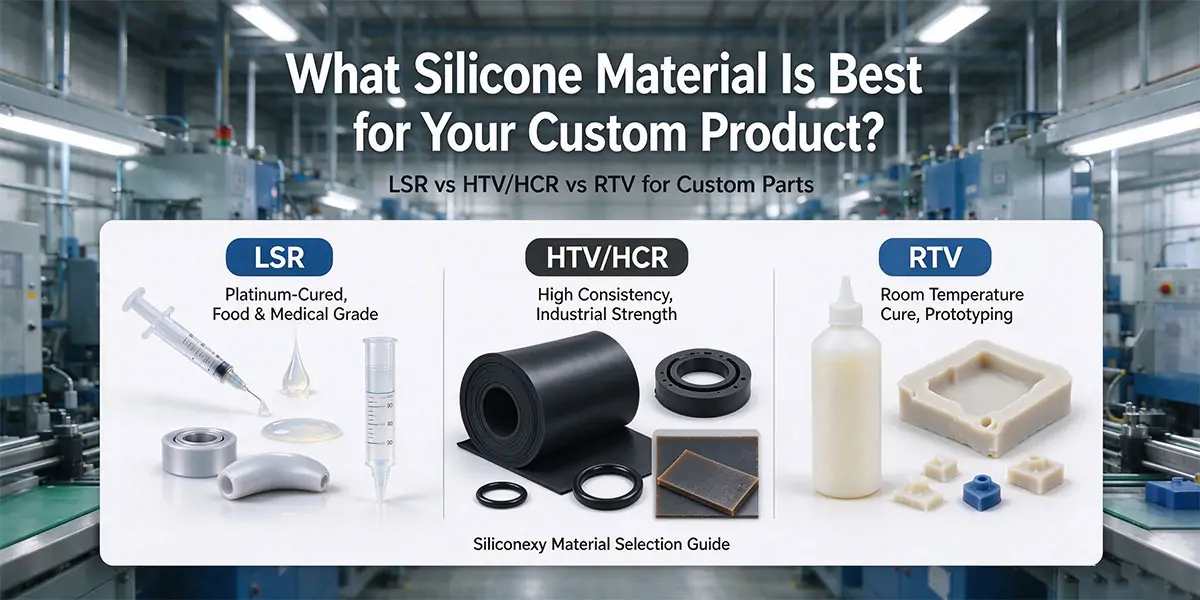
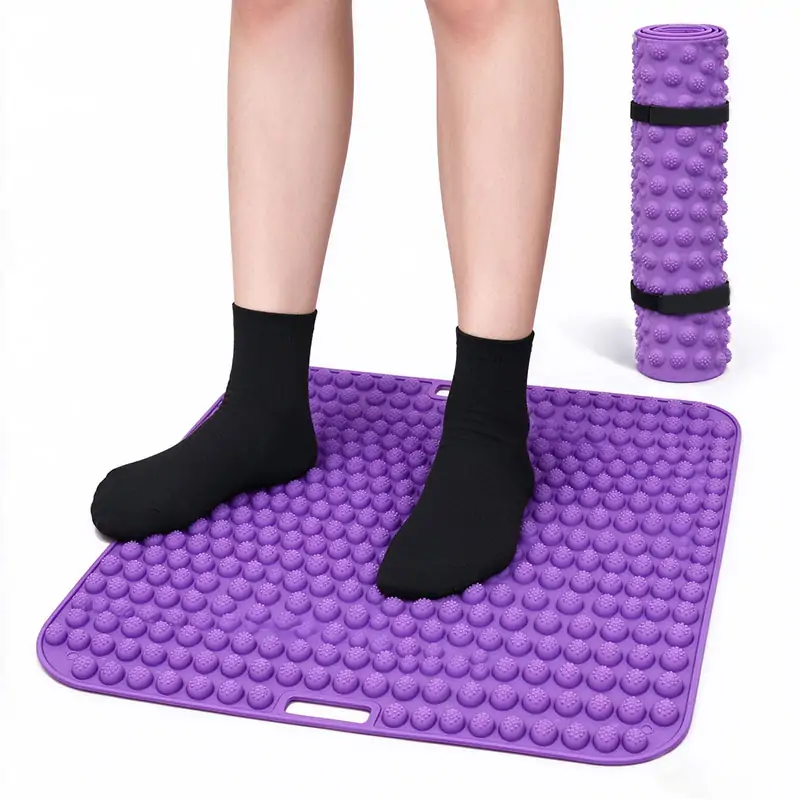
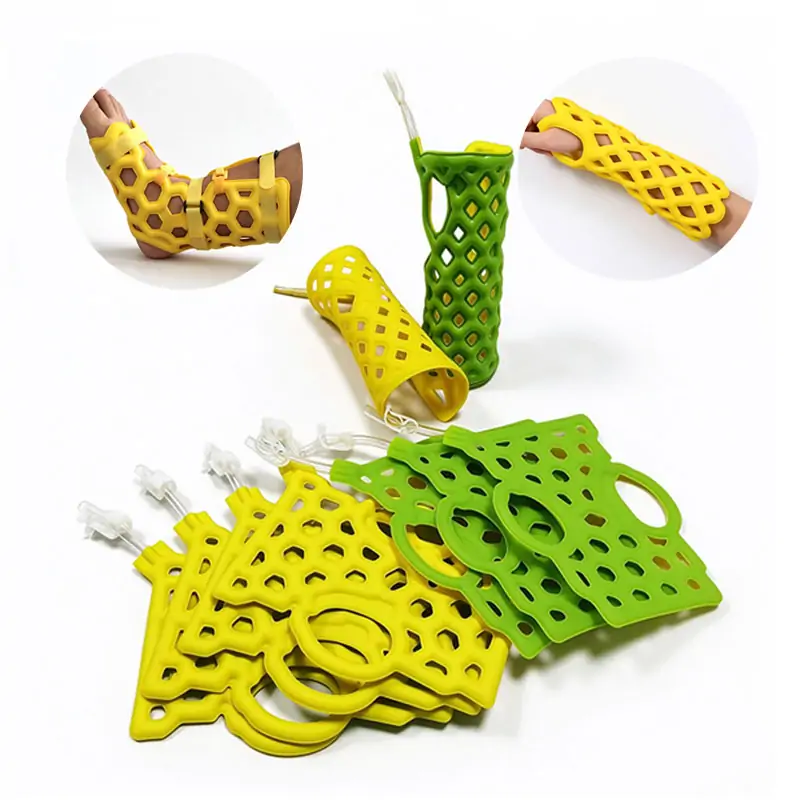
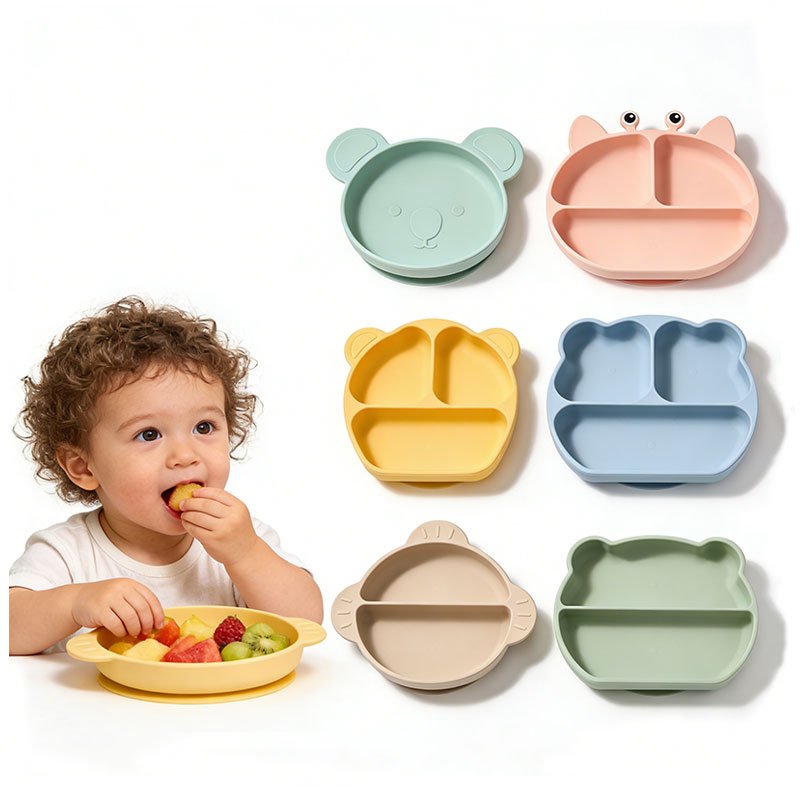
If you have a latex allergy, everyday products like gloves, balloons, kitchen utensils, and baby items can pose a genuine health risk. This often leads to a pressing question: Can silicone products be a safe alternative? A top search question we receive as a professional custom silicone manufacturing factory at Siliconexy is straightforward: Can I use silicone products if I’m allergic to latex?
The short answer is yes, generally. Silicone and latex are fundamentally different materials. Pure, high-quality silicone does not contain the natural rubber proteins that trigger latex allergies, making it a commonly recommended alternative. Certified silicone contains zero natural rubber latex proteins, and almost all people with latex allergies can safely use high-quality silicone goods without adverse immune reactions.
However, critical manufacturing and product assembly caveats exist that all brand buyers, procurement managers, and end consumers must understand to avoid accidental latex exposure.
Understanding Latex Allergy
It is essential to distinguish what triggers latex hypersensitivity to clarify why silicone avoids this risk entirely.
Why Latex Allergies Happen? (The Root Cause)
What Is Natural Rubber Latex?
Natural rubber latex is harvested from the sap of the Hevea brasiliensis rubber tree. This raw sap carries over 30 distinct plant proteins (known as Hev b proteins) that act as potent human allergens. It is these specific plant proteins that can trigger an immune response in susceptible individuals.
Types of Latex Allergic Reactions:
Three tiers of latex allergic reactions are documented in clinical practice:
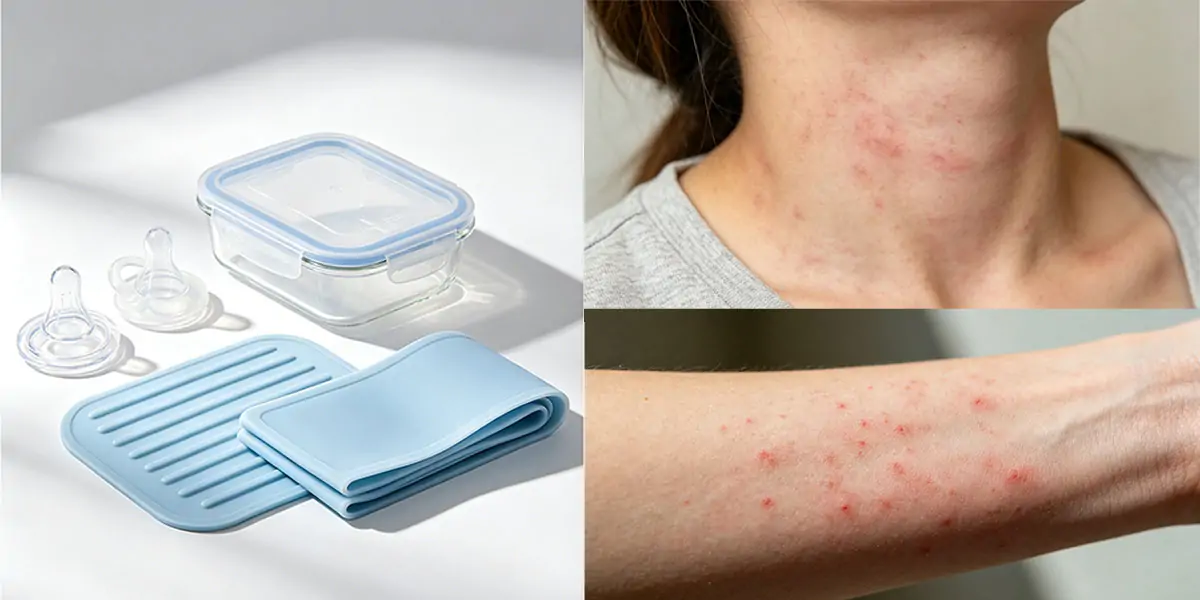
- Mild contact dermatitis: skin redness, itching, rashes after direct touch
- Moderate systemic symptoms: hives, nasal congestion, watery eyes, coughing
- Severe Type I hypersensitivity: difficulty breathing, throat swelling, anaphylactic shock (life-threatening in rare cases)
| Type of Reaction | Cause | Onset | Common Symptoms |
|---|---|---|---|
| Irritant contact dermatitis (non‑immune) | Chemicals in latex or frequent hand washing | Gradual (over days) | Dry, cracked, irritated skin |
| Type I immediate hypersensitivity | Latex proteins | Within minutes | Urticaria (hives), rhinitis, conjunctivitis, wheezing, anaphylactic shock |
| Type IV delayed hypersensitivity | Chemical additives in latex | Several hours to 48 hours | Papular, pruritic rash; vesicles; blisters |
Type IV reactions result from exposure to chemicals added during latex harvesting, processing, or manufacturing. A rash typically begins 24–48 hours after contact and may progress to blisters.
Irritant contact dermatitis is the most common non‑allergic reaction, caused by chemicals or repeated wetting and drying of the skin, not by an immune response to latex proteins.
Epidemiological industry data confirms roughly 5–10% of the general population carries latex sensitivity; rates jump to 20–25% for healthcare workers with repeated latex glove exposure.
The core component is plant-based latex protein, which has never been present in any compound silicone chemical substance.
Latex is widely used in products such as:
- Medical and examination gloves
- Balloons
- Elastic bands
- Condoms
- Pacifiers and baby bottle nipples
- Blood pressure cuffs and catheters
- Rubber mats and adhesives
How Common Is Latex Allergy?
Latex allergy is considered uncommon in the general population. Various studies estimate the prevalence in the general population from less than 1% to approximately 4.3%. Some sources report a range of 1–6%.
Certain groups face a significantly higher risk. Healthcare workers who routinely wear latex gloves show an elevated prevalence, with estimates ranging from 9.7% to 12.4%. Children with spina bifida represent the highest‑risk group, with some studies reporting latex allergy in 40–65% of this population. Frequent surgeries and multiple latex exposures also increase risk.
Silicone vs Latex: Fundamental Chemical Difference (No Cross-Reactivity)
Silicone is a fully synthetic inorganic polymer derived from silica (quartz sand), synthesized via industrial chemical reactions without any botanical raw materials. Its molecular backbone consists only of silicon, oxygen, carbon, and hydrogen, with zero trace of rubber tree proteins.
Side-by-Side Material Safety Comparison:
| Attribute | Natural Rubber Latex | Pure Platinum-Cured Silicone |
|---|---|---|
| Raw Source | Rubber tree sap (organic plant material) | Quartz silica + synthetic chemical synthesis |
| Allergenic Proteins | Contains Hev b allergen proteins | 0 plant/allergenic proteins |
| Cross-Reactivity Risk | Reacts with other tree rubber materials | No cross-reactivity with latex |
| Clinical Allergy Rate | 5–10% general population sensitivity | <0.3% global silicone hypersensitivity cases (rare, unrelated to latex) |
| Regulatory Clearance | FDA warns latex risk for sensitive users | FDA cleared for medical implants, food contact |
A key medical takeaway:
There is no proven immunological cross-reactivity between latex and silicone. Being allergic to latex does not increase your chance of reacting to silicone, and silicone allergies (extremely uncommon) stem from rare sensitivity to silicone curing additives—not latex contamination.
Does Silicone Contain Latex?
No. Silicone does not contain latex. The two materials come from entirely different origins.
Latex is a plant‑based biological fluid containing proteins. Silicone is a synthetically produced polymer derived from silica sand. Because silicone contains no organic plant matter, it inherently lacks the proteins responsible for latex allergies.
However, there is an important caution. While the silicone material itself is latex‑free, the final product may include other components (such as painted handles, foam layers, or adhesives) that could introduce latex or other allergens. The most reliable way to confirm that a product is safe is to look for explicit labeling.
Is Pure Silicone Inherently Latex-Free?
Global regulatory bodies uniformly validate silicone as a safe latex alternative for sensitive users:
- FDA (U.S. Food and Drug Administration): Silicone medical devices (catheters, implants, wound care) are approved as latex-free substitutes for latex-allergic patients, explicitly noting silicone contains no natural rubber components.
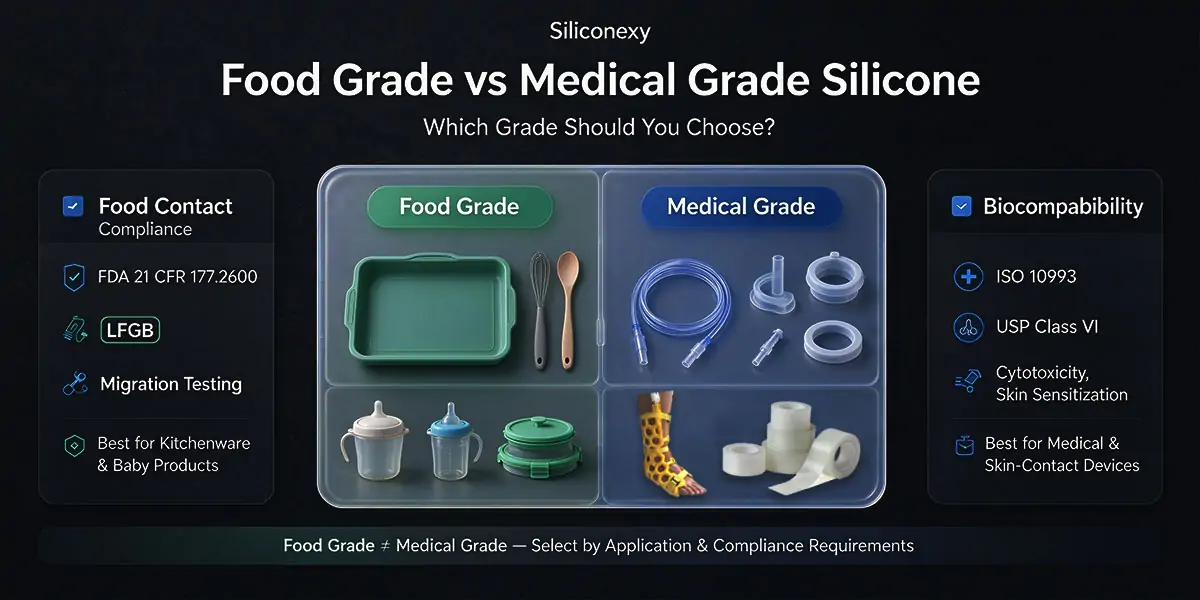
- ISO 10993 Biocompatibility Standard: Medical-grade silicone passing full ISO 10993 testing verifies no extractable allergenic proteins suitable for long-term human tissue contact.
- EU LFGB / U.S. Food Contact Rules: Food-grade silicone bakeware, baby tableware, and feeding accessories require labeling confirming absence of natural rubber latex when manufactured with dedicated latex-free production lines.
At Siliconexy, all bulk custom silicone orders (medical tubing, baby silicone products, kitchen silicone molds, industrial silicone seals) use 100% virgin silicone raw materials with zero latex, natural rubber, or rubber-based fillers in the base polymer formulation.
Critical Risk:
Hidden Latex Contamination in Low-Quality Composite Products.
While pure silicone itself carries no latex risk, assembled multi-component silicone products can introduce hidden latex exposure. This is the single biggest hazard for latex allergy sufferers. This caveat applies to off-brand, low-cost silicone goods produced in shared factory environments without allergen separation protocols:
- Mixed production lines: Factories molding both latex rubber and silicone without dedicated machinery risk micro-trace latex protein cross-contamination during molding.
- Secondary attached parts: Silicone spatulas with latex rubber grip inserts, silicone medical devices with latex gaskets, silicone beauty tools with latex adhesive backing.
- Low-grade additive fillers: Unregulated cheap silicone blends may incorporate reclaimed rubber latex fillers to cut raw material costs.
For end users with severe latex anaphylaxis risk, composite silicone hybrid products with non-silicone elastic attachments are not recommended unless full material disclosure documentation is provided by the manufacturer.
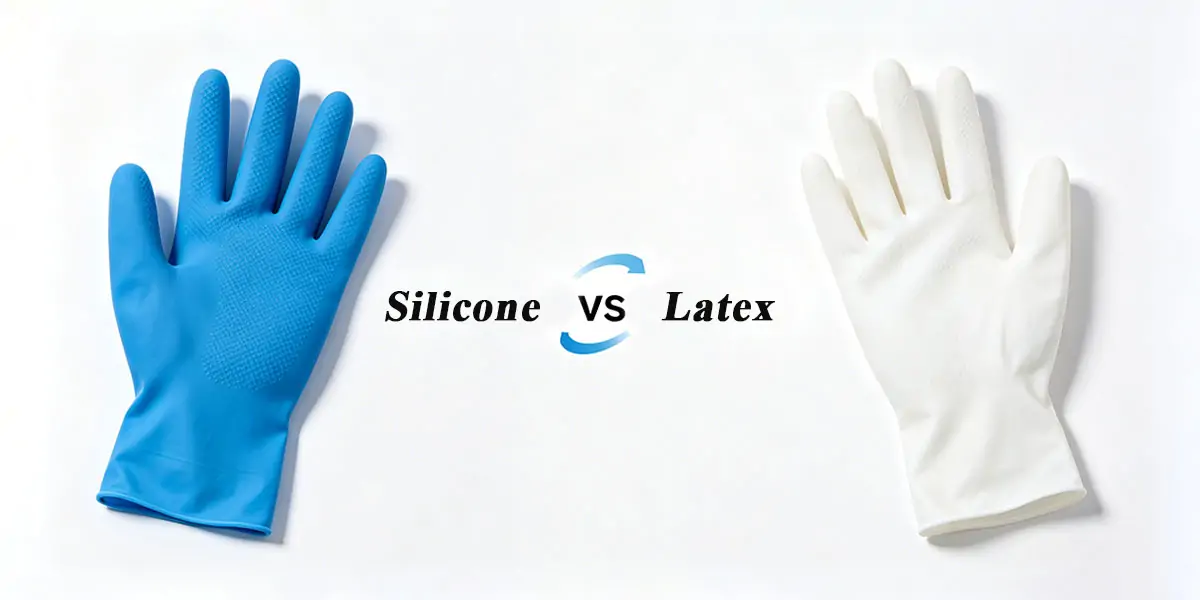
Can You Be Allergic to Silicone?
True allergic reactions to pure silicone are considered extremely rare. The material is classified as chemically inert and hypoallergenic. The body generally does not mount an immune response against silicone the way it does against latex proteins.
That said, isolated cases of allergic contact dermatitis to silicone have been reported in the medical literature. A review of documented cases shows that when reactions to silicone products do occur, they are often linked to:
- Additives or impurities: such as chemical fillers, dyes, or processing aids present in lower‑quality silicone
- Contaminants: such as epoxy silane compounds or trace impurities introduced during manufacturing
- Specific formulations: rare cases of contact urticaria to silicone rubber in gas masks have been documented
- CPAP mask components: a case report described a chronic facial rash from silicone contact in a 57‑year‑old man
Additionally, individuals who are allergic to latex may also react to certain fruits (such as bananas, avocados, chestnuts, and kiwi) due to protein similarity, a condition known as latex‑fruit syndrome. This cross‑reactivity involves plant proteins, not silicone.
Importantly, published reports of silicone allergy remain infrequent relative to the widespread use of silicone in medical, food, and consumer applications. High‑quality medical‑grade silicone that has passed ISO 10993 sensitization testing shows no adverse effects on the skin.
How to Identify Truly Latex‑Free Silicone Products?
When shopping for silicone products as a latex‑allergic individual, follow these practical steps.
For End Consumers with Latex Allergies:
- Read labels carefully. Look for clear statements such as “latex‑free,” “not made with natural rubber latex,” or “contains no latex.”
- Check certifications. Products labeled “food‑grade,” “medical‑grade,” “FDA‑compliant,” or bearing ISO 10993 certification have passed stricter material safety standards.
- Avoid products with extra components. Prioritize monolithic, single-piece silicone products with no separate elastic/grip attachments. Painted handles, decorative coatings, foam layers, or mixed‑material designs may introduce latex or other allergens not present in solid silicone.
- Purchase from reputable sources. For severe anaphylactic sensitivity, request third-party allergen test reports directly from the manufacturer before purchase. Established manufacturers typically provide clearer material disclosures and maintain better quality control.
- When in doubt, contact the manufacturer. If product labeling is unclear, ask directly whether the product is manufactured in a facility that also processes latex and whether cross‑contamination is possible.
- If skin irritation occurs after silicone contact, consult a dermatologist. This is almost always sensitivity to low-grade curing agents, not latex contamination.
For Business Brand Procurement & OEM Clients:
- Require manufacturers to confirm dedicated latex-free production lines in supplier audits.
- Avoid composite silicone products with unlisted rubber elastic components for latex-sensitive target markets.
- Mandate CoA and third-party allergen testing documentation for medical and infant silicone SKUs to meet regional retail compliance rules.
- Partner with silicone factories offering fully monolithic custom molding design to eliminate multi-material allergen risks.
How Siliconexy Factory Guarantees 100% Latex-Free Custom Silicone Bulk Orders?
As a silicone product OEM/ODM factory specializing in mass custom silicone manufacturing, we implement strict allergen control workflows to eliminate all latex contamination risks for our brand clients targeting latex-sensitive consumer and medical markets. Our transparent production protocols align with global medical-grade allergen management standards:
- Dedicated Silicone-Only Production Zones: Our molding workshops separate silicone production from all natural rubber/latex manufacturing equipment. No shared molds, extruders, mixing machines, or cleaning tools to prevent cross-contamination.
- Virgin Platinum-Cured Silicone Raw Material Only: We reject reclaimed silicone blends and never use rubber/latex-based fillers in any product line.
- Custom Single-Material Silicone Design Support: Our engineering team designs fully monolithic silicone products (no attached latex/rubber secondary parts) for clients catering to latex-allergy consumer segments, eliminating composite material risk entirely.
Our custom latex-free silicone portfolio covers all mainstream verticals:
- Medical silicone: catheters, wound dressings, surgical silicone components
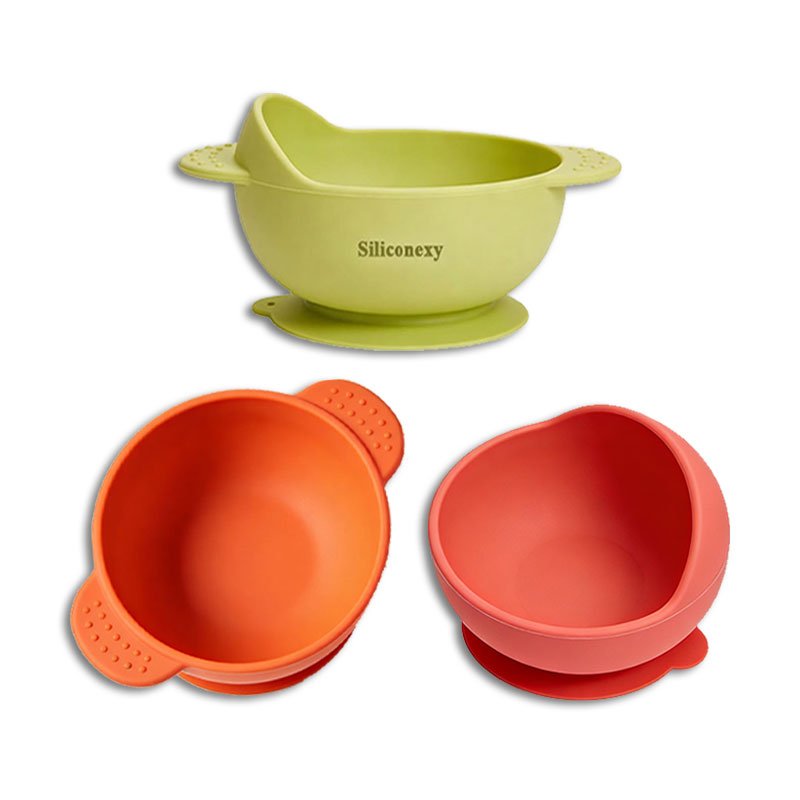
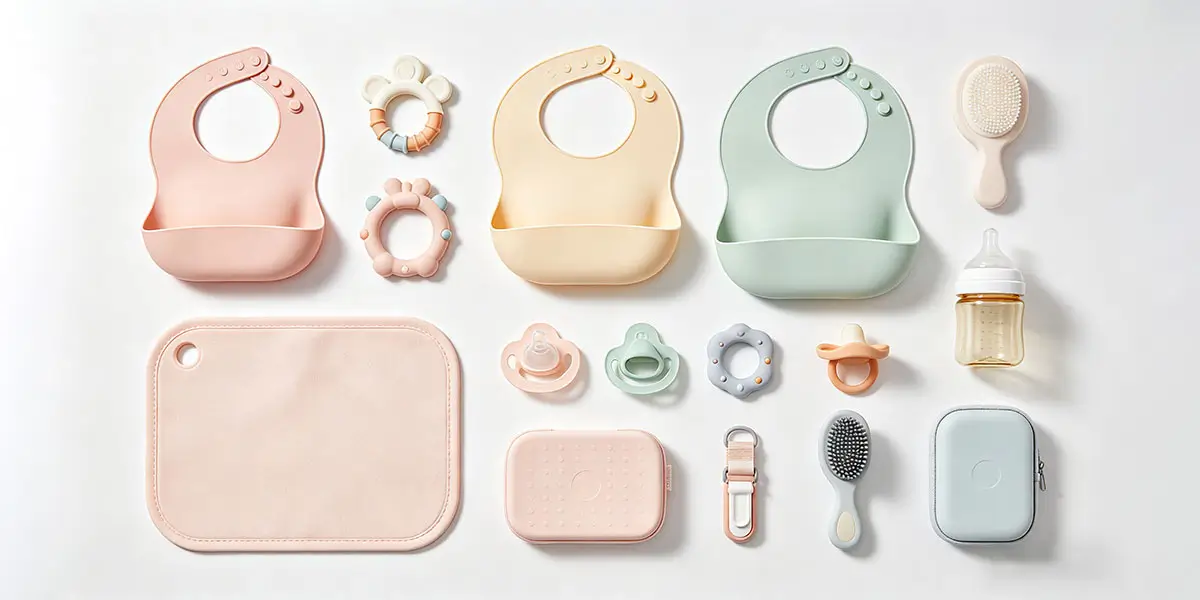
- Baby silicone: teething toys, suction feeding bowls, silicone baby bibs, bottle nipples
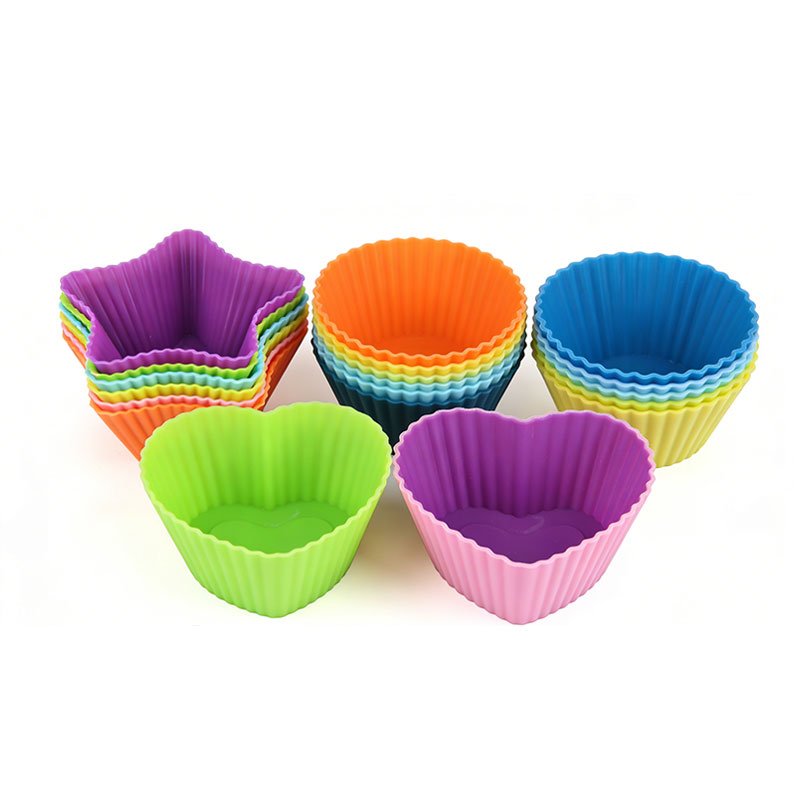
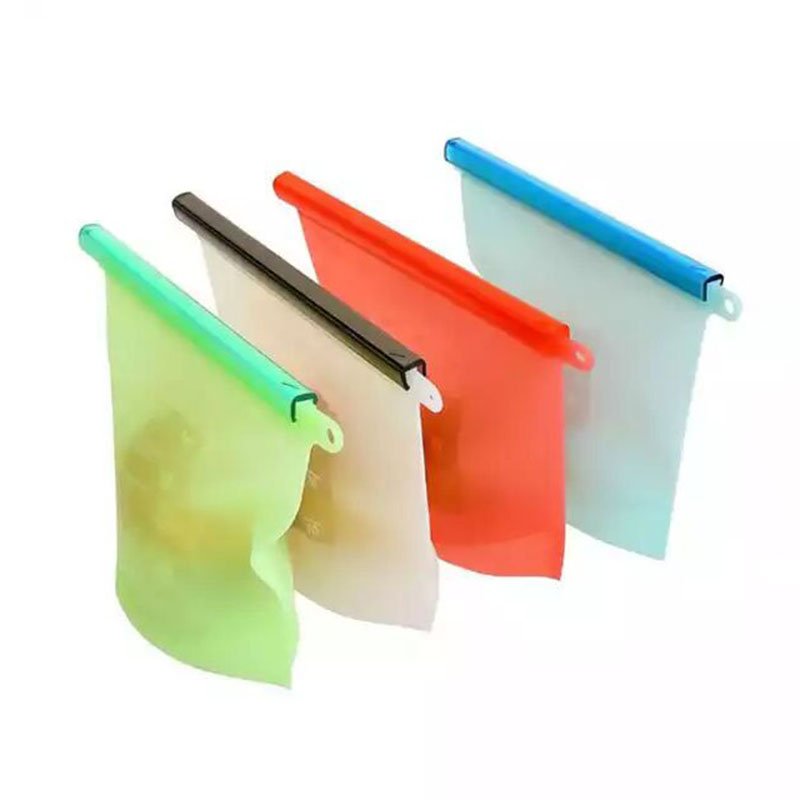
- Food-grade kitchen silicone: baking mats, utensils, storage lids
- Industrial silicone: gaskets, sealing tubing, automotive silicone parts
- Consumer custom silicone: beauty applicators, silicone stickers, household soft goods
Summary
For anyone managing a latex allergy, pure, certified silicone manufactured in latex-isolated production environments is a reliable, low-risk elastic material alternative with no inherent latex protein content.
That said, not all silicone products are created equal. Lower‑quality silicone may contain additives, fillers, or contaminants that can cause skin irritation or contact dermatitis, and the possibility of cross‑contamination in manufacturing facilities cannot be completely ruled out.
When selecting silicone products for latex‑allergic use, prioritize products with clear “latex‑free” labeling, established safety certifications (such as ISO or FDA compliance), and a trusted manufacturing source. If symptoms persist, seek medical evaluation to identify the underlying cause.
As a professional custom silicone OEM factory at Siliconexy, we deliver fully traceable, latex-free bulk silicone products for medical, infant, kitchen, and industrial brands worldwide. If you are sourcing custom silicone goods targeting latex-sensitive end users, our engineering and quality control teams can provide tailored monolithic silicone design solutions plus complete allergen compliance documentation for your product line.
Reach out to our sales team via siliconexy.com to discuss your bulk latex-free silicone manufacturing requirements and request sample test reports.