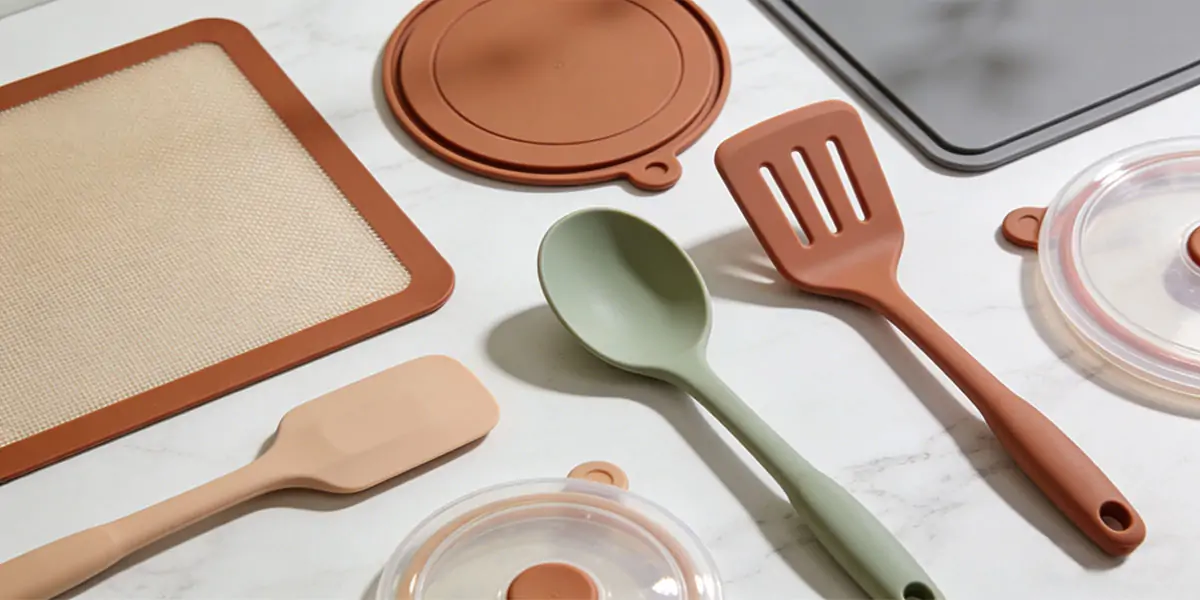
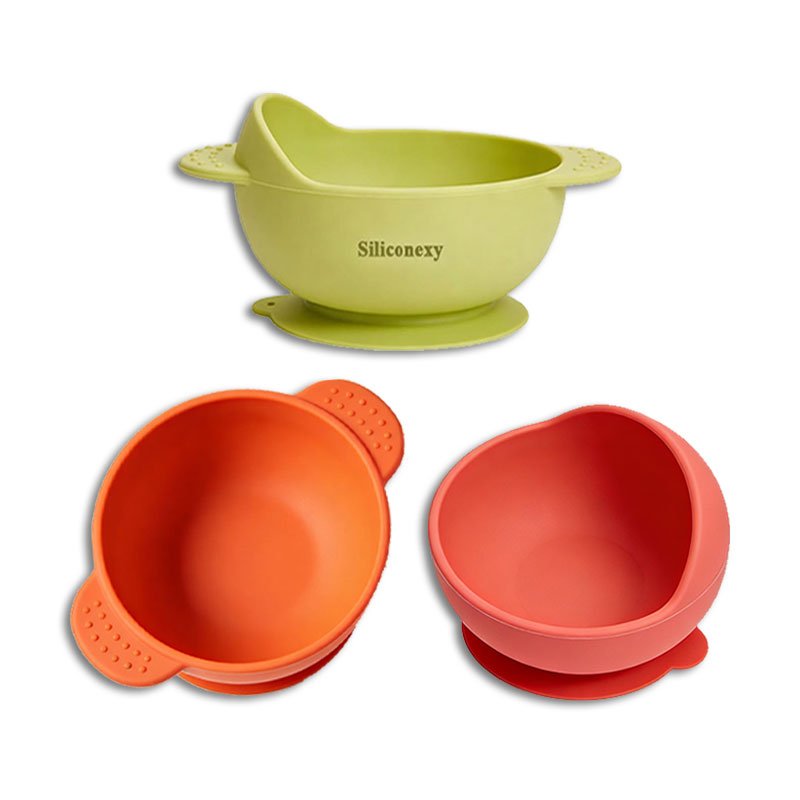
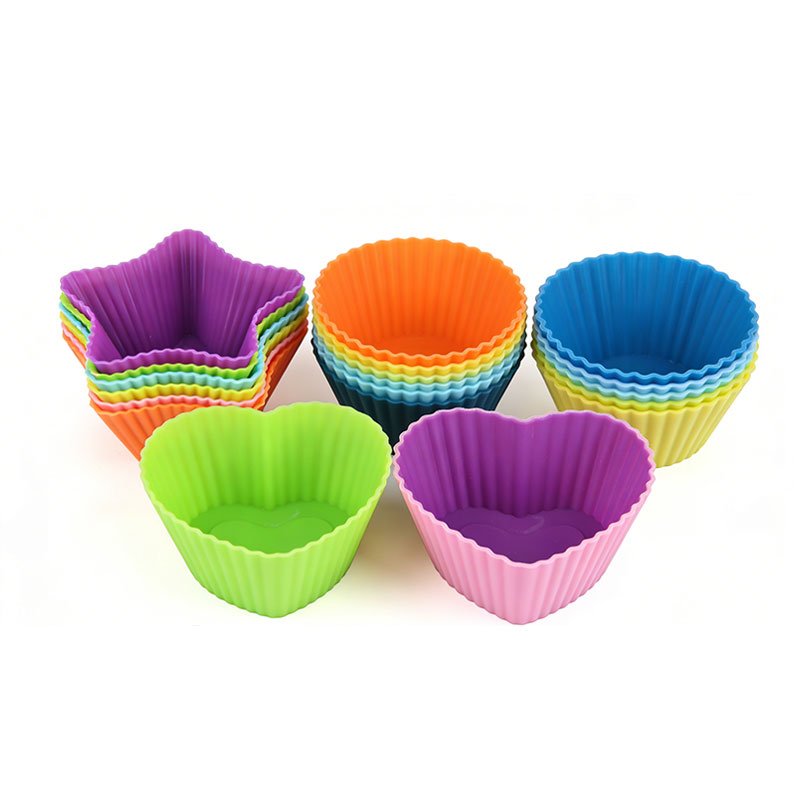
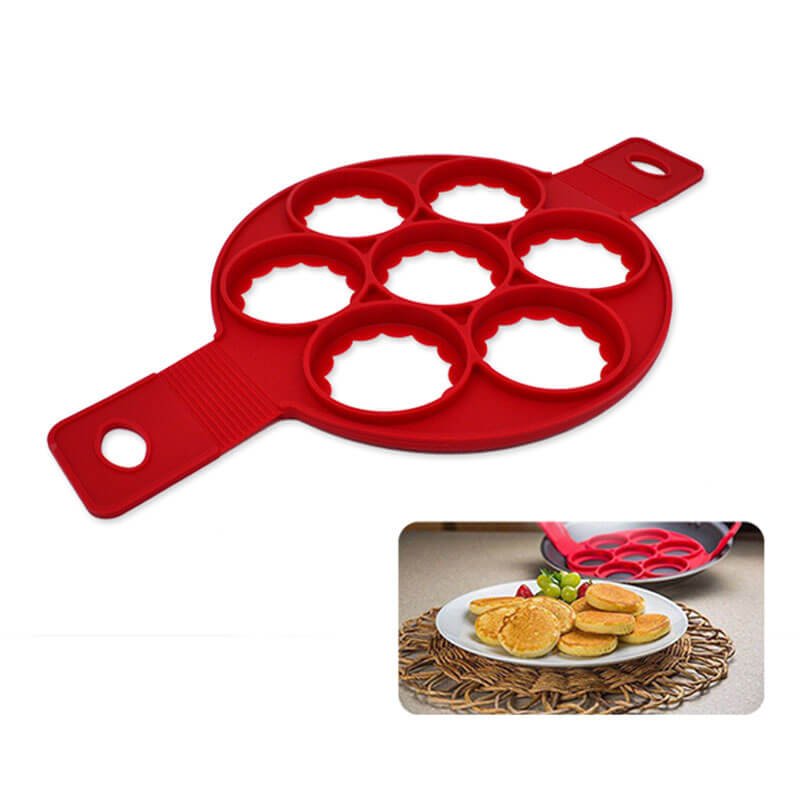
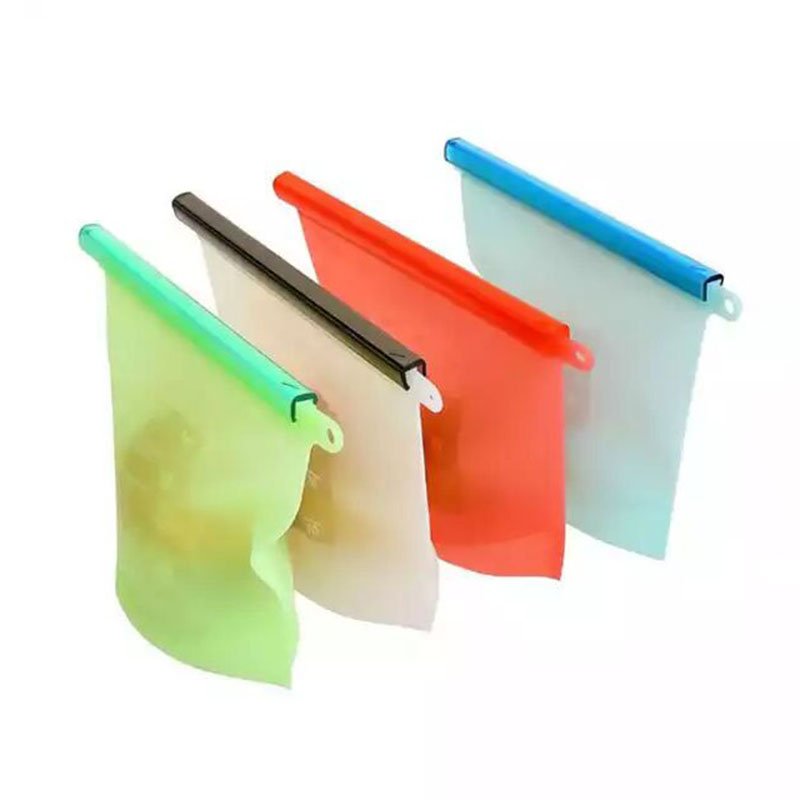
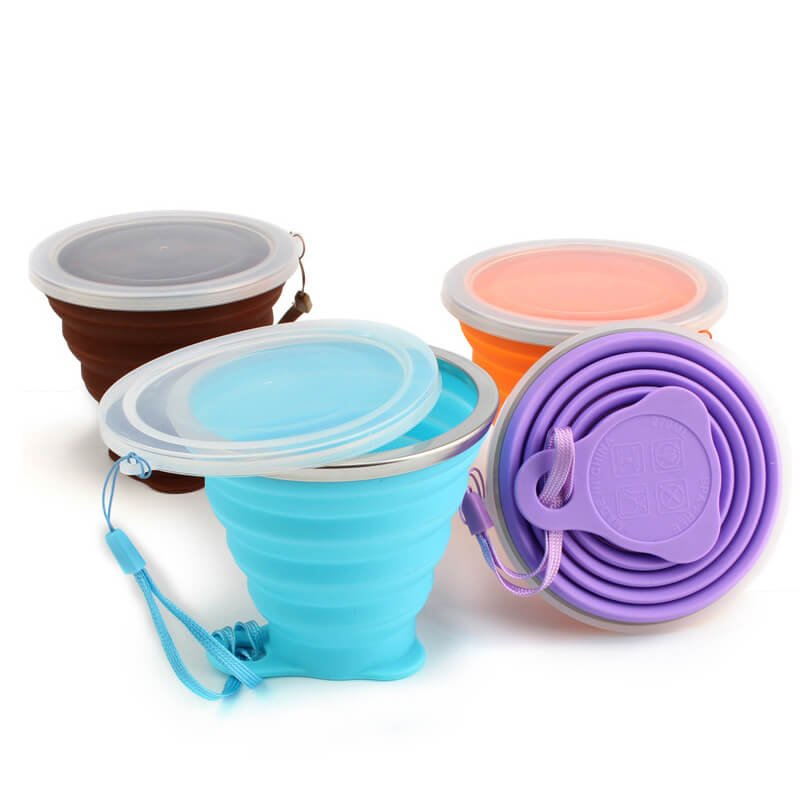
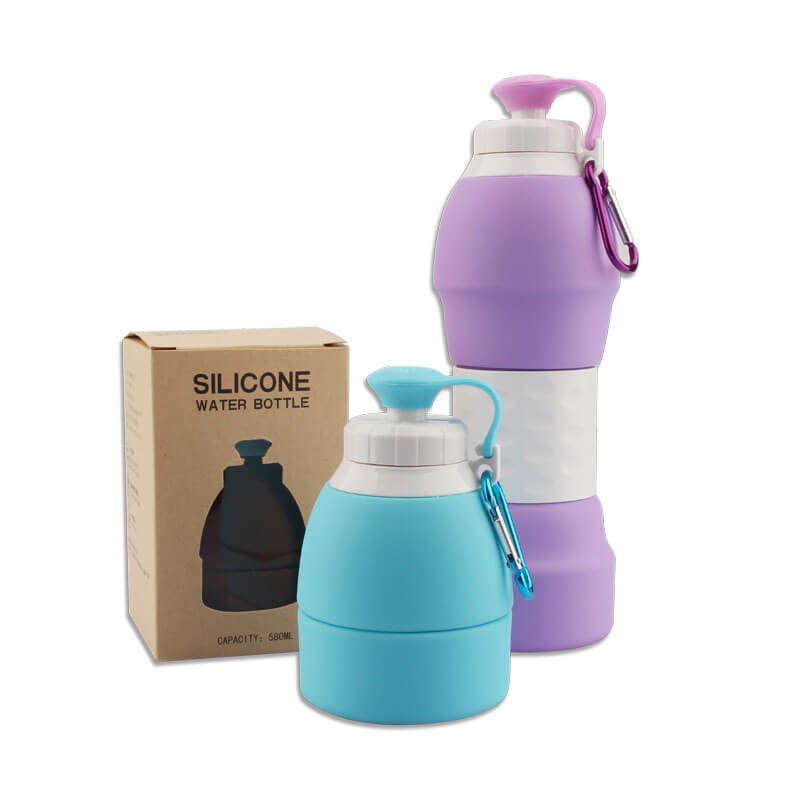
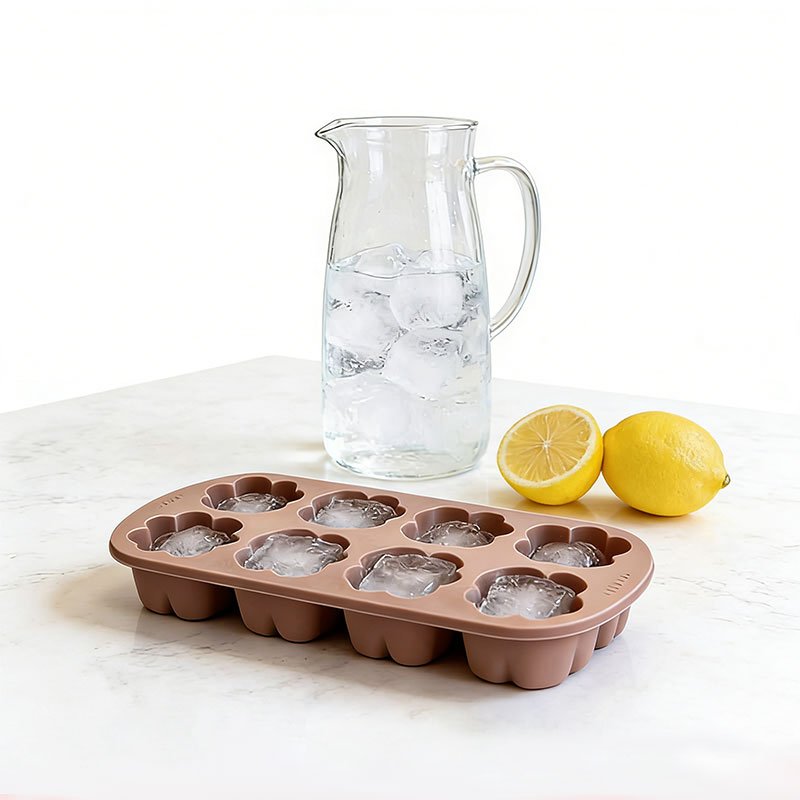
Silicone bakeware has become increasingly popular in modern kitchens due to its flexibility, durability, and non-stick properties. But if you’re new to this material, you’ve likely asked the essential question: Can I use silicone bakeware in the microwave or oven? The short answer is yes—when you’re using high-quality, food-grade silicone. However, understanding the temperature limits, safety guidelines, and best practices is crucial for getting the most out of your heat resistant silicone baking cups or pans.
High-quality, 100% food-grade silicone bakeware is specifically designed to withstand the temperature ranges of both microwave and conventional ovens. Unlike plastic, which can melt or leach chemicals when heated, silicone’s unique molecular structure makes it remarkably stable across a wide temperature spectrum.
However, not all silicone products are created equal. The safety and performance of your bakeware depend entirely on its quality, purity, and manufacturing standards.
At Siliconexy, a leading manufacturer of custom silicone products, we believe in empowering our customers with knowledge. This comprehensive guide will walk you through everything you need to know about using silicone bakeware safely in both microwave and conventional ovens.
Understanding Silicone’s Heat Resistance
What Makes Silicone Heat-Resistant?
To understand why silicone can safely go from freezer to oven, we need to look at its molecular structure. Silicone is a synthetic polymer built on a backbone of silicon-oxygen (Si-O) bonds. These bonds are significantly stronger than the carbon-carbon bonds found in ordinary plastics, with bond energy nearly 50% higher.
This robust molecular structure gives silicone its remarkable thermal stability. The material remains flexible and functional across an impressive temperature range without breaking down, melting, or releasing harmful substances.
Standard Temperature Ratings
High-quality food-grade silicone bakeware typically offers:
- Continuous operating range: -40°C to 230–250°C (-40°F to 446–482°F)
- Short-term peak tolerance: Up to 260–280°C (500–536°F) for brief periods
- Risk zone: Above 280°C (536°F), where accelerated aging and potential degradation may occur.
Most reputable brands clearly label their products with these specifications. For example, Siliconexy silicone baking pans are temperature resistant between -76°F and 428°F (-60°C to 220°C) , suitable for microwave, oven, and blast freezer use. Similarly, good cook silicone bakeware is engineered to endure oven temperatures up to 450°F (232°C).
Is My Silicone Bakeware Oven Safe?
This is perhaps the most common question we receive from home bakers. The answer is that most high-quality silicone bakeware is indeed oven safe, but within specific parameters.
A silicone cake pan oven safe for standard home baking will typically handle temperatures up to 230–250°C (446–482°F). This comfortably covers the vast majority of home baking needs:
- Standard baking: 160–200°C (320–392°F)
- High-temperature baking (bread, pizza): 220–230°C (428–446°F)
The advantages of using a heat-resistant silicone baking cup or pan include:
- Even Heat Distribution: Silicone distributes heat evenly, preventing hot spots and ensuring your cake or pastry cooks consistently.
- Non-Stick Surface: No need for excessive greasing, which simplifies cleanup.
- Flexibility and Storage: Silicone bakeware is lightweight and can be folded or stacked without damage.
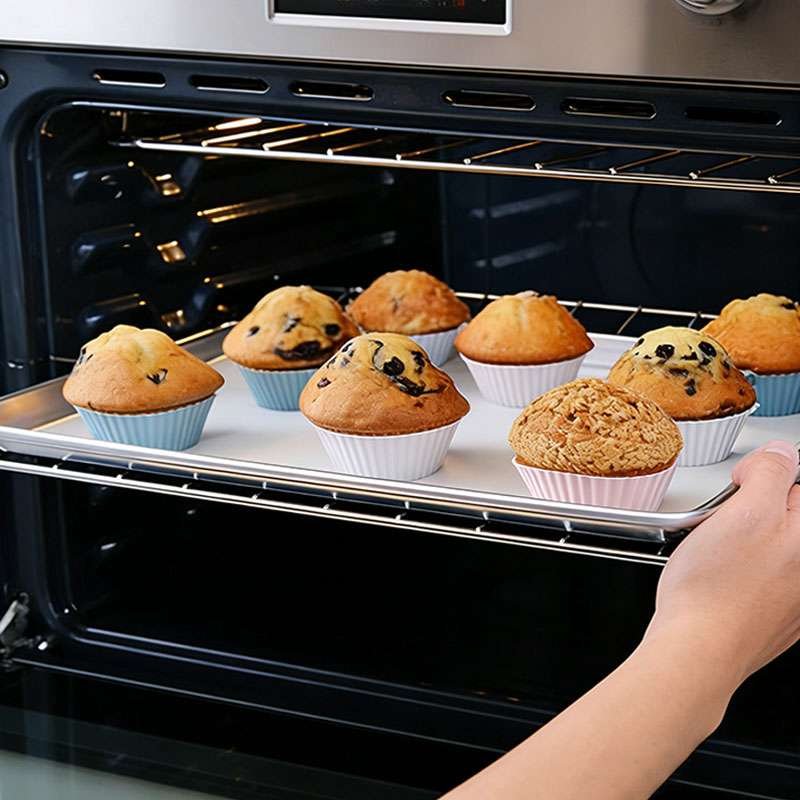
Important Oven Usage Guidelines
To ensure the longevity and safety of your heat resistant silicone baking pan, follow these professional recommendations:
- Always Use Support
Silicone is flexible—that’s one of its greatest features. However, this flexibility means that when filled with batter, the pan can sag or tip. Always place your silicone bakeware on a rigid baking sheet (metal or ceramic) before filling and placing it in the oven . This provides stability and makes handling safer. - Adjust Your Baking Time
Baking times may vary from traditional metal bakeware. Silicone is an excellent heat conductor, often resulting in slightly faster baking. Start checking for doneness 5–10 minutes earlier than your recipe suggests. - Positioning Matters
During oven preheating, the area near heating elements can be 30–50°C hotter than the set temperature . Place your silicone pan in the middle or lower third of the oven, away from direct contact with heating elements. - Never Use on Direct Heat
Silicone bakeware is not suitable for stovetops, gas flames, or under broilers/grills . Direct flame contact will instantly damage the material. - Cool Before Removing
Allow baked goods to cool completely in the pan before attempting to remove them . To release, simply invert the pan and gently press on the bottom while peeling the flexible silicone away from the food.
Is Silicone Bakeware Safe for Microwaves?
Yes, microwave safe silicone bakeware is perfectly suitable for microwave use, provided it’s made from high-quality, food-grade materials.
Microwave safe silicone bakeware is designed to withstand the heat generated in microwaves without melting or releasing harmful chemicals. Unlike traditional metal or glass bakeware, silicone allows for even heating while preventing food from sticking, making it perfect for reheating leftovers, melting chocolate, or even baking small treats.
However, it’s essential to check the manufacturer’s instructions. Some silicone bakeware may include non-silicone components, such as metal handles or decorations, which are not microwave safe. Always ensure your silicone bakeware is labeled explicitly as microwave safe.
Silicone offers several advantages in microwave applications:
- It contains no metal, so it won’t arc or spark.
- It doesn’t absorb microwave energy and become hot itself (though food will).
- It’s flexible enough for easy food release.
- It won’t warp or degrade with regular use.
Microwave Usage Best Practices
- Check for Microwave-Safe Labeling
Before using any silicone product in the microwave, verify that the manufacturer explicitly states it is microwave-safe. This information is typically found on the product packaging or bottom of the item. - Avoid Sealed Containers
If using silicone lids or covers, ensure they have venting holes or are left slightly open to prevent pressure buildup. Steam pressure can cause covers to burst or hot food to splatter. - Use Short Intervals
While silicone is heat-resistant, microwaves can create hotspots. For best results, use short heating intervals (1–3 minutes) and check food regularly. - Keep Away from Heating Elements
Even in microwave ovens that have exposed heating elements (common in combination microwave-convection ovens), keep silicone away from direct contact with these components.
Understanding the Limits:
When NOT to Use Silicone Bakeware? Even the best heat resistant silicone baking pan has its limitations. Here are situations where silicone should not be used:
- Broiler/Grill Settings
The intense, direct radiant heat of a broiler or grill can exceed silicone’s maximum temperature rating. Never use silicone bakeware under a broiler. - Direct Heat Sources
Silicone is designed for oven and microwave use only. Do not place it on stovetop burners, hotplates, or open flames. - Cutting Inside the Pan
Never use knives or sharp metal utensils inside silicone bakeware . This can cut and damage the material, compromising its integrity and creating places where bacteria can grow. - Abrasive Cleaning
Avoid steel wool, scouring pads, or abrasive cleansers that can scratch and damage the silicone surface. - Temperatures Beyond Specifications
If your recipe requires temperatures above 250°C (480°F), traditional metal or glass bakeware may be more appropriate.
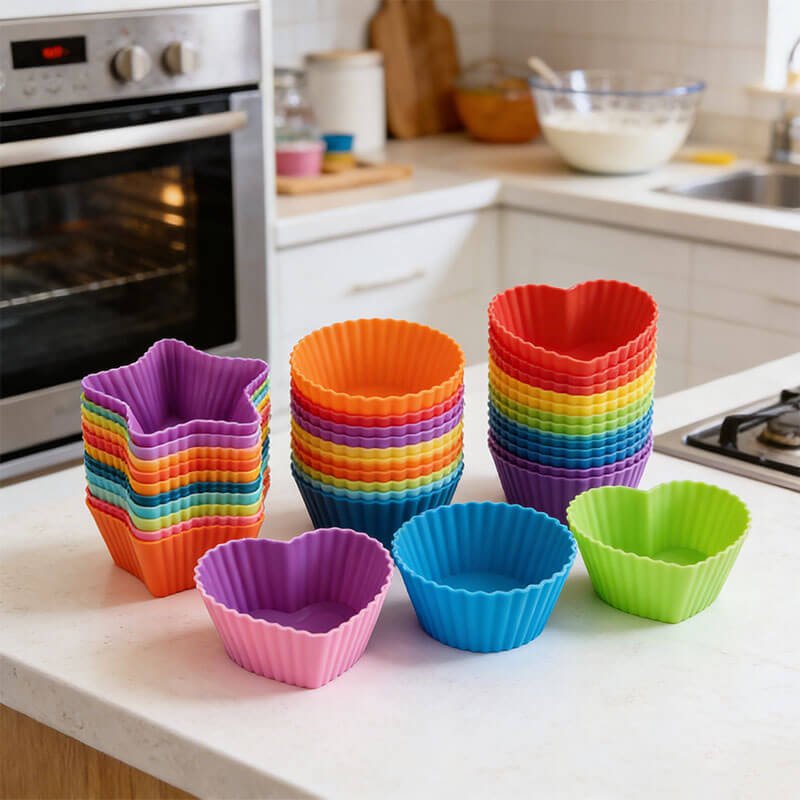
How to Identify High-Quality, Safe Silicone Bakeware
Not all silicone is created equal. The market contains products of varying quality, and low-grade silicone can pose safety risks. Here’s how to ensure you’re getting genuine, safe bakeware:
1. Look for Certification Marks
Reputable manufacturers submit their products for third-party testing. Look for:
- FDA compliance (U.S. food contact approval)
- LFGB certification (stringent European safety standards)
These certifications indicate the product has been tested and proven safe for food contact.
2. Check Temperature Specifications
Quality products will clearly state their temperature range, such as “oven safe to 230°C” or “heat resistant from -40°C to 250°C”. If this information is missing, consider it a red flag.
3. Perform the Pinch Test
High-quality silicone is naturally firm yet flexible. If you pinch and twist the material and it turns white, it likely contains cheap fillers. Pure silicone should maintain its color.
4. Evaluate Transparency
While silicone can be any color, translucent or clear silicones are harder to fill with cheap extenders. This doesn’t guarantee quality but can be an indicator.
5. Trust Your Nose
Quality silicone should be virtually odorless. If a product has a strong chemical or plastic smell, especially after washing. It may be low-grade.
At Siliconexy, all our silicone bakeware is manufactured using 100% pure, platinum-cured silicone that meets or exceeds international food safety standards. We’re proud to offer products that are:
- FDA compliant for food contact
- LFGB certified for European markets
- BPA, Phthalate, Lead, and Latex free
- Odorless, tasteless, and stain-resistant
Pro Tips for Perfect Results with Silicone Bakeware
Adjusting to Silicone
If you’re transitioning from metal bakeware to silicone, here are expert tips for success:
- Greasing is Optional
While silicone is naturally non-stick, some bakers prefer to lightly grease pans for the first few uses or when baking particularly sticky recipes. However, high-quality silicone often requires no greasing at all. - Support is Essential
Never lift a filled silicone pan by its edges alone, because the weight of the batter will cause it to bend. Always use a baking sheet as support. - Cool Completely
Allow baked goods to cool fully in the pan before attempting removal. Warm baked goods are more fragile and may tear. - Peel, Don’t Pull
To release food, gently peel the silicone away from the food rather than pulling the food from the pan.
Cleaning and Maintenance
Proper care extends the life of your silicone bakeware:
- Dishwasher safe: Most silicone bakeware can go in the dishwasher.
- Hand washing recommended: For longest life, wash with warm, soapy water.
- Dry thoroughly: Ensure complete drying before storage.
- Inspect regularly: Replace if you notice tears, cracks, or significant changes in texture.
Why Choose Siliconexy for Your Silicone Needs?
As a specialized manufacturer of custom silicone products, we understand the science behind every mold we create. When you choose Siliconexy, you’re getting:
- Material expertise: We help you select the right grade of silicone for your specific application
- Quality assurance: All products meet rigorous international safety standards
- Custom solutions: From concept to finished product, we partner with you
- Sustainable practices: We’re committed to environmentally responsible manufacturing
Whether you’re a home baker looking for reliable tools or a business seeking custom microwave safe silicone bakeware solutions, we’re here to help.
Conclusion:
Silicone Bakeware—Safe, Versatile, and Reliable
So, can you use silicone bakeware in the microwave or oven? Absolutely—when you choose high-quality, food-grade silicone from a trusted manufacturer.
In summary, silicone bakeware is safe to use in both the microwave and oven, provided it is designed for these purposes. Investing in microwave safe silicone bakeware and a silicone cake pan oven safe ensures that you can enjoy hassle-free baking with even heat distribution and easy cleanup. Always prioritize heat-resistant silicone baking cups/pans from trusted brands to guarantee safety, durability, and professional results in your kitchen.
At Siliconexy, we’re passionate about helping our customers make informed choices. Whether you’re looking for a silicone cake pan oven safe for your home kitchen or developing custom products for your business, we’re here to support you with expertise, quality, and a commitment to excellence.
Have questions about silicone bakeware? Ready to start your custom project? Contact our team today—we’d love to hear from you.