When sourcing custom silicone products, OEM buyers often face a fundamental decision: Should you work directly with a silicone product factory or buy through a trading company?
Both models can be useful. A trading company may offer broader sourcing options and simplify communication, while a specialized silicone product factory can provide more direct control over product development, manufacturing, quality, and production planning.
For buyers developing custom silicone products, OEM silicone products, private-label silicone products, or silicone components, the right choice depends on the complexity of the project, order volume, technical requirements, and how much control you need over manufacturing.
Understanding their core differences can save you time, reduce costs, and ensure long-term supply chain stability. Below is a data-driven comparison to help you make an informed choice.
Silicone Product Factory vs. Trading Company: What Is the Difference?
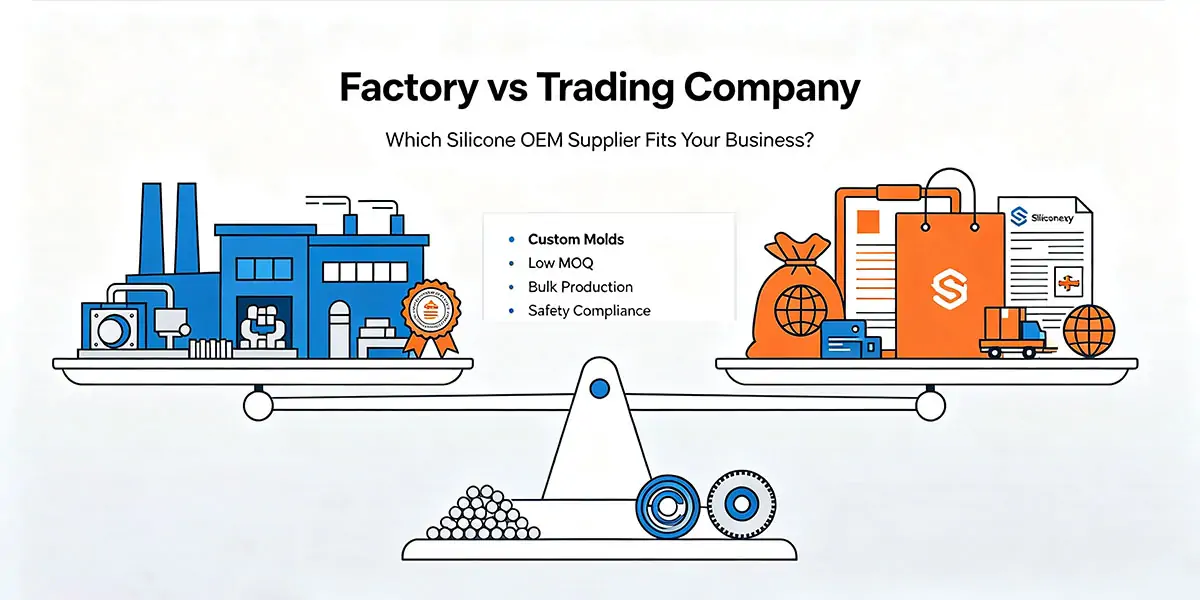
A silicone product factory owns the production equipment, employs line workers, and transforms raw materials into finished goods under its own roof. A trading company does not manufacture, it sources products from multiple factories and resells them to overseas buyers.
This fundamental difference ripples through every aspect of your OEM project: cost, quality, lead time, customization, and long-term reliability.
Core Differences Between Silicone Factory and Trading Company for OEM Orders
The biggest difference is where production responsibility sits. A silicone product manufacturer directly manages manufacturing processes such as material preparation, mold development, silicone molding, finishing, quality inspection, and packaging.
A trading company typically acts as an intermediary between the buyer and one or more manufacturing suppliers. Depending on its business model, it may manage sourcing, communication, quality coordination, logistics, and other services without owning all of the production facilities itself.
And the essential gap lies in production control, customization capability, and supply chain transparency, these three key factors that determine OEM order success. Unlike general merchandise, silicone products require strict material safety standards, precise mold development, and stable quality control, making supplier type selection even more important.
Production & Customization Capacity
A dedicated silicone OEM manufacturer owns full production facilities, independent mold workshops, and professional R&D teams. It supports full-cycle custom silicone products ODM & OEM service, from concept design, custom mold making, food-grade silicone, medical-grade silicone material selection, to personalized logo embossing, color matching, and packaging customization. Factories can adjust production processes based on buyers’ unique specifications and fix technical problems directly during production.
In contrast, silicone trading companies have no independent production lines. They outsource manufacturing to cooperative factories, so their customization ability is limited. Most traders can only provide mature stock products or simple modifications, failing to support complexcustom silicone product development and exclusive product customization for brand differentiation.
If you need custom silicone molding, unique shapes, specific hardness (Shore A 10–80), custom colors, or special material formulations, you need a factory with in-house R&D capabilities. Trading companies almost never have their own R&D team or test equipment. Usually they can only change color or packaging.
Pricing & Cost Transparency
The most obvious advantage of working with a silicone OEM factory is price. Working directly with a silicone factory eliminates intermediate markup fees. According to industry sourcing data, trading company quotations are usually 5%–30% higher than factory direct prices due to service and operational costs. For bulk silicone OEM orders and long-term repeated orders, factory direct cooperation brings obvious cost advantages and more transparent pricing composition (material cost, labor cost, mold cost).
Trading companies are unable to provide detailed cost breakdowns, and buyers may face hidden fees during order iteration, which affects overall profit margins for retail and wholesale businesses. They increase profit margins on top of ex-factory prices. They often charge extra fees for samples or forcibly raise minimum order quantities.
However, there’s a trade-off. While 63% of direct factories require minimum quantities of 1,000 pieces or more, trading companies regularly accept orders as low as 50–200 units. For small trial quantities or mixed product purchasing, a good trading company can be useful.
Bottom line: For large, repeat orders of one product, factory-direct gives you more control and better long-term pricing. For small, mixed orders, a trading company may offer a lower total cost and smaller MOQ.
Quality Control and Traceability: Factories Have the Edge
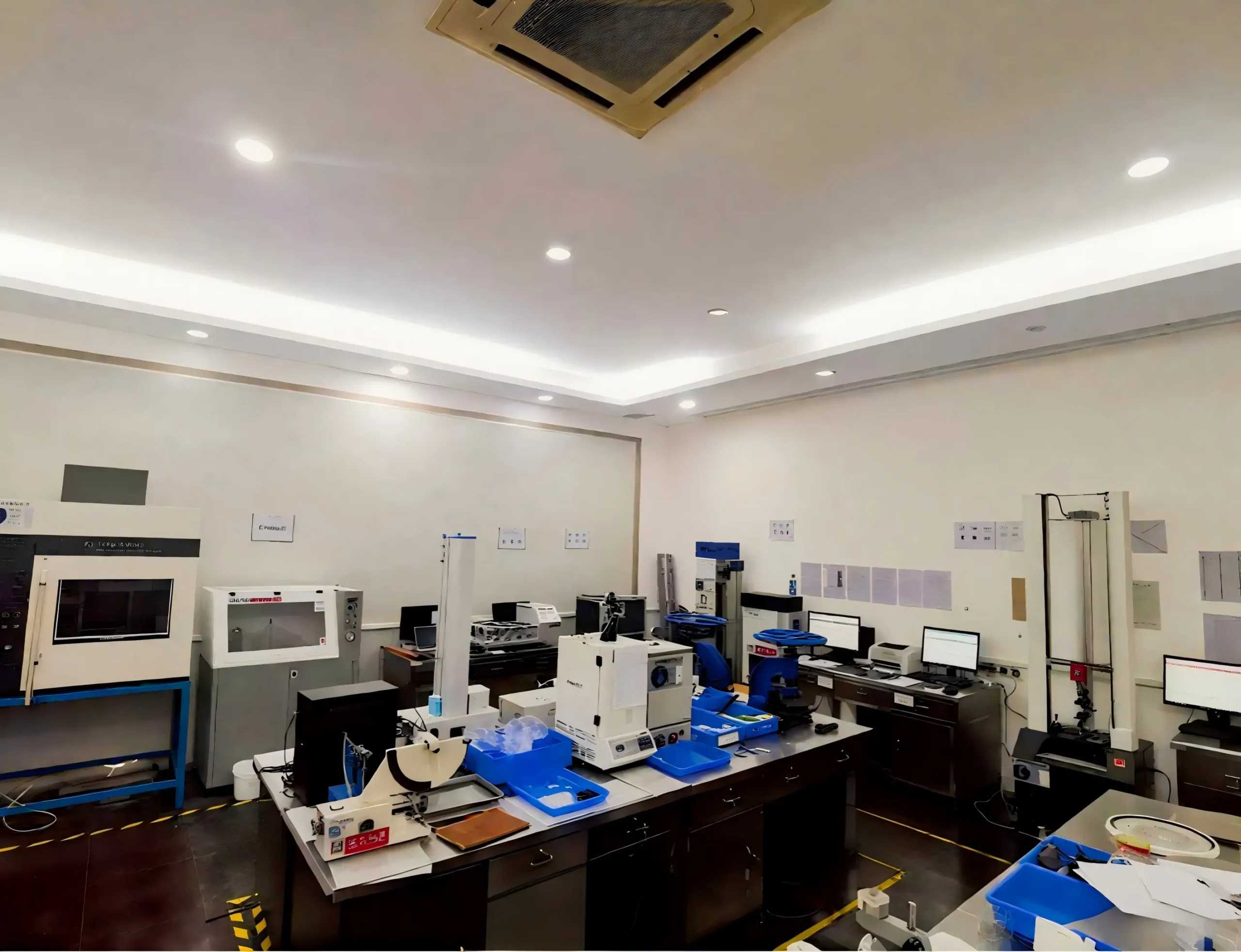
Quality control is another major difference buyers should examine. Professional silicone factories implement full-process QC inspection, including raw material testing, in-process production inspection, and finished product safety testing. Buyers can conduct factory audits, on-site production inspections, and real-time order progress tracking.
A trading company can provide quality management services, but buyers should understand who actually performs production quality control and where inspection takes place.
A manufacturing supplier may manage quality checks throughout production, including:
- Incoming material inspection
- In-process quality control
- Dimensional inspection
- Appearance inspection
- Functional testing where applicable
- Final inspection
- Packaging inspection
For example, Siliconexy‘s current OEM/ODM workflow includes in-process quality control and pre-shipment inspection before delivery.
Trading companies, by contrast, only get paperwork from others. They never see the actual production line. If a defect occurs, a factory can stop the line and fix it immediately. Trading companies cannot control production processes directly. Once quality defects occur, the communication chain between buyers, traders, and manufacturers leads to slow problem-solving efficiency and delayed after-sales resolution.
Trading Companies: Convenience and Market Access
Trading companies act as intermediaries between buyers and multiple factories, offering a one-stop-shop for diverse product needs. They are ideal for buyers seeking simplicity and global market reach.
Key Advantages:
- Low MOQs and Product Variety: This is the main advantage of silicone trading companies. Traders support small batch silicone OEM orders and mixed product consolidation, which is friendly for new buyers conducting market tests and small-quantity trial sales. Most independent silicone factories used to set relatively higher MOQs for mass production efficiency.
- Logistics and Documentation Support: They handle shipping, customs clearance, and quality inspections, reducing administrative burdens for international buyers.
- Market Expertise: Trading companies may offer insights into regional market trends, pricing strategies, and competitor analysis, helping buyers navigate new markets.
Potential Drawbacks:
- Higher Costs: Trading companies mark up prices by 10-40% to cover their services, eroding profit margins for large orders.
- Limited Customization Control: Since they don’t own production facilities, trading companies have less influence over product design, material selection, and quality standards. This can lead to inconsistencies in large-scale orders.
- Supply Chain Opacity: Buyers may lack visibility into the production process, increasing the risk of delays, quality issues, or unethical manufacturing practices.
Direct Factory Partnerships
From raw material sourcing to final production, silicone product factories, like Siliconexy (Xinyin), specialize in end-to-end manufacturing. For OEM buyers prioritizing customization and cost efficiency, this model delivers distinct benefits.
Key Advantages:
- Full Customization Control: Factories handle custom silicone product OEM/ODM requests, including material formulation (e.g., food-grade silicone, high-temperature silicone), mold development, and quality testing. For example, Siliconexy offers R&D teams to refine product designs according to specific industry standards.
- Transparent Supply Chain: Direct communication with production teams provides real-time updates on order progress, lead times, and quality control. This visibility minimizes delays and ensures compliance with international regulations.
- Scalability: Factories can adjust production capacity to meet fluctuating demand. Siliconexy operates advanced production lines, supporting orders from 1000 to 100,000+ units without compromising on quality.
Potential Drawbacks:
- Higher Minimum Order Quantities (MOQs): Most factories require MOQs of 1000-10,000 pieces, which may be challenging for small-scale buyers.
- Limited Product Diversification: Most of the factories typically focus on specific silicone product categories. Buyers needing multiple product types may need to partner with multiple factories.

How to Choose the Right Partner for Your OEM Needs?
The decision depends on your business priorities. Use this framework to evaluate your options:
| Factor | Choose a Factory if… | Choose a Trading Company if… |
|---|---|---|
| Order Volume | You need 500+ units per order | You need <500 units or mixed product orders |
| Customization | Require unique designs, materials, or certifications | Standard silicone products suffice |
| Cost Sensitivity | Prioritize long-term cost savings | Value convenience over per-unit pricing |
| Supply Chain Visibility | Want direct control over production and quality | Prefer to outsource logistics and documentation |
| Scalability | Plan to expand order volume over time | Need flexibility for small, frequent orders |
When Should You Choose a Silicone Product Factory?
Working directly with a silicone products manufacturer may be particularly suitable when:
- You are developing a new custom silicone product
- Your product requires custom tooling
- You need OEM or ODM manufacturing
- You expect repeat production
- You need technical DFM support
- Product consistency is important
- You require direct communication with engineers
- You plan to scale production
- You need customized packaging and branding
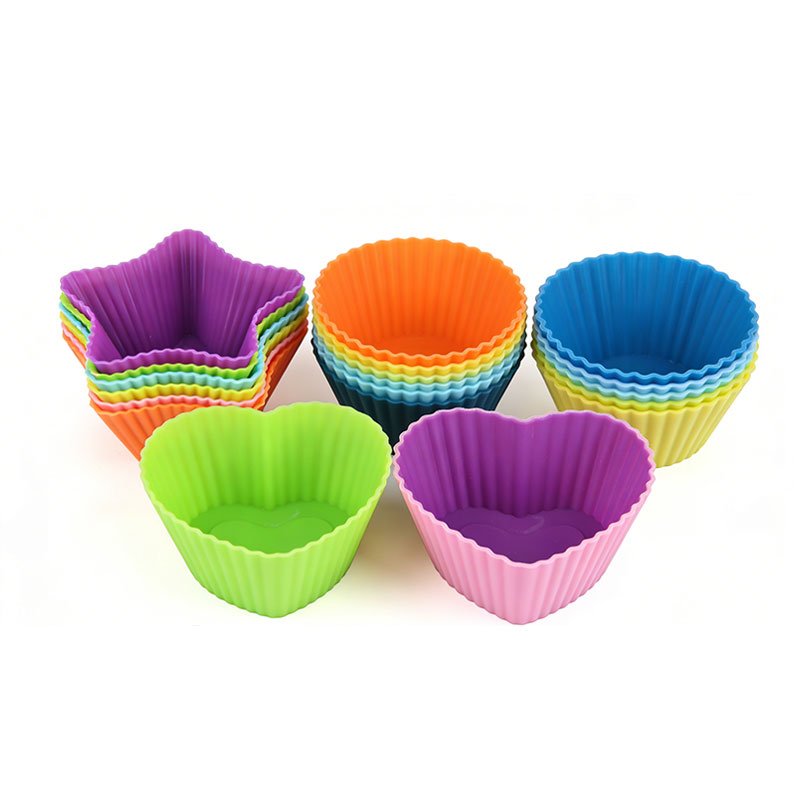
Typical projects may include: custom silicone kitchen products, silicone baby products, custom silicone pet products, silicone electronic accessories, silicone household products, industrial silicone components, and custom molded silicone parts. For these projects, manufacturing capability and engineering support can be more important than simply finding a supplier with the lowest quotation.
When Can a Trading Company Be a Better Choice?
A trading company is not automatically a poor choice. It may be useful when buyers need:
- Multiple product categories from different factories
- You only purchase standard silicone stock products without any customization needs
- You need ultra-small batch orders for temporary market testing with no long-term cooperation plan
- One supplier to coordinate several manufacturers
- Broader sourcing services
- You’re placing small trial orders (50–200 units)
- Export and logistics support
- Help communicating with several suppliers
- Small sourcing projects involving different product types
- You want consolidated shipping for mixed orders under 15 CBM (can cut LCL shipping costs by 20–35%)
For example, if your purchasing project includes silicone products, plastic packaging, metal accessories, and other unrelated products, a trading company may simplify supplier management.
The Best Choice Depends on Your OEM Project
There is no universal answer to “silicone factory or trading company?” For a straightforward sourcing project involving standard products, a trading company can provide convenience and broader supplier access.
For technically demanding custom silicone products, however, direct cooperation with a capable silicone manufacturer can provide stronger control over engineering, tooling, production, quality, and long-term manufacturing planning.
How OEM Buyers Should Verify a Silicone Supplier?
Before placing a large OEM order, do not rely only on a website or product catalog. A practical supplier verification process should include:
- Verify the Company. Check the legal company name, business information, manufacturing location, and supplier profile.
- Confirm Manufacturing Capability. Ask about: molding processes, production equipment, tooling capability, material capabilities, product categories, and production capacity.
- Request Samples. Samples help you evaluate: appearance, dimensions, silicone hardness, color, surface finish, function and packaging.
- Review Quality Procedures. Ask how incoming materials, production batches, finished products, and final shipments are inspected.
- Clarify Tooling Ownership. For custom products, clearly define: mold ownership, cost, storage, maintenance and mold modification responsibility.
- Confirm Compliance Requirements. Discuss applicable testing, documentation, and market requirements before mass production.
- For a new supplier relationship, a prototype or initial production order can help you evaluate the supplier before scaling up.
Why Work With Siliconexy for Custom Silicone Products?
As a professional silicone product manufacturing factory integrating R&D, production, and sales, Siliconexy combines the cost advantage, customization strength of formal factories and the flexibility of flexible order services. We focus on high-quality silicone OEM and ODM services for kitchen silicone products, baby silicone goods, silicone daily necessities, and custom industrial silicone parts.
We support free design consultation, custom mold development, and full-standard product certification. With strict in-house QC systems and professional international trade teams, we solve the common pain points of traditional factories (single service, language barrier) and trading companies (uncontrollable quality, high prices, no customization capability) for global buyers.
Our silicone product manufacturing workflow covers:
Idea → Design & Engineering → Prototype Development → Mold Manufacturing → Mass Production → Trimming & Finishing → Quality Inspection → Packaging & Delivery
This integrated process allows buyers to discuss product requirements, tooling, sampling, production, quality control, and packaging within one manufacturing workflow.
Whether you are developing a new silicone kitchen product, baby product, pet accessory, electronic accessory, household product, or industrial silicone component, our engineering team can review your requirements and evaluate the appropriate manufacturing solution.
Looking for a Direct Silicone OEM Manufacturer?
If you already have a drawing, CAD file, sample, product concept, or specification, send your requirements to Siliconexy (Xinyin). Our team can review your project and provide an OEM/ODM manufacturing solution based on your product design, material requirements, production volume, and customization needs.
Contact Siliconexy to discuss your custom silicone product project.
Final Recommendation for Silicone OEM Buyers
For buyers focusing on long-term silicone OEM business growth, brand customization, stable quality, and cost control, a professional silicone product factory is always the better choice.
If you’re a small-scale buyer or need diverse silicone products without the hassle of managing multiple suppliers, a trading company may offer short-term convenience. However, as your business scales, transitioning to a factory partnership will unlock greater profitability and control.
| Factor | Silicone Factory | Trading Company |
|---|---|---|
| Unit price | 8–25% lower | Higher (middleman markup) |
| Quality control | Direct, full traceability | Indirect, limited visibility |
| Customization | Full R&D and tooling capability | Limited to packaging/color changes |
| Technical support | Direct engineering access | Delayed, second-hand |
| MOQ | Higher (typically 1,000+ units) | Lower (50–200 units) |
| Product variety | Limited to own capabilities | Can source multiple products |
For serious OEM buyers planning large-scale production, custom silicone molding, or regulated products (food-grade, medical, or automotive), factory-direct is the clear winner. For small trials or mixed orders, a trading company may offer short-term convenience.
Ready to source from a real custom silicone product factory? Contact Siliconexy today for a free consultation and factory-direct quote.