Custom Silicone Products Manufacturing Process: From Design to Final Production.
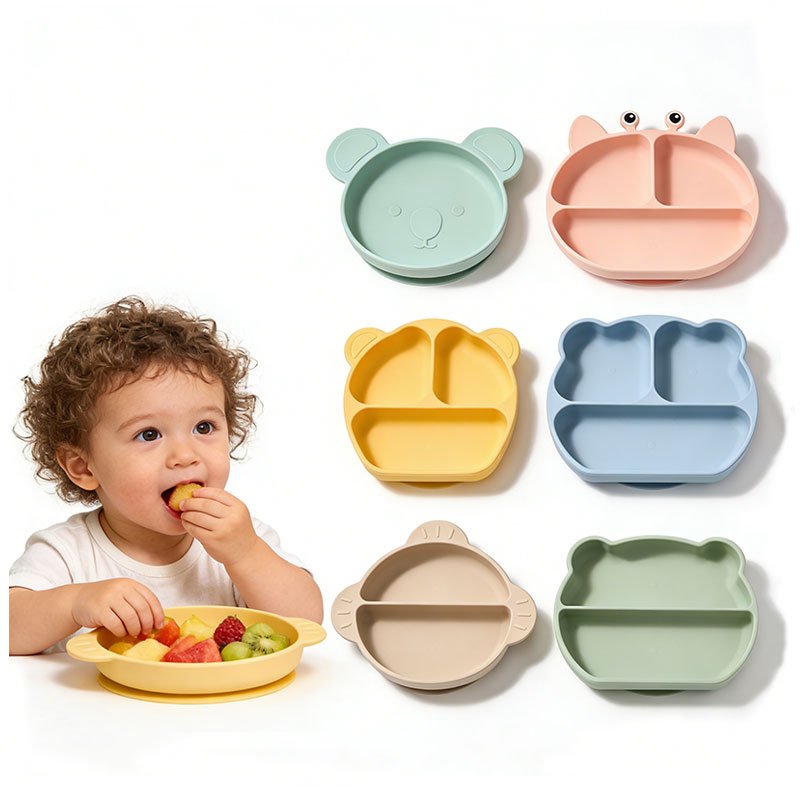
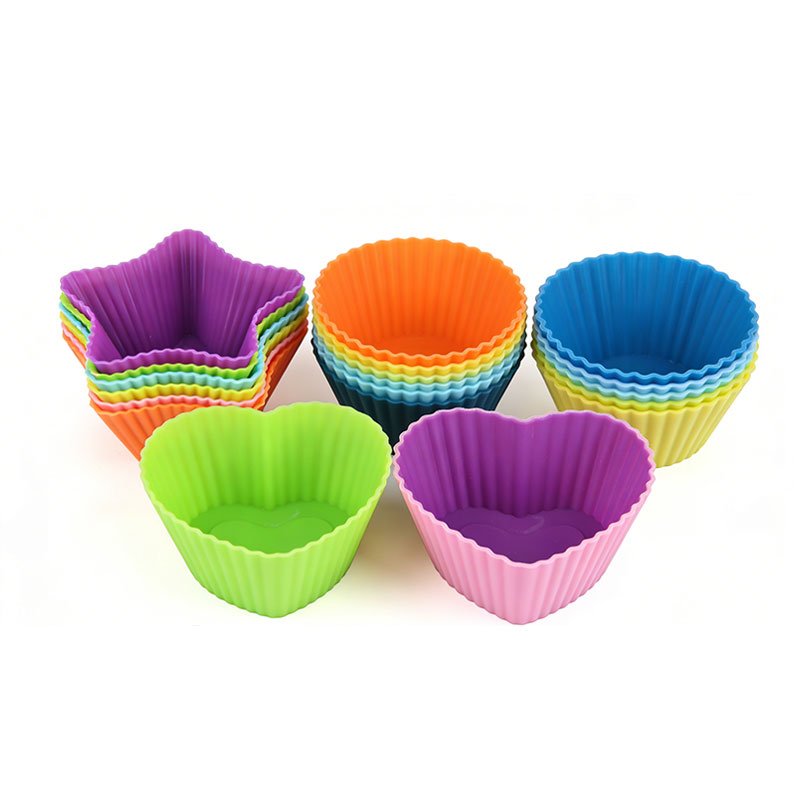
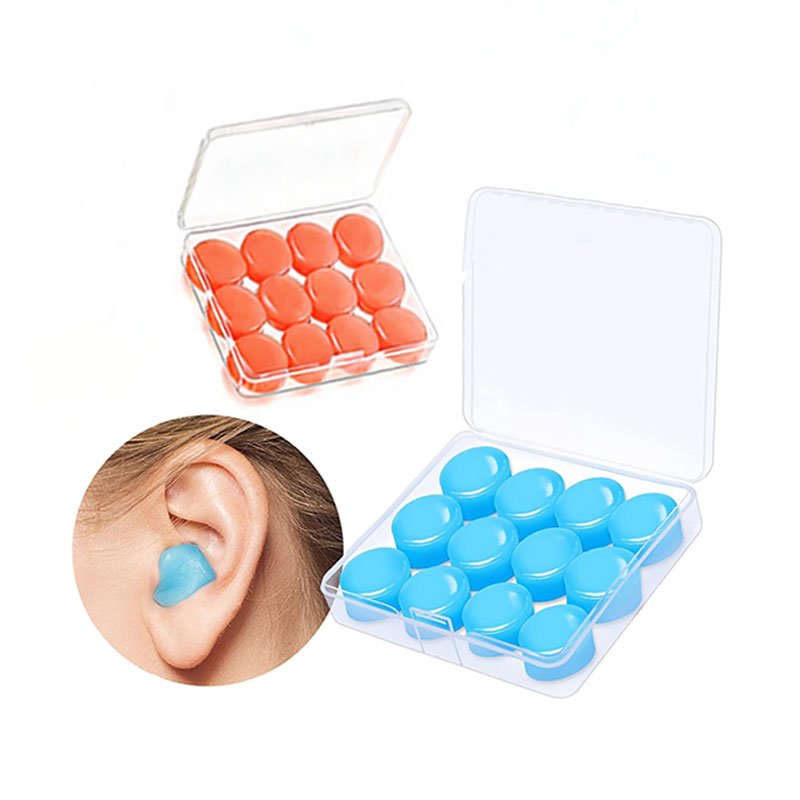
Silicone remains one of the most versatile elastomers for consumer goods, medical accessories, kitchenware, fidget toys, industrial seals and electronic protective parts. Brands, wholesalers and product developers rely on custom silicone product manufacturing to turn original concepts into market‑ready goods through structured OEM & ODM workflows.
However, creating high-quality custom silicone products requires more than simply choosing silicone material. A professional silicone products manufacturing process involves product design, mold development, material preparation, molding, finishing, quality inspection, and final packaging.
As an experienced custom silicone products manufacturer, Siliconexy provides complete OEM and ODM silicone products manufacturing solutions to help global brands transform concepts into reliable, market-ready products.
But how exactly are these products made? This guide explains the complete custom silicone products manufacturing process and how professional silicone factories ensure consistent quality from prototype to mass production.
Custom Silicone Products Manufacturing Process:
Understanding each production stage helps you reduce tooling risk, control lead‑time, and select the most suitable molding technology for your custom silicone parts.
Step 1: Initial Consultation & Product Definition
Every successful custom silicone molding project starts with detailed requirement alignment. Every successful custom silicone molding project starts with detailed requirement alignment. Our technical team collects key specifications including product function, target market compliance (FDA, LFGB, REACH), Shore hardness, Pantone color, estimated order volume, dimensional tolerances and target launch timeline.
You may submit sketches, physical samples, photos or STEP/IGES CAD files. Our engineers deliver preliminary feasibility feedback, budget estimation and project roadmap for your custom silicone rubber parts. This phase avoids costly rework later for custom fidget toys, silicone household gadgets or industrial silicone seals.
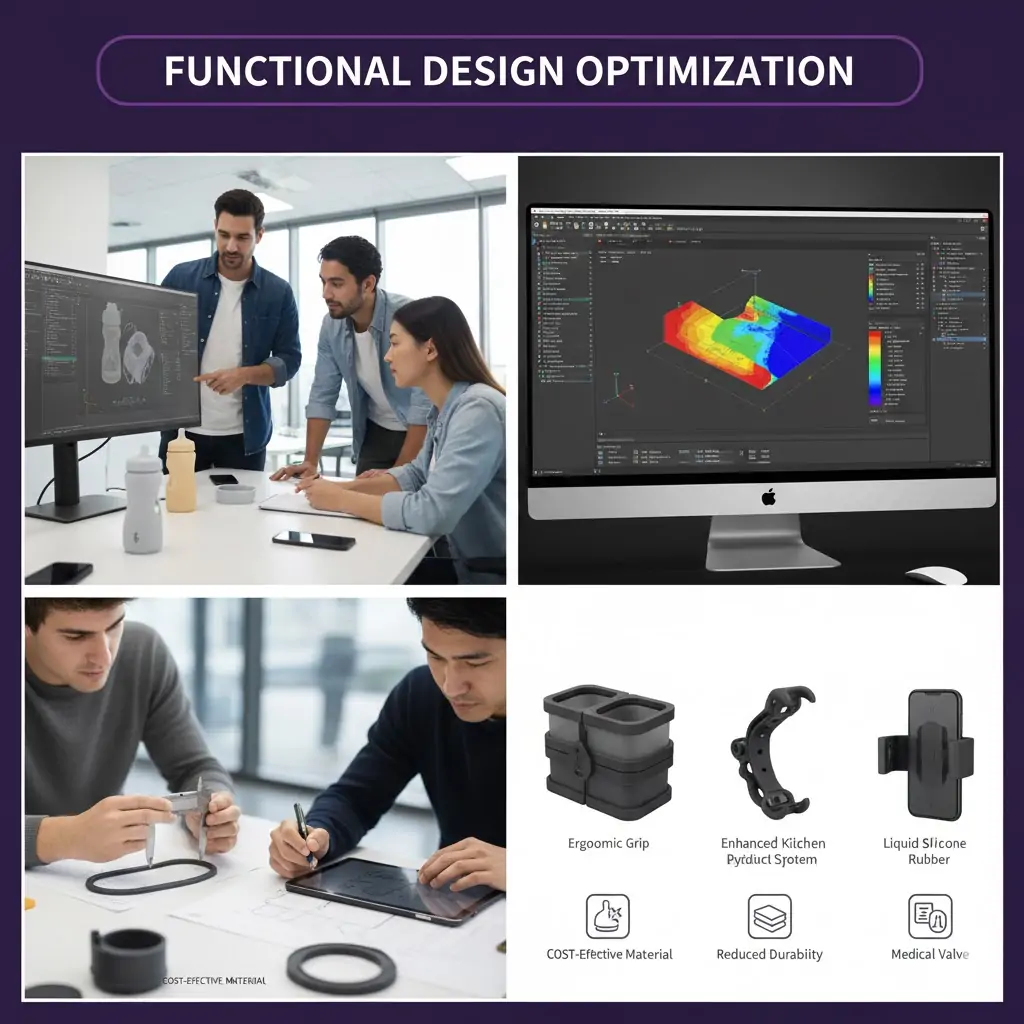
A professional silicone products manufacturer will review the design and suggest improvements to ensure the product can be manufactured efficiently while maintaining performance and appearance.
Good design optimization at the beginning helps reduce production risks and unnecessary mold modifications later.
Step 2: DFM Analysis & 3D Design
Design for Manufacturability (DFM) review is critical for custom silicone OEM manufacturing. Our engineers optimize wall thickness, eliminate sharp internal corners and compensate silicone shrinkage rate (typically 2‑4%) for mold tooling design.
Custom color matching, special surface finish and insert‑molding requirements are locked before mold development begins.
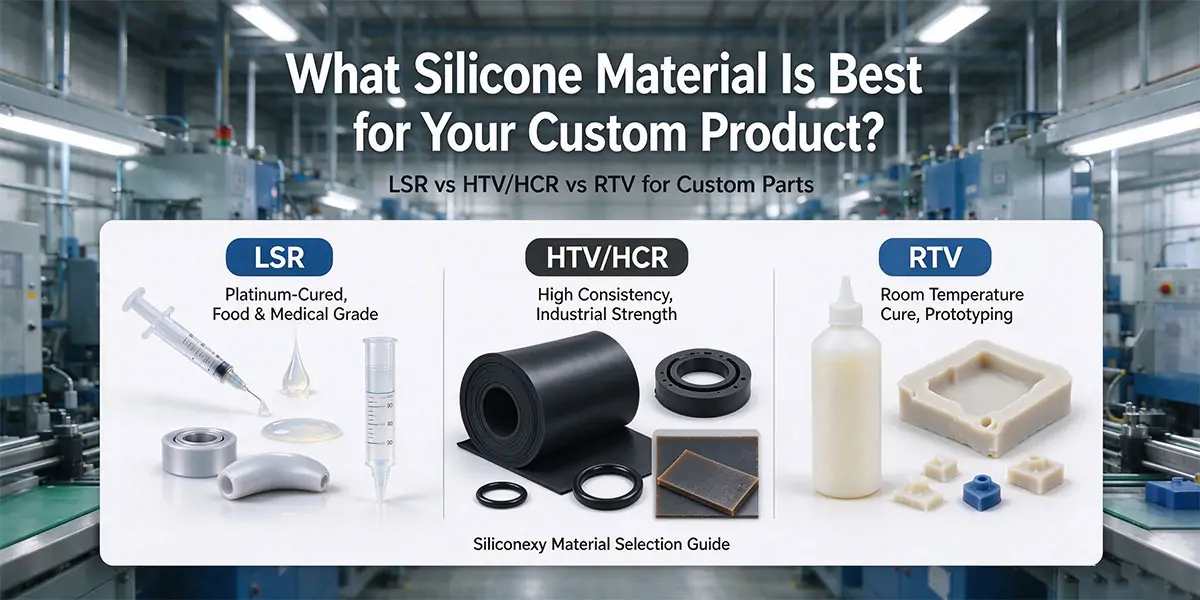
Step 3: Silicone Material Selection
Choosing the right silicone material is one of the most critical decisions in the manufacturing process.
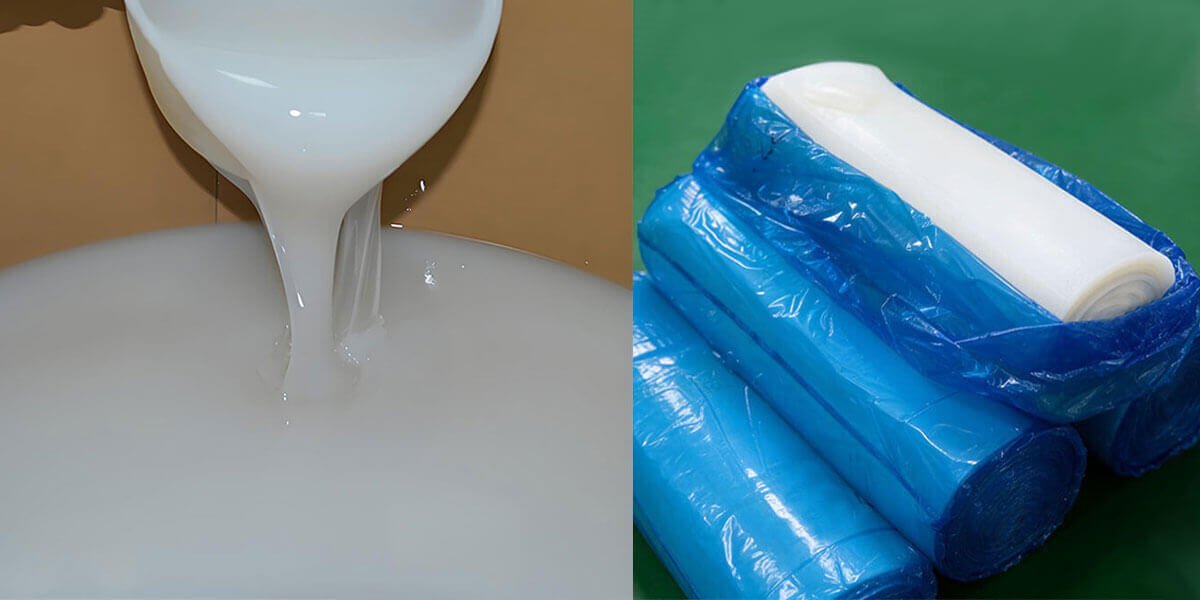
Silicone comes in two primary forms:
| Material Form | Description | Common Process |
|---|---|---|
| Liquid Silicone Rubber (LSR) | Two-part pumpable liquid | Injection molding |
| High Consistency Rubber (HCR) | Solid, gum-like sheets | Compression or transfer molding |
LSR is ideal for high-volume, automated production of complex parts with tight tolerances. Its low viscosity allows it to flow into intricate mold cavities, capturing fine details. LSR injection molding is the gold standard for medical and electronics industries because the closed-loop system minimizes contamination risk.
HCR is the main process in the industrial field. Due to the significantly lower cost of silicone compression molding molds, it is more cost-effective in small batch production.
Reference: Silicone Injection Molding vs Compression Molding: Which Is Better for Your Project?
Material grades vary by application:
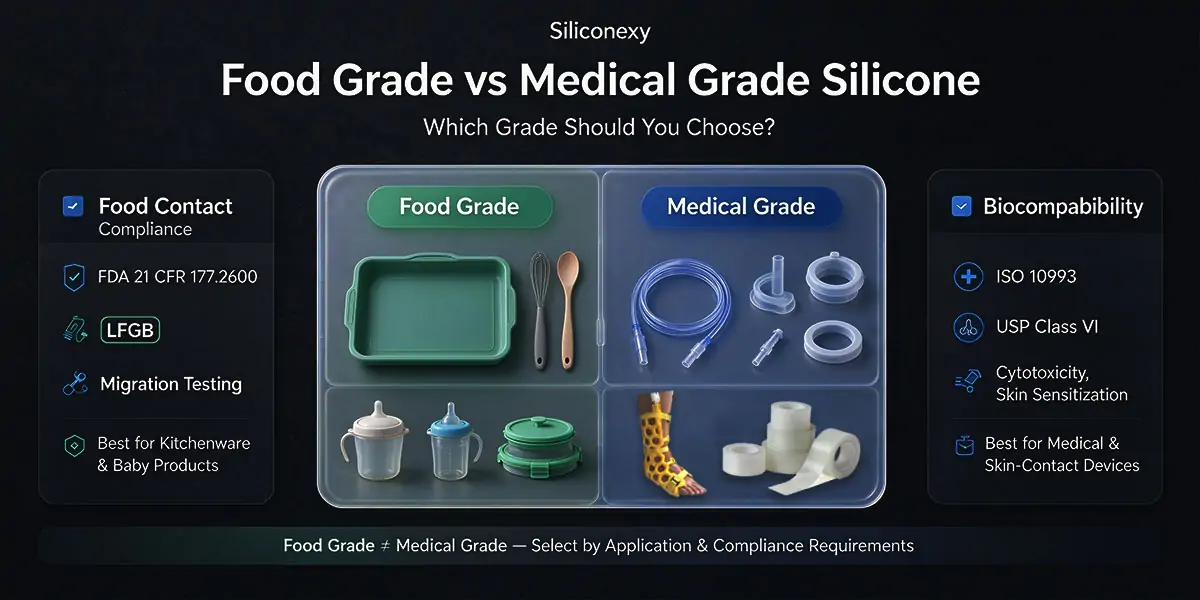
- Food-grade silicone: FDA and EU LFGB certified, odorless and tasteless
- Medical-grade silicone: biocompatible, meeting ISO 10993 or USP Class VI standards
- High-temperature silicone: stable from –60°C to +200°C or higher
- Specialty compounds: with fillers for magnetic, conductive, or flame-retardant properties
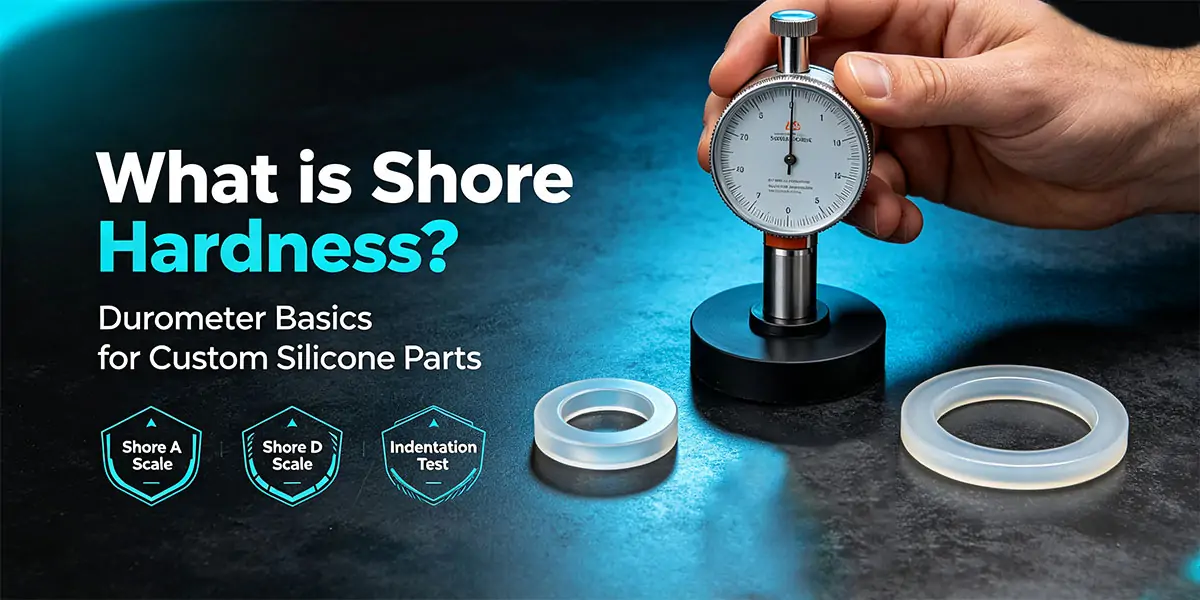
Hardness is measured on the Shore A scale: softer grades (Shore A 10–30) suit seals and flexible tubing; harder grades (Shore A 50–80) are used for load-bearing parts.
Step 4: Prototyping & Sample Development
Before committing to mass production, prototypes validate your design. Prototyping allows you to test functionality, evaluate user experience, and identify design improvements.
Common prototyping methods include:
- 3D printing: rapid iteration for form and fit testing
- CNC machining: precise samples from solid material
- Soft tooling: small-batch molds for functional testing
Some manufacturers now offer on-demand manufacturing where customers can upload a component and receive parts within days—without minimum order quantities or lengthy development projects.
Step 5: Silicone Mold Design and Tooling Fabrication
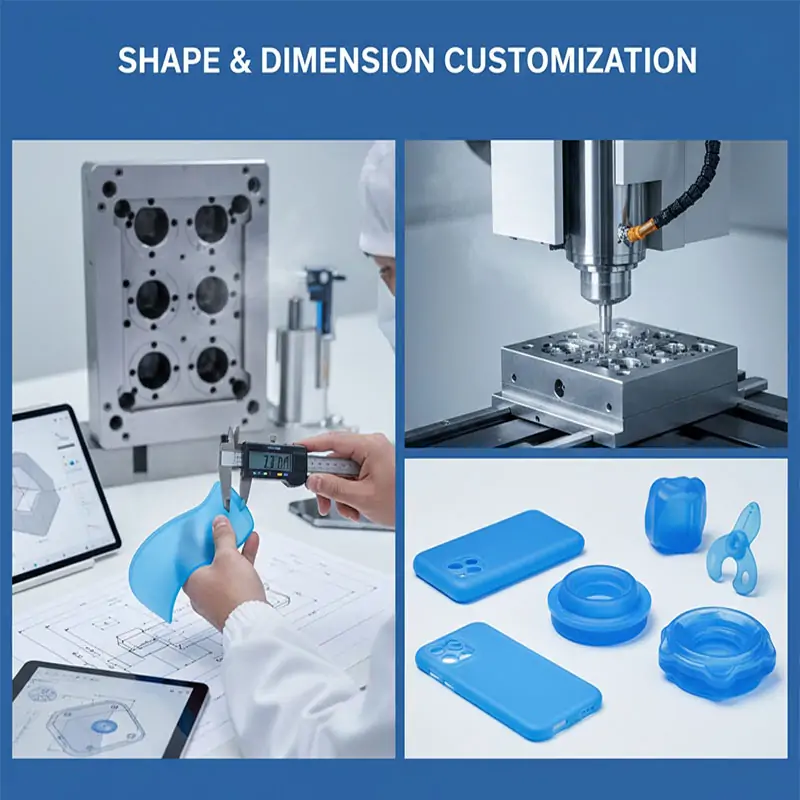
The mold is one of the most important parts of silicone product manufacturing. Tool quality directly decides the consistency of custom molded silicone products. A high-quality mold directly influences: Product accuracy, surface quality, production efficiency and manufacturing cost.
Our factory builds precision steel molds for compression molding, LSR injection molding or extrusion dies according to final 3D data. For small‑batch validation, low‑cost prototype molds shorten sampling cycles; for mass‑volume orders, hardened steel molds extend service life for repeated large‑run silicone production.
Mold design considerations include:
- Steel selection (P20, S136, or aluminum depending on volume).
- Mold cavity design with proper venting.
- Surface finishing for desired part texture.
The mold is the heart of the silicone molding process. Its quality directly determines part accuracy, cycle time, and production cost.
Once the design is finalized, our team proceeds to develop precision molds that serve as the foundation for mass production.
The mold manufacturing process generally includes:
- Mold Design. Engineers create mold structures based on the approved product design.
- Customization Options. Incorporating features like logos, textures, and complex geometries to meet unique branding and functional requirements.
- Mold Production. Precision machining processes are used to manufacture molds according to product specifications.
- Mold Testing. Trial production is performed to verify: product dimensions, appearance quality and mold performance. Conducting rigorous tests to verify mold performance, including pressure resistance and temperature stability.
For businesses requiring silicone products manufacturing, professional mold development ensures stable production and consistent results.
Step 6: Silicone Material Preparation and Mixing
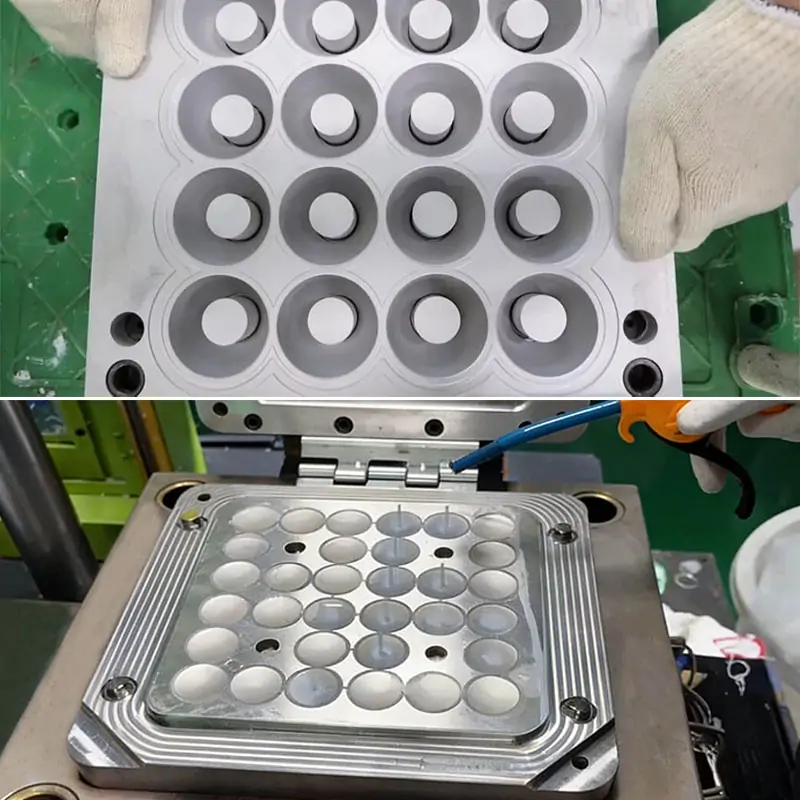
The quality of silicone products starts with the raw materials. Before molding, silicone raw materials need to be prepared according to product requirements.
This stage include:
- Silicone material selection
- Color matching
- Additive preparation
- Material mixing
Our state-of-the-art mixing facilities ensure consistent material properties through:
- Material Testing: Sourcing only premium-grade silicone polymers and additives that comply with international standards (e.g., FDA, RoHS, ISO).
- Precision Mixing: Using automated mixing equipment to achieve uniform dispersion of pigments, fillers, and cross-linking agents.
- Batch Tracking: Maintaining strict records of each material batch to ensure traceability and quality control.
For custom silicone products, precise color matching and material control are especially important for maintaining brand consistency.
Step 7: Silicone Molding Process
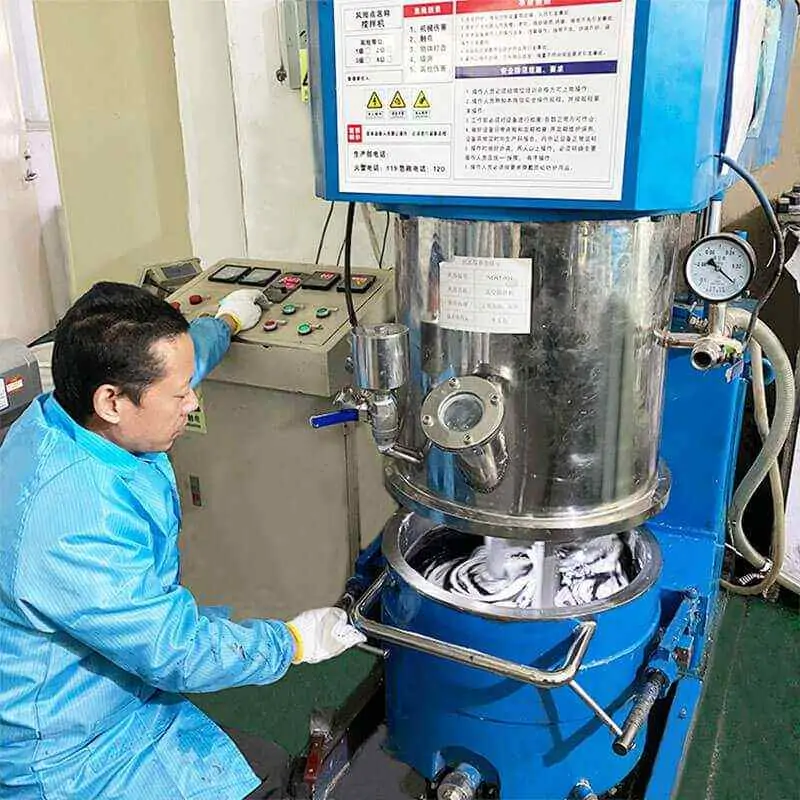
After mold preparation and material mixing, silicone products enter the molding stage. This is the core of the manufacturing process where silicone is transformed into the final product.
Different products may require different manufacturing methods. An experienced custom silicone products manufacturer evaluates each project and recommends the most suitable production solution.
The appropriate molding method depends on:
- Product design
- Production quantity
- Required precision
- Manufacturing cost
1. Silicone Compression Molding
Compression molding is commonly used for many silicone rubber products because it is suitable for flexible designs and various product sizes.
A pre-measured amount of solid silicone (HCR) is placed directly into a heated mold cavity. The mold is closed under pressure, forcing the material to fill the cavity where it cures.
Key advantages:
- Lower tooling costs
- Suitable for medium to high volumes
- Ideal for larger, simpler parts
Best for:
Ideal for high-volume production of simple to complex shapes, offering cost efficiency and consistent quality. Such as larger parts like sheets, gaskets, and kitchenware handles; lower to medium production volumes.
Reference: Silicone Compression Molding Process

2. Liquid Silicone Rubber (LSR) Injection Molding
LSR injection molding is often selected for products requiring higher production efficiency and more complex structures.
This highly automated process begins with two-part liquid silicone components fed into a precision meter-mix machine. The homogenous mixture is injected under pressure into a closed, heated mold cavity.
Key advantages:
- High precision with tolerances of ±0.05–0.1 mm
- Fast cycle times.
- Minimal flash, reducing secondary trimming
- Closed, clean process ideal for medical and food applications
Best for:
Suited for intricate designs with tight tolerances, enabling rapid production of precision components. Perfect for medical and automotive applications requiring ultra-high precision and biocompatibility.
Reference:
- How Silicone Injection Molding Works for Mass Production?
- Silicone Injection Molding vs Compression Molding: Which Is Better for Your Project?

3. Silicone Transfer Molding
A hybrid process that bridges compression and injection molding. The silicone pre-form is placed in a separate pot; a plunger transfers the material through runners into the closed mold cavities.
Key advantages:
- Supports moderate production volumes
- Better for parts with metal inserts or more complex geometries
- Cheaper tooling than full injection molding
Best for:
Parts requiring more controlled material flow than compression molding offers.
4. Silicone Extrusion Molding
Silicone extrusion molding is a continuous process used to produce silicone parts with a uniform cross-sectional profile. Unlike molding processes that shape material within a closed cavity, extrusion forces uncured silicone through a shaped die to create long, continuous lengths of product. Such as tubes, hoses, cords, and custom profiles.
Key advantages:
- Continuous production: parts can be made to virtually any length.
- High efficiency and low waste: minimal scrap generation.
- Lower tooling costs: dies are significantly less expensive than injection or compression molds.
- Fast development cycles: shorter lead times from design to production.
Limitations:
- Shape constraints: limited to products with uniform cross-sections (tubes, strips, cords, and profiles).
- Lower precision: tolerances are generally broader compared to injection molding.
Best For:
Silicone tubing, hoses, weather seals, gaskets, wire and cable insulation, LED light strips, and medical catheters. Extrusion is also well-suited for co-extrusion applications, where two or more compatible silicone materials are extruded simultaneously to produce multi-layer structures such as cables, pipes, and sealing mechanisms.

Step 8: Curing & Vulcanization
Once molded, silicone undergoes vulcanization, which is a chemical cross-linking reaction that transforms the material into a stable, elastic form.
Curing is heat-activated using either peroxide or platinum curing systems. For compression molding, temperatures typically range from 120–170°C with molding times from 15 to 60 minutes depending on part thickness. The curing speed of LSR injection molding is much faster, usually completing within just a few seconds.
Post-curing is an additional heating step after molding that creates stronger molecular bonds, improving compression set resistance and reducing gas volatility.
Step 9: Finishing & Secondary Operations
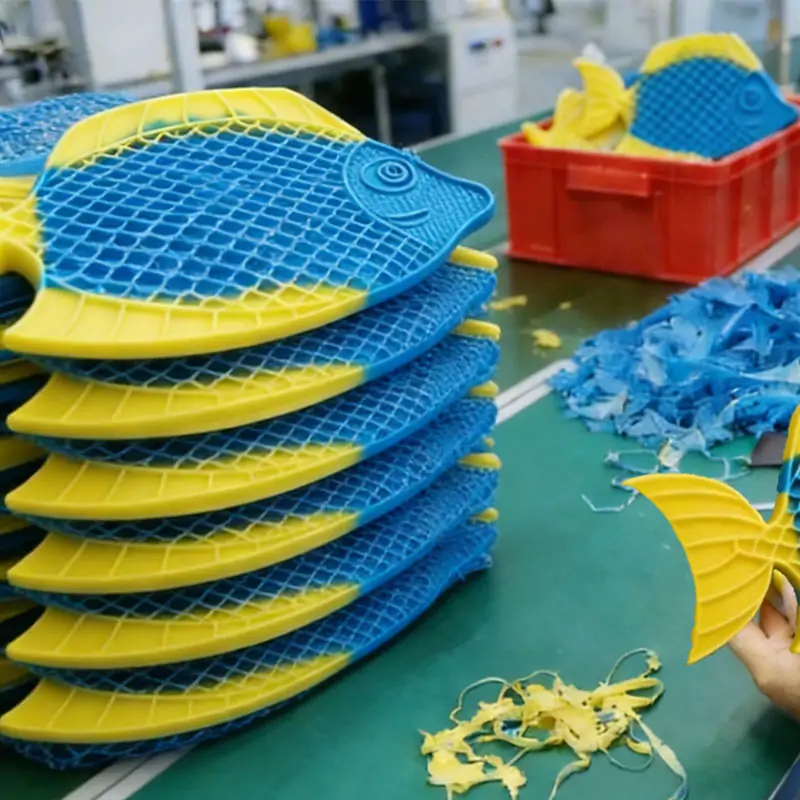
After molding, products undergo a series of finishing processes to enhance their functionality and aesthetics. Excess material (flash) is removed from part edges. This step is especially important for consumer products where appearance quality directly affects customer satisfaction.
Trimming & Deflashing Methods:
- Manual trimming: for low volumes
- Automated trimming: for consistency at scale
- Cryogenic deflashing: automated, computer-controlled process achieving tolerances as tight as 0.005 inches
Surface Treatment:
Applying coatings or textures to improve grip, reduce friction, or enhance chemical resistance.
Additional processes enhance functionality and appearance:
- Silk screen printing
- Laser engraving
- Oil coating / matte finishing
Step 10: Quality Inspection and Testing
Quality control is a critical part of the silicone manufacturing process. A professional silicone factory should inspect products throughout production.
Quality inspection include:
- Appearance Inspection Checking: surface defects, color consistency, product finishing and dimension inspection. Ensuring products meet approved specifications.
- Performance Testing. Depending on application requirements, testing may include: flexibility, hardness and durability.
For global brands ordering custom silicone products, strict quality control helps ensure every production batch meets expectations.
At Siliconexy, quality is non-negotiable. Our comprehensive quality control measures include:
- Dimensional Inspection: Using coordinate measuring machines (CMM) to verify product dimensions against design specifications.
- Performance Testing: Conducting stress tests, temperature cycling, and chemical exposure tests to ensure products meet industry standards.
- Certification Compliance: Providing documentation for regulatory compliance (e.g., FDA, ISO ).
Step 11: Packaging & Delivery
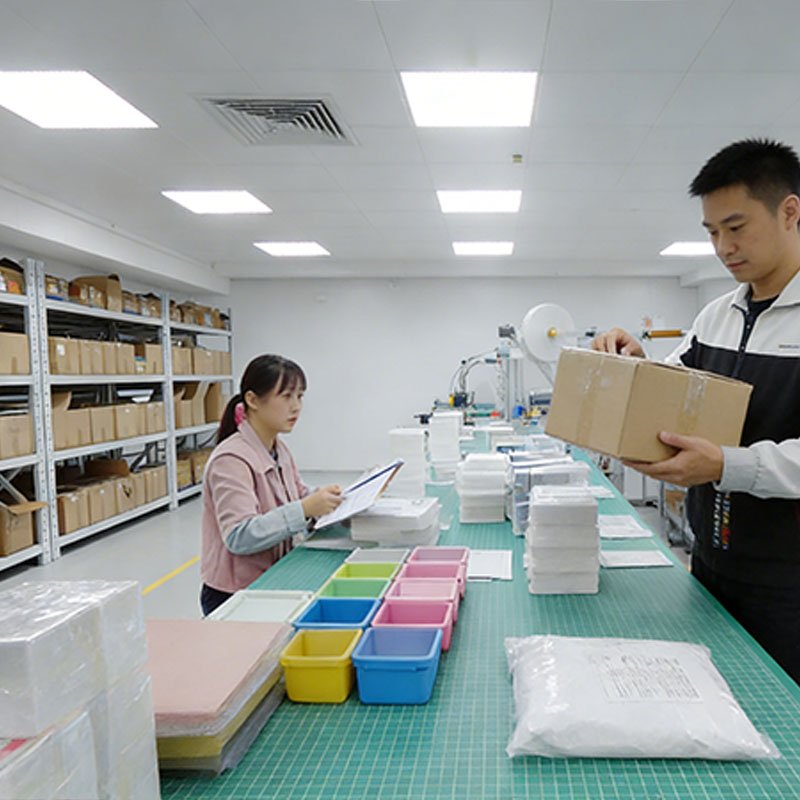
After passing quality inspection, silicone products move to packaging and shipment preparation. Final products are packed according to client requirementswith flexible shipping options (air, sea, or express). Including custom branding, barcode labeling, and secure handling.
Packaging solutions may include:
- Custom packaging design
- Brand labeling
- Individual packing
- Export cartons
Our logistics team ensures:
- On-Time Shipping: Partnering with reliable freight forwarders to deliver products globally within agreed timelines.
- Order Tracking: Providing real-time updates on shipment status for complete transparency.
- Technical Support: Offering ongoing assistance with product installation, maintenance, and troubleshooting.
Key Takeaways for Your Custom Silicone Project
Share full requirements at early consultation phase to optimise DFM output.
Match molding technology to your order volume and part complexity: compression molding for medium runs; LSR injection for high‑volume precision custom silicone products.
Always validate prototype samples before mass manufacturing.
Clarify certification needs upfront for food‑grade, children‑use or medical silicone components.
At Siliconexy, we deliver end‑to‑end custom silicone products manufacturing service covering custom fidget toys, household silicone items, silicone protective accessories and industrial silicone rubber parts. Send us your idea, sample or CAD drawing to start your OEM & ODM silicone project.
Why Choose Siliconexy for Custom Silicone Products Manufacturing?
Developing successful silicone products requires experience in engineering, mold production, manufacturing management, and quality control.
Siliconexy provides complete silicone manufacturing solutions, including:
- Custom silicone product development
- OEM and ODM silicone products
- Silicone mold manufacturing
- Prototype production
- Mass manufacturing
- Quality inspection
- Customized packaging
We have:
- 20+ Years of Expertise: With decades of experience in silicone manufacturing, we have the knowledge to tackle even the most complex projects.
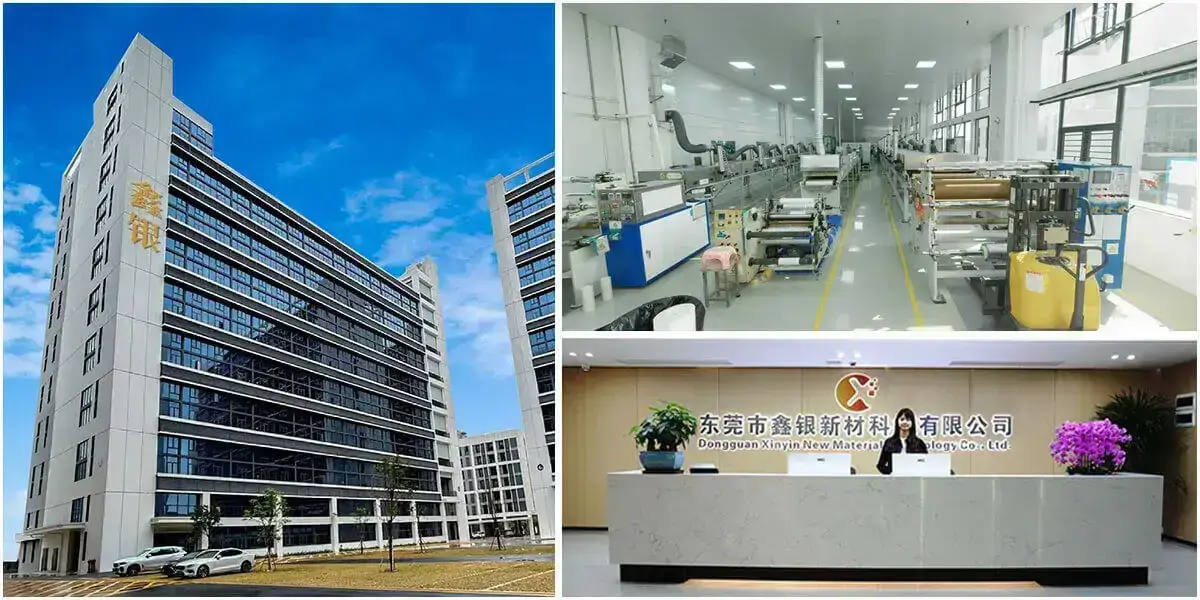
- State-of-the-Art Facilities: Our advanced production lines and testing equipment ensure consistent quality and efficiency.
- Customer-Centric Approach: We prioritize open communication and collaboration to deliver solutions that exceed client expectations.
As a professional silicone products manufacturer, Siliconexy helps businesses create reliable silicone products for different industries and applications.
Start Your Custom Silicone Product Manufacturing Project:
Whether you are developing a new product or looking for a reliable OEM manufacturing partner, Siliconexy provides flexible solutions for your silicone product requirements.
From design optimization to final production, our team supports every stage of the manufacturing process.
Ready to bring your custom silicone product idea to life? Contact our team today to discuss your project requirements and receive a personalized quote.