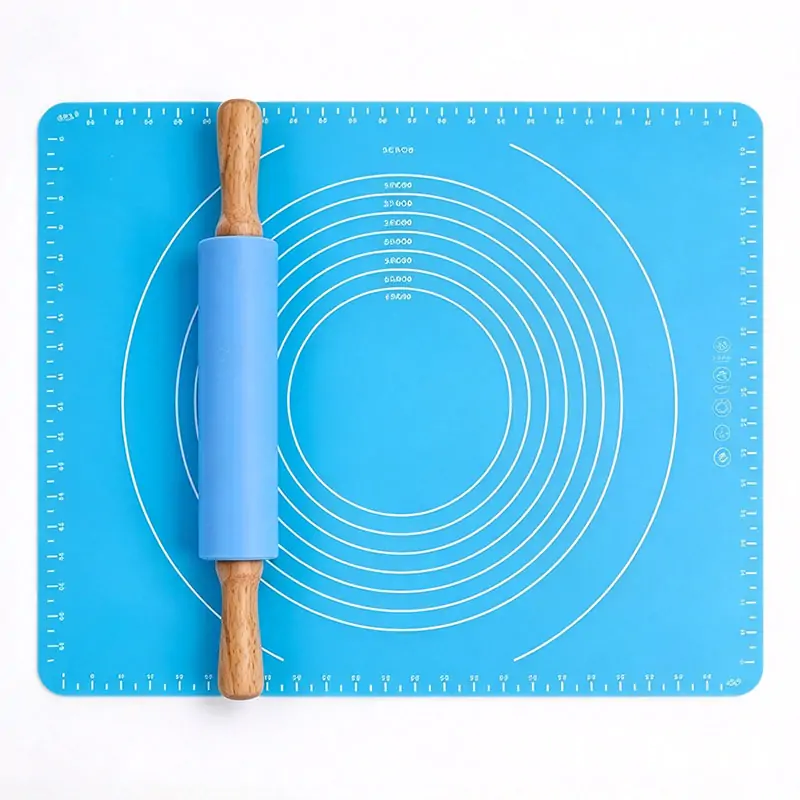
Silicone baking mats have become a kitchen staple for home bakers and professionals alike. They’re reusable, non-stick, and eliminate the need for disposable parchment paper. But a question that keeps coming up in kitchens everywhere is: are silicone baking mats safe? Many users still worry about chemical leaching, toxic fumes, and food contamination.
The short answer is: food-contact silicone baking mats can be suitable for baking when they are properly formulated, manufactured for food contact, used within their specified conditions, and maintained correctly.
However, the word “silicone” alone does not guarantee that every baking mat is suitable for food contact. The material formulation, manufacturing quality, intended use, temperature conditions, and applicable regulatory requirements all matter.
If you’ve searched “are silicone baking mats safe” or wondered about “silicone baking mat safety concerns,” you’re not alone.
At Xinyin (Siliconexy), we specialize in manufacturing high-quality, food-grade silicone products for commercial and home use. In this guide, we’ll break down the safety of silicone baking mats, address common concerns, and help you choose the right mat for your baking needs.
What Are Silicone Baking Mats Made Of?
A silicone baking mat is generally made from silicone elastomer and may include a reinforcing layer, such as fiberglass, to improve dimensional stability.
- Food-grade silicone: A synthetic rubber made from silicon, oxygen, carbon, and hydrogen. It’s known for its flexibility, heat resistance, and non-stick properties.
- Reinforced fiberglass mesh: Added for structural integrity, preventing the mat from stretching or warping during use.
When combined, these materials create a durable silcone mat or silicone baking sheet liner that can withstand temperatures from -40°F to 480°F (-40°C to 250°C), making it suitable for everything from freezing dough to baking bread at high heat.
Silicone is widely used in kitchenware because it is flexible, heat resistant, and suitable for repeated use when properly manufactured.
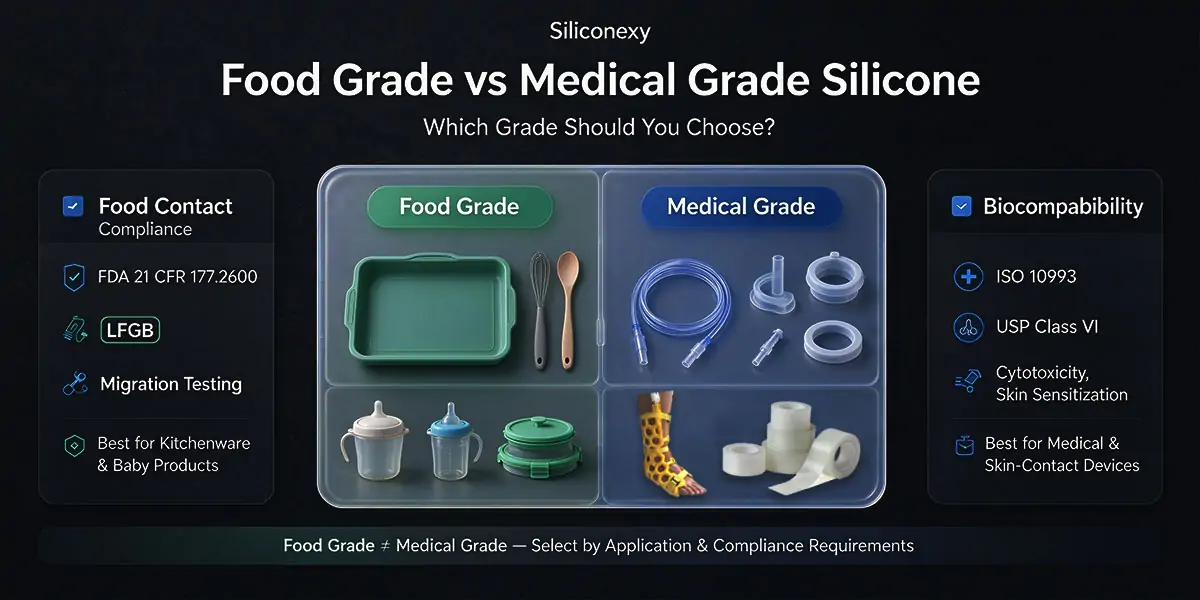
In the United States, FDA regulations include silicone-based materials within the framework for certain repeated-use rubber articles intended for food contact. For example, FDA 21 CFR §177.2600 includes silicone basic polymers among materials that may be used in specified food-contact applications, subject to the requirements and limitations of the regulation.
However, this does not mean that every silicone product is automatically FDA compliant. FDA explains that the regulatory status of a food-contact substance depends on its identity, intended use, and conditions of use.
For this reason, buyers should evaluate the finished silicone baking mat and its intended application, rather than relying only on the material name.
Are Silicone Baking Mats Safe?
Generally, properly manufactured food-contact silicone baking mats can be used safely for their intended application. High-quality food-grade silicone baking mats are completely safe for home and commercial baking when used according to official guidelines. Premium silicone baking mats from certified manufacturers are BPA-free, phthalate-free, lead-free, and latex-free, eliminating common toxic risks found in low-quality plastic bakeware.
The important factors include:
- Appropriate silicone formulation
- Suitable food-contact materials
- Proper curing and manufacturing
- Compliance with applicable food-contact requirements
- Appropriate temperature rating
- Good manufacturing and quality control
- Correct use and cleaning
FDA’s food-contact framework evaluates whether substances used in food-contact applications are safe under their intended conditions of use. The assessment can consider potential migration from the material into food.
Therefore, when purchasing or developing food-grade silicone baking mats, it is more meaningful to ask for relevant compliance documentation and test information than simply asking whether the product is “FDA approved.”
What Makes Premium Silicone Baking Mats Safer?
Not all silicone baking mats deliver the same safety performance. The core difference lies in curing technology and manufacturing craftsmanship, two key factors that determine whether silicone baking mats leach chemicals at high temperatures.
High quality silicone mat adopts a platinum catalytic curing process without peroxide additives, producing no toxic byproducts or residual odors after high-temperature baking. In contrast, low-cost peroxide-cured silicone mats may release trace volatile compounds under continuous high heat, affecting food taste and long-term safety.
Most durable silicone baking mats adopt a reinforced fiberglass inner layer fully encapsulated in food-grade silicone. The qualified encapsulated fiberglass complies with FDA 21 CFR 186.1257 standards, with zero exposed fibers on the surface or edges, avoiding fiber shedding and food contamination risks.
What About Low-Quality or Cheap Silicone Mats?
Cheap, uncertified mats may pose risks:
- They might contain fillers or low-grade silicone that can leach chemicals when heated.
- Some may have a strong odor, which can transfer to your food.
- Poorly constructed mats might degrade over time, shedding tiny particles into your baked goods.
To avoid these issues, always choose mats from trusted brands that provide clear certification information.
Reference: How to Choose High-Quality Silicone Products for Your Business
Common Safety Concerns & Misconceptions
Can Silicone Baking Mats Be Used at High Temperatures?
One of the main reasons silicone is used for bakeware is its ability to withstand elevated temperatures. However, heat resistance is not unlimited. A top common user question is: what temperature are silicone baking mats safe up to?
Standard food-grade silicone baking mats feature a stable temperature resistance range of -40°F to 450°F (-40°C to 232°C) . Within this range, the silicone material remains chemically inert, with no chemical decomposition, toxic fume emission, or substance leaching into baked food.
Overheating is the only major safety hazard for silicone baking mats. Using the mat above 450°F for a long time will cause material aging, surface cracking, and potential release of volatile substances. For daily baking tasks like cookie baking, bread proofing, pastry making, and vegetable roasting, the temperature is far within the safe range, ensuring 100% safe use.
Every silicone baking mat should have a specified temperature range provided by the manufacturer. Buyers should follow the product’s instructions rather than assuming that all silicone products have the same heat resistance.
Avoid situations such as:
- Direct contact with an open flame
- Direct exposure to heating elements
- Using the mat outside its specified temperature range
- Using a damaged or deteriorated mat
- Cutting or severely scratching the food-contact surface
For manufacturers and private-label buyers, temperature performance should be evaluated according to the actual product design, silicone formulation, construction, and intended application.
Reference:
- Will Silicone Melt or Burn? A Guide to Silicone’s Heat Resistance
- What Is Silicone? Is It Heat and Acid Resistant?
Are silicone baking mats safe for oven and air fryer use?
Yes. Certified food-grade silicone baking mats are safe for conventional ovens, convection ovens, and air fryers, as long as the appliance temperature does not exceed the rated maximum heat resistance. They are ideal for repeated baking and air-frying cooking scenarios.
Does silicone release harmful fumes when heated?
No, food-grade silicone is non-toxic and doesn’t release harmful fumes at normal baking temperatures. However, if you accidentally burn your mat (e.g., by leaving it in the oven empty at 500°F for too long), it may produce a temporary odor. This is harmless, but it’s best to replace a burned mat to avoid affecting the taste of your food.
Are silicone baking mats safe for acidic foods?
Yes, silicone is resistant to acids, so it’s safe for baking foods like tomato tarts or citrus-based desserts. Unlike metal pans, it won’t react with acidic ingredients to alter the flavor of your food.
Can silicone mats cause allergies?
While rare, some people may have a mild allergic reaction to silicone. If you experience redness, itching, or swelling after using a silicone mat, discontinue use and consult a healthcare provider.
Reference:
- Is Silicone Hypoallergenic? You Need to Know About Silicone Allergy
- Can I Use Silicone Products If I’m Allergic to Latex?
Silicone Baking Mats vs. Parchment Paper
Many home bakers wonder about the parchment paper vs silicone baking mats debate.
Why do consumers and brands choose reusable silicone baking mats?
Silicone mats are reusable, durable, and typically handle higher temperatures (up to 480°F) than parchment paper (which often warns against baking over 425°F). They eliminate the need for disposable liners and are more environmentally friendly in the long run.
| Feature | Silicone Baking Mat | Parchment Paper |
| Reusable | Yes | Generally no |
| Flexible | Yes | Yes |
| Non-stick surface | Yes | Yes |
| Easy to clean | Yes | Usually disposable |
| Waste reduction | Reusable product | Single-use material |
| Custom branding | Possible for OEM products | More limited |
| Long-term repeated use | Designed for repeated use | Usually single use |
Parchment paper, on the other hand, has its own concerns. The consumer tests have found that some baking papers are contaminated with PFAS (“forever chemicals”). Silicone mats tested by the same consumer program were found to contain no PFAS.
Safe Usage Tips for Silicone Baking Mats
To get the most out of your reusable silicone baking mat while minimizing any potential risks:
- Pre-clean before first use. Heat your new mat in an empty oven at 200°C (about 392°F) for one hour, then wash thoroughly. This helps burn off any volatile compounds from manufacturing.
- Never exceed the temperature limit. Don’t use mats directly on open flames or hot stovetop burners. Most quality mats are rated for -40°F to 480°F (-40°C to 230°C). Exceeding this can cause degradation, especially under a broiler.
- Avoid sharp utensils. Cutting directly on the mat can damage the surface and create places where food or bacteria can accumulate.
- Replace when worn. Discard mats that show signs of wear, cuts, stickiness, or discoloration.
- Wash thoroughly after each use. Warm, soapy water works best; most quality mats are also dishwasher safe.
How to Choose a Safe Silicone Baking Mat?
If you are buying a silicone baking mat for home use, look for a product that clearly provides:
- Food-Contact Information. The custom silicone barking mat manufacturer should identify the intended food-contact use and provide relevant compliance information.
- Temperature Rating. Check the manufacturer’s recommended temperature range and follow the instructions for oven use.
- Material Information. Look for clear information about the silicone material rather than vague descriptions such as “premium silicone.”
- Manufacturing Quality. A reputable manufacturer should have consistent production and quality-control procedures.
- Testing Documentation. For commercial products, importers and brands should consider requesting applicable test reports, migration testing, material documentation, and declarations of compliance.
- Proper Product Condition. Do not continue using a baking mat if it becomes severely damaged, degraded, or otherwise unsuitable for its intended use.
Can Silicone Baking Mats Be Customized?
Yes. Silicone baking mats can be developed for different applications and brand requirements.
Depending on the project, customization may include:
- Size and shape
- Thickness
- Color
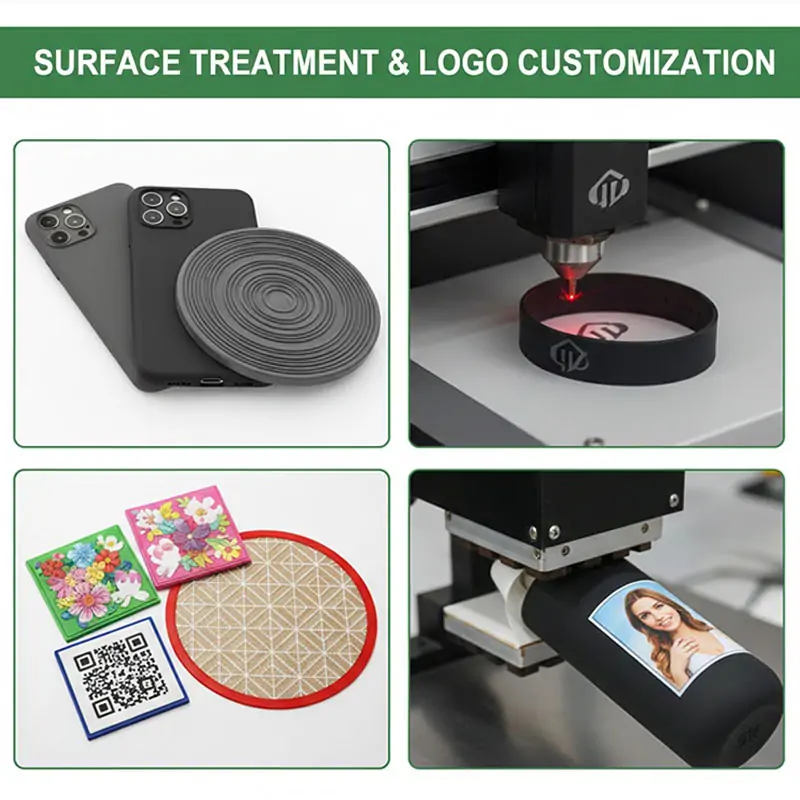
- Surface texture
- Measurement markings
- Logo or branding
- Packaging
- Product hardness
- Product structure
- Private-label requirements
A professional custom silicone barking mat manufacturer should be able to evaluate the design, material requirements, tooling, sampling, production process, quality control, and packaging as part of the overall OEM project.
What Should OEM Buyers Check Before Ordering Silicone Baking Mats?
For businesses sourcing custom silicone baking mats, product safety begins before mass production.
An OEM buyer should confirm:
- Silicone material specification
- Intended food-contact application
- Required temperature range
- Product dimensions and thickness
- Reinforcement structure, if applicable
- Surface design
- Color requirements
- Logo or branding
- Applicable food-contact regulations
- Migration or extractives testing
- Packaging requirements
- Quality inspection standards
- Sample approval procedure
These specifications should be agreed upon before tooling and mass production. For example, if a brand intends to sell a silicone baking mat for high-temperature oven use, the manufacturer should understand the intended application before selecting the material formulation and production parameters.
Why Choose Siliconexy’s Baking Mats?
When developing custom silicone baking mats or silicone kitchen products, the manufacturing process involves more than simply forming silicone into a finished shape.
A complete OEM project may include:
- Product Concept → Design & Engineering → DFM → Mold Development → Prototype → Material Selection → Mass Production → Finishing → Quality Inspection → Packaging
Working with an experienced silicone product factory can make it easier to coordinate these manufacturing stages.
Siliconexy, a custom silicone barking mat manufacturer in China, we prioritize safety and quality in every product we make:
- 100% food-grade silicone: Our mats are made with FDA-approved silicone, free from BPA, phthalates, and other harmful chemicals.
- Reinforced construction: The fiberglass mesh core ensures durability, so our mats won’t stretch or warp even with daily use.
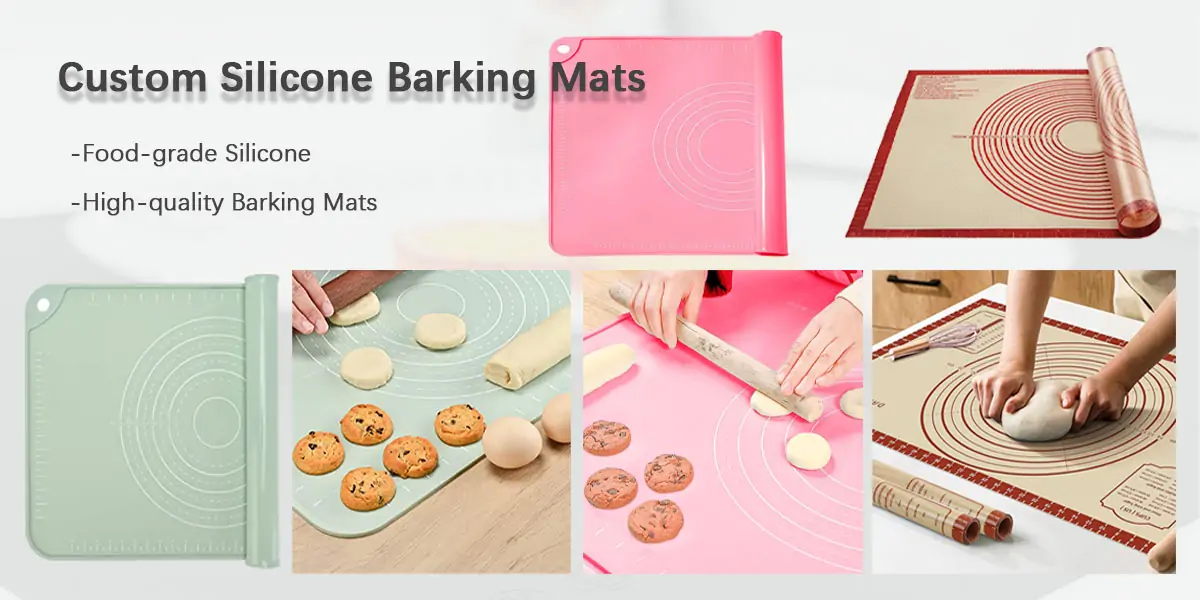
- Versatile design: Perfect for baking cookies, macarons, bread, and more. They also work great as a non-slip surface for rolling dough.
- Eco-friendly: Replace disposable parchment paper and aluminum foil with our reusable mats, reducing waste in your kitchen.
Reference:
- The Complete Custom Silicone Products Manufacturing Process: From Design to Final Production
- Silicone Flash Removal and Trimming Process Explained
Conclusion:
Silicone baking mats are a safe, practical, and eco-friendly tool for any kitchen whether you’re a home baker or a commercial chef.
So, are silicone baking mats safe for everyday baking? The definitive answer is yes. Certified food-grade, platinum-cured silicone baking mats are a safe, non-toxic, and eco-friendly baking solution, safer than disposable parchment paper and plastic bakeware for long-term repeated use.
For consumers, choose products with clear material and usage information from reputable manufacturers.
For brands and importers, take a more systematic approach: define the application, specify the material, confirm the required temperature range, review compliance documentation, conduct appropriate testing, and approve production samples before placing a large order.
If you are developing custom silicone baking mats, silicone bakeware, or other custom silicone kitchen products, we can support OEM/ODM product development from design and tooling to mass production.
Have a custom silicone kitchen product idea? Contact Siliconexy to discuss your project and manufacturing requirements.