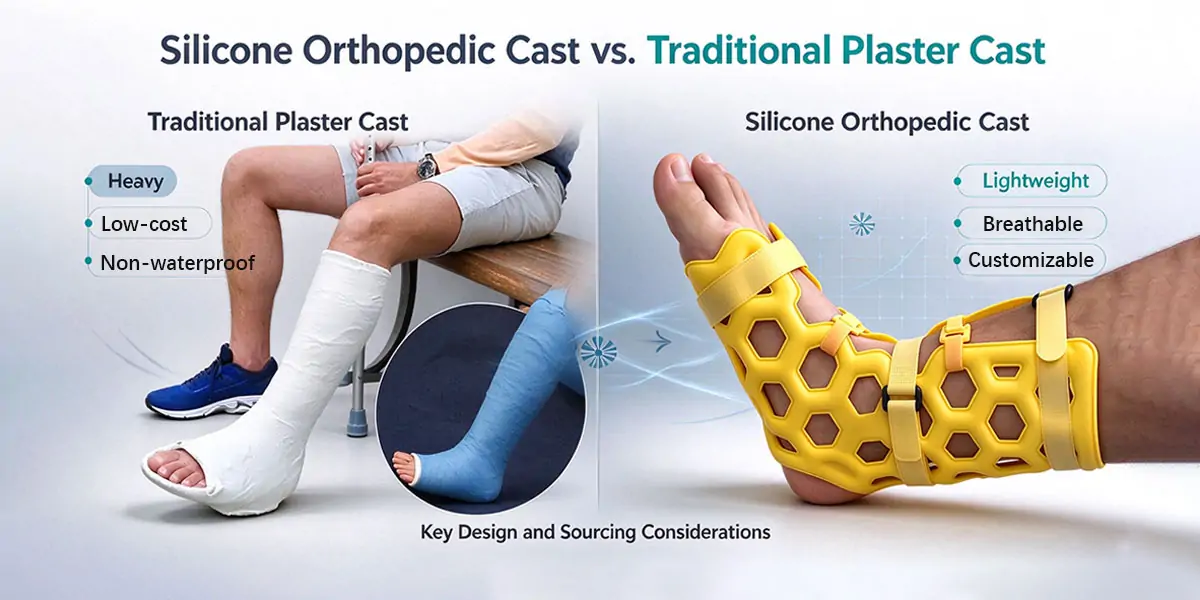
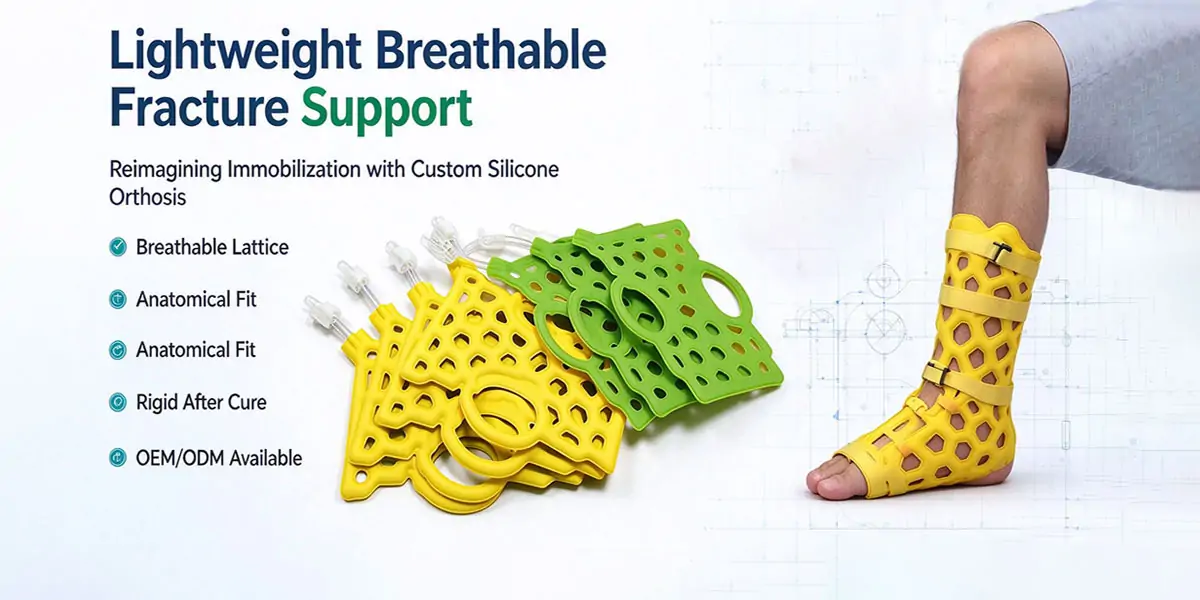
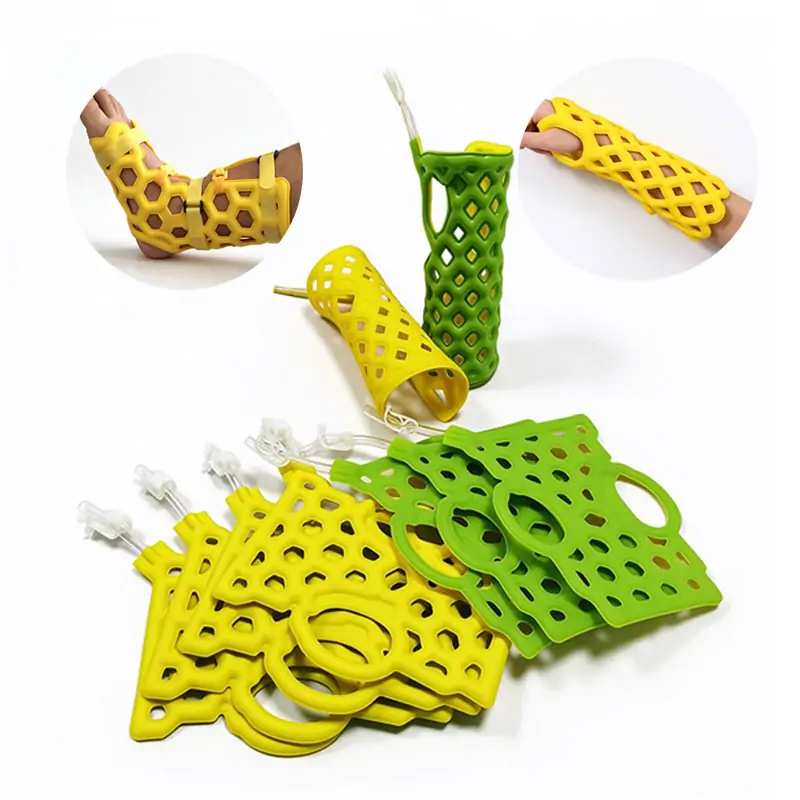
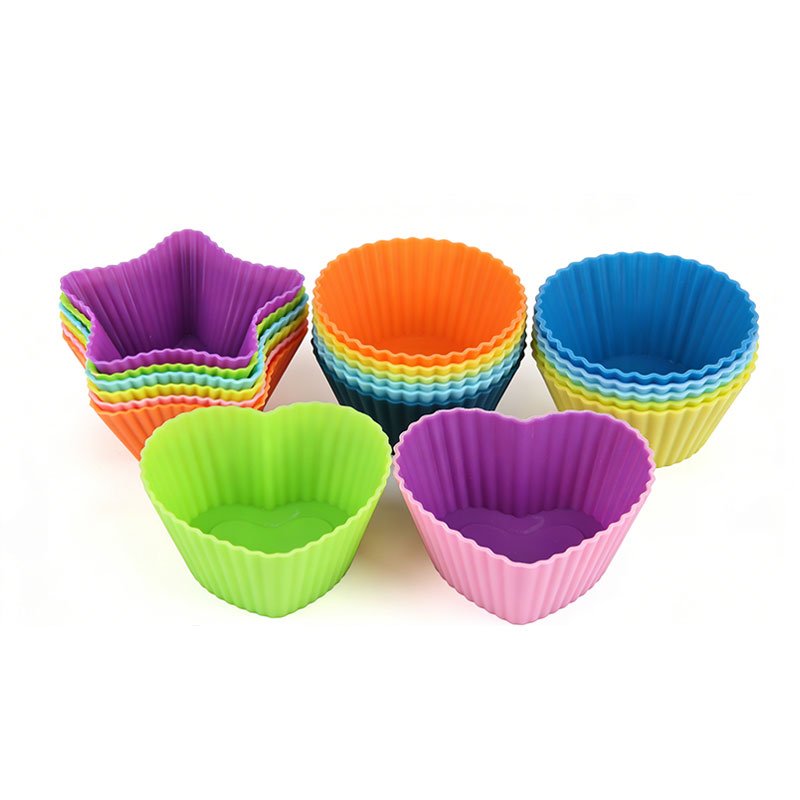
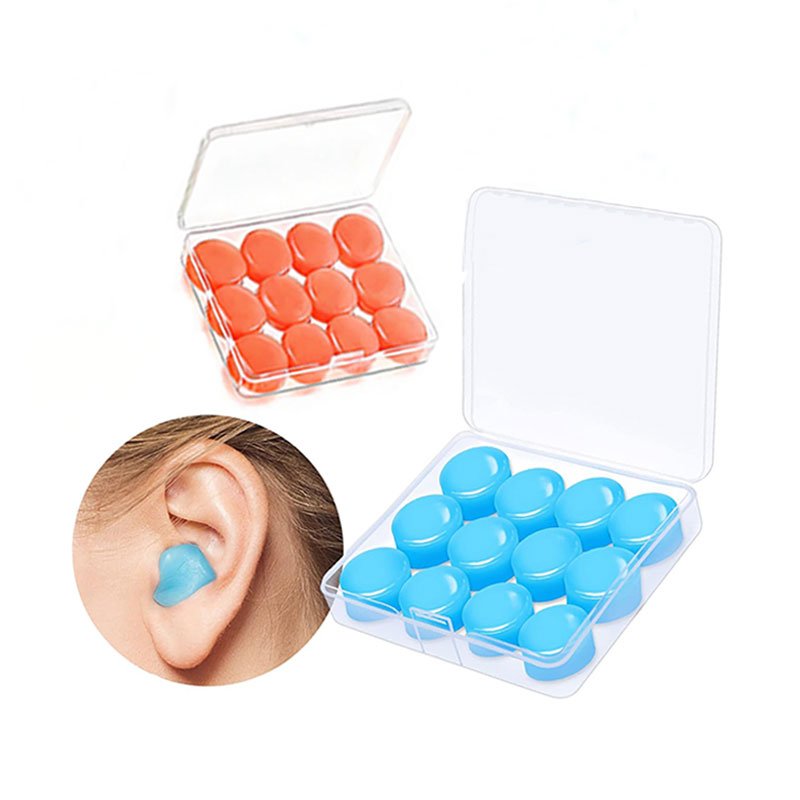
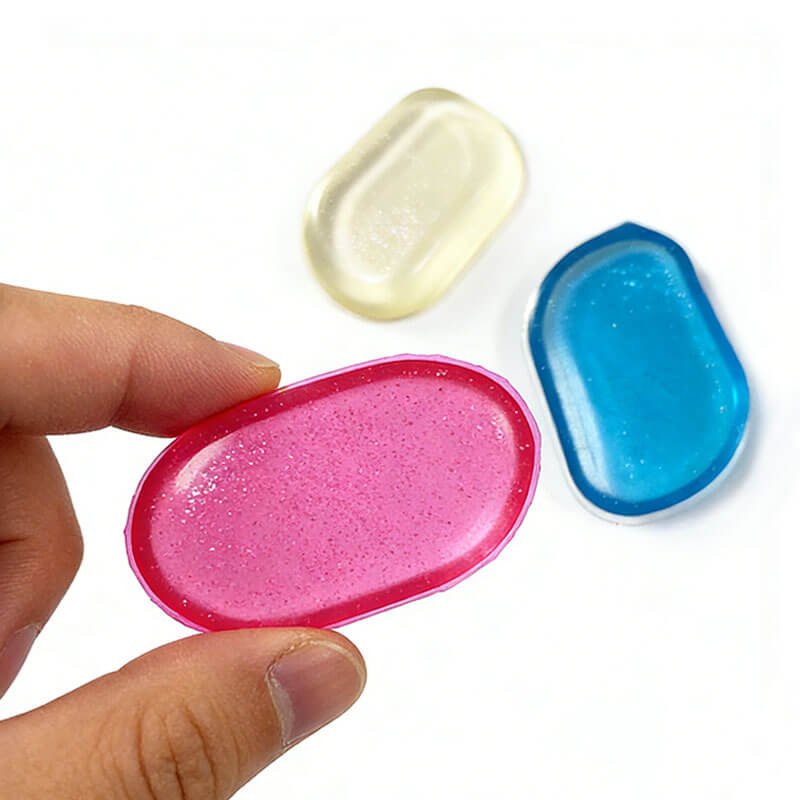
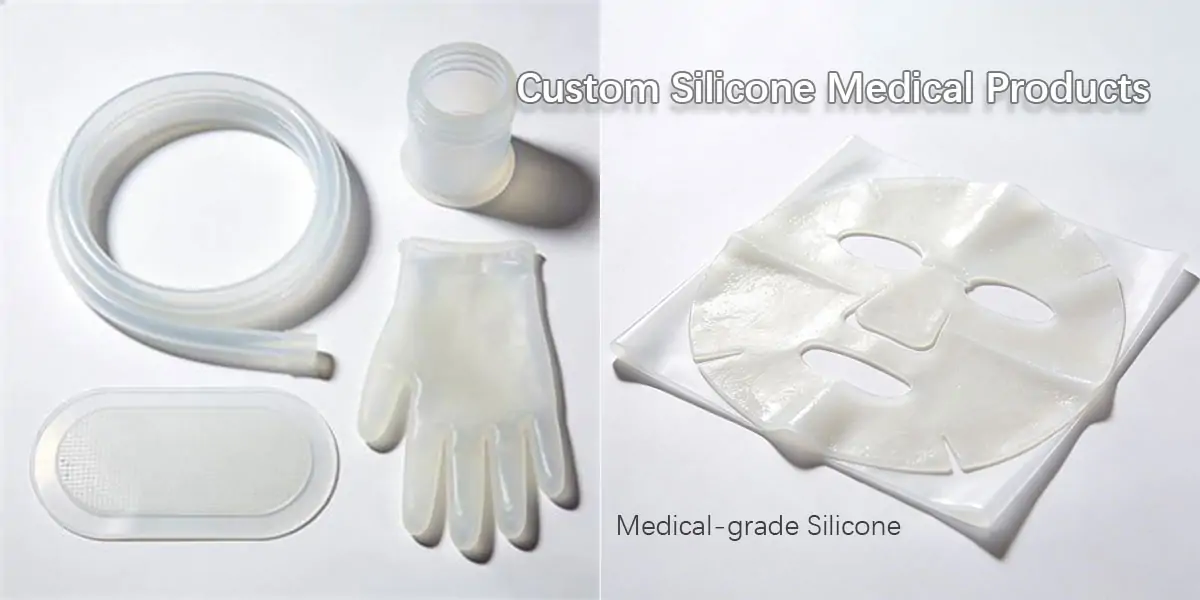
Medical silicone components support critical patient-facing devices, from silicone medical seals, wound care patches to silicone tubing and aesthetic silicone appliances.
If you are sourcing custom silicone medical components, you have likely encountered a familiar pattern: the prototype looks perfect, the material certificate says “medical grade,” and everyone is ready to scale.
Then the first mass production lot arrives with dimensional deviations, inconsistent cure, or a biocompatibility question that no one can answer with lot-specific evidence. This is not a supplier problem. It is a verification gap.
Developing custom silicone medical products requires more than selecting the right material and designing a mold. Even tiny defects or material inconsistency can compromise device safety, regulatory compliance and batch stability.
Before mass production begins, manufacturers must verify that the product meets its approved specifications, performs as intended, and can be produced consistently.
For medical device companies and healthcare product brands, effective quality control helps reduce manufacturing defects, avoid costly tooling changes, and support reliable product performance.
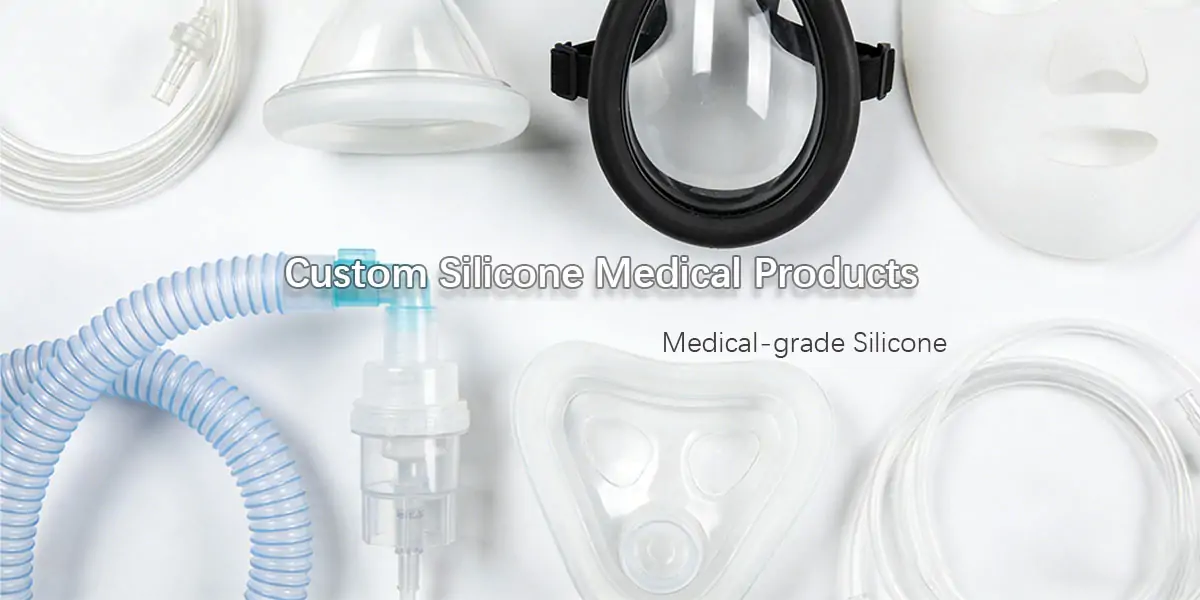
Quality Control for Custom Silicone Medical Products: Key Checks Before Mass Production
Before committing to mass production, medical device manufacturers need to confirm that their silicone supplier has validated not just the material, but the entire material, process, documentation chain that will repeat for every lot. Below are the checks that separate a compliant production partner from a certificate holder.
1. Incoming Medical-Grade Silicone Material Verification (IQC)
Material selection is the foundation of custom silicone medical product manufacturing. Different applications require different material properties, and not every medical-grade silicone compound is suitable for every medical application. The exact compound family, hardness range, pigment system, cure type, and post-cure parameters must be frozen in the purchasing specification before tooling is cut.
Before production, confirm the following:
- Material grade: Verify that the selected silicone compound meets the requirements for its intended application.
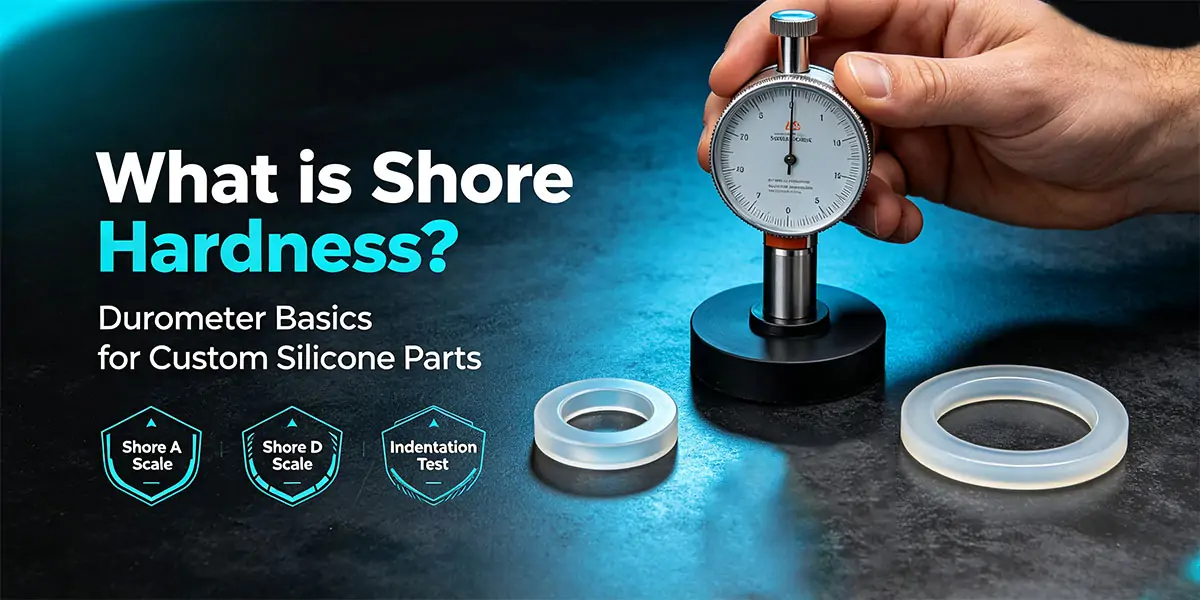
- Hardness: Check the specified Shore A or Shore 00 hardness, depending on the material and product design.
- Mechanical properties: Evaluate tensile strength, elongation, tear resistance, and compression set when relevant.
- Chemical and biological safety: Identify applicable chemical characterization, biocompatibility, and other testing requirements based on the product’s intended use.
- Supplier documentation: Review material specifications, batch identification, and relevant test reports.
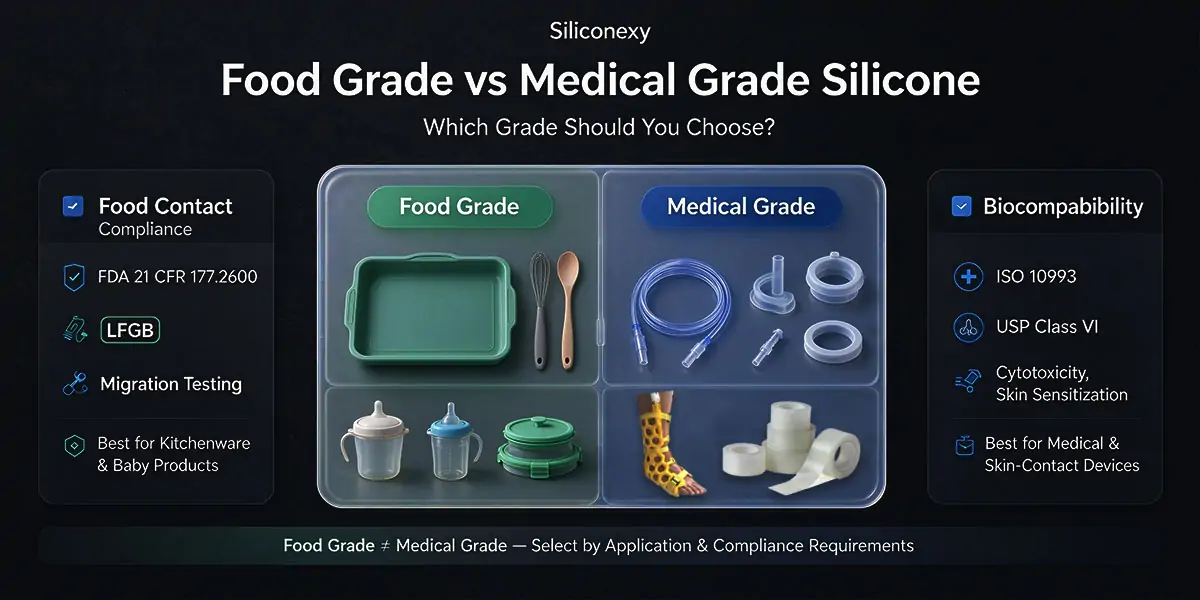
For products intended to contact the human body, material suitability should be evaluated against the applicable requirements. A supplier’s claim of “medical-grade silicone” alone does not establish that the finished product is safe for a specific medical application.
2. Evaluate Biocompatibility and Applicable Compliance Requirements
For medical devices and components that contact the human body, biological safety is an important part of product development.
Depending on the nature and duration of contact, the intended use, and the applicable regulatory framework, the evaluation may involve testing or other evidence addressing risks such as cytotoxicity, sensitization, and irritation.
Before mass production, customers and manufacturers should clarify:
- The product’s intended use and type of body contact
- Whether relevant ISO 10993 evaluations are required
- Whether sterilization is necessary and, if so, which method will be used
- Whether the selected material and finished product have the required supporting documentation
- Which market-specific regulatory requirements apply
Testing requirements should be determined through an appropriate evaluation rather than assuming that every medical silicone product requires the same test package.
For most custom silicone medical components, the relevant ISO 10993 parts include:
- ISO 10993-5: Cytotoxicity
- ISO 10993-10: Sensitization and irritation
- ISO 10993-11: Systemic toxicity
- ISO 10993-18:2020: Chemical characterization for extractables and leachables
A valid test report without lot traceability has limited procurement value. The compound ID, cure system, post-cure parameters, and manufacturing site on the test report must match the approved production part. For long-term implants, USP Class VI plus the full ISO 10993 suite is the expected baseline.
What to verify?
The biocompatibility dossier should explicitly reference the specific compounds and processes actually used in production, rather than relying solely on test results for general material families.
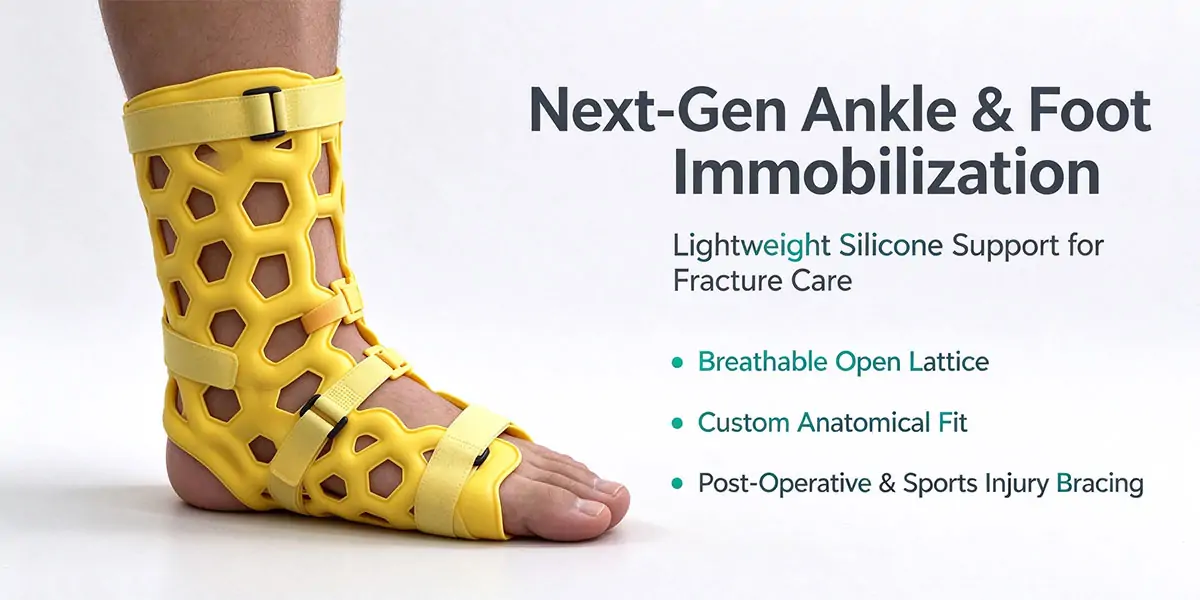
3. Cleanroom Control Is a Data Question, Not a Certificate Question
ISO 13485 certification does not certify every silicone produced at a site as biocompatible. It demonstrates that the organization operates a quality system within the certified scope. Buyers should verify whether silicone molding is included in the certificate scope and whether the production site on the certificate is the same site making the parts.
Medical buyers auditing LSR factories focus on seven operational realities beyond the certificate: QMS execution, lot-to-part traceability, cleanroom data integrity, physical incoming quality control, sterilization validation under real use conditions, customer-first change control, and live documentation.
What to verify?
Cleanroom environmental monitoring records, physical incoming inspection data for raw materials, and a live walkthrough of how nonconforming parts and complaints are handled.
4. Mold & Tooling Inspection for Custom Medical Silicone Molding
Precision molds directly control dimensional stability and surface finish for custom molded silicone medical parts. Custom silicone products are often manufactured using compression molding, liquid silicone rubber (LSR) injection molding, or other suitable molding processes. The mold directly influences product dimensions, surface appearance, and repeatability.
Before mass production, inspect the mold and first-article samples for:
- Critical dimensions, thickness, and overall geometry
- Parting lines, flash, burrs, and incomplete filling
- Surface defects, air bubbles, and visible contamination
- Fit, assembly, and functional performance
- Consistency between the approved drawing and the molded sample
Dimensional tolerances should be clearly defined on the technical drawing, especially for sealing components, precision-fit parts, and products that interface with other medical device components.
Why it matters?
Identifying mold-related problems during sampling is generally more efficient than correcting them after large production quantities have been manufactured.
5. Confirm Production Process Consistency
Even when the first samples pass inspection, mass production can introduce variation if processing conditions are not adequately controlled.
Before approving production, establish the appropriate manufacturing parameters and inspection criteria for the selected process.
Key areas include:
- Molding temperature, pressure, and curing time, where applicable
- Material preparation and handling
- Mold condition and maintenance
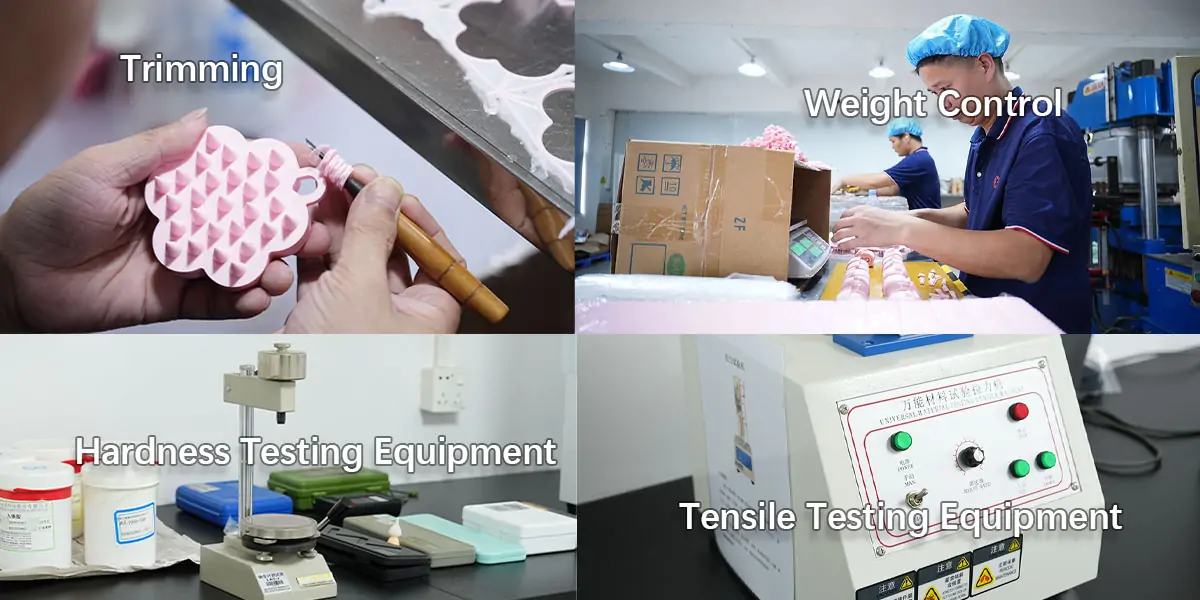
- Trimming, finishing, and post-curing requirements, if applicable
- In-process inspection and acceptance criteria
- Control of nonconforming products and corrective actions
For new or significantly modified production processes, assess whether process validation is required. The objective is to establish documented evidence that the process can consistently produce products meeting specified requirements.
A defined quality control plan helps connect product specifications with actual manufacturing operations and reduces the risk of inconsistent output.
6. Validate the Process, Not Just the First Article
Industrial molding often relies on first-article inspection. Medical LSR requires mandatory three-phase process validation:
- IQ (Installation Qualification): Equipment installed and calibrated correctly
- OQ (Operational Qualification): Stable output at minimum and maximum parameters
- PQ (Performance Qualification): Consistent results across shifts and operators
Limit-challenge testing is non-negotiable because medical devices must perform in clinical reality, not ideal lab conditions. Cure condition, mix ratio, post-cure, and bonding processes may need validated process windows depending on the component and quality agreement.
What to verify?
The supplier’s validation records for the specific molding process used on your component, including operating windows and shift-to-shift reproducibility data.
7. Establish Batch Traceability and Final Inspection
Quality control should continue throughout production, not stop after the first sample approval.
Before mass production, agree on how materials, production lots, inspection results, and finished products will be identified and recorded.
A practical quality control plan may include:
| Inspection stage | Key checks |
|---|---|
| Incoming materials | Material identity, specifications, batch records, and relevant certificates |
| First-article inspection | Dimensions, appearance, hardness, and functional requirements |
| In-process inspection | Molding consistency, defects, and critical process parameters |
| Final inspection | Agreed acceptance criteria, quantity, appearance, and functional checks |
| Packaging and shipment | Product identification, packaging integrity, labeling, and required documentation |
Acceptance criteria should be agreed upon before production begins. This includes defining inspection methods, sampling plans where applicable, defect classifications, and procedures for handling failed inspections.
Traceability also helps manufacturers and customers investigate quality issues and identify affected batches when corrective action is necessary.
8. Approve Samples Before Authorizing Mass Production
Sample approval is a critical decision point in custom silicone product development.
Before placing a bulk production order, customers should review and approve the final sample against the latest technical drawing, material specification, and agreed quality requirements.
A pre-production approval checklist should cover:
- Material and hardness confirmed
- Dimensions and tolerances verified
- Appearance and surface finish approved
- Functional tests completed where required
- Applicable compliance documentation reviewed
- Packaging and labeling requirements confirmed
- Inspection criteria and acceptance limits agreed upon
Any subsequent changes to the material, mold, design, manufacturing process, or approved specifications should be evaluated through an appropriate change-control process.
This approach helps ensure that mass production follows the same requirements used to approve the product sample.
9. Test Product Performance and Durability
A silicone component may look acceptable but still fail during actual use. Functional testing should therefore be based on the product’s intended purpose and foreseeable operating conditions.
Depending on the application, quality checks may include:
- Elastic recovery: Determine whether the product returns to its intended shape after deformation.
- Compression set: Evaluate permanent deformation after prolonged compression when relevant.
- Tear resistance: Assess the risk of tearing during handling or use.
- Leakage and sealing: Test sealing performance for applicable valves, tubes, gaskets, and fluid-contact components.
- Environmental resistance: Assess performance under specified temperature, cleaning, disinfection, or aging conditions.
- Assembly compatibility: Confirm that the silicone component works correctly with other product materials and parts.
Not every test applies to every product. A custom silicone gasket, a wearable medical accessory, and a soft-touch healthcare component have different functional requirements. The inspection plan should reflect these differences.
A Practical Pre-Production Audit Checklist
Before releasing a purchase order for mass production, request the following from your silicone component supplier:
| Area | Evidence to Request |
|---|---|
| Material lock | Lot-specific COAs; approved brand list; formulation freeze documentation |
| Biocompatibility | Part-specific ISO 10993 / USP Class VI reports with lot traceability |
| Process validation | IQ/OQ/PQ reports; limit-challenge data; operating window records |
| Cleanroom & IQC | Environmental monitoring logs; raw material incoming inspection records |
| Change control | Documented workflow; recent change notification examples |
| Traceability | Lot-to-part mapping; ten-year batch retention policy (where applicable) |
Partner with Siliconexy for Custom Silicone Medical Product Manufacturing
Siliconexy (Xinyin) is a professional custom medical silicone manufacturer offering full OEM and ODM silicone products manufacturing services. Siliconexy supports OEM silicone product development through design and engineering coordination, prototype development, mold manufacturing, and production. Our manufacturing capabilities include compression molding, liquid silicone rubber (LSR) injection molding, extrusion molding, and silicone fabric coating and curing.
We work with customers to clarify product specifications, evaluate manufacturing feasibility, and coordinate quality requirements before production. Inspection and testing arrangements should be confirmed according to the specific project, product requirements, and applicable regulations.
Whether you are developing a custom silicone component, a molded silicone part, or a specialized healthcare product, early communication about material properties, tolerances, performance requirements, and documentation can help create a smoother path from prototype to mass production.
Planning a custom silicone product? Contact Siliconexy to discuss your design, material requirements, and OEM/ODM manufacturing needs.
Note:
The inspection items described in this article are general manufacturing guidance. They do not constitute a complete medical device compliance checklist or guarantee regulatory approval. Requirements depend on the specific product, intended use, and target market.