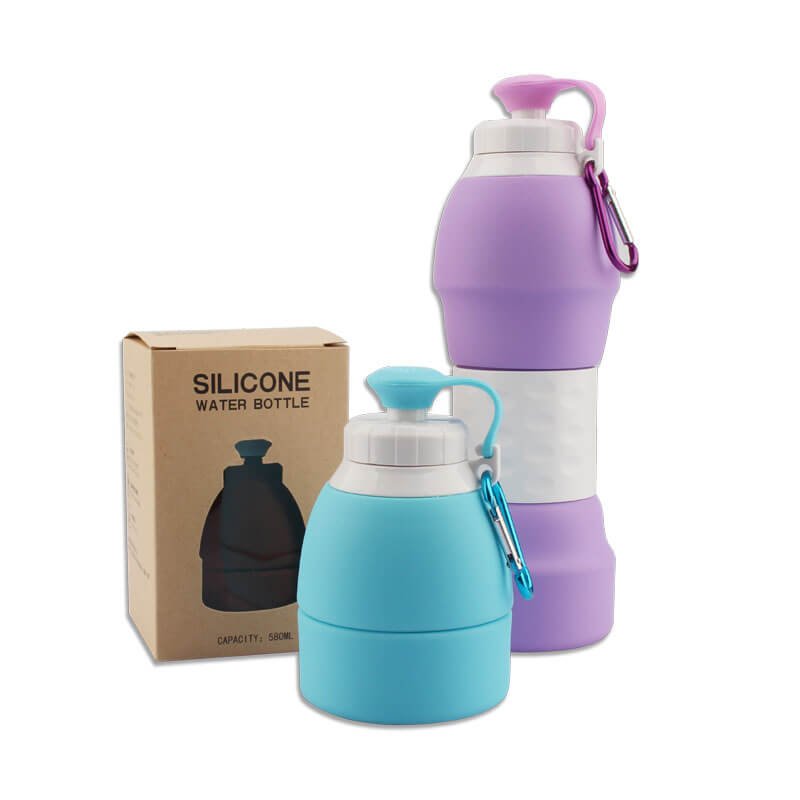
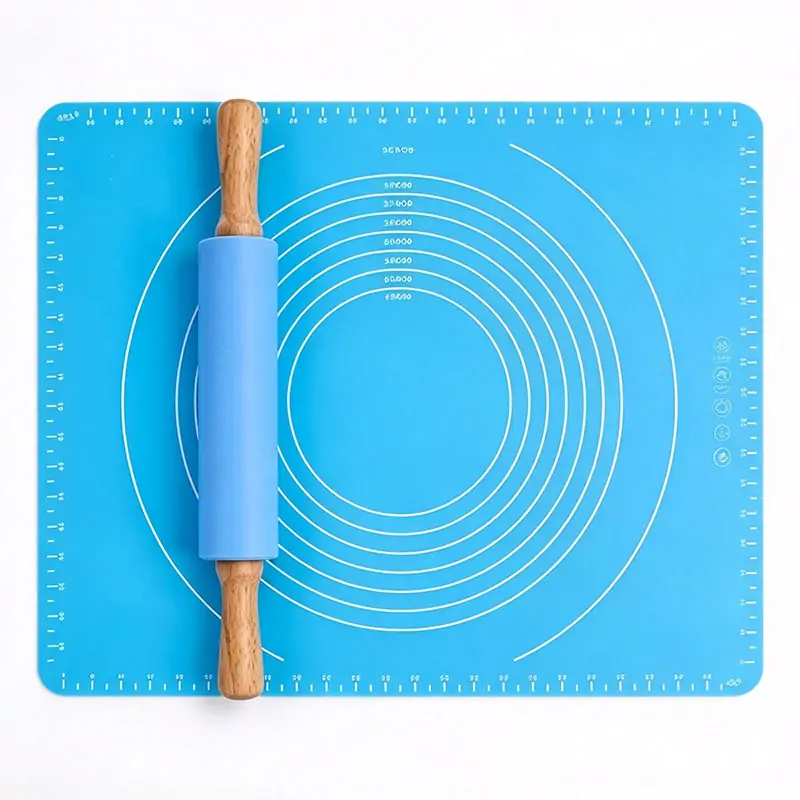
When sourcing custom silicone products, lead time is an important factor in production planning, inventory management, and product launches. However, silicone products manufacturing lead time involves more than the time required to produce the finished parts. It may also include design review, mold development, prototype sampling, sample approval, mass production, quality inspection, and shipping.
For B2B buyers working with a custom silicone products manufacturer, understanding each stage helps set realistic delivery expectations and reduce avoidable delays.
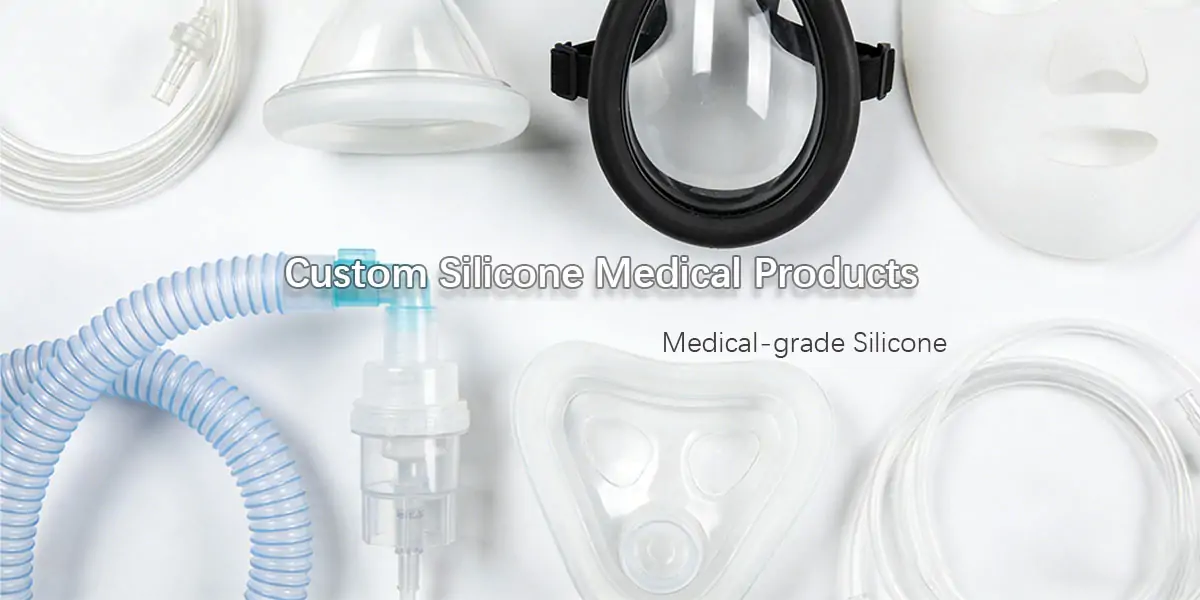
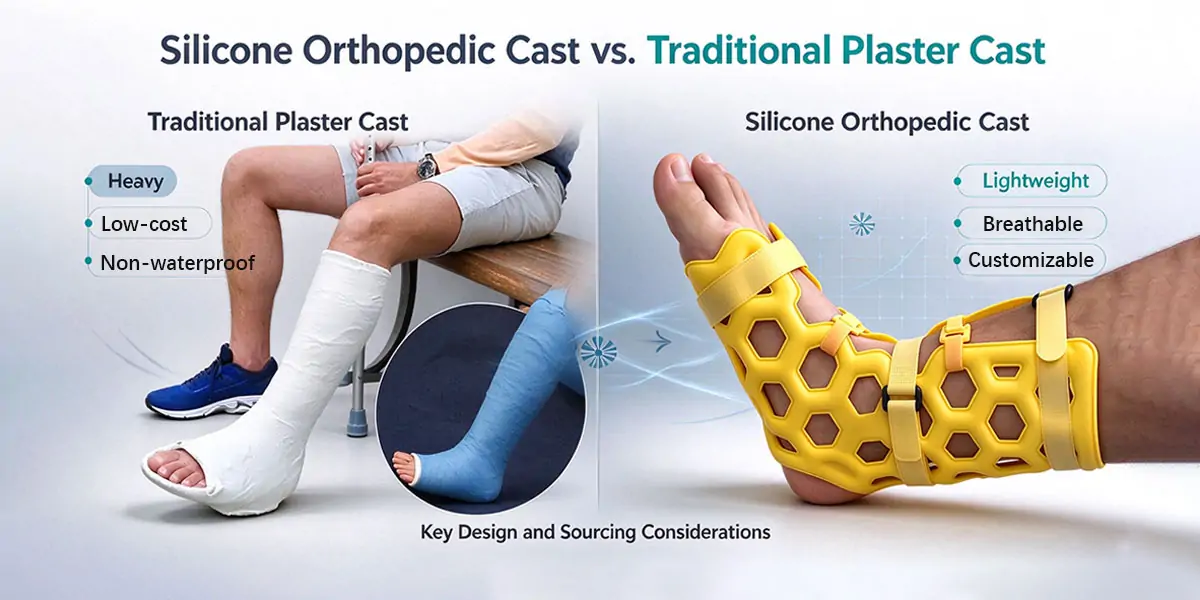
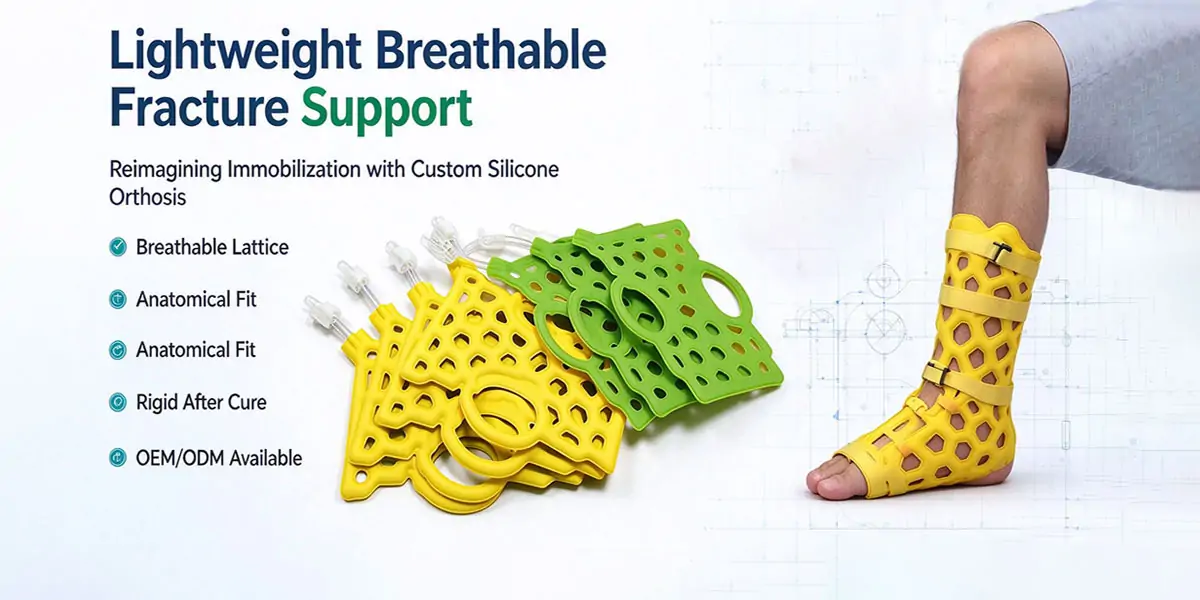
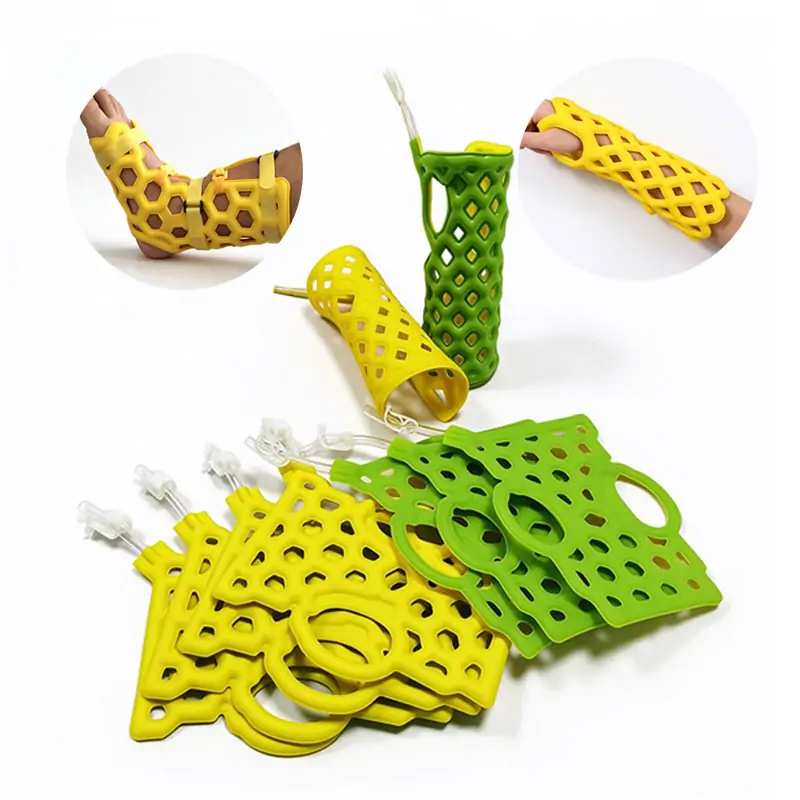
At Siliconexy (Xinyin), we support OEM/ODM silicone product development, including design and engineering coordination, mold manufacturing, prototyping, and production. Our in-house silicone molding facility handles consumer silicone goods, baby silicone products and medical-grade silicone components, including silicone orthopedic cast parts.
This guide explains the main stages of silicone products manufacturing lead time and what buyers should confirm before placing an order.
What Is the Typical Silicone Products Manufacturing Lead Time?
There is no universal lead time for custom silicone products. The actual schedule depends on product complexity, tooling requirements, order quantity, material availability, sample approval, and factory capacity.
A complete OEM silicone project follows sequential stages, and each phase carries a predictable time range. These industry benchmarks apply to compression molding and LSR (Liquid Silicone Rubber) injection molding projects.
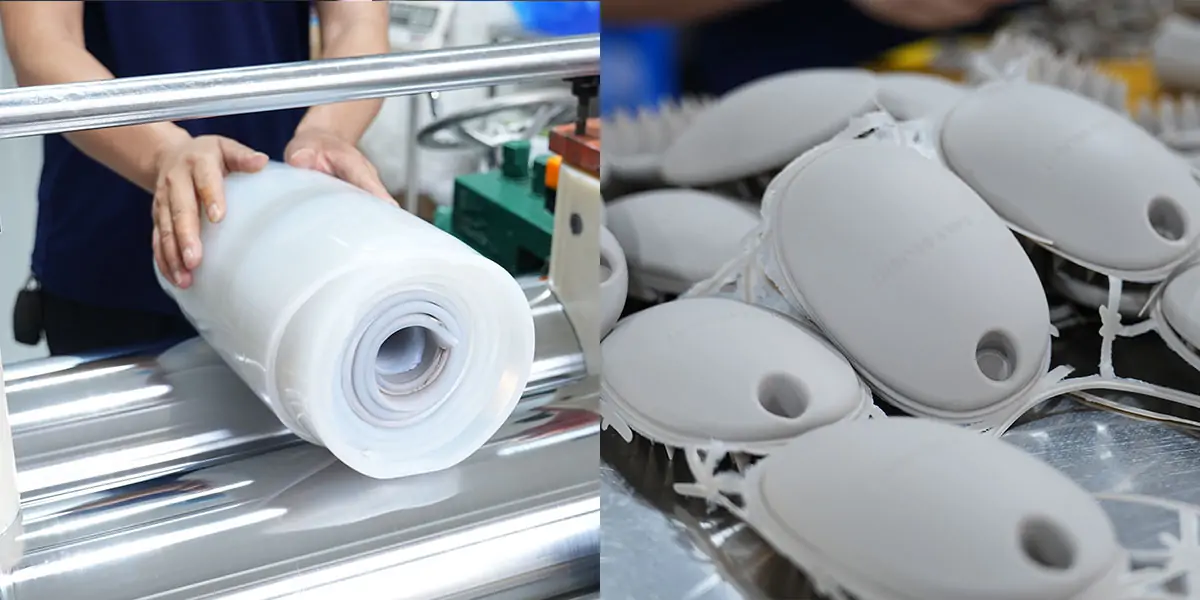
1. DFM Review & Quotation: 2–10 working days
After you share 3D CAD files, drawings or physical samples, our engineering team runs DFM (Design for Manufacturability) analysis, checks wall thickness, tolerances and material compatibility, then sends a formal quotation. This stage is quick if your design files are complete.
Before steel is cut, the part design must pass a design-for-manufacturability review. This is not a formality. Wall thickness, draft angles, gate location, parting-line placement, and venting strategy all determine whether the mold will produce consistent parts at cycle speed or create flash and dimensional drift on every shot.
Some suppliers compress this to 3–5 business days for straightforward geometries, while others build in 1–2 weeks for medical or multi-cavity work. The risk of compressing DFM too aggressively is that manufacturability issues surface during tooling debug instead of before. And tooling rework is measured in weeks, not days.
Before producing a custom silicone part, the manufacturer needs to understand its dimensions, material requirements, intended function, and production method.
Important information includes:
- 2D technical drawings or 3D CAD files
- Product dimensions and critical tolerances
- Required silicone hardness, color, and material properties
- Surface finish and appearance requirements
- Estimated order quantity and expected demand
- Special functional or regulatory requirements
Depending on the product, the manufacturer may recommend compression molding, liquid silicone rubber (LSR) injection molding, extrusion molding, or another suitable process.
Design adjustments may be necessary if the proposed geometry, wall thickness, or mold structure creates manufacturing difficulties. Providing complete specifications at the beginning helps reduce repeated clarification and unnecessary design changes.
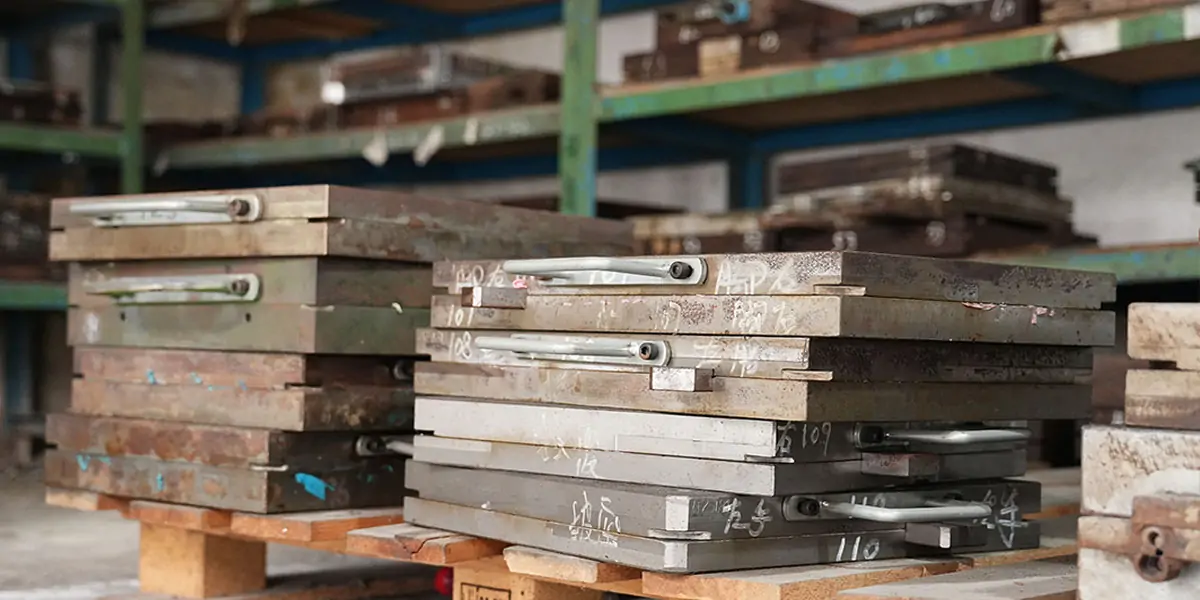
2. Mold Fabrication: 15–45 working days
For a new custom silicone product, mold development can be one of the most important factors affecting the project schedule.
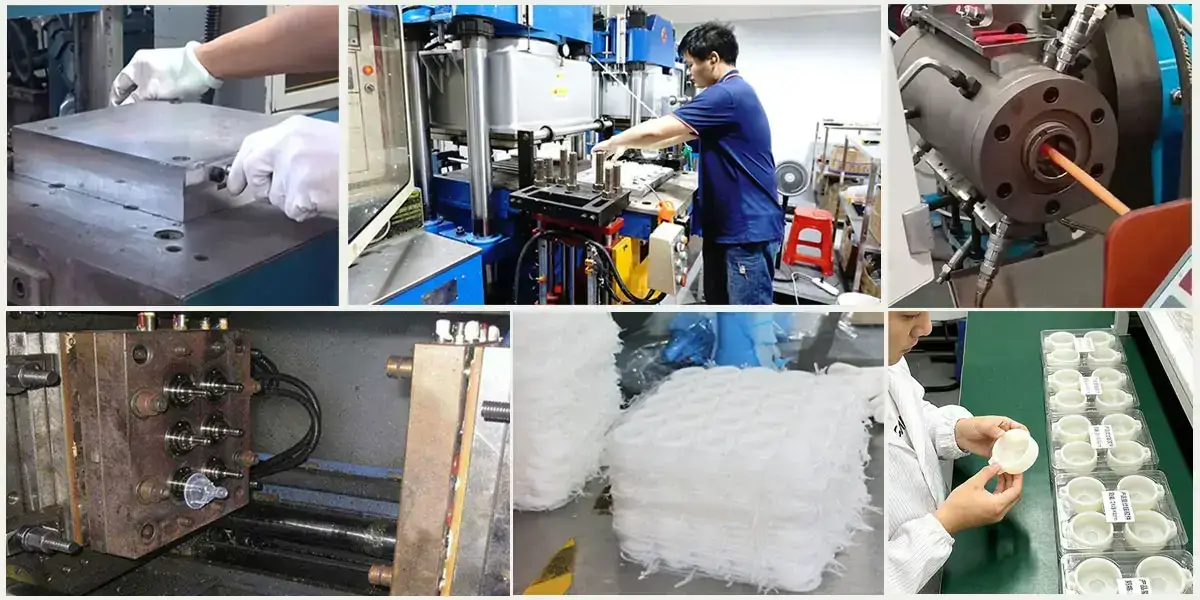
This is usually the longest stage for new custom projects. The tooling process may involve mold design, CNC machining, cavity finishing, mold assembly, and initial testing. More complicated structures generally require additional engineering and machining work.
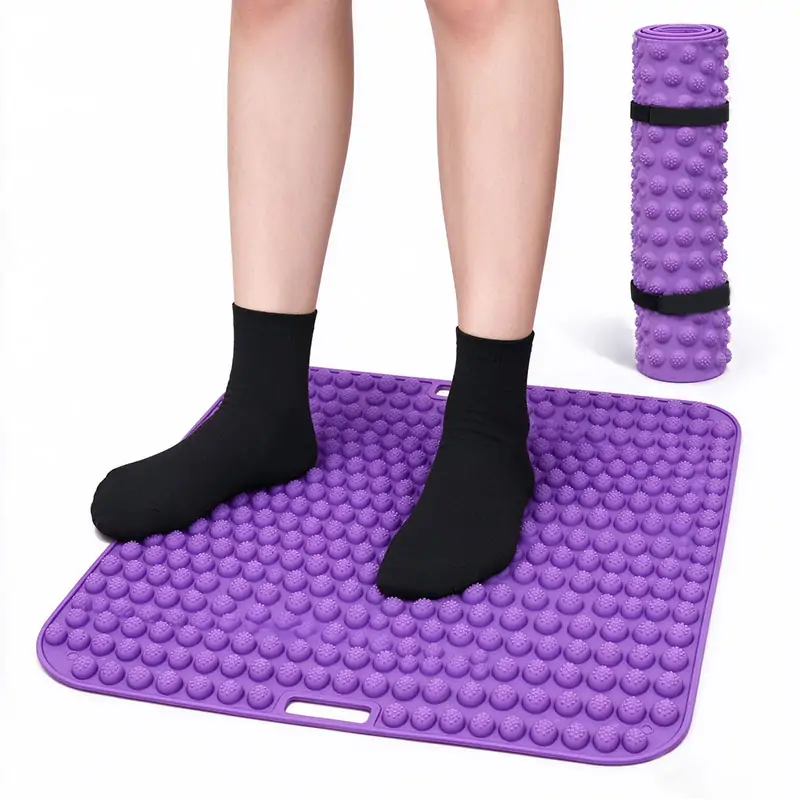
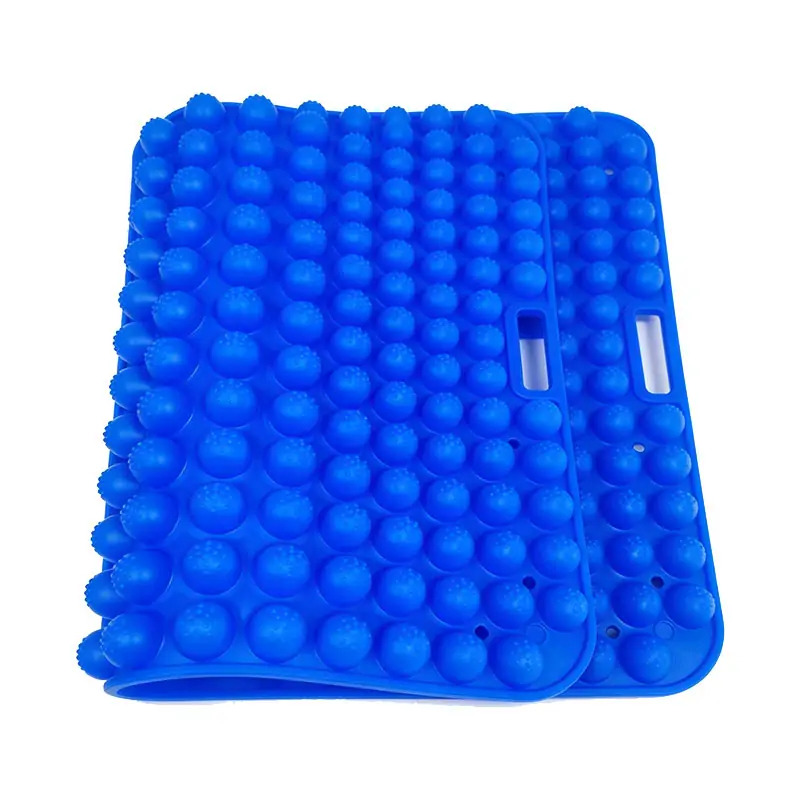
Simple single-cavity molds for silicone mats or basic baby accessories take 10–15 days. Complex multi-cavity, overmolding or LSR tooling for precision medical silicone parts may extend to 20–30 days.
Production LSR tooling normally takes 4–6 weeks and is the single longest hard-lead item in the entire program. It defines the critical path. LSR molds are precision tools: they require tight parting-line fits to control flash on a low-viscosity material, micro-vents or vacuum venting to prevent trapped-air voids, and often a cold-runner system to eliminate cured sprue waste.
Compression molds for high-consistency rubber (HCR) are simpler and cheaper, with tooling lead times reported in the 7–20 business day range depending on cavity count and complexity. But compression molding carries longer cycle times and looser tolerances, so the shorter tooling lead time does not automatically translate to a shorter total program once production volume and quality requirements are considered.
Before approving a mold order, buyers should confirm the estimated tooling completion date, the number of sampling rounds included, and how design changes will affect cost and delivery.
Where possible, finalizing the product design before mold manufacturing begins can prevent avoidable rework.
3. Sampling & Sample Approval: 3–10 working days
Once molds are finished, we produce pre-production samples for your verification. Simple silicone samples can be ready within 3–7 days. Multiple rounds of design edits or biocompatibility pre-screening will add extra days. Sample lead time for existing molds can drop to 7–15 calendar days total from request to sample delivery.
Depending on the application, sample evaluation may cover:
- Dimensions and fit
- Silicone hardness and flexibility
- Color and surface finish
- Assembly compatibility
- Functional performance
- Visible molding defects
The number of sampling rounds matters. If the first sample does not meet the requirements, the manufacturer may need to adjust the mold, processing parameters, or product design before producing another sample.
Buyer approval can also affect the schedule. A sample may be ready at the factory, but production cannot reliably proceed against the approved requirements until the customer has completed the necessary review.
Practical tip:
Assign a responsible person to review samples promptly and provide consolidated feedback. Clearly identify the approved drawing revision and reference sample before authorizing mass production.
4. Mass Production: 7–30 days (highly volume-dependent)
Once the sample is approved and the necessary materials and production resources are ready, the project can move into mass production. Published ranges put mass production at 5–10 days for small batches and 10–25 days for larger quantities, depending on press capacity and scheduling. For LSR, production lead time after tooling approval is often 5–10 days for standard runs, with longer jobs extending further.
The actual silicone production lead time depends on more than order quantity alone.
Key factors include:
- Production volume: Larger orders may require more machine time, production shifts, and inspection capacity.
- Molding method: Compression molding, LSR injection molding, and extrusion molding have different setup and processing requirements.
- Material availability: Special compounds, hardness levels, colors, or customer-specified materials may require additional preparation or procurement.
- Product complexity: Thin sections, intricate geometry, inserts, and demanding tolerances can increase process-control requirements.
- Factory workload: Existing production commitments and machine availability may affect the start date.
- Post-processing: Trimming, post-curing, assembly, printing, or other finishing operations can add time where required.
When requesting a quotation, buyers should distinguish between the time needed to manufacture the order and the time needed to prepare the product for shipment.
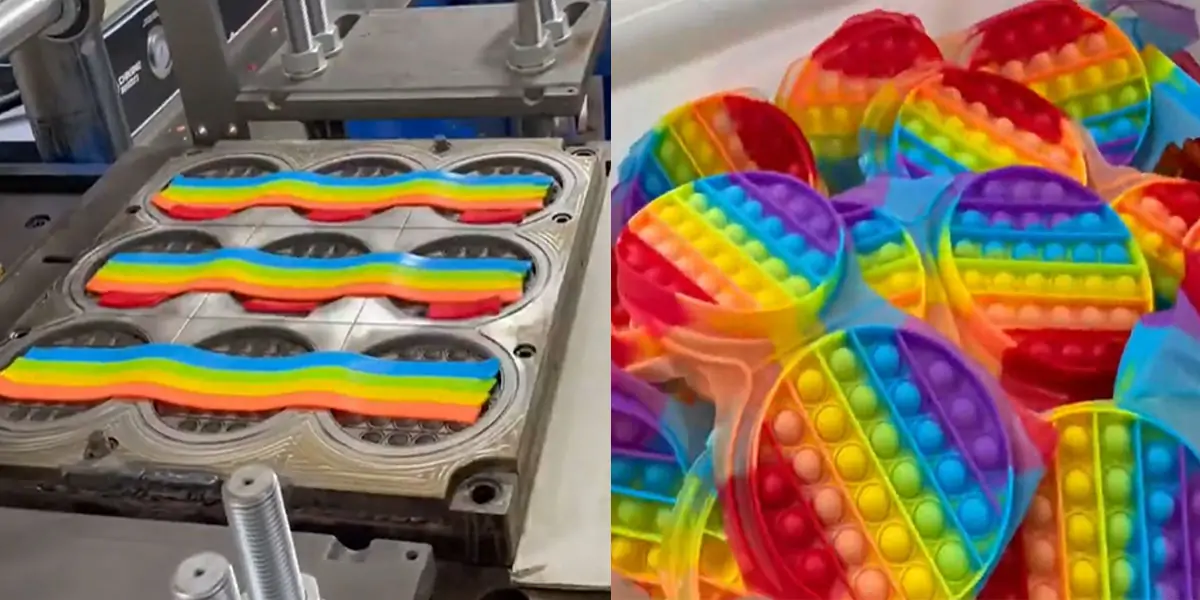
5. Quality Inspection, Packing, and Shipping: 2–5 working days
Manufacturing completion does not necessarily mean the order is ready for delivery.
Depending on the agreed quality plan, finished products may require dimensional checks, visual inspection, functional testing, quantity verification, and packaging. For specialized applications, additional testing or documentation may be required before shipment.
Packaging can also influence the schedule when products need individual bags, custom labels, retail packaging, protective inserts, or customer-specific carton markings.
6. Shipping: 5–35 days, depending on mode
International delivery introduces another timeline. Air freight and express services generally have different transit times and costs from sea freight. Customs clearance and destination-country handling may add further delays.
Sea freight from Asia to the US or EU adds 25–35 days. Air freight compresses that to 5–7 days at higher cost. For time-sensitive projects, freight decisions are often just as important as manufacturing decisions and should be incorporated into the total cycle time model from the outset, rather than being treated merely as downstream logistics details.
When comparing supplier quotations, confirm whether the stated lead time ends at:
- Completion of manufacturing
- Completion of inspection and packing
- Dispatch from the factory
- Arrival at the destination
This distinction is essential when planning a product launch or replenishing inventory.
Common Reasons for Silicone Manufacturing Delays
Many project delays arise from decisions or information gaps before production begins.
| Common issue | How buyers can reduce the risk |
|---|---|
| Incomplete drawings or specifications | Provide clear technical requirements before tooling starts |
| Frequent design changes | Finalize critical dimensions and functions early |
| Repeated sample revisions | Agree on acceptance criteria before sampling |
| Special materials not readily available | Confirm material sourcing and availability in advance |
| Unconfirmed production capacity | Request a schedule based on the actual order quantity |
| Delayed sample feedback | Establish a clear sample review and approval process |
| Unclear shipping arrangements | Confirm the delivery destination, shipping method, and lead-time endpoint |
A reliable silicone products manufacturing partner should communicate potential risks early and update the schedule when significant changes occur.
Rather than focusing only on the shortest advertised production time, buyers should evaluate whether the supplier can explain the production plan, identify dependencies, and provide realistic updates.
Key Factors That Affect Silicone Molding Lead Time
Your final custom silicone OEM lead time shifts based on these critical variables:
- Product complexity: Intricate geometries, tight tolerances, undercuts or multi-color overmolding extend mold-making and sampling cycles.
- Manufacturing process: Compression molding generally has faster tooling lead time than LSR injection molding, while LSR delivers faster cycle times for high-volume mass runs.
- Silicone material grade: Medical grade silicone requires raw material qualification, biocompatibility testing and strict cleanroom controls, which adds weeks compared to standard industrial or food-grade silicone production.
- Compliance requirements: FDA, LFGB, ISO 10993 certification testing and batch documentation add extra lead time for regulated products.
- Order volume: Large bulk orders require longer scheduling and material preparation, while small-batch prototyping runs can move faster.
- Customer feedback speed: Delayed sample review and design revisions are one of the top causes of project timeline slippage for silicone OEM buyers.
How to Get a More Accurate Silicone Manufacturing Timeline?
To obtain a more reliable lead-time estimate for your custom silicone product, prepare the following information before requesting a quotation:
- Product design: Provide drawings, CAD files, reference samples, or sketches.
- Material requirements: Specify silicone type, hardness, color, and relevant performance requirements.
- Order quantity: State the quantity for the initial order and any expected repeat orders.
- Tooling status: Clarify whether a mold already exists or new tooling is required.
- Sample requirements: Confirm whether prototype samples, functional testing, or sample revisions are expected.
- Quality requirements: Identify critical dimensions, inspection criteria, and necessary documentation.
- Target delivery date: Specify when the goods need to arrive and where they will be delivered.
With these details, the manufacturer can assess the production process, identify potential bottlenecks, and provide a more meaningful project schedule.
Practical Tips for Buyers to Reduce Project Delays
- Submit complete 2D/3D files and finalize your design before mold kickoff; minimize design changes after mold machining starts.
- Reserve fast internal review workflows for sample feedback to avoid bottlenecks.
- Share your certification requirements (food grade silicone or medical grade silicone) at the RFQ stage, so we can schedule testing upfront.
- Build a 1–2 week buffer into your launch timeline for unexpected adjustments or quality checks.
Work with Siliconexy on Your Custom Silicone Project
Choosing a custom silicone manufacturer involves evaluating technical capability, product quality, communication, and delivery planning.
Siliconexy provides OEM/ODM silicone product development and manufacturing support, including:
- Compression molding
- Liquid silicone rubber (LSR) injection molding
- Silicone extrusion molding
- Silicone fabric coating and curing
- Product and mold development
- Production coordination and quality inspection
From the initial concept to mass production, we work with customers to clarify design requirements, evaluate manufacturing feasibility, and coordinate the necessary production steps.
Whether you are developing custom silicone kitchen products, silicone household accessories, silicone pet products, silicone electronic accessories, or specialized silicone components, early planning helps establish a clearer path from prototype to finished goods.
Planning a new silicone product? Contact Siliconexy with your drawings, specifications, order quantity, and target delivery date. Our team can review your requirements and discuss a suitable manufacturing plan for your project.
Note: All lead-time ranges in this article are general planning references, not Siliconexy-specific delivery commitments. Actual schedules are confirmed according to project requirements, tooling, material availability, order quantity, production capacity, and shipping arrangements.
Final Thoughts
Understanding silicone manufacturing lead time protects your product launch schedule and helps you set realistic expectations with stakeholders. Lead time is never one fixed number; it depends on mold status, part geometry, silicone material grade, compliance testing and order scale.
When you partner with Siliconexy, you get clear milestone timelines from DFM review through finished goods shipment. Send your product drawings today for a customized quote and accurate project timeline assessment.