Food storage safety is one of the most common concerns for households and businesses worldwide. As consumers become more health-conscious and environmentally aware, the debate around silicone storage bags vs plastic bags continues to grow. Many users switch from plastic bags to silicone alternatives, but a key question remains: Are silicone storage bags safer than plastic?
Are silicone storage bags safer than plastic?
Under proper use and with certified materials, food‑grade silicone storage bags present a lower safety risk than most common plastic storage bags, especially in heat‑exposed or long‑term food storage scenarios. Plastic carries higher risks of chemical leaching and microplastic release under common kitchen conditions.
Silicone food storage bags offer several safety advantages over many plastic bags. Made from inert silicon-oxygen polymers, high-quality food-grade silicone contains no BPA, BPS or phthalates. It is exceptionally heat- and cold-resistant (roughly –60°C to +230°C), so it can be safely used in freezers, ovens, microwaves and sous-vide bath (unlike many disposable plastics, which warp or melt and may leach toxins when heated). Silicone is approved for food contact by regulatory agencies (FDA 21 CFR Part 177 – “rubber articles intended for repeated use”) and often meets strict standards like EU LFGB or China GB4806.
By contrast, some single-use and reusable plastic bags (especially those made of PVC or polycarbonate) can contain added chemicals: for example, phthalate plasticizers in PVC or BPA in hard plastics.
Material Basics: Silicone vs. Plastic
What Is Silicone?
Silicone is a synthetic polymer made from siloxane. Repeating units of silicon and oxygen atoms with organic side groups (typically methyl) attached. The primary raw material is silica, derived from quartz sand—the second most abundant element in Earth’s crust.
Silicone Storage Bags
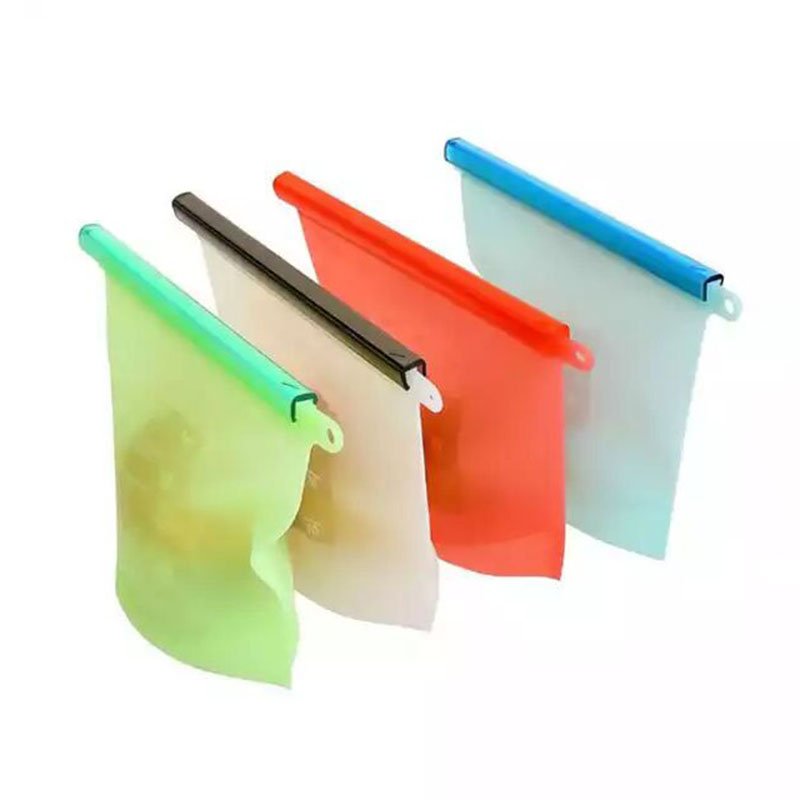
Made from food‑grade silicone (primarily silicon, oxygen, carbon, and hydrogen), a polymer with a highly stable molecular structure. Silicone storage bags are reusable containers made from food-grade silicone, a synthetic polymer derived primarily from silica (sand). These bags are commonly used for food storage, meal prep, freezing, and even sous vide cooking.
Compared to traditional plastic food storage bags, silicone bags are designed for long-term use and can withstand a wide range of temperatures.
- Does not inherently contain BPA, phthalates, PVC, or plasticizers.
- Stable across a wide temperature range (typically −40°C to 230°C).
- Recognized as food‑safe by major regulatory bodies.
What Is Plastic?
Plastic food storage bags are typically made from polyethylene (low-density or high-density) or, in some cases, polyvinyl chloride (PVC) . These materials are derived from petroleum by-products.
Plastic’s carbon-based structure makes it more susceptible to degradation under heat and certain chemical conditions.
Plastic Storage Bags
Mostly made from petroleum‑based polymers such as PE, PP, or PVC. Most conventional plastic storage bags are made from polyethylene (PE) or polypropylene (PP). While these materials are widely used due to their low cost and convenience, concerns have been raised about:
- Some plastic products may also contain additives such as plasticizers, although many food-grade plastics today are labeled BPA-free.
- May include additives to improve flexibility or durability.
- Stability varies significantly by type and quality.
- Common single‑use and low‑cost options have limited heat resistance.
- This structural difference directly affects safety during daily use.

Are Silicone Storage Bags Safer for Food?
While silicone and plastic may appear similar, they are fundamentally different materials with distinct safety profiles.
1. Chemical Leaching Risk
- Silicone:
High‑purity, platinum‑cured food‑grade silicone does not leach harmful chemicals into food under normal heating, freezing, or storage conditions. It is chemically inert and does not react with acidic, oily, or alcoholic foods. - Plastic:
Many plastic bags carry a measurable risk of leaching when exposed to heat, oil, or acid. Common additives like BPA, phthalates, and plasticizers may migrate into food, especially during microwave heating or hot‑food storage. Even BPA‑free plastics may contain alternative compounds with similar safety concerns. - Conclusion:
Silicone storage bags are generally considered safer for repeated food contact, especially in high-temperature applications.
2. Temperature Stability
- Silicone:
Maintains physical and chemical stability across freezer, refrigerator, microwave, and sous‑vide temperatures. It does not melt, deform, or break down at typical kitchen temperatures. - Plastic:
Most standard plastic bags are only safe at room or refrigerated temperatures. They may soften, warp, or degrade in microwaves or hot liquids, increasing leaching and microplastic release. - Conclusion: Silicone offers better performance and safety in high-temperature scenarios.
3. Microplastic Release
- Silicone: Does not form microplastics during normal use, washing, or storage.
- Plastic: Repeated use, washing, friction, and heat can cause surface breakdown, leading to microplastic shedding into food and the environment.
4. Regulatory & Safety Certifications
Reputable silicone storage bags meet:
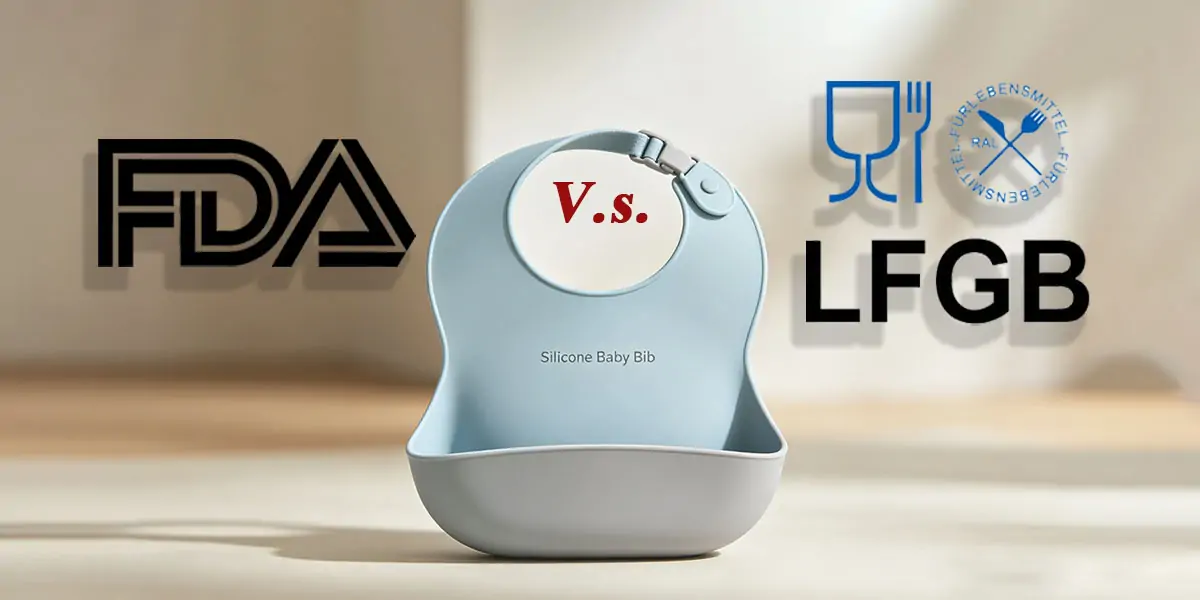
- FDA 21 CFR 177.2600 (U.S. food contact)
- LFGB (German food‑grade standard)
- EU 1935/2004 (European framework for food‑contact materials)
While certified plastics can also be safe, silicone’s inherent stability makes consistent safety easier to achieve across applications.
Silicone vs Plastic: A Balanced Comparison
| Factor | Silicone Storage Bags | Plastic Storage Bags |
|---|---|---|
| Food Safety | High (inert, non-toxic) | Varies by material quality |
| Heat Resistance | Excellent | Limited |
| Reusability | High | Low |
| Environmental Impact | Lower over long-term use | Higher (single-use waste) |
| Cost | Higher upfront | Lower upfront |
Durability and Reusability
Silicone storage bags are highly durable and can be reused multiple times without significant wear and tear. They are resistant to tearing, puncturing, and staining, making them a cost-effective and environmentally friendly alternative to single-use plastic bags. With proper care, silicone bags can last for years, reducing plastic waste and contributing to a more sustainable lifestyle.
Plastic storage bags, especially single-use ones, are designed for short-term use and are prone to tearing and damage. While some reusable plastic bags are available, they may not be as durable as silicone bags and may need to be replaced more frequently. Additionally, the production and disposal of plastic bags have a significant environmental impact, contributing to pollution and resource depletion.
Cleaning and Maintenance
Silicone storage bags are easy to clean and maintain. They can be washed by hand or in a dishwasher, and their non-stick surface prevents food residue from adhering, making them quick to clean. Unlike plastic bags, which may absorb odors and stains over time, silicone bags are resistant to odors and can be easily refreshed with a simple wash.
Plastic storage bags can be more challenging to clean, especially if they come into contact with strong-smelling or staining foods. Food residue can get trapped in the crevices of plastic bags, and odors may linger even after washing. Additionally, some plastic bags may degrade over time with repeated cleaning, reducing their lifespan and safety.

Environmental Impact
From an environmental perspective, silicone storage bags are a more sustainable choice compared to plastic bags. Silicone is a non-toxic and inert material that does not release harmful substances into the environment. It is also recyclable, although the recycling process may be more complex than that of plastic. By choosing silicone bags, you can reduce your reliance on single-use plastics and contribute to a greener planet.
Plastic bags, on the other hand, are a major source of environmental pollution. They can take hundreds of years to decompose in landfills, and they often end up in oceans and other natural habitats, causing harm to wildlife and ecosystems. The production of plastic bags also consumes significant amounts of fossil fuels and contributes to greenhouse gas emissions.
Are There Any Limitations for Silicone?
While silicone bags have many advantages, there are also practical considerations:
- Higher upfront cost compared to plastic bags
- Heavier and less compact for storage
- Quality varies depending on manufacturer and raw materials. Silicone safety depends on material grade. Low‑grade or industrial silicone may contain impurities.
- Silicone products must be used within their labeled temperature and usage limits.
- Silicone is not biodegradable, though its long reusability reduces overall environmental impact.
These points do not reduce food‑contact safety but highlight the importance of choosing high‑quality, certified food‑grade silicone. For buyers and brands, sourcing from a reliable supplier that uses certified food-grade silicone (e.g., LFGB or FDA standards) is critical.
Why Choose Silicone Storage Bags from Siliconexy?
As a professional integrated industry and trade custom silicone manufacturer, Siliconexy specializes in food‑safe, certified silicone products for global buyers and brands.
Our silicone storage bags:
- Use 100% platinum‑cured food‑grade silicone.
- Meet FDA, LFGB, and EU food‑contact standards.
- Contain no BPA, phthalates, PVC, or plasticizers.
- Support durable reuse, reducing plastic waste.
- Are available for custom design, private labeling, and bulk orders.
Siliconexy specialize in custom silicone manufacturing for clients worldwide. Our materials meet applicable food-grade standards, and we’re committed to transparent communication about material properties and limitations. If you’re sourcing high-quality silicone storage bags or exploring custom solutions, feel free to reach out to our team for technical support and manufacturing insights.

Final Conclusion
So, are silicone storage bags safer than plastic? Based on the above analysis, silicone storage bags generally offer several advantages in terms of safety, heat resistance, durability, and environmental impact. They are free of harmful chemicals, can withstand high temperatures, are highly durable, and are more environmentally friendly than plastic bags.
However, it is important to note that not all silicone storage bags are created equal. To ensure safety and quality, it is essential to choose products from reputable manufacturers that use food-grade silicone and provide proper certifications. Additionally, while silicone bags are a great alternative to plastic bags, they should still be used and maintained properly to ensure their longevity and safety.
In conclusion, if you are looking for a safe, durable, and environmentally friendly way to store food, silicone storage bags are an excellent choice. By making the switch from plastic to silicone, you can protect your health, reduce plastic waste, and contribute to a more sustainable future.