Selecting a reliable silicone manufacturer is a critical decision for businesses seeking high-quality custom silicone products, whether for consumer goods, silicone kitchen tools, baby feeding items, silicone gaskets, or liquid silicone injection molded components. The choice directly impacts product quality, regulatory compliance, production costs, and supply chain reliability.
A competent partner ensures consistent product quality, cost-effectiveness, and on-time delivery, while a poor choice can lead to production delays, defective products, and increased costs.
What to Check Before Choosing a Silicone Manufacturer? This guide provides procurement professionals, brand owners, and product developers with a practical framework for evaluating silicone manufacturers. The assessment covers six key areas: certifications and regulatory compliance, material sourcing transparency, production capabilities, quality control systems, operational reliability metrics, and supply chain considerations.
Below is a structured checklist of what to verify before finalizing your choice, based on industry practices in custom silicone part manufacturing.
1. Industry Experience and Expertise
Experience is the foundation of a trustworthy silicone manufacturer. Look for a factory with 5–10+ years of specialized experience in silicone product manufacturing, particularly in your industry niche.
Niche Specialization:
Silicone manufacturing varies significantly across sectors. A manufacturer experienced in medical-grade silicone products will have different quality protocols than one focused on kitchenware or consumer silicone goods. Verify their portfolio includes projects similar to your product type (e.g., LSR injection molding for precision parts, compression molding for large components).
Technical Knowledge:
Assess their understanding of silicone materials, including Liquid Silicone Rubber (LSR), High-Consistency Rubber (HCR), and food-grade/medical-grade silicone. A knowledgeable team can recommend the right material for your application, ensuring optimal performance and compliance. (Liquid Silicone vs Solid Silicone)
2. Verify Certifications and Regulatory Compliance
Certifications serve as a foundational indicator of a silicone manufacturer’s ability to produce silicone products that meet international safety and quality standards. While holding certifications does not guarantee perfect performance, their absence raises legitimate concerns about a supplier’s regulatory awareness and quality infrastructure.
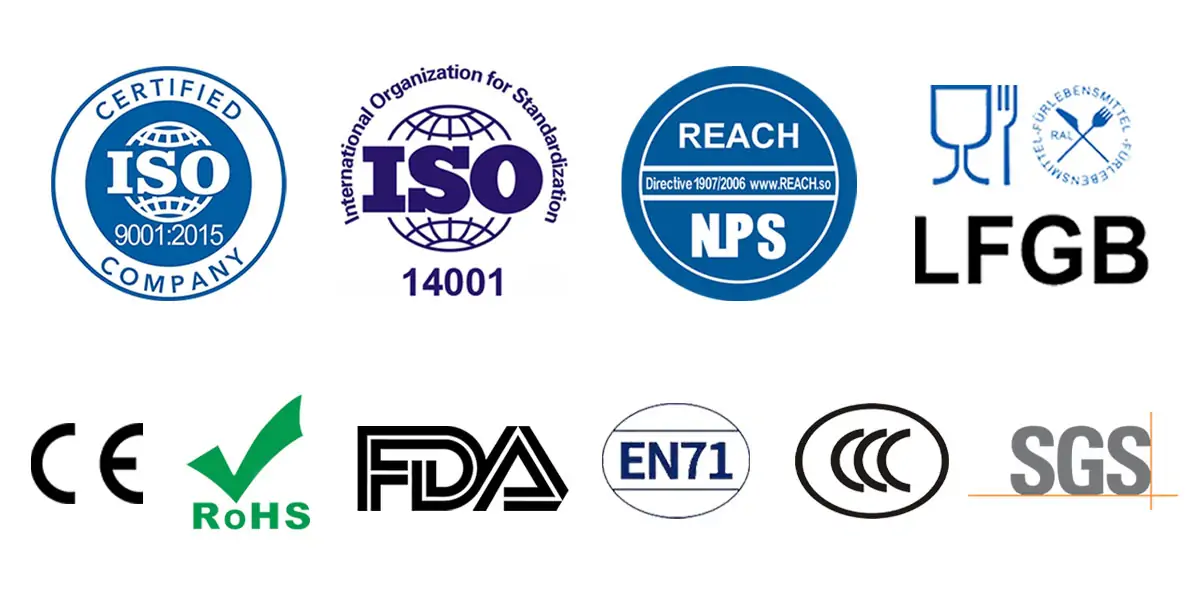
Essential Global Certifications
For silicone products intended for food contact, kitchenware, or consumer goods, the following certifications provide meaningful assurance:
| Certification | Purpose | Relevance |
|---|---|---|
| ISO 9001 | Quality management system | Ensures consistent production processes and quality control |
| ISO 14001 | Environmental management | Demonstrates commitment to sustainable practices |
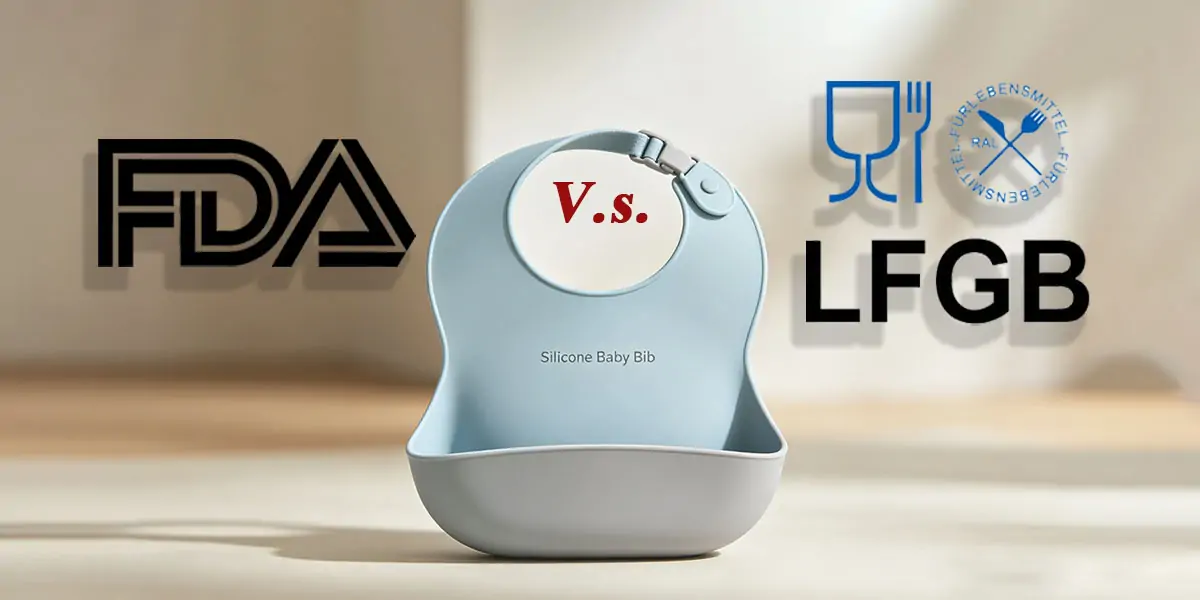
| FDA (21 CFR Part 177) | Food-contact safety | Mandatory for silicone kitchenware, baby products, and food packaging |
| LFGB (Germany) | Food and consumer safety | Stringent European standard for food-grade silicone |
| RoHS | Restriction of hazardous substances | Required for electronic silicone components sold in the EU |
| UL 94 | Flammability testing | Essential for silicone parts in electronics and aerospace |
Request original certification documents and verify their validity with issuing bodies. Avoid manufacturers with vague or expired certifications.
What to ask the manufacturer of custom silicone products: “Which certifications do you hold for the target market (U.S., EU, or other)? Can you provide current certificates and confirm the scope of each certification?”
The key distinction is that certifications must match both the product type and the target market. FDA compliance alone does not substitute for LFGB requirements for EU sales, and ISO 9001 alone does not cover medical device applications.
3. Assess Raw Material Sourcing and Material Integrity
The quality of a silicone product depends fundamentally on the raw material from which it is made. Even the most sophisticated manufacturing equipment cannot compensate for low-grade silicone compounds.
Raw Material Traceability
A reliable manufacturer should be able to disclose the source of their raw silicone compounds. Suppliers using verified raw materials from these manufacturers can typically provide Material Safety Data Sheets (MSDS) and Certificates of Analysis (COA) for each batch.
Batch-level traceability enables buyers to track a specific production batch from raw material receipt through finished goods. This capability is particularly important for regulated products such as medical devices or baby products.
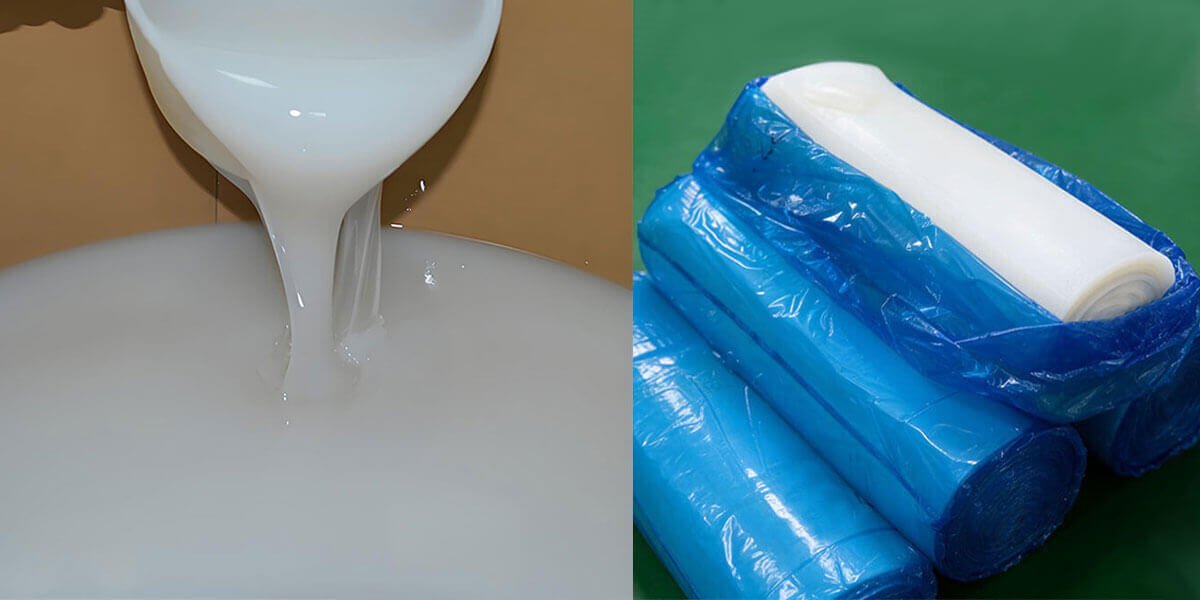
Platinum-Cured vs. Peroxide-Cured Silicone
Silicone is cured through two primary catalytic systems: platinum-cured and peroxide-cured.
- Platinum-cured silicone uses a platinum catalyst to crosslink the polymer chains. It produces a cleaner final product with no residual odor or by-products, making it the standard for food-grade and medical-grade applications. It offers superior tear resistance, longer fatigue life, and better transparency.
- Peroxide-cured silicone uses organic peroxides as catalysts. It is generally less expensive but may leave by-products that require secondary post-curing processes to remove residual odors and by-products. For applications where food safety or direct skin contact is required, peroxide-cured silicone may not be appropriate.
What to ask the custom silicone products factory: “What type of silicone do you use—platinum-cured or peroxide-cured? Who supplies your raw silicone compound? Can you provide MSDS and COA documentation?”
Requesting Documentation
Before committing to production, request documentation of material testing. Key parameters to verify include:
- Hardness: Measured on the Shore A scale, with 40A–70A being the most common range for general-purpose products.
- Thermal stability range: Typically -40°C to 230°C for food-grade silicone applications.
- Tensile strength and elongation percentage: Many silicone products require elongation exceeding 500%.
- Certification of phthalate-free, BPA-free, and heavy metal-free formulations.
Requesting a sample and having it independently tested by a third-party laboratory is a prudent step before committing to large-scale production.
4. Evaluate Manufacturing Capabilities and Technology
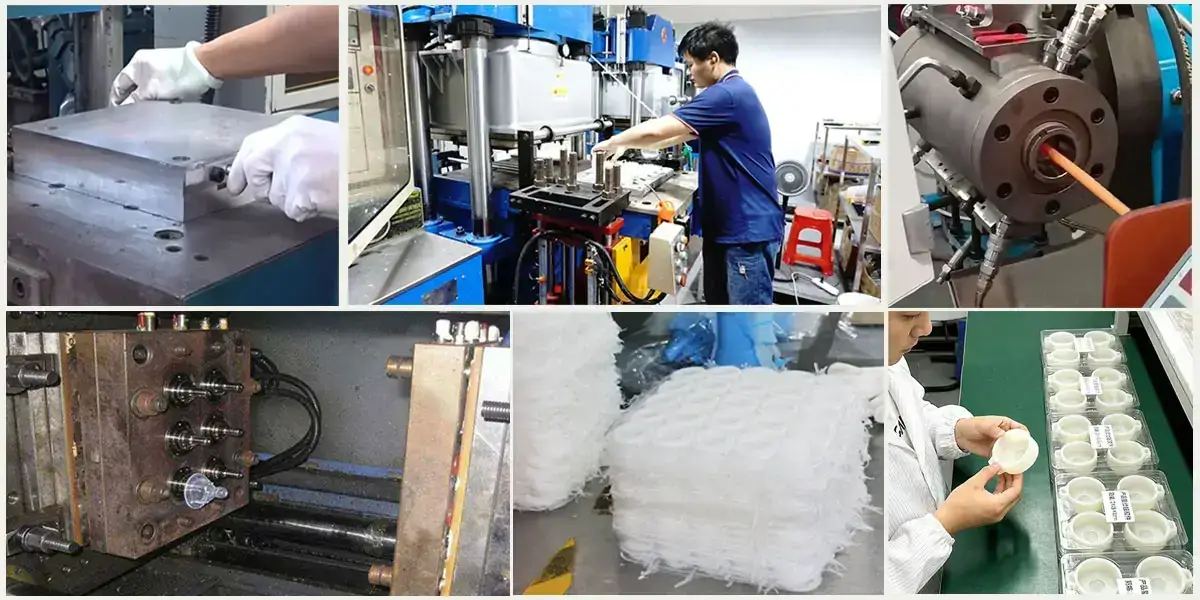
A manufacturer’s production infrastructure determines their ability to produce consistent products at the required volumes. Understanding what capabilities exist in-house versus outsourced helps predict lead times, control quality, and manage costs.
Mold Design and Machining
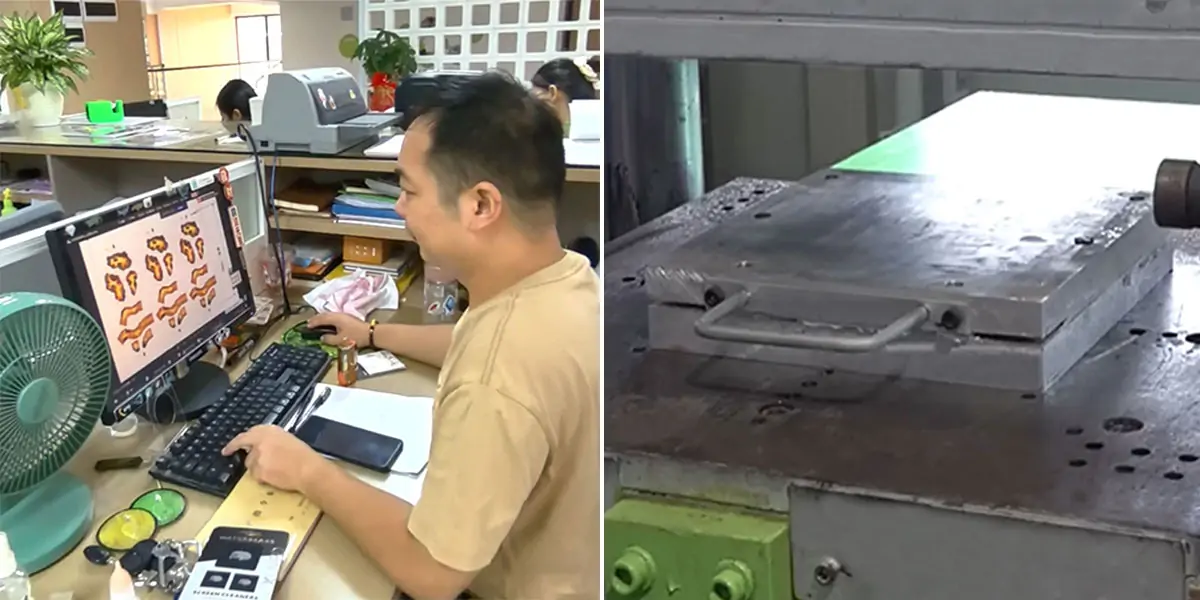
Mold development is the single largest upfront cost in most custom silicone projects. A manufacturer with in-house mold design and CNC machining capabilities offers several advantages over those that outsource tooling:
- Faster development cycles: Design changes can be implemented without waiting for third-party approval, reducing overall lead time.
- Better quality control: In-house teams maintain tighter control over mold precision and tooling geometry.
- Lower risk of IP exposure: Your product designs do not need to be shared with external tooling shops.
- Easier maintenance: Mold repairs and modifications can be handled more quickly.
The typical tooling development timeline from design approval to first production parts ranges from 10 to 25 working days, depending on part complexity, according to industry practice.
Molding Methods
Different silicone parts require different molding approaches. Common methods include:
| Molding Method | Typical Applications | Characteristics |
|---|---|---|
| Compression Molding | Gaskets, seals, simple parts, protective covers | Lower tooling cost, suitable for simpler geometries, lower production volumes |
| Extrusion Molding | Silicone tubes, hoses, and strips | Used for continuous profiles |
| Injection Molding (HTV) | Buttons, small precision parts, household items | Higher production efficiency, better dimensional consistency |
| Liquid Silicone Rubber (LSR) Injection | Complex parts, medical components, high-precision applications | Highest precision, fully automated, suitable for high-volume production |
Manufacturing Capacity
When evaluating capacity, the following indicators are useful:
- Factory floor area exceeding 3,000 square meters typically indicates scale sufficient for stable production capacity.
- Number of molding presses (both compression and injection lines) and their automation levels.
- Monthly output capacity expressed in units or kilograms.
- Whether the manufacturer operates cleanroom environments for medical-grade or food-contact items.
What to ask the silicone manufacturer: “Do you design and build molds in-house? What molding methods do you support? What is your monthly production capacity for products similar to mine?”
Quality Control (QC) Processes
Robust QC is non-negotiable for silicone products. Ask about:
- Incoming Material Inspection: Verification of raw silicone quality and certifications.
- In-Process Monitoring: Real-time checks of temperature, pressure, and dimensions during molding.
- Final Product Testing: Dimensional accuracy, hardness, tensile strength, and safety compliance testing.
- Batch Traceability: Ability to track products from raw material to finished goods for quality assurance.
What to ask the silicone products manufacturer: “What quality checkpoints do you have from raw material receipt to finished goods? Do you accept third-party pre-shipment inspections? Can you provide a sample quality report?”
5. Customization and Design Support
For custom silicone products, a silicone manufacturer’s ability to support design and development is crucial.
- DFM (Design for Manufacturability) Expertise: A skilled team will review your design for manufacturability, identifying potential issues (e.g., undercuts, draft angles) early to avoid costly mold modifications. According to 2024 Silicone Manufacturing Benchmark, DFM-optimized projects see 30% faster production ramp-ups.
- Mold Design and Fabrication: In-house mold-making capabilities ensure better quality control and faster lead times. Ask about mold material (e.g., hardened steel for high-volume runs) and maintenance protocols.
- Prototyping Services: Ability to produce rapid prototypes for design validation before mass production that critical for reducing risk and ensuring the final product meets specifications.
6. Analyze Operational Reliability Metrics
Beyond technical capabilities, a manufacturer’s operational behavior reveals their reliability as a business partner. Observable metrics include:
Response Time
How quickly does the manufacturer respond to inquiries? Suppliers who respond within 2 to 6 hours typically maintain active account management and prioritize buyer communication. Slower response times often correlate with communication delays during production, which can disrupt schedules.
Lead Time Transparency
A reliable silicone product manufacturer provides realistic lead time estimates that account for:
- Tooling development and sample production
- Material procurement lead times
- Production scheduling
- Quality inspection time
- Packaging and shipping preparation
If lead times appear unusually short compared to industry norms (standard tooling typically requires 10–25 working days), this may indicate unrealistic promises rather than genuine capability.
Minimum Order Quantity Flexibility
Manufacturers offering low MOQs (under 1000 pieces) demonstrate flexibility for silicone product testing and market validation. Higher MOQs may be appropriate for established products but present higher risk for first-time orders.
Transaction History Indicators
While not definitive, visible transaction history on B2B platforms can provide useful context:
- Consistent order volume across multiple months suggests active production rather than occasional batch processing.
- A reorder rate above 25% typically indicates customer satisfaction.
- On-time delivery rate at or above 95% reflects scheduling discipline.
What to ask the custom silicone product manufacturer: “What is your typical lead time for tooling development and first production? What is your minimum order quantity? Can you share your on-time delivery performance?”
7. Pricing Transparency and Cost Structure
While cost is a factor, avoid silicone manufacturers offering unrealistically low prices. This often indicates compromised quality or hidden fees.
- Detailed Quoting: A reputable custom silicone products manufacturer provides a transparent, itemized quote including mold costs, material fees, labor, and shipping. They should explain cost variables (e.g., volume discounts, material grades).
- No Hidden Fees: Confirm there are no unexpected charges for design revisions, QC testing, or tooling changes.
- Value for Money: Balance cost with quality, reliability, and service. A slightly higher price from a trusted silicone manufacturer often results in lower long-term costs due to fewer defects and delays.
8. Communication and Customer Service
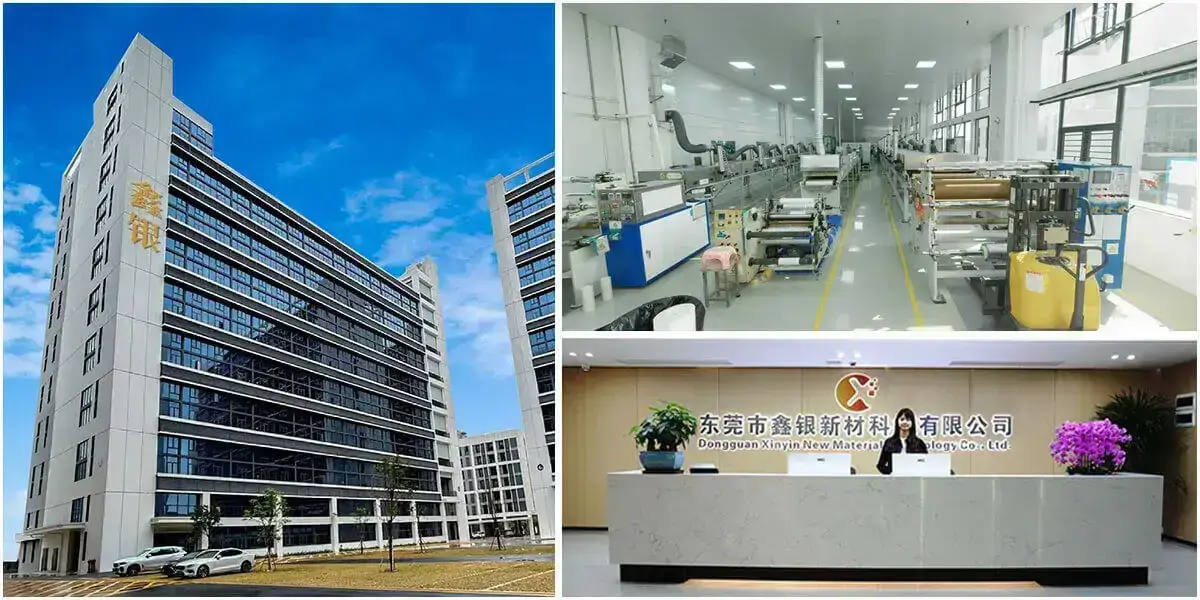
Effective communication is vital for successful long-term collaboration, especially with international manufacturers.
- Responsiveness: Do they reply to inquiries promptly? Are they available for regular updates (e.g., weekly engineering syncs)?
- Language Proficiency: For global buyers, ensure the team has English-speaking staff to avoid miscommunication.
- Project Management: Dedicated project managers ensure clear communication, milestone tracking, and timely resolution of issues. Projects with structured collaboration frameworks are 2.3× more likely to meet launch deadlines (PMI, 2023).
- After-Sales Support: Do they offer warranty support, replacement for defective products, and ongoing technical assistance?
Negotiating the Agreement: Key Contractual Points
Once a manufacturer has been vetted, the following contractual provisions help protect both parties:
Tooling Ownership
The agreement should specify who owns the production molds and tooling. For custom silicone products, tooling ownership should rest with the buyer or be contractually protected against use for competing products. If switching manufacturers becomes necessary, tooling ownership determines whether it can be transferred to a new supplier.
Intellectual Property Protection
A nondisclosure agreement and design protection clauses should be in place before engineering drawings or product specifications are shared. Most reputable manufacturers will sign an NDA as a standard business practice.
Payment Terms
Standard payment terms for custom tooling projects often follow a 50% deposit / 50% balance upon shipment arrangement. For larger production orders, letters of credit or payment against shipping documents are common.
Common Red Flags
The following warning signs warrant additional due diligence or consideration of alternative suppliers:
- Reluctance to share certifications. Manufacturers that claim certifications but cannot produce current documentation may not hold them.
- Vague material sourcing information. Inability to identify the supplier of raw silicone compound suggests either lack of traceability or use of uncertified materials.
- No in-house tooling capability. Relying entirely on third-party tooling shops introduces coordination risk, slower design iterations, and potential IP exposure.
- Unusually low pricing significantly below market average. Excessively low prices may indicate use of peroxide-cured silicone misrepresented as platinum-cured, filler materials such as calcium carbonate, or absence of required quality testing.
Reluctance to provide samples or charge excessively for samples. Reasonable sample fees are standard, but refusal to provide samples or extremely high sample charges may indicate inability to produce consistent quality.
Conclusion:
Selecting a silicone manufacturer is not a one-time transaction but the beginning of a production relationship. The most reliable partners demonstrate material expertise, maintain relevant certifications, operate transparent quality systems, communicate clearly about timelines and costs, and protect intellectual property appropriately.
Before committing to a manufacturer, request samples, conduct a factory visit (in person or via video tour) and speak with existing customers if possible. These verification steps, combined with the assessment framework outlined above, provide a structured approach to supplier selection.