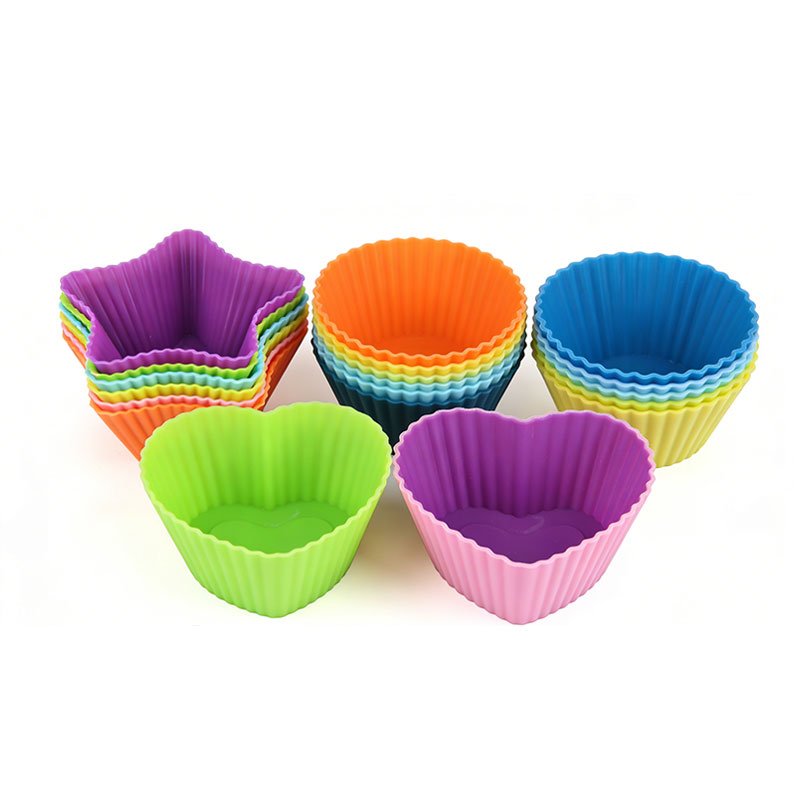
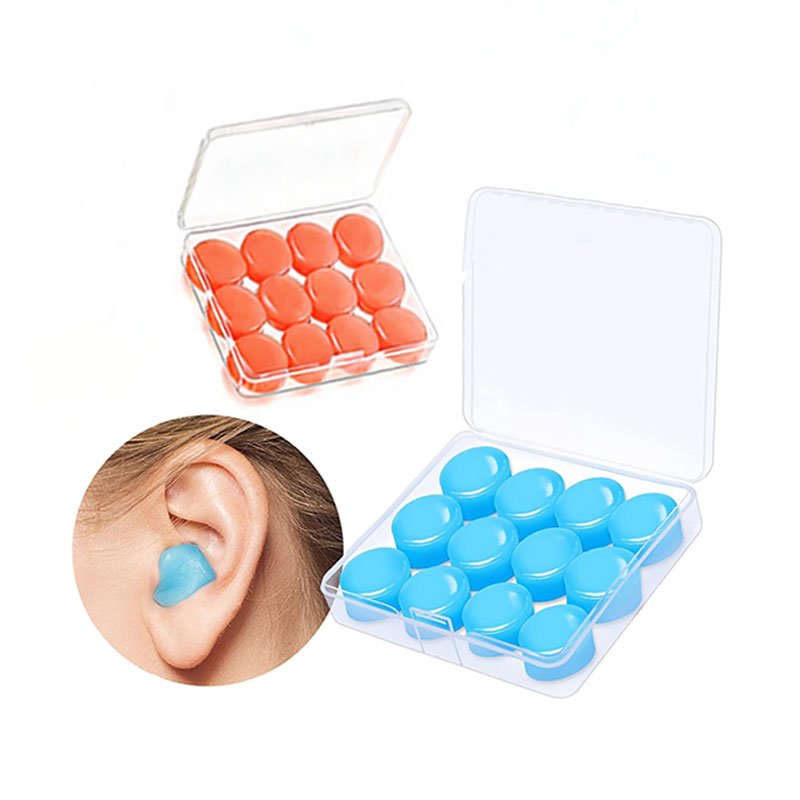
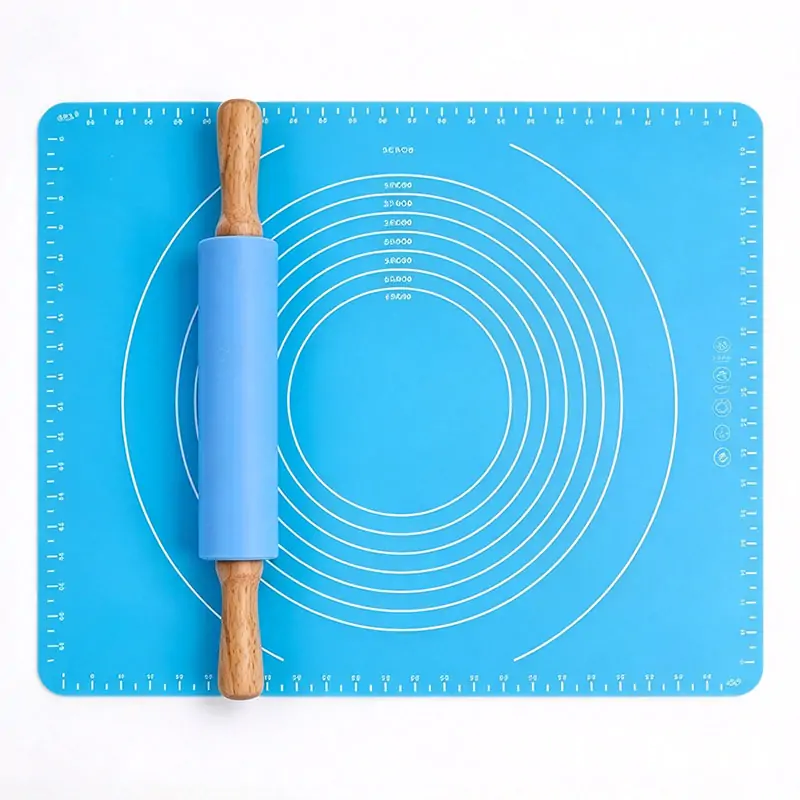
Explore a new concept in orthopedic support with a hollow silicone lattice structure, a fill-and-cure design, and flexible OEM/ODM customization options for medical silicone product developers and healthcare brands.
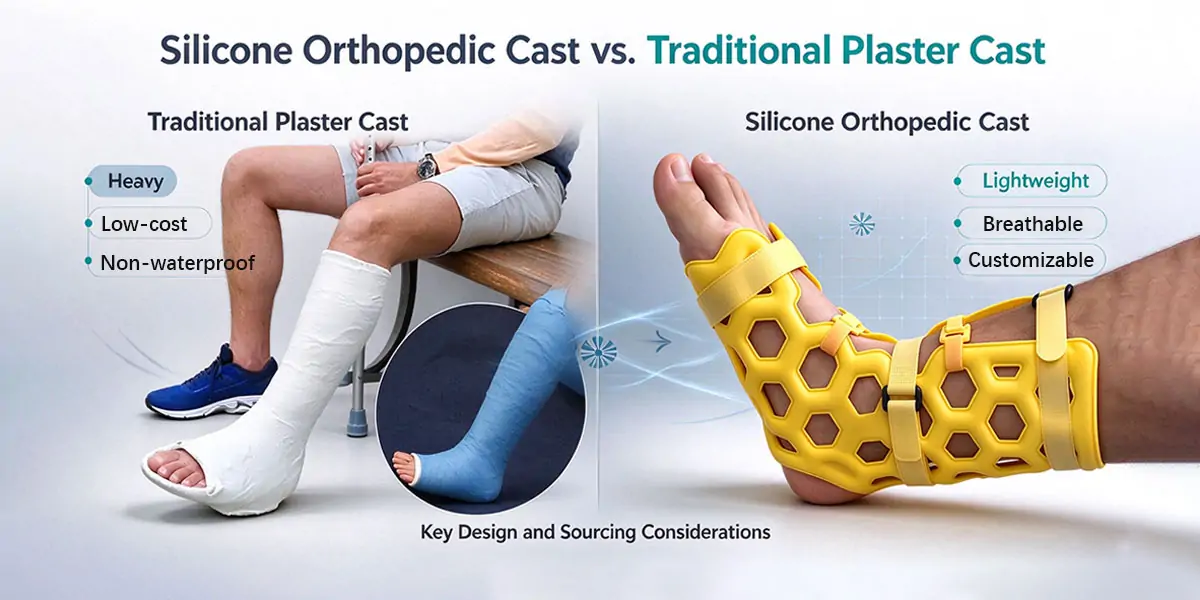
Fracture immobilization is a cornerstone of orthopedic trauma care, yet conventional plaster and fiberglass casts carry well‑documented pain points for patients, clinicians and medical-grade silicone product developers alike. Heavy bulk, poor ventilation, trapped sweat, limited wound visibility and risk of skin irritation, pressure sores or joint stiffness remain persistent challenges across adult, pediatric and geriatric fracture recovery workflows.
Medical device brands are actively searching for innovative lightweight breathable fracture support, advanced custom orthopedic cast alternatives, and scalable OEM/ODM solutions to upgrade traditional orthopedic casting systems.
Siliconexy’s (Xinyin) fill‑and‑cure hollow‑lattice silicone orthopedic cast delivers a re‑imagined immobilization concept to fill this market gap. Custom silicone orthopedic casts represent a material response to that demand, offering a combination of flexibility, breathability, and patient-specific fit that conventional casting materials cannot match.
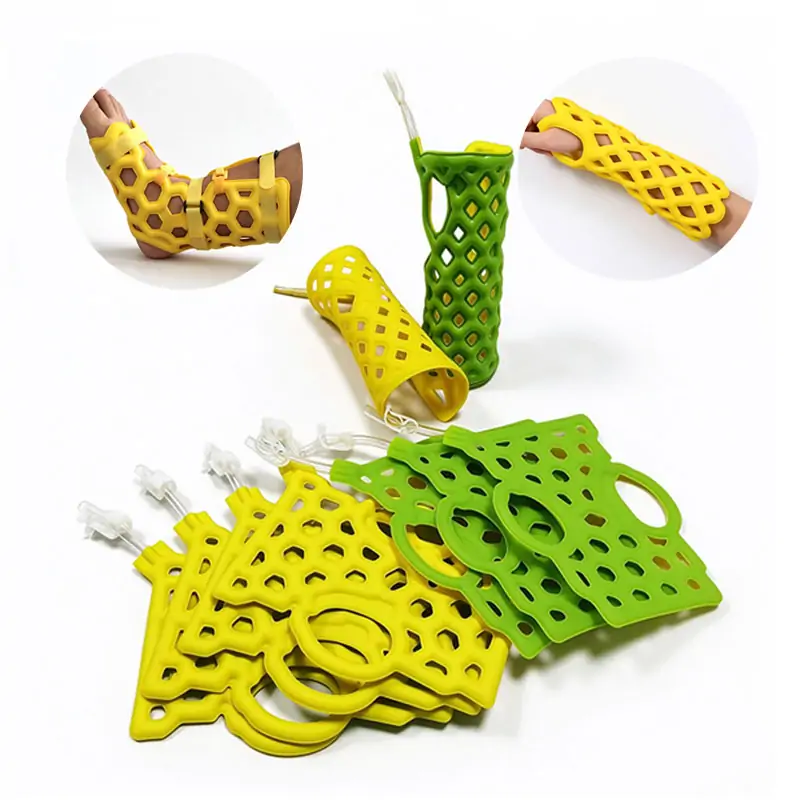
Unlike a conventional solid shell, this design uses an open lattice structure. The aim is to create an alternative approach to orthopedic immobilization support, with opportunities to customize the shape, dimensions, and structural design according to project requirements.
Why Silicone?
Silicone has gradually become an indispensable material in modern orthopedic technology. Its excellent physical properties make it a first-class base material for a wide range of orthopedic aids. Such as: durability, flexibility, and optimal compatibility with skin and body.
Silicone is biocompatible, meaning it is skin-tolerant, and its particular properties reduce perspiration while increasing comfort during prolonged wear. For patients with sensitive skin or those who have experienced irritation from standard casting materials, this is a meaningful difference.
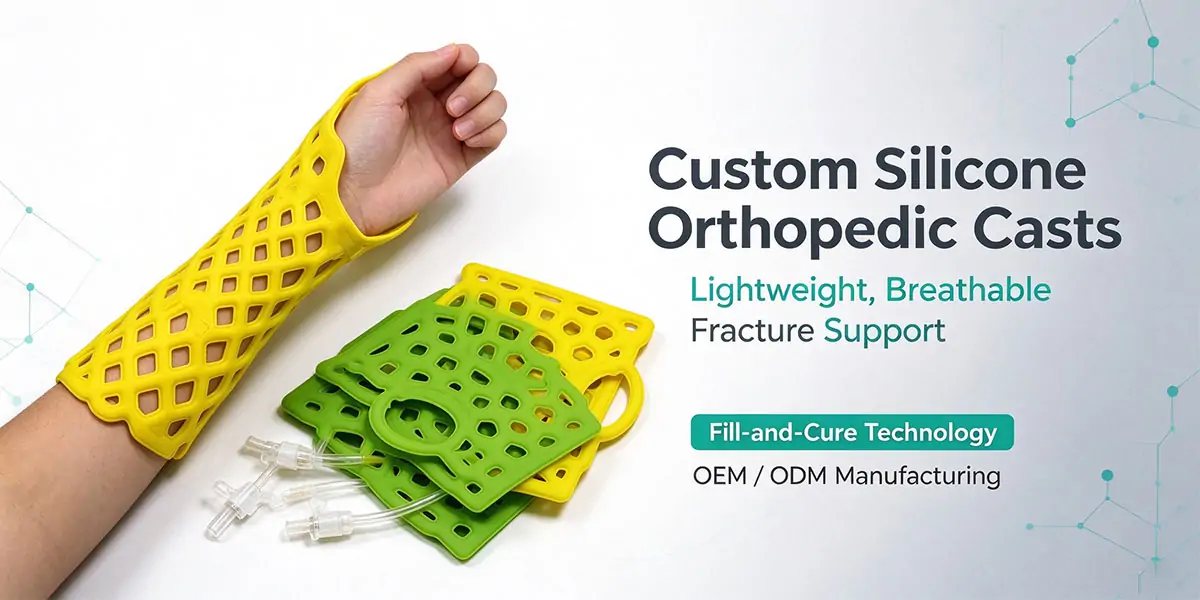
How Our Fill‑and‑Cure Silicone Fracture Cast Redefines Orthopedic Immobilization?
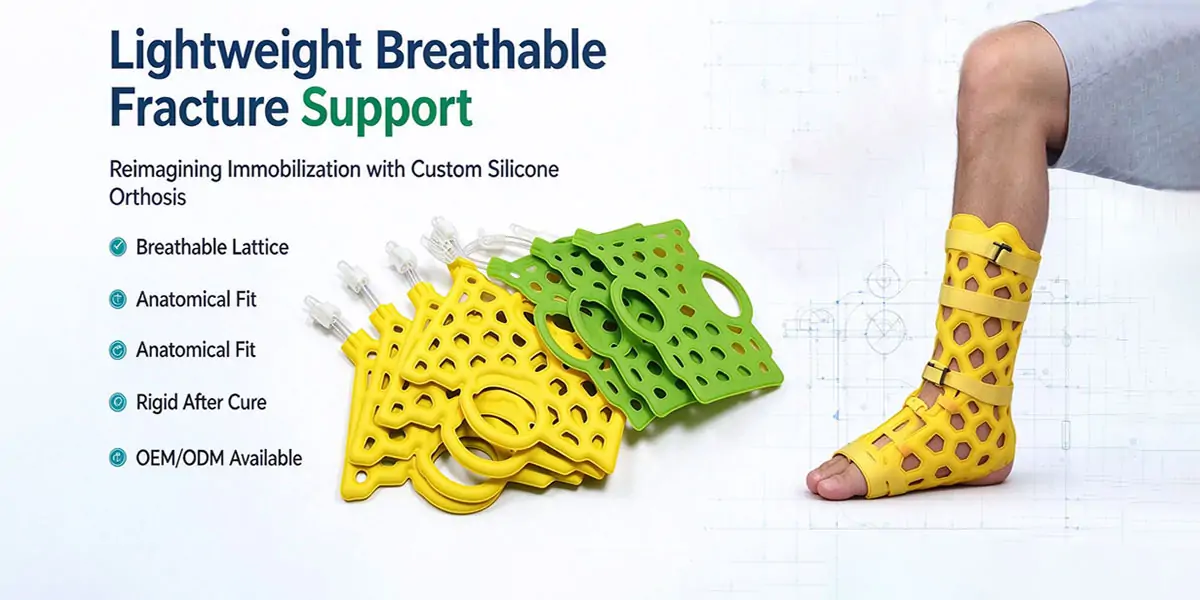
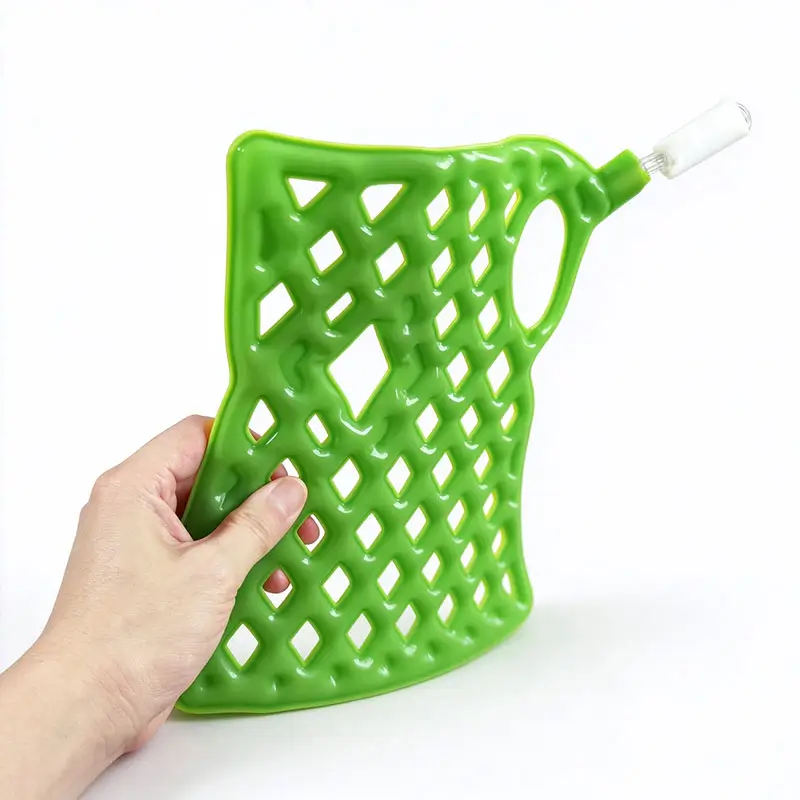
Unlike solid plaster or pre‑formed rigid braces, this custom silicone orthotic brace starts as a soft, flexible medical‑grade silicone hollow lattice shell.
The working principle follows a straightforward four‑step workflow:
Flexible Silicone Shell → Position over injured limb → Inject compatible curing media → Cure into rigid fracture support.
- A thin‑walled hollow lattice silicone sleeve is custom‑engineered to match target limb anatomy (wrist, forearm, ankle, foot, elbow and more).
- Clinicians fit the pliable silicone structure directly around the fracture site; soft silicone conforms naturally to body contours before hardening.
- Compatible curable material is injected through built‑in filling ports. This platform is not limited to single resin formulas, supporting multiple curing material options per project requirements.
- Once filling media solidifies inside hollow cavities, the entire assembly transforms into a dimensionally stable rigid orthopedic cast for fracture immobilization, with the silicone lattice remaining as the outer skin‑contact layer.
This hybrid design merges the skin‑friendly softness of medical-grade silicone with the structural rigidity required for stable bone fixation. The open‑lattice geometry creates large ventilation openings. Solving the stuffy, damp environment common under closed plaster casts, improving air circulation and enabling direct visual inspection of skin and wound status without cast removal.
The filling material is not limited to one specific type of resin. Depending on the formulation, application, and compatibility testing, different curing systems may be evaluated during product development. Material selection requires careful consideration of curing temperature, heat generation, curing time, dimensional stability, mechanical strength, and compatibility with the silicone shell.
This fill-and-cure orthopedic cast design is therefore a product development concept that requires engineering validation before clinical use.
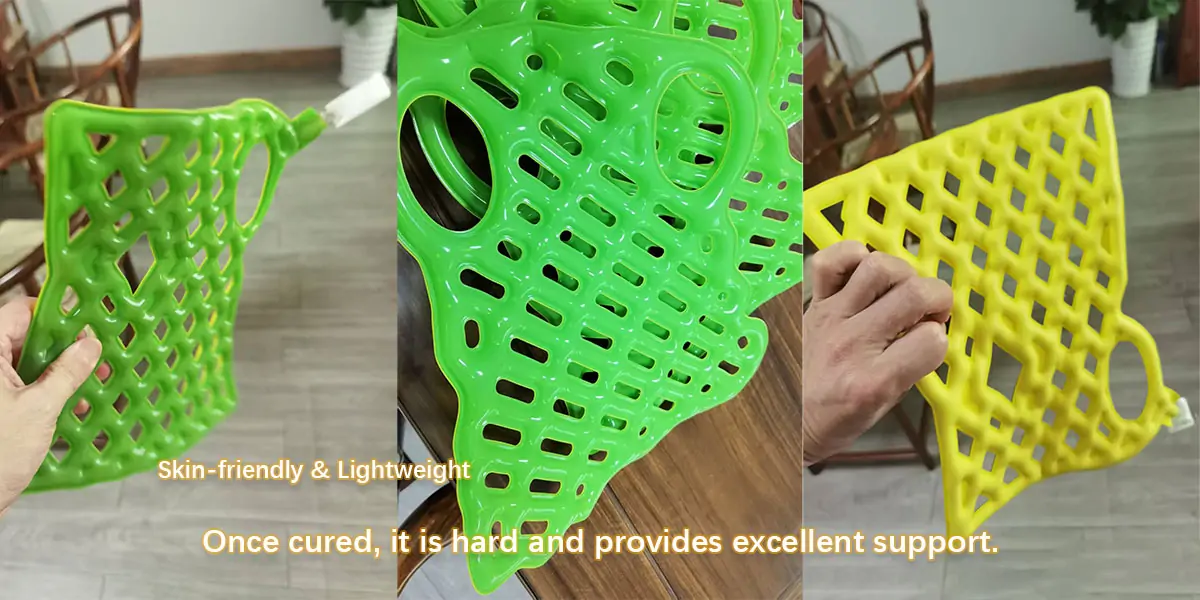
Key Design Features of a Custom Silicone Fracture Cast
For medical device companies, silicone orthopedic cast product distributors and orthotopic developers evaluating waterproof custom orthopedic cast, custom silicone fracture brace, and OEM orthopedic immobilization support, these key differentiators stand out:
1. Flexible Silicone Construction
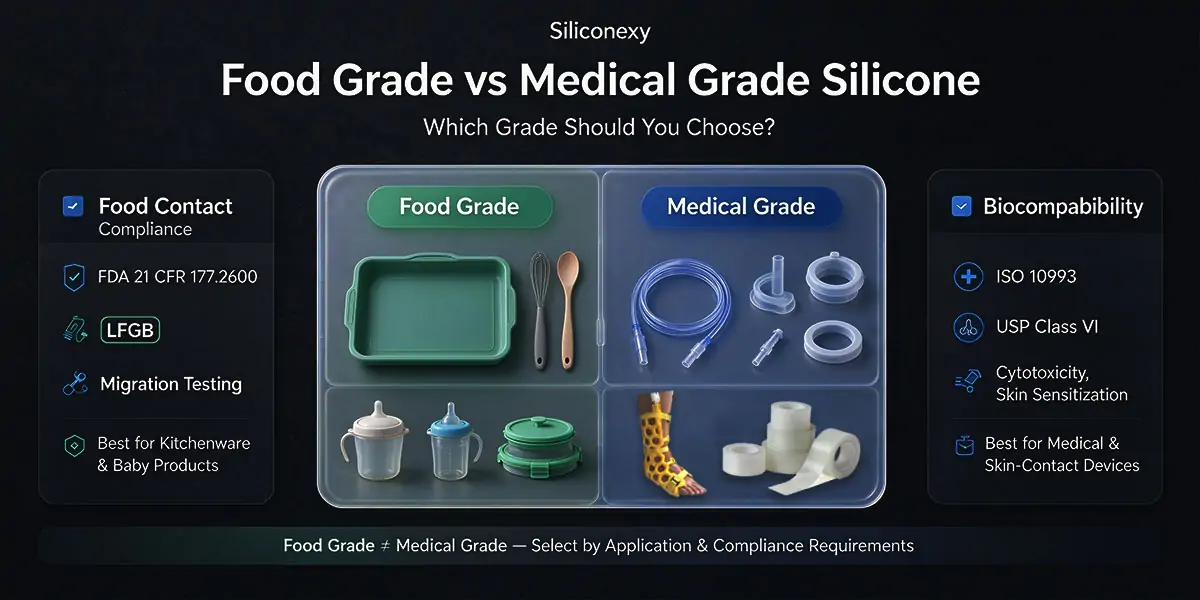
Medical‑grade silicone skin interface: Base silicone material can be specified to meet skin‑contact biocompatibility standards for orthopedic use; material grade, hardness, color and surface texture are fully customizable during product development. The silicone formulation, wall thickness, lattice geometry, and connection points must be selected according to the intended design and performance requirements.
Silicone can be molded into complex shapes and structures, making it suitable for customized product development. For this application, the silicone shell is designed to remain flexible before the filling material cures.
2. Breathable Hollow Lattice Construction
The open structure is a defining feature of this custom silicone fracture cast. Compared with a fully enclosed shell, a lattice design can create more openings for air circulation around the covered area. Open‑mesh architecture boosts airflow, lowering risks of eczema, contact dermatitis and maceration triggered by sweat accumulation under traditional closed casts.
Trapped heat and moisture beneath a cast create the conditions for itching, maceration, and odor. Silicone casting systems address this at the material level. A breathable silicone layer provides superior cushioning between the skin and the hardened structure while promoting continuous airflow, allowing for effortless skin inspection and hygiene without compromising the structural integrity of the support. This is particularly valuable for patients in humid climates or those requiring extended immobilization.
Actual ventilation performance depends on the opening size, structure, fit, and amount of skin covered. These characteristics can be adjusted during the design process and assessed through appropriate testing.
3. Lightweight Thin‑wall Build
Weight is an important consideration when developing orthopedic support products. The hollow structure offers an opportunity to manage material use and overall product geometry.
Weight is not a minor detail in fracture management. A randomized controlled trial comparing hybrid-mesh casts to fiberglass casts in pediatric patients found that the hybrid-mesh version was significantly lighter and scored higher in both comfort and overall satisfaction build on this principle. A silicone cast can be engineered to achieve structural rigidity where needed while minimizing material bulk, making daily activities far more manageable for the patient.
4. Pre‑cure Flexibility & Post‑cure rigidity
Soft and drapable during fitting; achieves full structural support after internal fill material completes solidification.
5. Highly Configurable Custom Anatomy Shapes
Lattice pattern, aperture opening size, shell wall thickness, filling port layout, edge finishing and reinforcement zones can all be tailored for upper‑limb fracture support, lower‑limb immobilization, pediatric orthopedic casts, sports injury fixation and post‑surgical orthotic bracing.
6. Multi‑material Compatibility for Filling‑and‑cure
The hollow silicone framework can be engineered to work with varied curing substances rather than locking users to one resin formulation. Clients may define fill material requirements based on mechanical strength, setting time, temperature profile and regulatory compliance goals.
Important note:
This silicone orthopedic cast represents an innovative alternative concept for fracture care. It cannot completely replace traditional plaster casts for every clinical indication. Real‑world clinical applicability depends on final mechanical testing, biocompatibility validation and regional medical regulatory clearance before formal clinical deployment.
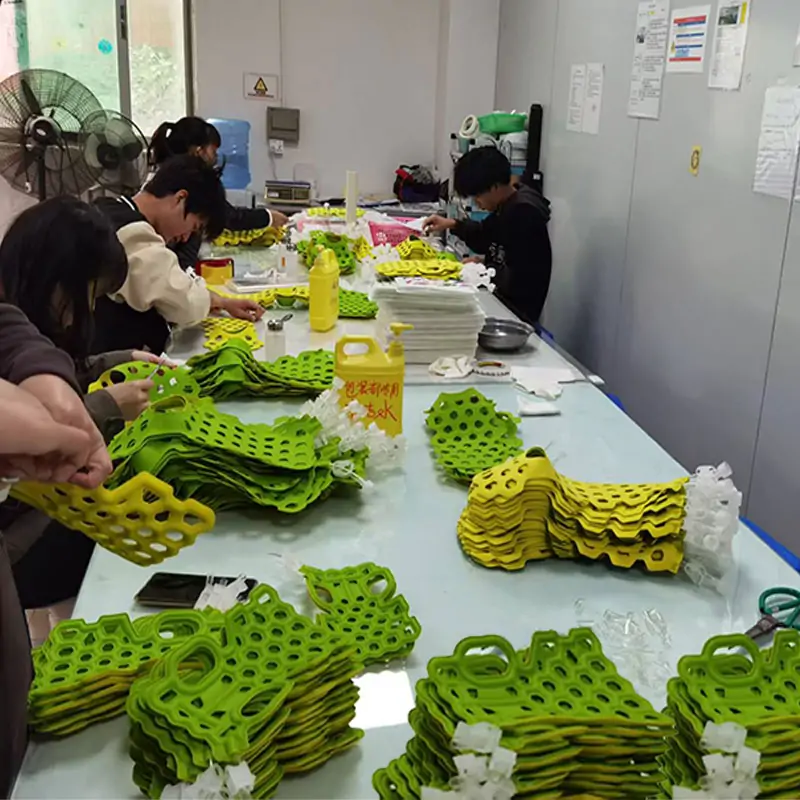
Silicone vs. Fiberglass: A Material Comparison
Fiberglass casts are the clinical standard for many fracture types, and they offer undeniable advantages in load strength and durability.
However, fiberglass plaster is relatively hard and heavy, and the pressure generated inside the plaster is much higher than that in other materials; this factor directly causes patients to experience pain during the acute swelling phase.
Silicone rubber, by contrast, offers strong force-absorption properties and high flexibility, making it more effective for short-term immobilization and for athletes who need to continue controlled activity during recovery.
The clinical picture is not about replacing fiberglass wholesale but about matching the material to the patient and the clinical scenario. Silicone orthopedic casts excel where comfort, skin health, and custom fit are the priority.
Key Application Scenarios for Hollow‑lattice Silicone Orthopedic Cast
The fill‑and‑cure silicone orthopedic cast platform supports broad orthopedic development projects for brands building next‑gen fracture care products:
- Upper extremity: Wrist fracture brace, forearm immobilizer, hand & finger fixation, elbow injury support
- Lower extremity: Ankle sprain & fracture immobilization, foot fracture cast, lower‑leg orthotic support
- Special‑use development directions: Pediatric orthopedic supports, sports‑injury recovery splints, post‑operative fixation devices, bespoke anatomical orthoses for medical device R&D programs.
OEM and ODM Manufacturing for Custom Orthopedic Support Products
For companies developing a new orthopedic support product, manufacturing capability is an important part of the sourcing process.
Siliconexy (Xinyin) offers OEM/ODM customization for silicone products, including support for material selection, prototyping, and production planning.
For a custom silicone orthopedic cast project, potential development parameters include:
- Shape and dimensions: Develop the outer profile and coverage area based on approved drawings or samples.
- Lattice geometry: Evaluate opening size, wall thickness, and structural layout.
- Silicone material: Review suitable formulations against the required flexibility and product specifications.
- Filling compatibility: Assess candidate curing compounds for compatibility, heat generation, dimensional stability, and final mechanical properties.
- Branding and packaging: Explore product identification and packaging options according to the intended market and applicable requirements.
The final manufacturing process and customization scope depend on the product design, technical feasibility, and agreed quality criteria.
If your team is developing a new custom silicone orthopedic support, sharing your drawings, target dimensions, performance requirements, and intended market is a useful first step toward a technical feasibility review.
What Buyers Should Evaluate Before Sourcing?
Because this product concept combines silicone with a separate curing material, evaluation should cover the complete product rather than only the silicone shell.
Key considerations include:
- Mechanical performance: Does the cured structure meet the required strength, stiffness, and durability specifications?
- Curing safety: Are heat generation, curing time, residual substances, and dimensional changes adequately controlled?
- Biocompatibility: Has the finished product been evaluated for its intended contact with the human body?
- Fit and usability: Can the design meet the intended requirements for application, fastening, inspection, and removal?
- Regulatory requirements: What testing, documentation, and market authorization are required in the destination market?
The U.S. FDA (Food and Drug Administration) explains that biocompatibility assessment considers the medical device in its finished form, including relevant materials, manufacturing processes, and other factors, not simply the base material.
Using medical-grade silicone does not, by itself, establish that the complete assembled product is biocompatible or suitable for clinical use.
Discuss Your Custom Silicone Orthopedic Cast Project
Are you a medical product brand, distributor, importer, or product developer exploring a new orthopedic support design?
Contact Siliconexy to discuss your requirements for a custom silicone orthopedic cast, including lattice structure, product dimensions, material compatibility, prototype development, and OEM/ODM manufacturing.
Share your product concept and technical requirements so our team can review the potential manufacturing approach.
Contact Siliconexy to Discuss Your Custom Silicone Product Project.