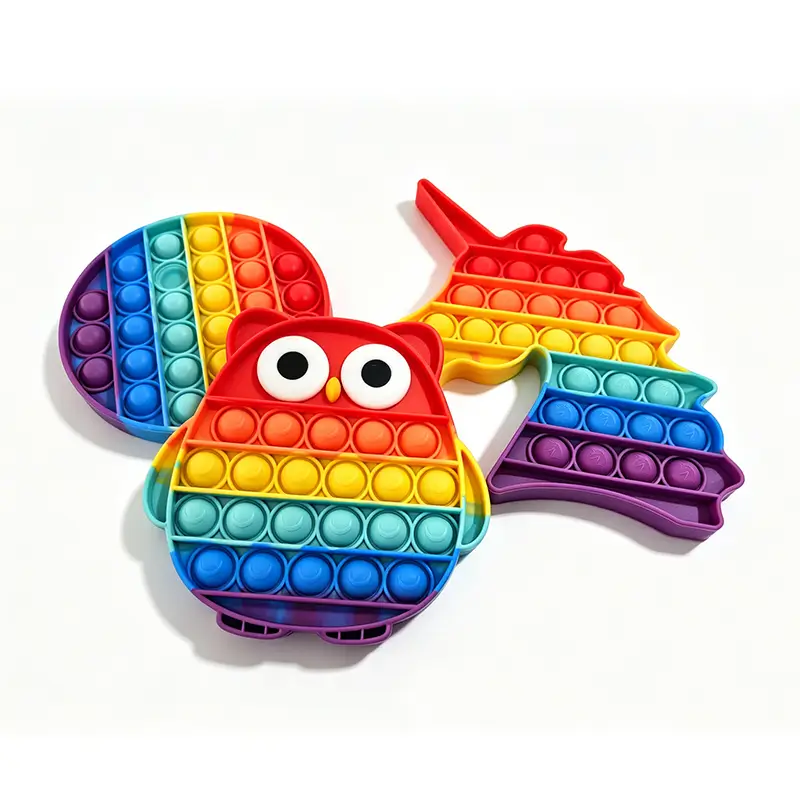
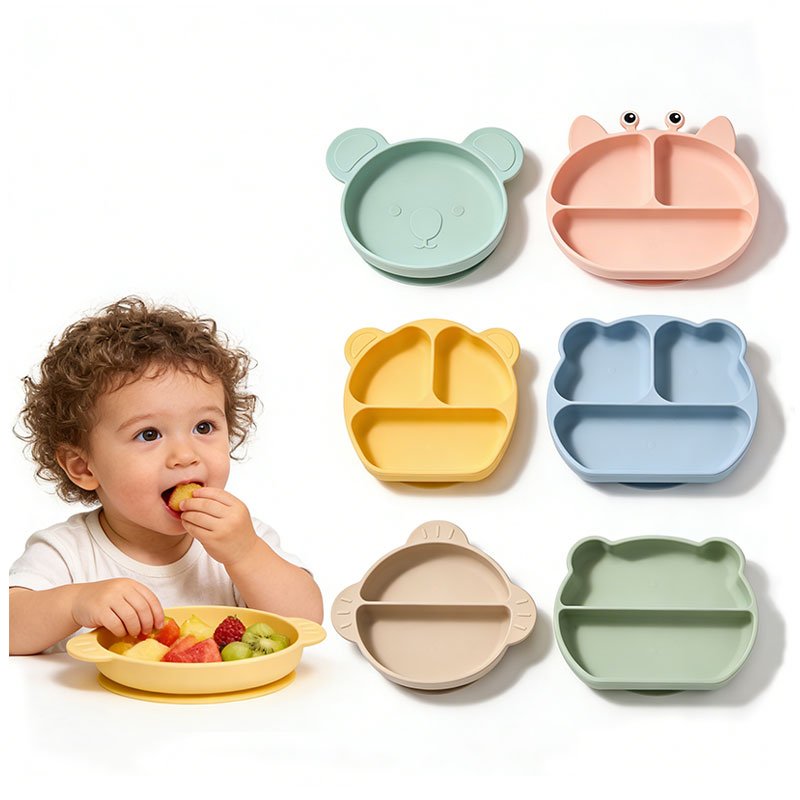
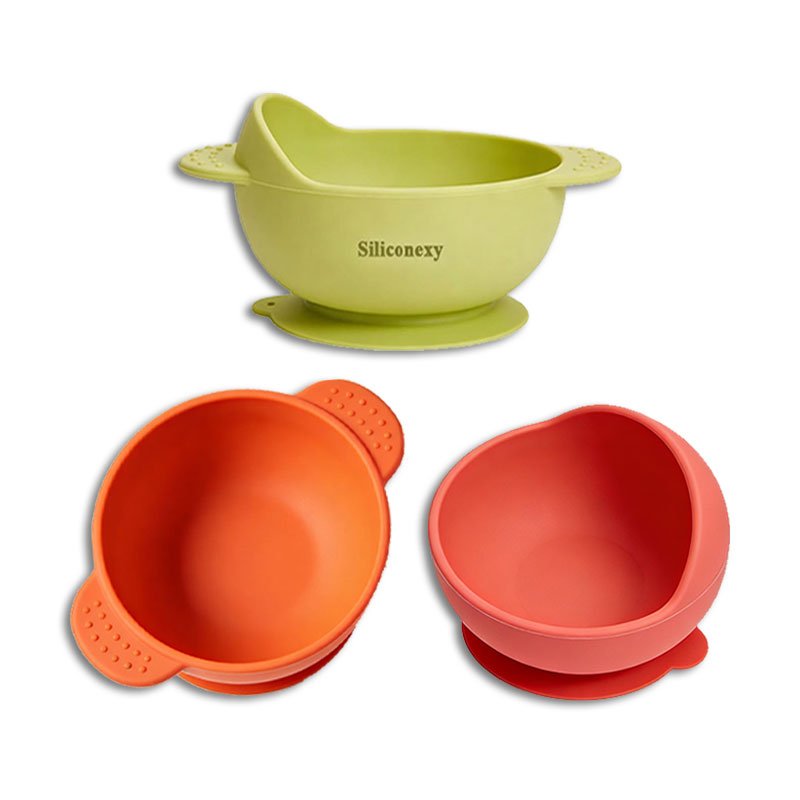
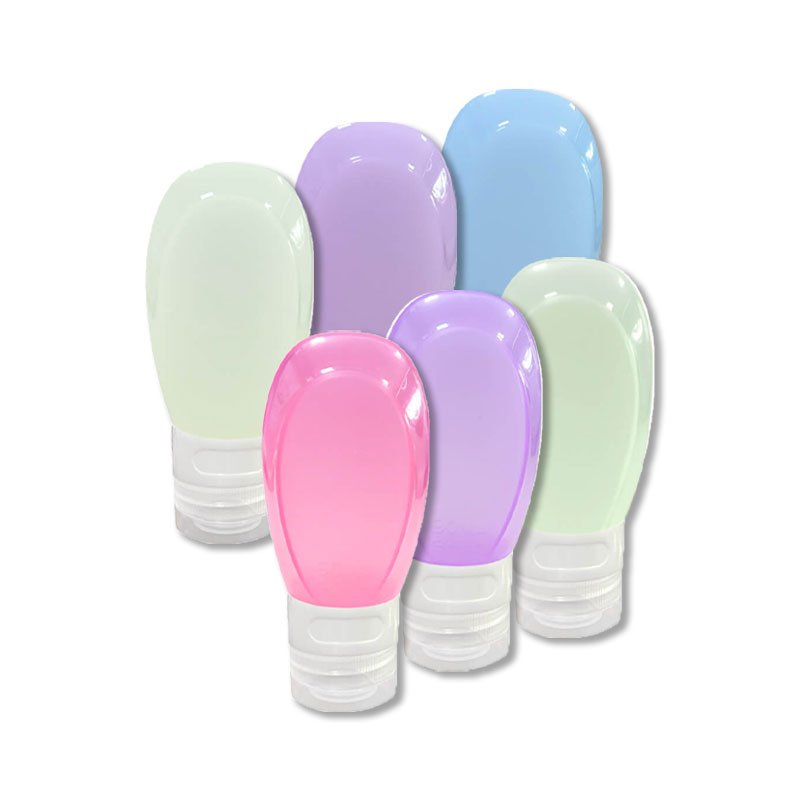
Silicone is widely used in baby products because of its flexibility, durability, and ability to withstand a range of temperatures. From baby feeding accessories to sensory toys and custom silicone baby products, it is an attractive material for manufacturers developing products for infants and toddlers. But many brand owners, wholesalers and parents keep asking: is silicone safe for baby products?
Is silicone safe for baby products? The answer depends on the quality of the silicone, the finished product design, and whether the product meets the safety requirements for its intended use. The short answer: pure, platinum-cured, certified food-grade silicone is safe for infant use, while low-grade silicone with fillers carries hidden risks.
For brands and wholesale buyers sourcing custom silicone products, understanding these factors is essential for selecting the right OEM/ODM manufacturing partner.
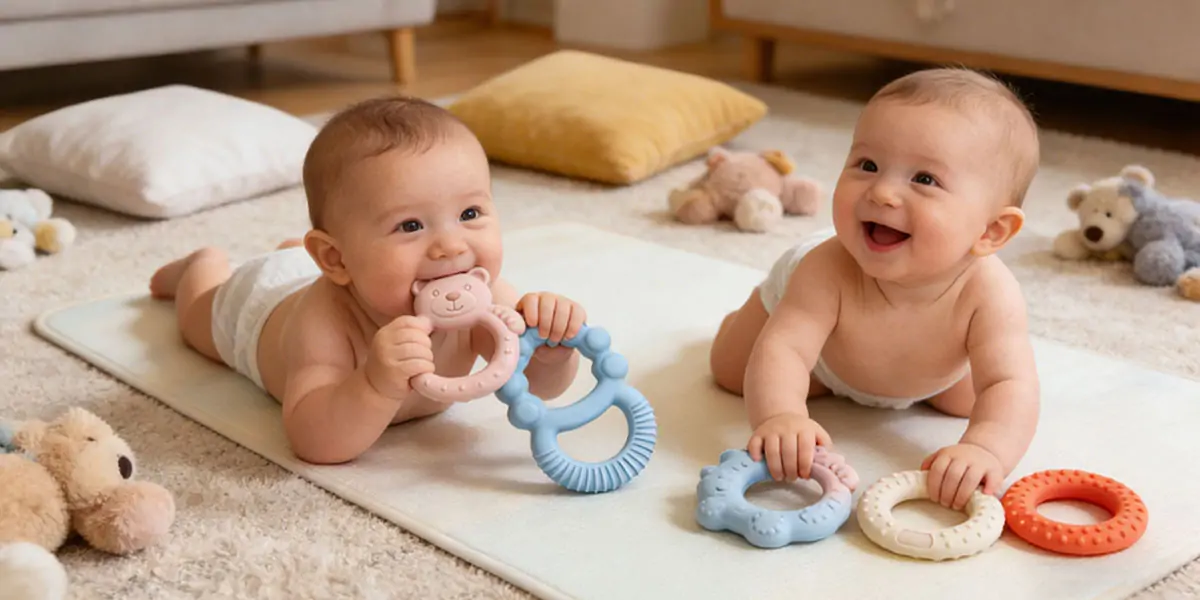
Is Silicone Safe for Babies?
Silicone is a synthetic polymer built on silicon–oxygen backbones. It is not plastic and not natural rubber. What separates baby-safe silicone from industrial-grade material is the curing chemistry and the absence of fillers.
High-quality silicone can be suitable for baby products when the material is properly formulated, the finished product is appropriately designed, and all applicable safety requirements are met. Nevertheless, not every product labeled “silicone” is automatically safe for infants.
Product safety depends on several factors:
For baby-contact products (teethers, pacifiers, bottle nipples, feeding utensils) the appropriate material is platinum-cured (addition-cure) food-grade liquid silicone rubber (LSR) .
- Material quality: The silicone formulation and its ingredients should be appropriate for the intended application. Low-cost silicone is often bulked up with fillers to reduce raw-material cost. Fillers are where problems hide: they can compromise tear strength, create sites for chemical migration, and cause the material to degrade under repeated heat cycles. High-purity food-grade silicone contains no fillers, and that distinction is testable at the bench and in the lab.
- Chemical safety: Colorants, additives, and other components must be evaluated against the relevant requirements.
- Product design: The finished product should not create foreseeable choking, ingestion, or other physical hazards.
- Manufacturing quality: Proper processing, curing, finishing, and quality control help maintain product consistency. Platinum curing leaves no peroxide by-products, is free of BPA, PVC, latex, and phthalates, and remains taste and odor-neutral after post-curing. Peroxide-cured silicone, by contrast, can leave volatile residues that affect taste and safety, which is why reputable manufacturers avoid it for mouth-contact parts.
- Regulatory compliance: Testing and documentation should match the product category and destination market.
For example, silicone used in a baby teether may need different evaluations from silicone used in a decorative toy or a feeding accessory. For B2B buyers, the most reliable approach is to assess the complete product rather than relying on the material name alone.
Why Is Silicone Used in Baby Products?
Silicone offers several material characteristics that make it useful for products designed for babies and young children.
Soft and Flexible
Silicone can be formulated to provide different levels of softness and flexibility. This allows manufacturers to develop products with tactile surfaces, rounded shapes, and comfortable handling characteristics.
For custom silicone baby toys and sensory products, material hardness should be selected according to the intended use and design requirements.
Durable and Flexible in Use
Silicone generally offers good flexibility and resistance to repeated deformation. Depending on the formulation and product construction, it can be suitable for items that are handled or flexed frequently.
Actual durability depends on the material grade, design, processing conditions, and use environment.
Temperature Resistance
Many silicone materials tolerate a wider temperature range than ordinary plastics. However, the permitted temperature range varies by formulation and finished product.
Important: Heat resistance alone does not establish that a product is suitable for boiling, steam sterilization, dishwashers, or microwave use. Buyers should verify the manufacturer’s instructions and the product’s validated performance.
Potential for Easy Cleaning
Silicone surfaces can be relatively easy to clean, depending on the product’s shape and finish. Products intended for infants, especially those likely to be mouthed, should be designed so that they can be cleaned effectively.
For toys intended for children under 36 months or toys likely to be placed in the mouth, the EU’s toy safety framework specifically addresses cleanability and continued safety after cleaning. See the European Commission’s Toy Safety guidance.

What Types of Silicone Are Used in Baby Products?
Choosing the appropriate material is an important step in custom silicone product development.
Common manufacturing options include:
- Solid silicone rubber. Solid silicone rubber is used in many molded products that require flexibility and shape retention. Depending on the formulation and design, it may be considered for baby toys, sensory accessories, and other custom molded products.
- Liquid silicone rubber (LSR). LSR is processed through liquid injection molding and can support the production of detailed, repeatable components. Its suitability for a particular baby product still depends on the formulation, processing, product design, and required compliance testing.
Reference: Liquid Silicone vs Solid Silicone: Performance, Price & Application Guide
What Makes Silicone Safe for Baby Products?
High-quality baby-safe silicone is chemically inert. It does not leach BPA, PVC, phthalates, lead or heavy metals when chewed, sterilized, heated or frozen, unlike cheap plastic alternatives.
The critical marker you must verify is platinum curing. Tin-cured silicone is lower-cost but may leave residual volatile compounds, so reputable baby lines exclusively adopt platinum-cured silicone for oral-contact baby goods.
Key Global Safety Certifications for Silicone Baby Merchandise
When sourcing wholesale silicone baby products or custom silicone kids products, do not accept vague “non-toxic” claims. Valid third-party test reports must cover these widely recognized standards:
- FDA 21 CFR 177.2600 (US food contact safety)
- LFGB / BfR (German & EU food contact)
- CPSIA, 16 CFR Part 1511 (US children’s product safety, pacifiers)
- EN 71-1/2/3, EN 1400, EN 14372 (EU toy, soother and feeding utensil standards)
- REACH SVHC restriction for harmful substances
Two core silicone grades dominate baby manufacturing, and they serve different use cases:
- Food-grade silicone: Certified to FDA 21 CFR 177.2600 and LFGB. It works perfectly for silicone bibs, suction bowls, feeding mats, reusable silicone baby stickers and toy surface decals that touch food or skin.
- Medical-grade silicone: Tested under ISO 10993 or USP Class VI biocompatibility protocols, with stricter limits for skin irritation and sensitization. It is preferred for pacifiers, bottle nipples and high-risk teething items with prolonged mouth contact.
A common misconception: “medical grade silicone is always better.” That is not true. Material selection depends on your product category and target market regulations. Food-grade platinum silicone meets all baseline safety requirements for most baby and toddler silicone products, sensory toy and feeding accessory lines.
Does Food-Grade Silicone Mean Baby-Safe?
Not necessarily. Food-contact suitability and toy safety are different considerations. A silicone product designed for food contact may still need additional evaluation if it is marketed as a baby toy, teether, or other children’s product.
For instance, a baby product may require assessment of chemical migration, small parts, structural integrity, and age-related hazards, depending on its intended use and applicable regulations.
The correct material specification should therefore begin with the product’s intended function and target market.

How to Spot Unsafe Silicone for Baby Items?
Low-cost blended silicone uses mineral oil, silica fillers or recycled silicone scrap. These products may pass a basic appearance check but fail migration and volatile testing. Simple screening markers include:
- The pinch test: Pinch and twist the silicone. Safe pure silicone stays the same colour; filled cheap silicone turns whitish at the pinched spot.
- Strong chemical or rubber odour after opening or steaming sterilization.
- Missing third-party test reports, only generic “BPA free” marketing text.
This risk hits custom children’s products especially hard. Many cheap silicone baby products use PVC or uncertified silicone blends that are not suitable for babies. Siliconexy (Xinyin) only runs baby lines with food-grade platinum silicone raw materials, no recycled filler blends for infant-grade orders.
How to Choose Safe Silicone Baby Products?
For product developers, importers, and wholesale buyers, the following checklist can help reduce sourcing risks.
1. Request Material Documentation
Ask the supplier to identify the silicone material and provide relevant technical documents, declarations, or test reports.
Confirm that the documents relate to the actual material and product being purchased.
2. Check Chemical Safety
Identify the tests required for the intended market and application. Depending on the product, these may include testing for restricted substances, heavy metals, or chemical migration.
Do not assume that a claim such as “BPA-free” proves complete product safety. It addresses only a specific substance-related concern and does not replace the full compliance assessment.
3. Evaluate Small Parts and Product Structure
Inspect the finished product for loose components, weak joints, sharp edges, detachable decorations, and other foreseeable hazards.
For baby products, small parts and components that may detach during normal use or foreseeable misuse deserve particular attention.
4. Confirm Cleaning and Care Instructions
Determine whether the product is intended to be washed, boiled, sterilized, or placed in a dishwasher.
Cleaning instructions should be supported by the product’s material properties and performance testing. Buyers should not infer sterilization suitability from silicone’s general heat resistance.
5. Review Quality Control Procedures
Ask how the manufacturer controls material batches, molding conditions, product dimensions, surface defects, and finished-product consistency.
For ongoing OEM production, documented quality checks help ensure that mass-produced items remain consistent with approved samples and specifications.
What Should Brands Consider When Customizing Silicone Baby Products?
For brands developing custom silicone baby toys and other infant products, product development involves more than choosing a color or shape.
A reliable OEM/ODM process should consider:
- Product design: Define the target age group, intended use, dimensions, shape, and foreseeable hazards.
- Material selection: Choose a suitable silicone formulation and hardness for the product’s function.
- Color customization: Confirm that pigments and additives are appropriate for the intended application and meet relevant requirements.
- Mold development: Evaluate the design for manufacturability, dimensional consistency, and ease of cleaning.
- Prototype evaluation: Review fit, feel, surface quality, structural integrity, and relevant safety risks.
- Compliance planning: Determine the required tests and documentation before mass production.
- Production quality control: Maintain agreed specifications and evaluate changes to materials or manufacturing processes.
These steps are particularly important for products intended for infants, who may mouth, pull, squeeze, or repeatedly handle product components.

Why silicone remains the material of choice?
Parental and procurement priorities have converged on the same set of attributes: non-porous hygiene, thermal stability, softness on gums, and resistance to odor and bacterial buildup.
Silicone’s non-porous surface leaves no microscopic crevices for mold or bacteria to colonize, and it tolerates boiling, steam sterilization, and dishwasher cycles without leaching or deformation.
For feeding sets, molded suction bases add a functional safety layer by keeping bowls and plates anchored during self-feeding, reducing spills and tip-overs.
The commercial trajectory reflects that demand. The global baby silicone products market was estimated at roughly USD 350 million in 2026, with forecast growth at a CAGR above 11% through 2032. Growth is not coming from novelty alone. It is being driven by regulatory clarity, material disclosure, and the willingness of brands to prove safety rather than assert it.
Frequently Asked Questions
Q1: Is silicone safe for babies to chew?
A: Some silicone products are specifically designed for teething or mouthing, but not every silicone item is suitable for this use. Choose a product intended for the child’s age and purpose, and verify its safety documentation, structural integrity, and care instructions.
Q2: Is BPA-free silicone safe for babies?
A: BPA-free is a useful material claim, but it does not establish overall safety. Other ingredients, chemical restrictions, product construction, and applicable testing requirements must also be considered.
Q3: Is food-grade silicone always safe for baby products?
A: No. Food-contact suitability does not automatically demonstrate compliance with toy safety requirements or other rules applicable to infant products. Confirm the requirements for the specific finished article.
Q4: Can silicone baby products be boiled or sterilized?
A: Some can, but not all. The answer depends on the specific formulation, product construction, accessories, and manufacturer’s validated care instructions. Always follow the instructions for the finished product.
Q5: What documents should buyers request from a silicone baby product manufacturer?
A: Depending on the product and market, buyers may need material specifications, relevant chemical test reports, applicable mechanical or physical safety test reports, declarations of conformity, and certification documentation. For children’s products in the United States, a CPC may be required when applicable federal rules require certification.
Conclusion
Silicone can be a suitable material for many baby products, but safety must be demonstrated at the finished-product level. Material selection, chemical compliance, product design, cleanability, and manufacturing quality all contribute to a reliable result.
For brands and wholesale buyers sourcing custom silicone baby products, working with a manufacturer early in the product development process can help clarify material requirements, tooling needs, quality expectations, and compliance considerations.
If you are a brand owner, importer or distributor searching for a reliable factory partner for custom food-grade silicone baby products and silicone infant sensory components, reach out to Siliconexy for material samples, test document review and a custom quotation.