Is Silicone Safe for Electronics? Silicone is widely used in the electronics industry due to its excellent thermal stability, insulation properties, and chemical resistance. It’s the soft, rubbery material sealing gaps, cushioning components, and protecting sensitive circuitry. But a common question remains: Is silicone safe for electronics?
The short answer is – Yes. Silicone is generally considered safe for electronics, and it’s a popular material choice for many electronic components and accessories. When properly formulated and applied, silicone is not only safe but often the preferred material for protecting electronic assemblies.
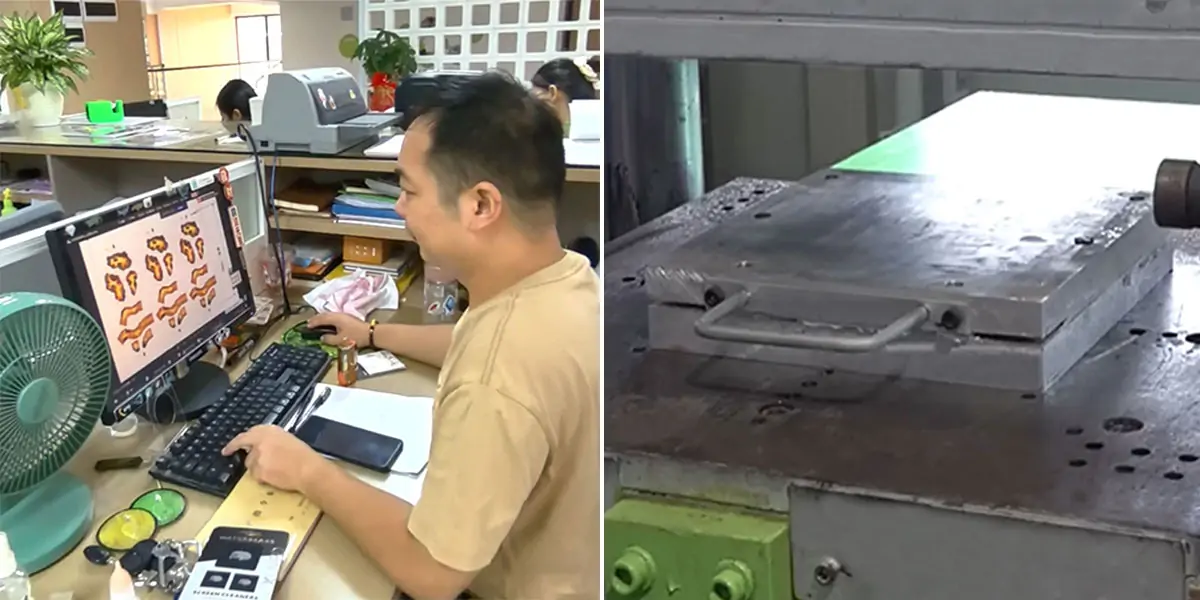
However, not all silicone products deliver the same electronic-grade performance. Only standardized, precision-made silicone materials meet strict electronic industry standards, which is why partnering with a professional custom silicone product manufacturer is critical for electronic project reliability. As a silicone product factory serving global electronics enterprises, we tailor high-purity, RoHS and REACH compliant Custom Silicone Product solutions for diverse electronic application scenarios.
Why Silicone Is Used in Electronics Safe?
The Properties That Make Silicone Electronics-Safe. Silicone’s safety in electronics stems from its unique molecular structure. Unlike organic rubbers that degrade under heat or epoxies that become brittle, silicone maintains its protective properties across an extraordinary range of conditions.
1. Exceptional Thermal Stability
Electronic components generate heat. Silicone rubber can withstand continuous operation from -60°C to +200°C, with special grades reaching up to +300°C. This thermal resilience means silicone won’t melt, soften, or decompose under normal operating conditions. In fact, silicone colloid protects electronic components from short circuits and yellowing due to temperature shocks within the range of -40°C to 200°C.
For high-heat environments like EV battery systems or power electronics, this stability is non-negotiable. Silicone-based materials for fire and blast protection can even support passenger safety through shock absorption and ceramification during thermal runaway events.
2. Superior Electrical Insulation
Perhaps silicone’s most critical safety feature is its dielectric strength. Standard electronic-grade silicone offers a dielectric strength of approximately 18–25 kV/mm, making it an exceptional barrier against electrical current. Silicone rubber is an excellent electrical insulating material with resistance to arcing, corona, ultraviolet light, and ozone.
Whether used as a thermal interface material, a conformal coating, or a molded gasket, silicone provides reliable insulation that safeguards sensitive components from short circuits and electrical interference.
3. Inherent Flame Retardancy
Fire safety is paramount in electronics. Silicones are inherently flame-retardant, achieving the UL 94 V-0 flammability rating, which is the highest level of flame resistance. When silicone does burn, it decomposes at 400–500°C leaving an inert, non-flammable, and electrically non-conductive residue. Crucially, silicone releases no toxic vapors in the event of fire.
Some silicone rubber grades even burn to a very hard ceramic layer that continues to provide satisfactory electrical insulation at temperatures as high as 1,000°C.
4. Chemical and Moisture Resistance
Moisture is the enemy of electronics, which causes corrosion, electrochemical migration, and short circuits. Silicone is hydrophobic (water-repellent) and highly resistant to moisture penetration. It also resists oils, chemicals, and aqueous solutions of weak acids, alkalis, and salts. This makes silicone ideal for sealing electronic enclosures against environmental contamination.
Is Silicone Chemically Safe for Electronic Components?
Yes. High-quality industrial-grade silicone is:
- Non-corrosive
- Chemically stable
- Non-reactive with most electronic materials
- Resistant to oxidation and UV exposure
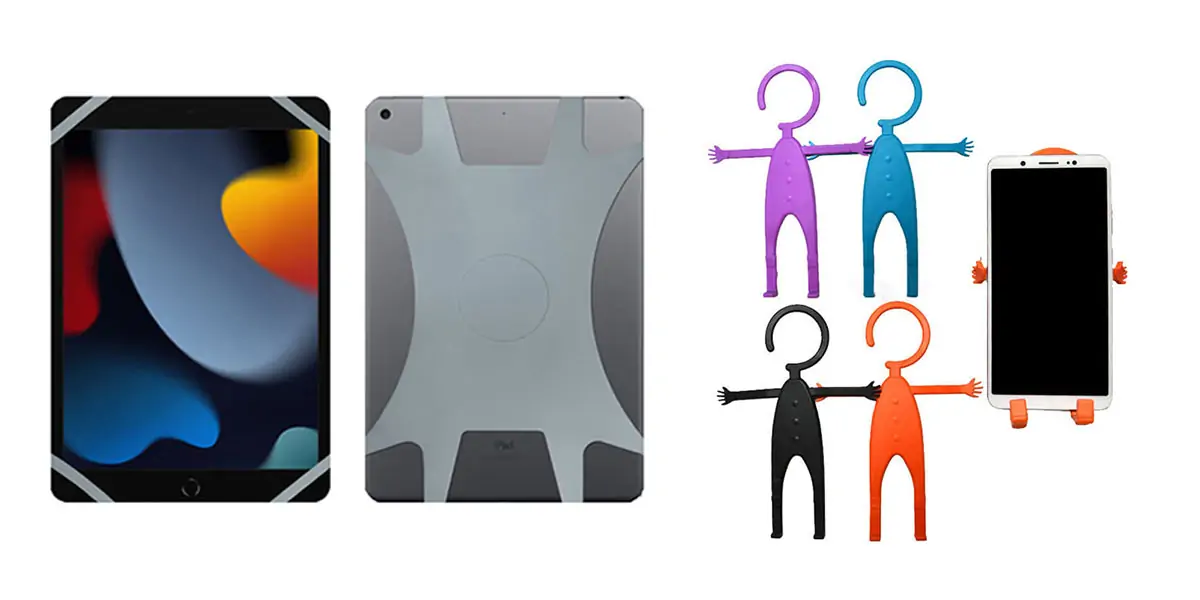
Because of these characteristics, silicone is commonly used in protective covers, thermal pads, and insulation coatings.
However, low-quality silicone or improperly cured silicone may release residues or fail under high temperatures, which is why sourcing from a reliable custom silicone product supplier is critical.
How Silicone Protects Electronics?
Electronic components such as circuit boards, sensors, connectors, and precision chips require materials with low contamination, excellent electrical insulation, and extreme temperature resistance. Premium electronic-grade silicone features low ionic contamination (chloride content below 5 ppm), no corrosive volatiles, and stable physical and chemical properties, causing no discoloration, aging, or functional damage to electronic parts during long-term use.
Unlike ordinary plastic and rubber materials that are prone to heat deformation and chemical precipitation, qualified silicone materials maintain stable insulation performance in temperatures ranging from -50°C to 200°C. They effectively protect electronic devices from moisture, dust, vibration, and static interference, perfectly adapting to complex working environments of automotive electronics, smart home devices, wearable electronics, and industrial control equipment.
Professional customized silicone accessories have become indispensable supporting materials for the electronics industry, covering full-scenario protection and functional needs.
Silicone serves electronics in several critical ways:
- Potting & Encapsulation: Liquid silicone compounds completely encase circuit boards, providing permanent protection against moisture, vibration, chemicals, and mechanical stress. Unlike epoxies that become brittle and irreparable, silicone remains elastic and low-stress on sensitive components and solder joints.
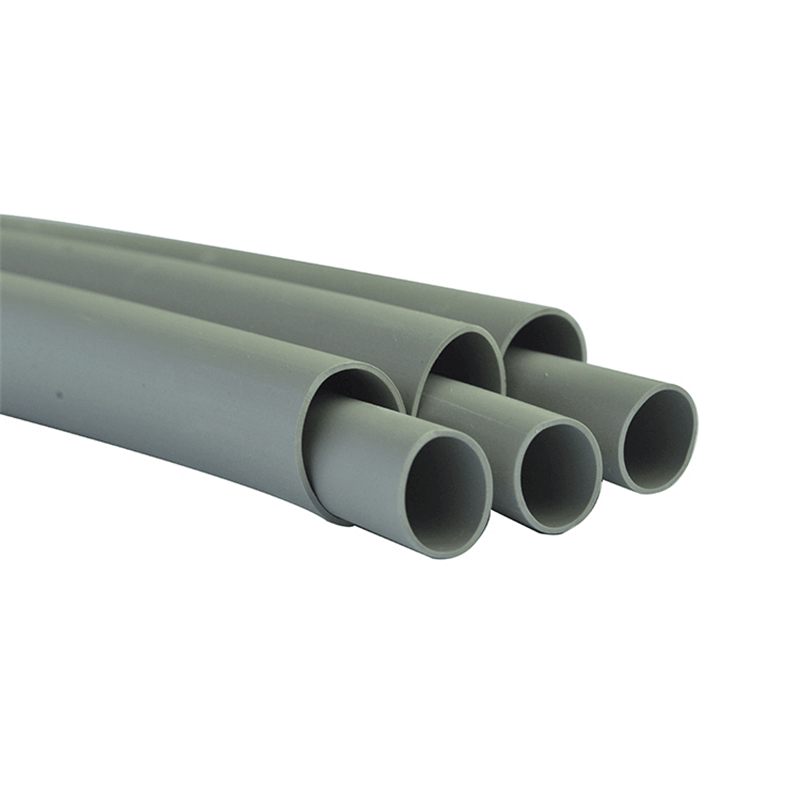
- Insulation & Shockproof Accessories: Custom silicone gaskets, cushions, and insulating sleeves for precision electronic modules, improving device shock resistance and operational stability.
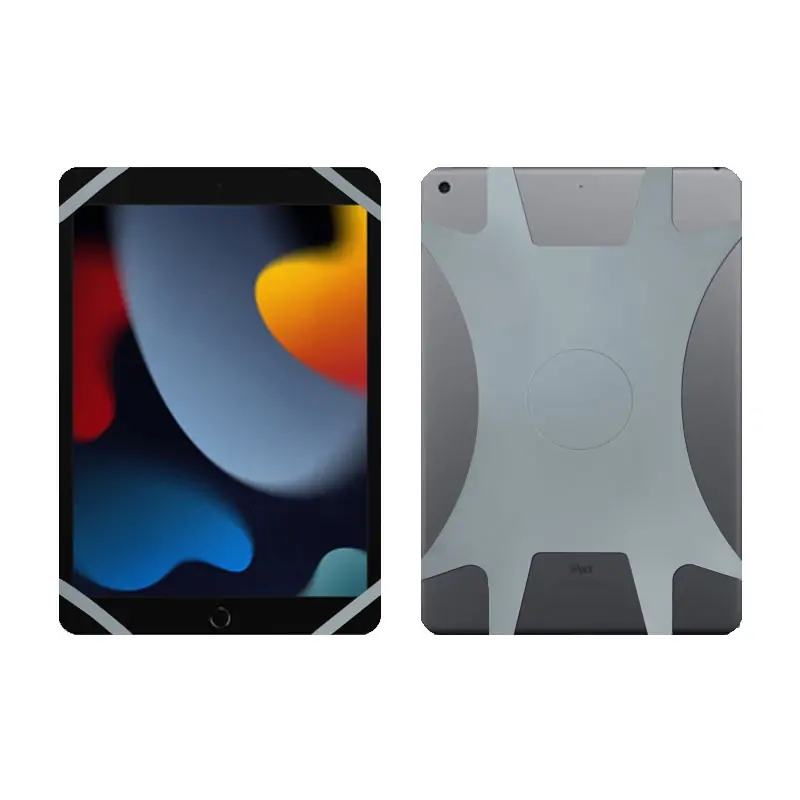
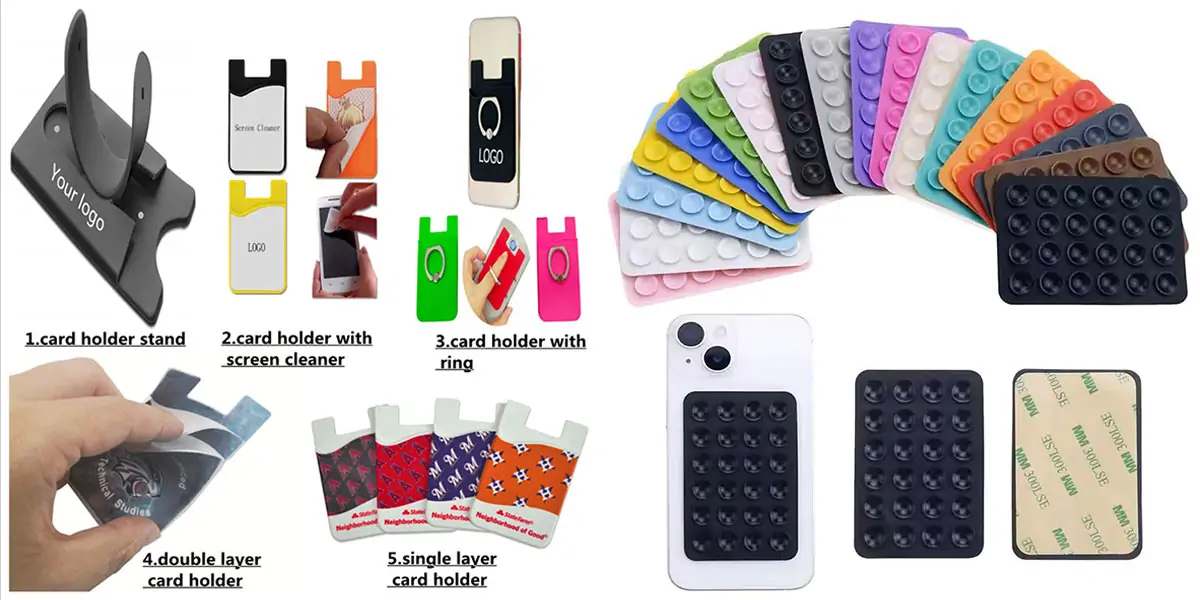
- Consumer Electronics Protection Parts: Custom silicone protective covers, key pads, and flexible connecting parts for wearables, mobile devices, and smart appliances, compliant with global environmental and safety certifications.
- Custom Molded Parts: Gaskets, seals, keypads, and complex 3D shapes made from silicone provide repeatable, precision protection for electronic enclosures.
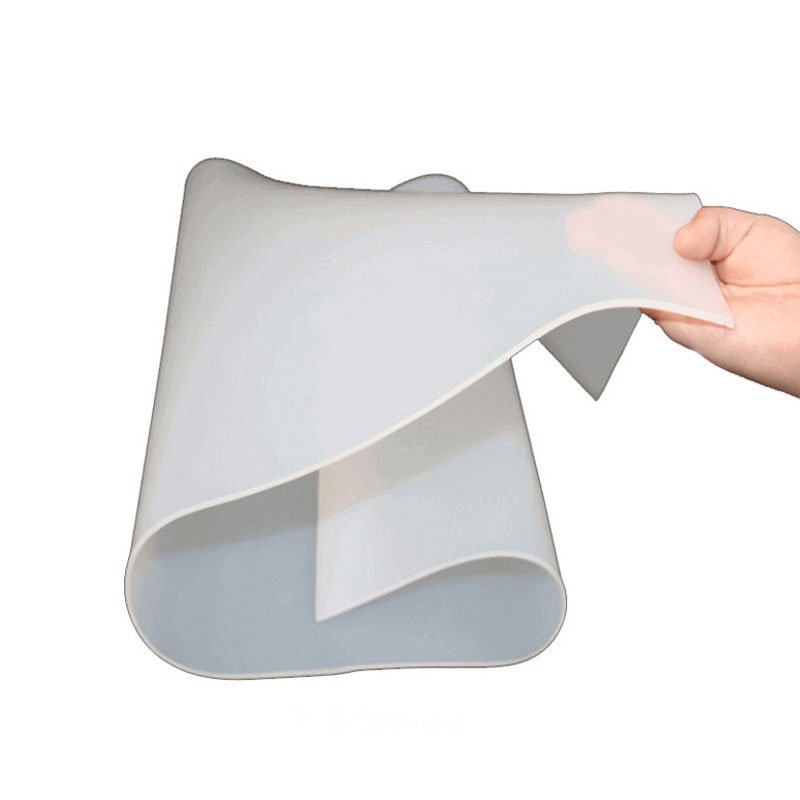
- Thermal Interface Materials (TIMs): Thermally conductive silicone sheets fill microscopic air gaps between heat-generating components and heat sinks, facilitating efficient heat transfer while maintaining electrical isolation.
- Conformal Coatings: Thin silicone layers protect PCBs without adding significant weight, allowing for easier rework when needed.
Common Silicone Applications in Electronics
Silicone is widely used in:
- Smartphone/iPad protective cases
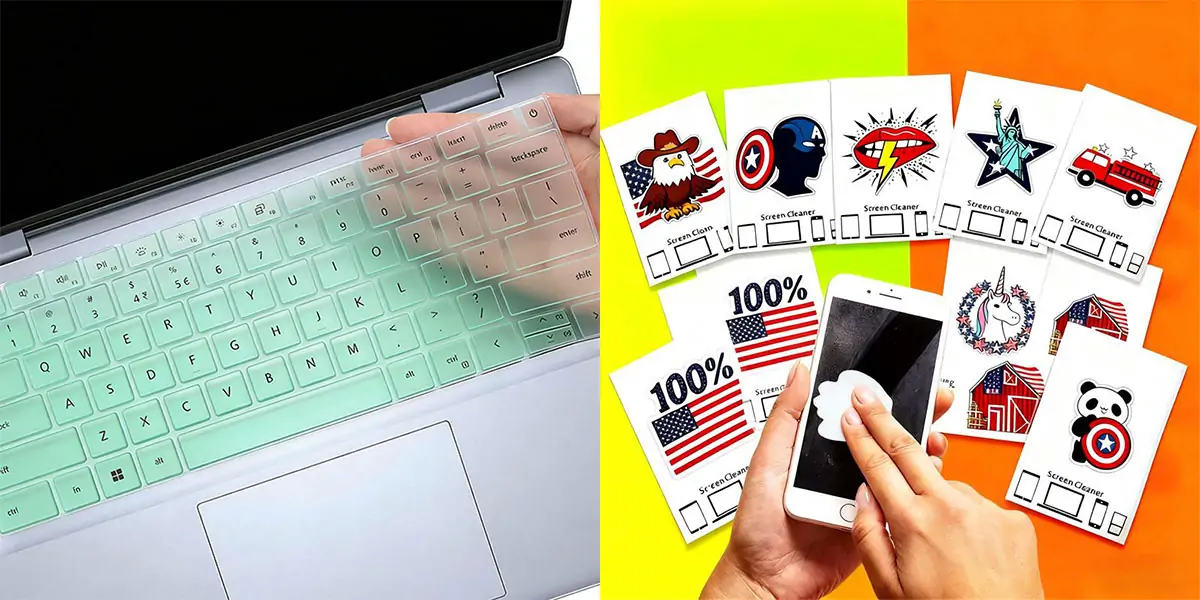
- Laptop keyboard covers
- Waterproof sealing gaskets
- Wearable device bands
- Cable insulation coatings
- Thermal interface materials
Manufacturers in the silicone product factory sector often design customized solutions to meet different electronic industry requirements.
Common Custom Silicone Products for Electronics
A professional custom silicone product manufacturer can produce a wide range of components for electronic applications, including:
- Electrical Insulation Pads: Protect sensitive components from electrical shock and environmental damage.
- Thermal Conductive Sheets: Dissipate heat from CPUs, LEDs, and other heat-generating parts.
- Seals and Gaskets: Prevent moisture and dust from entering enclosures, ensuring device reliability.
- Cable Connectors and Sleeves: Insulate wiring and improve durability in high-stress environments.
Choosing the Right Custom Silicone Product for Your Electronics
When sourcing silicone components for electronic applications, partnering with an experienced custom silicone product manufacturer makes all the difference. A reputable silicone product factory understands the nuances of electronic-grade materials.
A specialized Silicone Product Factory can:
- Provide Material Certifications: Ensure compliance with international standards like ISO (for medical devices) and RoHS (for electronics safety).
- Offer Precision Engineering: Create custom shapes, sizes, and hardness levels to meet specific electronic design requirements.
- Ensure Quality Control: Implement rigorous testing to verify insulation properties, temperature resistance, and durability.
- Support Scalable Production: From prototyping to mass production, a reliable manufacturer can meet your volume needs while maintaining consistency.
Key Considerations When Selecting a Silicone Product Factory
To ensure safety and performance for your electronic products, look for a Custom Silicone Product Manufacturer with:
- Experience in producing electronics silicone components.
- Compliance with relevant industry standards (e.g., RoHS, REACH, ISO).
- Advanced manufacturing capabilities (e.g., LSR injection molding, precision cutting).
- A track record of delivering high-quality products to electronics clients.
Final Verdict
Is silicone safe for electronics? Yes, silicone is one of the safest and most reliable materials for electronics when it is properly engineered and manufactured. Its insulation, heat resistance, and durability make it ideal for a wide range of electronic applications.
With its unmatched thermal stability, superior electrical insulation, inherent flame retardancy, and proven moisture protection, silicone remains one of the most reliable materials for protecting electronic assemblies across automotive, aerospace, consumer electronics, and industrial applications.
To avoid quality risks and ensure device stability, it is essential to source electronic silicone accessories from a certified custom silicone product manufacturer and professional silicone product factory, and adopt standardized custom silicone product solutions matching electronic industry specifications.