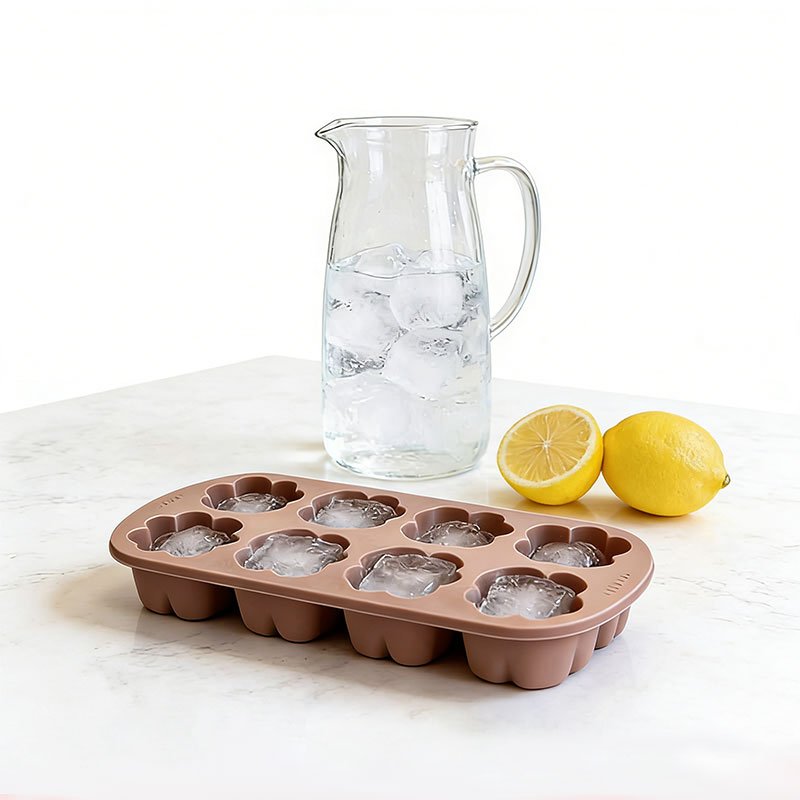
When it comes to non toxic kitchenware, silicone has emerged as a popular choice among home cooks and professional chefs. But is silicone non toxic and safe for everyday use? With concerns about harmful chemicals leaching into food, many people are wondering: is silicone non toxic?
At Silicone-xy , a leading custom silicone manufacturer with over 20 years of experience, we believe in radical transparency. We don’t just mold silicone; we engineer trust. In this comprehensive guide, we’ll dive deep into the world of silicone kitchenware, exploring its safety, benefits, and potential risks to help you make informed decisions for your kitchen.
What is Silicone?
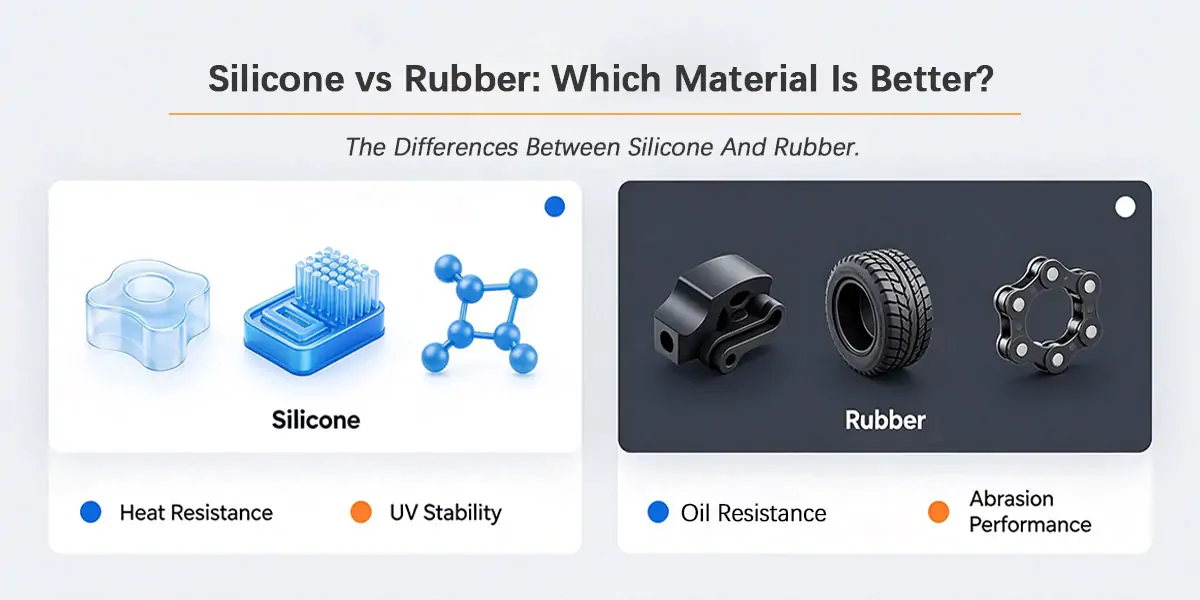
To understand its safety, we must first understand what silicone is. Contrary to popular belief, it is not plastic. Silicone is a synthetic polymer made from silica (sand), oxygen, carbon, and hydrogen. Its backbone is a chain of alternating silicon and oxygen atoms, which is much more stable and heat-resistant than the carbon-based chains found in plastics.
Unlike plastic, silicone is inert and doesn’t react with food or release harmful chemicals, making it a popular choice for kitchenware.
This unique chemical structure, known as siloxane (Si-O-Si), is what gives silicone its remarkable properties:
- High Thermal Stability: It remains stable from freezing temperatures up to 446°F (230°C) and beyond.
- Chemical Inertness: It generally does not react with food, beverages, or skin fluids.
- Hydrophobicity: It repels water, making it resistant to bacteria and mold growth.
The Verdict: Is silicone non toxic?
Are Silicone Products Safe? Is silicone non toxic? The short answer is yes, high-quality silicone is generally considered non toxic. However, not all silicone is created equal. The long answer is more nuanced. The safety of a silicone product depends entirely on its grade and manufacturing quality. It’s important to choose 100% food-grade silicone to ensure safety.
Pure, well-formulated silicone is widely regarded as one of the safest synthetic materials available. According to the National Institutes of Health (NIH), silicones exhibit “exceptional biocompatibility,” meaning they are not harmful to living tissue. They are physiologically inert, do not support bacterial growth, and do not cause allergic reactions.
Why Pure Silicone is Safe?
- No Chemical Leaching: Unlike some plastics that can leach endocrine disruptors like BPA or phthalates, high-purity silicone does not leach harmful chemicals into food, especially when heated.
- Heat Resistance: Because it withstands high temperatures, it doesn’t break down and release compounds when used in ovens, microwaves, or dishwashers.
- Hypoallergenic: Its non-porous surface resists moisture and bacteria, making it hypoallergenic and ideal for sensitive skin and baby care.
Are There Any Risks with Silicone?
While the material itself is safe, consumers should be aware of a few points raised by regulators:
- Volatile Compounds: Lower-quality silicones may release trace amounts of volatile substances, particularly during first use. This is why we recommend boiling new silicone items for 5 minutes or washing them with hot, soapy water before first use to ensure they are pristine.
- Mechanical Degradation: Over time and with extreme wear, silicone can tear or degrade. It is recommended to inspect your silicone products regularly and replace them if they become damaged.
- Storage: Store silicone in a dry, cool place away from direct sunlight and sharp objects to maintain its integrity.
The Problem with “Fake” Silicone: Fillers and Impurities
Here is where the “toxic” rumors about silicone often begin. To cut costs, some unscrupulous manufacturers mix pure silicone with industrial fillers. This results in an inferior product that can be unsafe.
Potential Risks of Low-Quality Silicone
- Chemical Leaching: Low-quality silicone may contain fillers or additives that can leach into food, especially when exposed to high temperatures.
- Odors and Stains: Inferior silicone may retain odors and stains from food, affecting the taste and appearance of your dishes.
- Degradation: Over time, low-quality silicone may degrade, releasing harmful particles into the air or food.
How to Spot Low-Quality Silicone:
- The Pinch Test: Pure silicone is naturally firm but flexible. If you pinch and twist a product and it turns white, it likely contains fillers. Pure silicone should maintain its color.
- The Smell Test: High-quality silicone is odorless. If a product has a strong chemical or “plastic” smell, do not buy it. Even after boiling or washing, low-grade silicone may emit volatile compounds.
- Transparency: While silicone can be any color, translucent or clear silicones are often harder to fill with cheap fillers. Opaque, bright colors can sometimes (but not always) hide impurities.
At Silicone-xy , we use 100% pure, food-grade silicone, ensuring zero fillers and zero by-products, guaranteeing a non toxic silicone product every time.
Addressing Specific Concerns: Heat, Storage, and Safety
Is Silicone Toxic When Heated? No. This is one of silicone’s greatest strengths. Unlike some plastics that can melt and leach chemicals into your food, food-grade silicone is stable up to at least 428°F (220°C). This makes it safe for use in ovens, microwaves, and boiling water. Always check the manufacturer’s guidelines, but pure silicone is designed to handle the heat.
Key Characteristics of Silicone
- Heat Resistance: Silicone can withstand temperatures from -40°F to 446°F (-40°C to 230°C), making it safe for use in ovens, microwaves, and dishwashers.
- Flexibility: Silicone is soft and flexible, making it ideal for baking mats, spatulas, and other kitchen tools that need to conform to different shapes.
- Durability: Silicone is resistant to scratches, stains, and odors, ensuring long-lasting use.
- Non-Stick Surface: Silicone has a natural non-stick surface, making it easy to clean and preventing food from sticking.
Safety Standards for Silicone
- FDA Approved: Look for silicone products that are FDA approved, which means they meet strict safety standards for food contact.
- LFGB Certified: LFGB is a German food safety standard that’s even stricter than the FDA. Products with this certification are guaranteed to be free from harmful chemicals.
- BPA and Phthalate Free: Ensure the silicone products you choose are free from BPA, phthalates, and other harmful chemicals.
Benefits of Silicone Kitchenware
Silicone kitchenware offers a number of benefits over traditional materials like plastic, metal, and glass.
- Heat Resistance: As mentioned earlier, silicone can withstand extreme temperatures, making it safe for use in a variety of cooking and baking applications. It won’t melt, warp, or release harmful chemicals when exposed to heat.
- Easy to Clean: Silicone has a non-stick surface that makes it easy to clean. Most silicone products are dishwasher-safe, and food residues can be easily wiped away with a damp cloth.
- Durability: Silicone is resistant to scratches, stains, and odors, ensuring long-lasting use. It won’t break or crack like glass or ceramic, making it a great choice for busy kitchens.
- Eco-Friendly: Silicone is a reusable material that can replace single-use plastics, reducing waste and helping to protect the environment. It’s also recyclable in some areas.
How to Choose Safe Silicone Kitchenware?
When shopping for silicone kitchenware, there are a few things to keep in mind to ensure you’re getting a safe and high-quality product.
- Look for Certifications: As mentioned earlier, look for silicone products that are FDA approved, LFGB certified, and free from BPA and phthalates.
- Check the Texture: High-quality silicone should feel smooth and silky to the touch. Avoid products that feel sticky, greasy, or have a strong odor.
- Read the Label: Always read the label carefully to ensure the product is made from 100% food-grade silicone. Avoid products that contain fillers or additives.
- Do Your Research: Before making a purchase, do some research on the brand and read reviews from other customers. This can help you avoid low-quality products and ensure you’re getting a safe and reliable product.
How to Care for Silicone Kitchenware?
Proper care can help extend the life of your silicone kitchenware and ensure it remains safe to use.
Hand Wash or Dishwasher Safe.
Most silicone products are dishwasher-safe, but hand washing can help extend their life. Use mild soap and warm water to clean silicone kitchenware, and avoid using abrasive cleaners or scrubbers that can damage the surface.
Avoid Extreme Temperatures.
While silicone is heat resistant, it’s best to avoid exposing it to extreme temperatures for extended periods of time. For example, don’t leave a silicone baking mat in the oven for hours on end.
Store Properly.
Store silicone kitchenware in a cool, dry place away from direct sunlight. Avoid folding or bending silicone products for long periods of time, as this can cause them to lose their shape.
Ready to Upgrade Your Kitchen with Safe Silicone Products?
Now that you know the answer to “is silicone non toxic,” it’s time to upgrade your kitchen with high-quality silicone kitchenware. At Silixone-xy, we offer a wide range of 100% food-grade silicone products that are safe, durable, and perfect for all your cooking and baking needs.
Custom our silicone kitchenware includes:
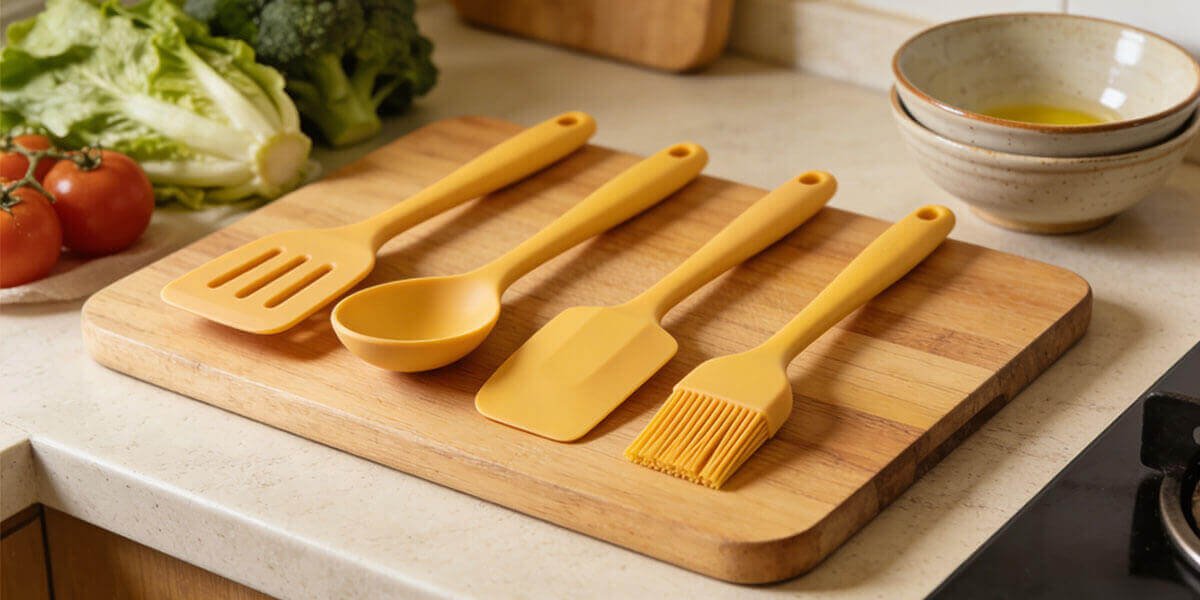
- Silicone Spatulas: Perfect for mixing, scraping, and flipping food.
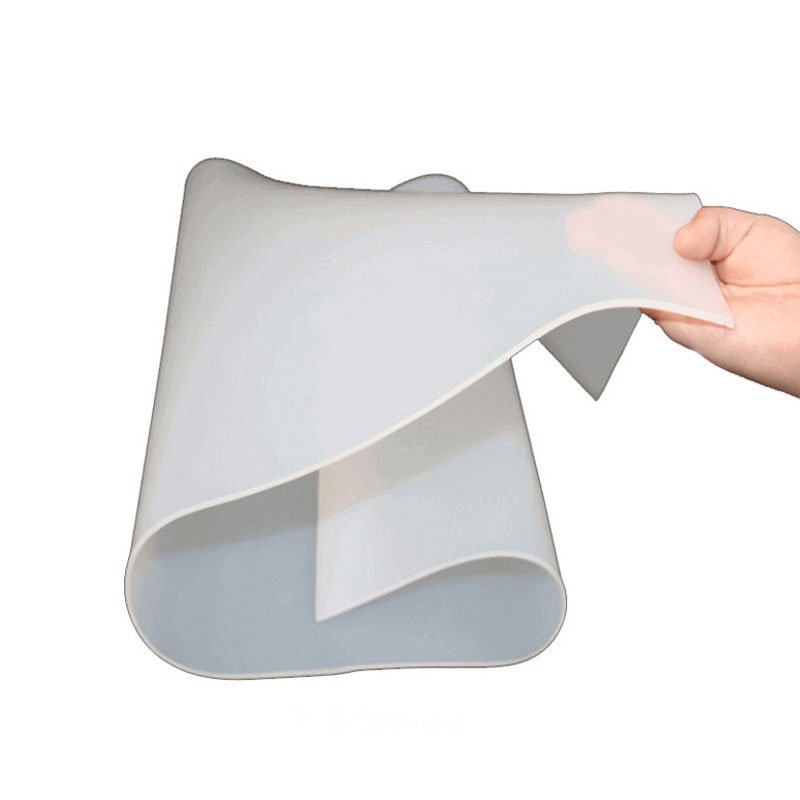
- Silicone Baking Mats: Non-stick mats that make baking easy and clean-up a breeze.
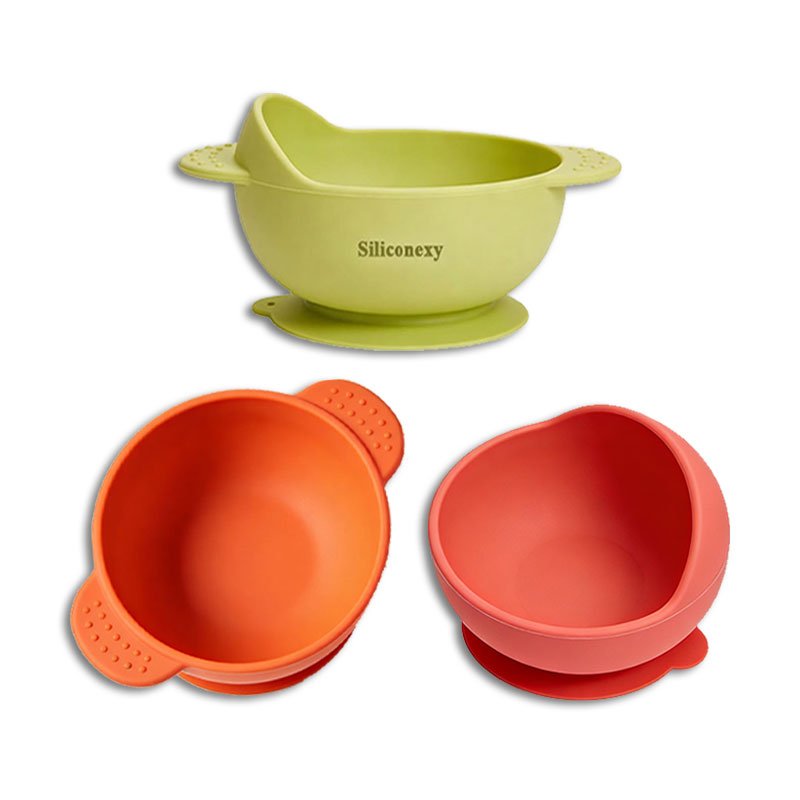
- Silicone Cookware: Including pots, pans, and baking dishes that are heat resistant and easy to clean.
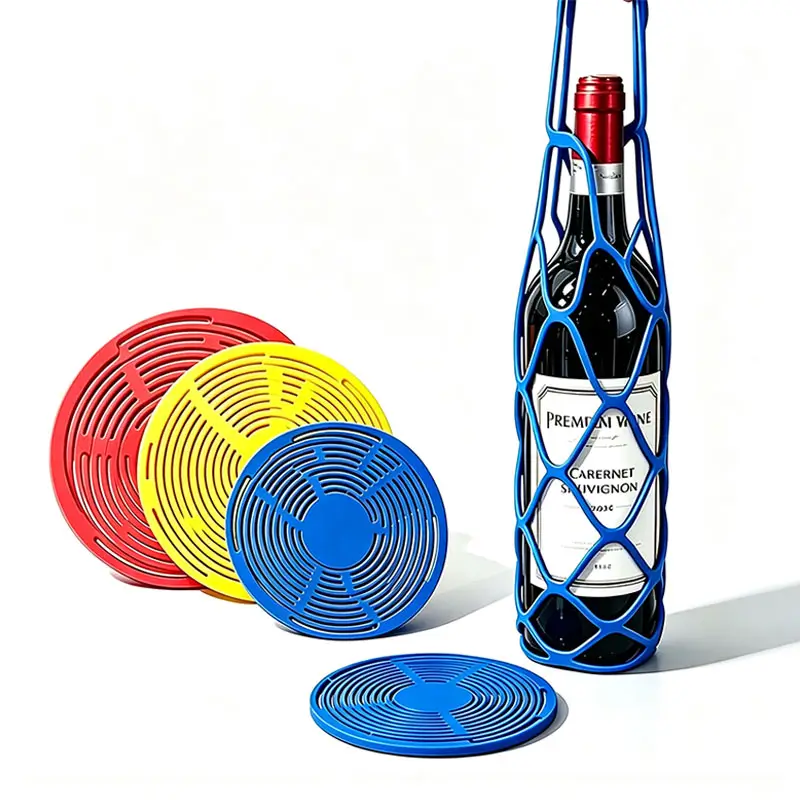
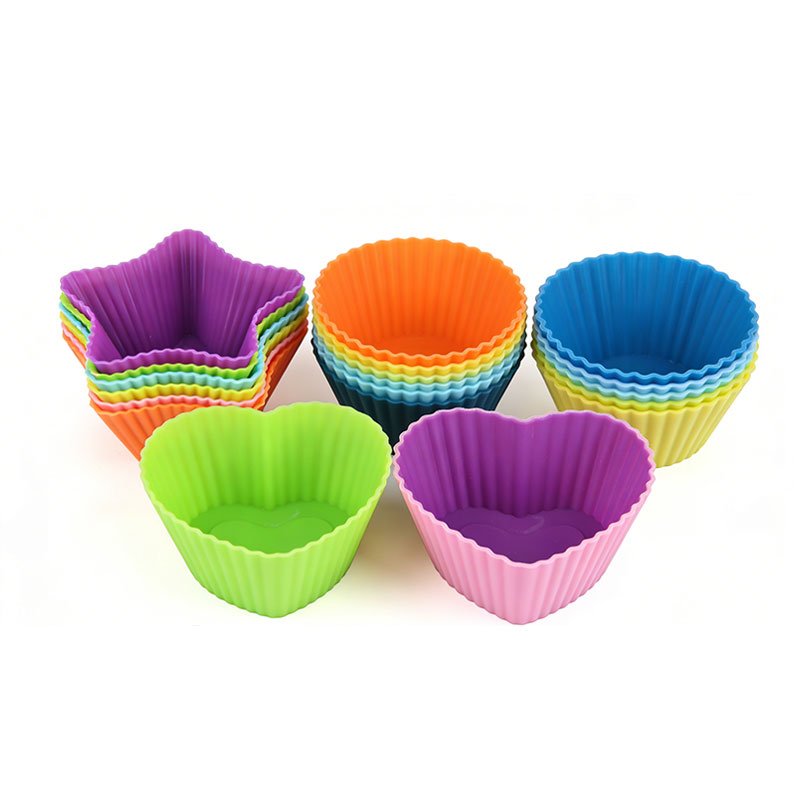
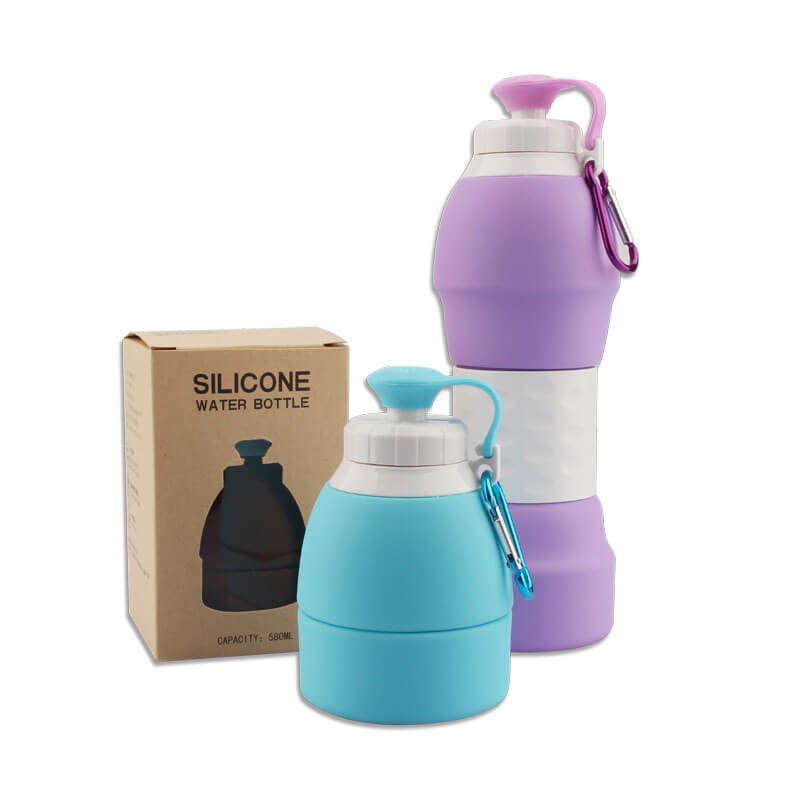
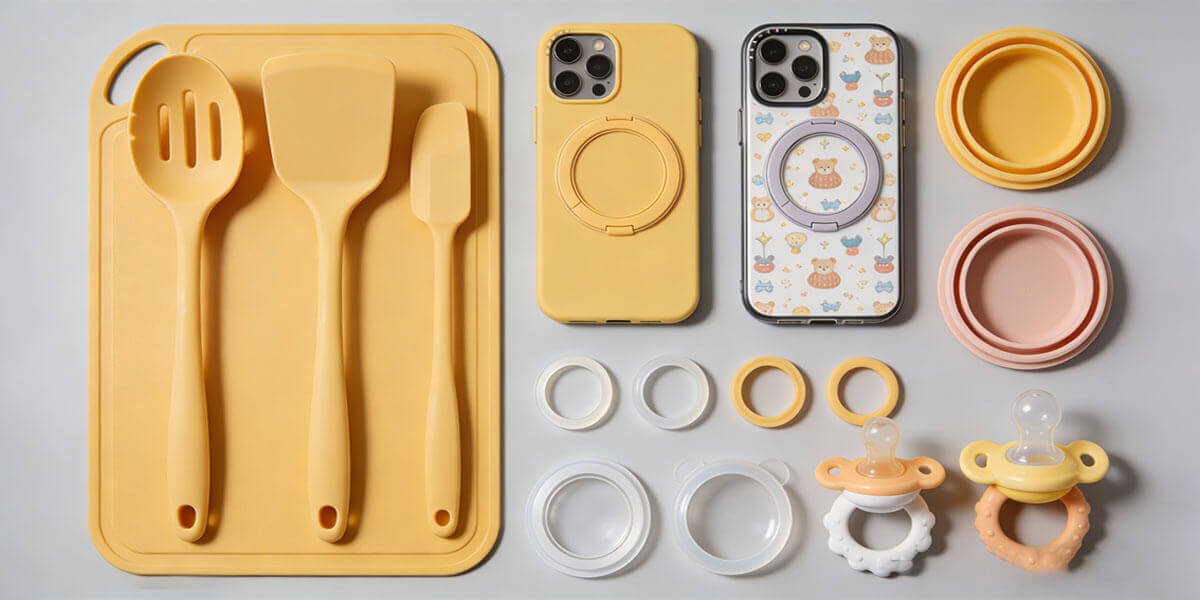
- Other Silicone Kitchen Tools: Like tongs, food storage bags, and collapsible cups that are durable and safe to use.
Silicone remains one of the most versatile, durable, and safe materials available for modern living. Whether you are a home baker looking for reliable non toxic kitchen utensils, a parent seeking safe silicone baby products, or a business owner wanting to buy bulk silicone products you can be proud of, understanding the grade and source of your silicone is key.
At Siliconexy, we are committed to providing safe, high-performance, custom silicone solutions. Have a project in mind? Contact us today to discuss how our expertise can bring your vision to life with the safety and quality you deserve.
Don’t compromise on safety when it comes to your kitchen. Upgrade to high-quality silicone kitchenware today and enjoy safe, healthy cooking for years to come!
Frequently Asked Questions:
- Q: Is silicone better than plastic?
A: From a safety and environmental standpoint, yes. High-quality silicone is more durable, heat-resistant, and chemically stable than plastic. It does not leach BPA or phthalates and often has a longer lifespan. - Q: Can silicone go in the dishwasher?
A: Yes. 100% pure silicone is dishwasher safe. The high heat and detergent will not harm the material. - Q: Is all “food grade” silicone the same?
A: No. While it must meet regulatory minimums, there is a difference in quality. Look for “platinum-cured” or “LFGB certified” silicone for the highest level of food safety. - Q: Does your company offer custom colors and shapes?
A: Yes, as a full-service custom manufacturer, we offer complete design and production services for all types of silicone products.