Silicone Cooking Products: Safety, Care and Maintenance Guide | Siliconexy
Silicone cooking products have become widely used in modern kitchens, from silicone baking mats and molds to silicone spatulas, silicone food storage containers, silicone ice cube trays, and heat-resistant kitchen accessories. They’re flexible, non-stick, heat-resistant, and safe for your non-stick pans. But the gap between a high-quality silicone spatula set and a cheap knockoff is enormous, and it directly affects your family’s safety and the lifespan of your tools.
However, for brands, wholesalers, and product developers, simply selecting a flexible material is far from sufficient to produce a successful silicone kitchen product. The product development process requires a comprehensive consideration of factors such as food-contact safety, temperature requirements, ease of cleaning, durability, material selection, and manufacturing quality control.
Featuring high temperature resistance, non-toxic properties, and long-lasting durability, silicone kitchen utensils, bakeware, and cooking accessories outperform traditional plastic, wood, and metal kitchen tools.
As a professional silicone kitchen product manufacturer, Siliconexy (Xinyin) delivers 100% food-grade silicone cookware that complies with international safety standards. This complete guide covers silicone cooking product daily usage tips and professional maintenance methods, helping users maximize product service life while enjoying safe, eco-friendly cooking experiences.
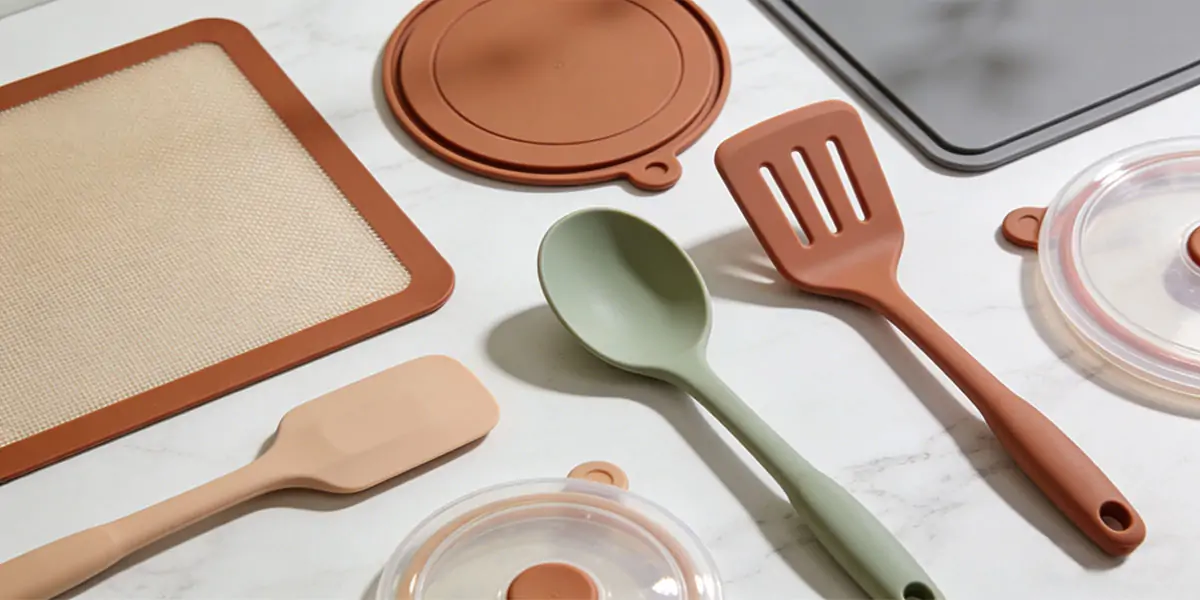
Are Silicone Cooking Products Safe?
The short answer is: food-contact silicone products can be designed and manufactured for safe food-contact applications when the material and finished product comply with the requirements applicable to their intended use. It is important not to treat every silicone product on the market as automatically food-safe.
Most customers prioritize safety when purchasing silicone cooking tools for everyday use, and high-quality food-grade silicone stands out with reliable safety certifications and stable physical and chemical properties. Unlike low-grade plastic kitchenware that releases harmful substances at high temperatures, certified silicone products are BPA-free, non-toxic, and odorless, with no chemical leaching during baking, boiling, steaming, or frying.
The two certifications that matter most:
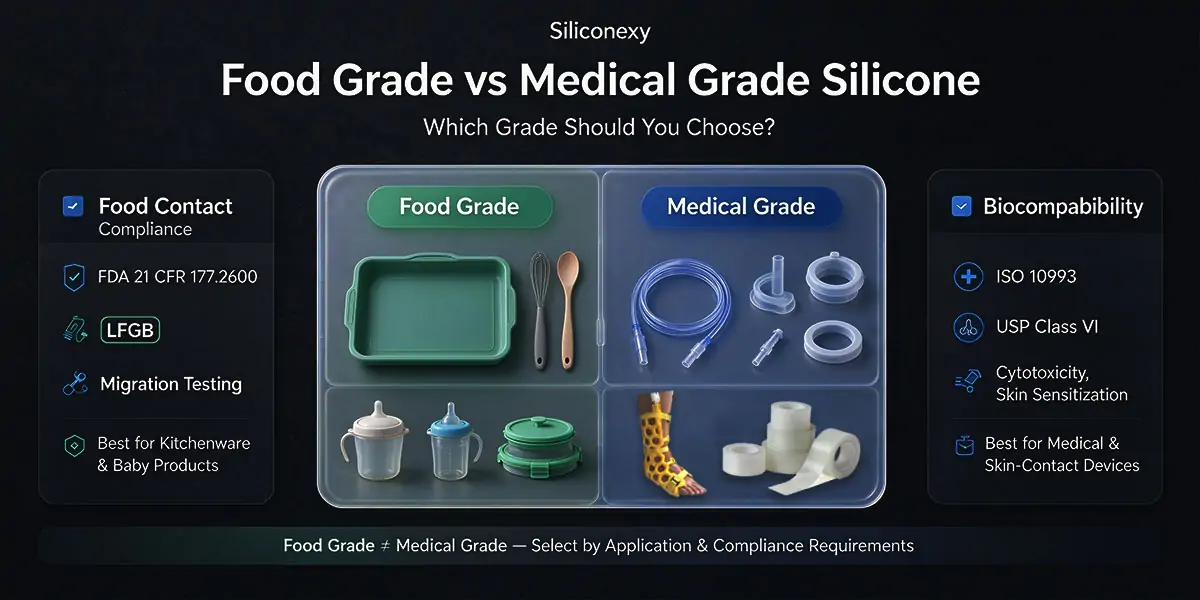
- FDA (U.S. Food and Drug Administration): Regulates food-contact materials under 21 CFR §177.2600. Food-grade silicone must withstand temperatures between –60°C and 230°C without deforming.
- LFGB (German Food and Feed Code): Considered the strictest food safety standard for silicone. LFGB-certified silicone undergoes more rigorous testing than FDA-only products, including sensory evaluation and migration testing. LFGB-approved silicone is widely regarded as higher quality.
When sourcing heat-resistant silicone spatula sets or any silicone cooking products, always request certification documentation for both standards. Reputable suppliers conduct batch testing for heat resistance, odor neutrality, and durability, with third-party certifications and traceable material sourcing.
Core Safety Advantages of Premium Silicone Cooking Products:
Premium silicone cooking products adopt platinum curing technology and meet FDA and LFGB food contact safety standards. They can withstand a wide temperature range from -40°C to 220°C (-40°F to 428°F), perfectly adapting to oven, microwave, steamer, and refrigerator use.
Heat Resistance:
Silicone products can be designed for applications involving elevated temperatures, but the actual temperature limit depends on the material formulation and product design.
High-temperature resistant silicone materials will not melt, deform, or produce peculiar smells, effectively avoiding food contamination risks. For families with infants and pregnant women, these safe non-toxic silicone kitchen products are the most reassuring kitchen essential.
Flexibility:
Silicone is flexible and can be molded into complex shapes. This makes it suitable for products such as:
- Silicone baking molds
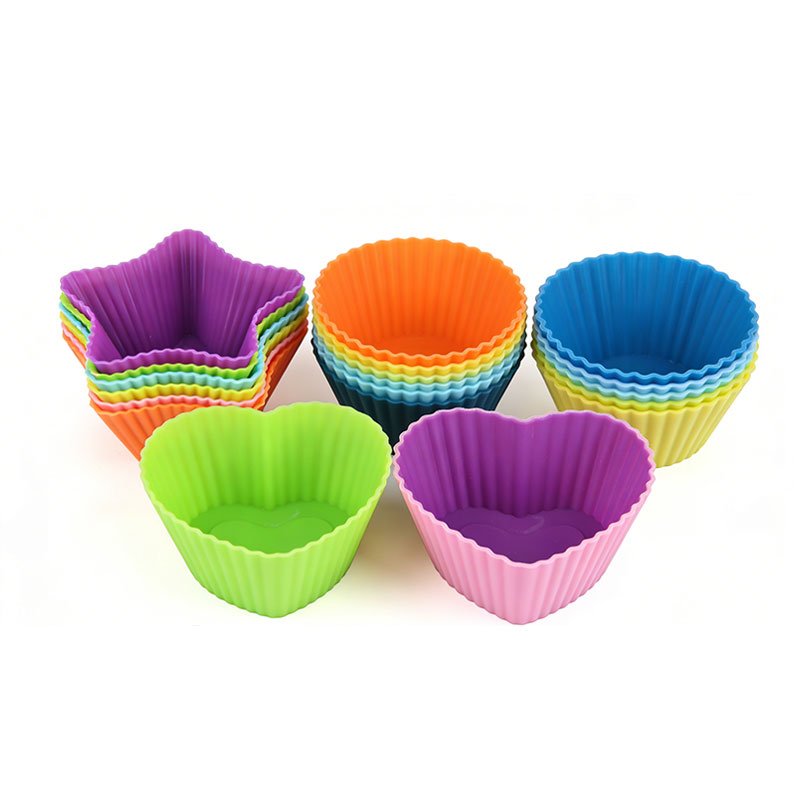
- Silicone baking cups
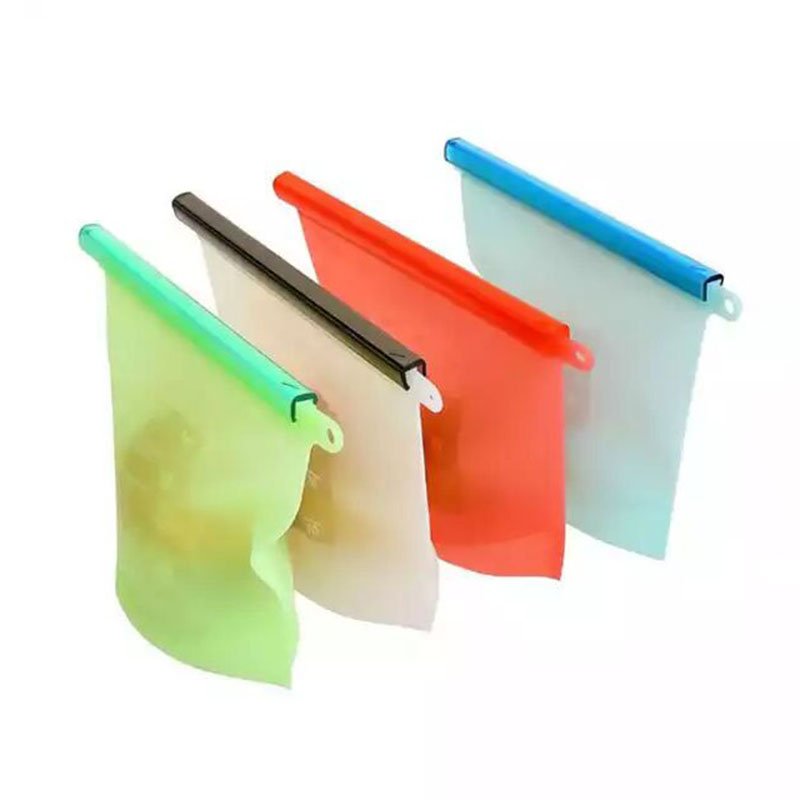
- Silicone food storage bags
- Silicone spatulas
- Silicone lids
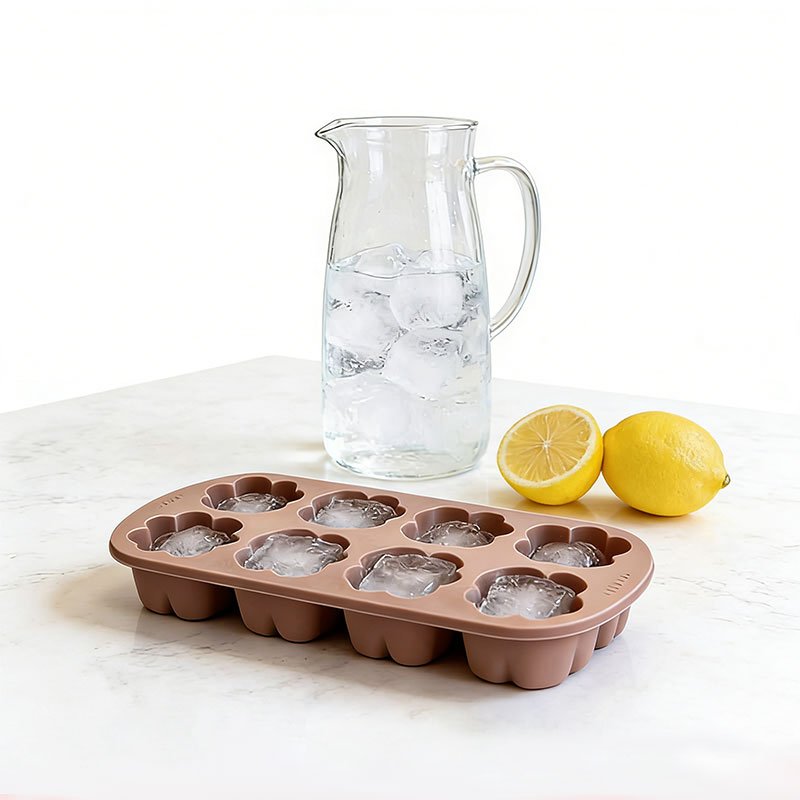
- Silicone ice cube trays
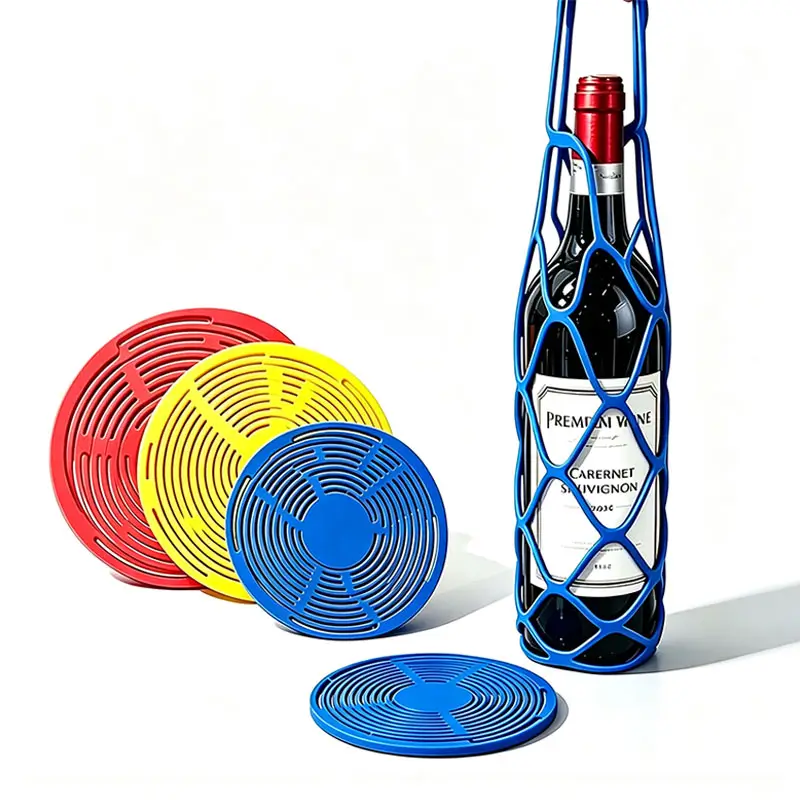
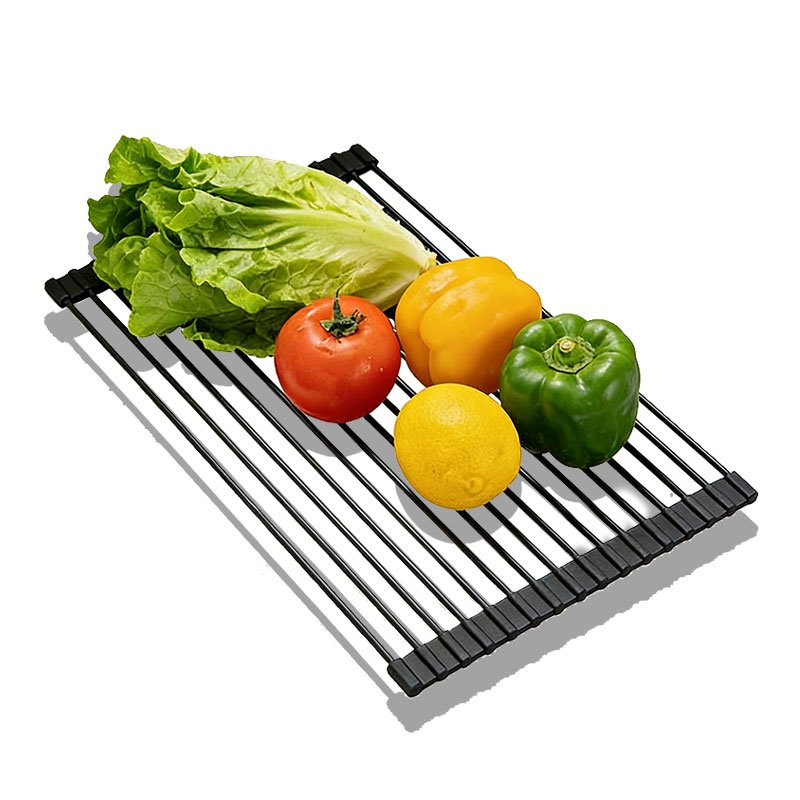
- Silicone kitchen mats
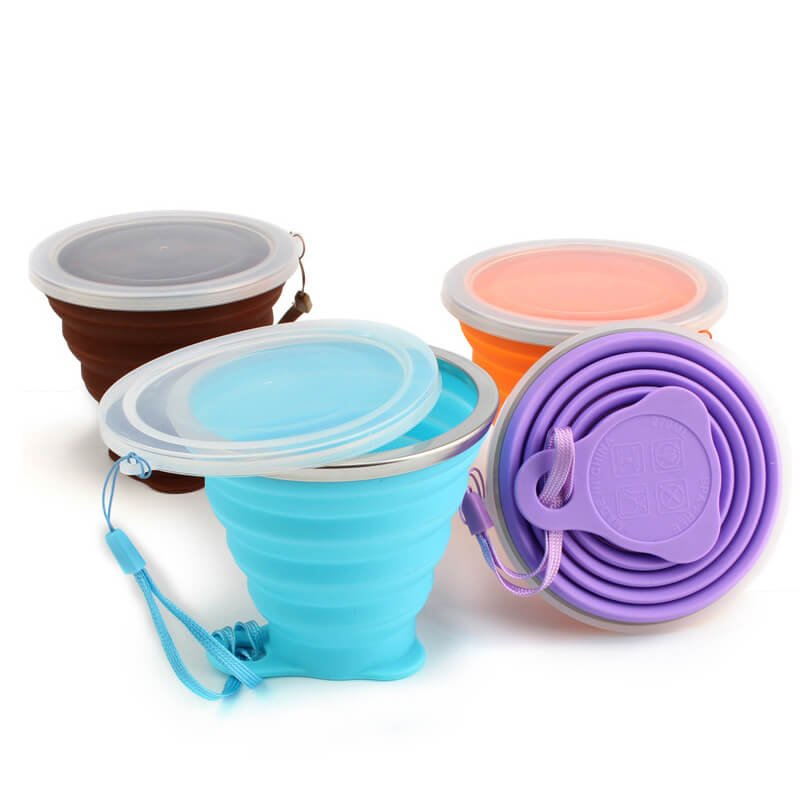
- Silicone collapsible containers
Easy Cleaning:
Many silicone kitchen products have smooth surfaces that make them relatively easy to clean.
However, cleaning performance depends on the product design, surface texture, food residues, and material formulation.
A well-designed silicone product should minimize unnecessary grooves, sharp transitions, and difficult-to-clean areas where food residue could accumulate.
Reusable Design:
Silicone kitchenware can be designed for repeated use, which is one reason it is widely used in reusable food storage and cooking products.
In addition, premium silicone has excellent oxidation resistance and will not age or deteriorate easily after long-term high-temperature use.
For brands developing reusable silicone products, durability should be considered together with the expected cleaning method, temperature exposure, mechanical stress, and product lifespan.
Compared with ordinary silicone products on the market that are prone to discoloration and stickiness, Siliconexy‘s food-grade silicone materials ensure stable safety performance for long-term repeated use.
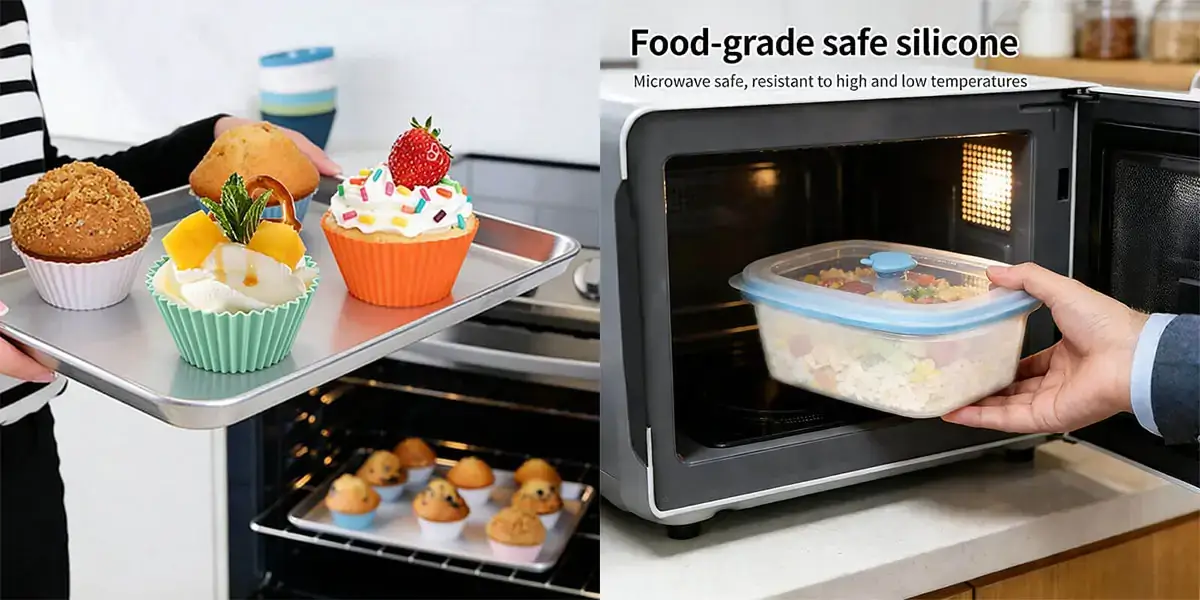
What Is Food-Grade Silicone?
Food-grade silicone generally refers to silicone material formulated and manufactured for applications where contact with food is intended and where the applicable safety requirements are met.
For OEM silicone kitchen products, material selection should consider:
- Intended food-contact application
- Temperature and time of use
- Food types that may contact the product
- Silicone formulation
- Colorants and additives
- Migration testing requirements
- Target-market regulations
The EU’s food-contact framework emphasizes that the safety assessment of food-contact materials depends on their intended or reasonably foreseeable conditions of use.
This is particularly important for custom products because a silicone formula suitable for one application should not automatically be assumed suitable for every other application.
Standard Usage Tips for Silicone Cooking Utensils & Bakeware
Although durable high temperature resistant silicone cookware has strong adaptability, standardized usage can effectively extend its service life and maintain cooking safety.
- First-time use processing is crucial: clean all new silicone cooking products with warm soapy water, then rinse thoroughly and air dry to remove residual manufacturing dust and surface impurities.
- During daily cooking and baking: avoid direct contact with open flames or high-power heating elements. Although silicone is heat-resistant, long-term direct flame exposure will cause local material aging and damage.
- For flexible silicone bakeware such as cake molds and baking trays: place them on a fixed metal baking sheet before filling with batter or food to avoid spillage and scalding risks caused by soft deformation.
Meanwhile, strictly follow the temperature limit of silicone products. Do not exceed the maximum heat resistance temperature during high-temperature baking and steaming, so as to prevent material performance attenuation.
Temperature Guidelines
| Use Case | Safe Temperature Range |
|---|---|
| Oven / Microwave | Up to 230°C (446°F) |
| Freezer | Down to –40°C (–40°F) |
| Direct stovetop flame | Never — keep away |
While silicone can withstand extreme temperatures, it has one weakness: direct contact with hot surfaces. If it touches a stovetop, broiler, or open flame, the material degrades and loses its shape. When using silicone in the oven, maintain a 5–10 cm distance from heating elements.
How to Clean Silicone Cooking Products?
Reasonable cleaning and maintenance are key to keeping silicone cooking products clean, hygienic, and long-lasting. Silicone kitchenware features easy-to-clean dishwasher safe design, supporting both hand washing and top-rack dishwasher cleaning.
Before First Use:
Always wash new silicone products thoroughly before using them. Manufacturing residue (including a faint powdery film) can cling to the surface and contaminate food. Soaking in white distilled vinegar for 30 minutes or a baking soda bath for one hour removes this residue effectively.
Warm water and a suitable dishwashing detergent are generally sufficient for routine cleaning, provided the product’s own care instructions do not specify otherwise.
Daily Cleaning:
For daily light dirt, wipe with a soft sponge and mild soapy water, then rinse and air dry completely. Remove food residues as soon as reasonably practical after use. Warm water and a suitable dishwashing detergent are generally sufficient for routine cleaning, provided the product’s own care instructions do not specify otherwise.
Hand washing:
Use warm water, mild detergent, and a soft sponge. Never use steel wool, copper sponges, or coarse-bristle brushes, as these scratch the silicone surface.
Dishwasher:
Place silicone tools on the top rack. Use unscented detergent to avoid the soapy-taste problem. Use a dishwasher only when the product is designed for it. Some silicone kitchen products are dishwasher-safe, but buyers should follow the manufacturer’s instructions for the specific product.
For OEM projects, dishwasher compatibility should be treated as a product specification that needs to be validated, rather than an automatic property of all silicone products.
Pay Attention to Greasy Foods:
Silicone products can come into contact with oils, sauces, and strongly flavored foods. If a product retains an odor or oily residue, thorough washing with an appropriate dish detergent can help remove surface residues.
For stubborn grease and residual food stains, avoid abrasive scrubbers, steel wool, and strong corrosive cleaners. These tools will scratch the silicone surface, form tiny cracks, and hide bacteria. The optimal cleaning method is to soak the products in warm water mixed with baking soda for 15-20 minutes, then wipe gently to remove dirt efficiently.
Long-term use of silicone products may absorb residual odors of garlic, spices, and food. To remove peculiar smells, use a white vinegar and warm water mixed solution for 30-minute soaking treatment, which can effectively decompose odor molecules and restore the fresh state of silicone materials.
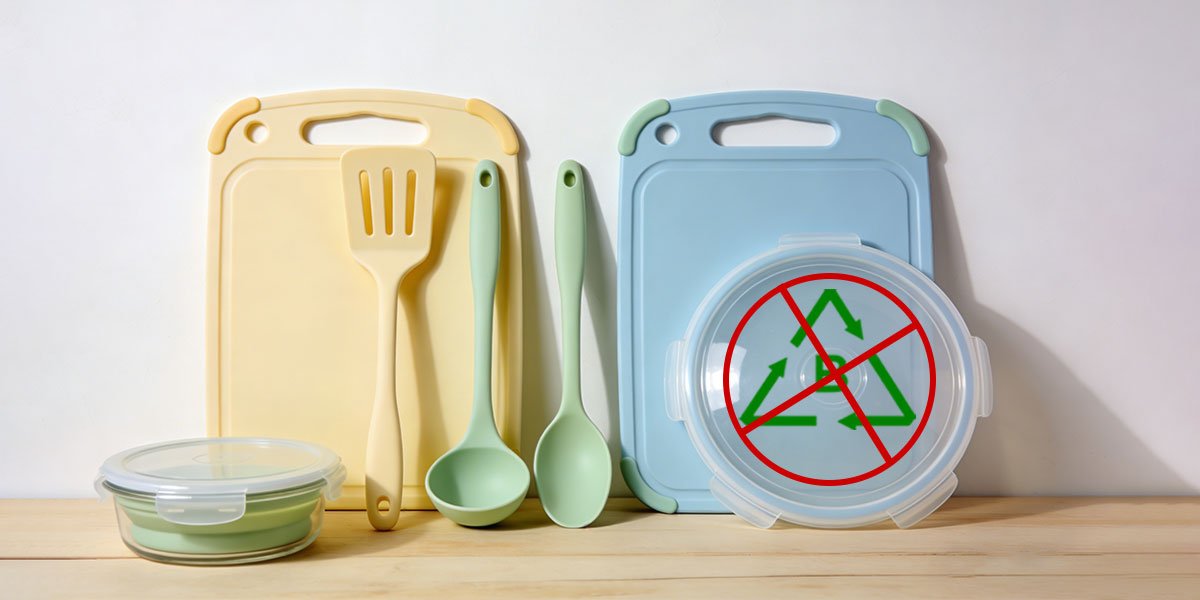
How to Maintain Silicone Kitchen Products?
Good maintenance is not simply about cleaning. Proper maintenance is the single biggest factor in product longevity. Follow these silicone kitchenware care tips:
Drying:
Always dry silicone completely after washing to prevent water spots and mold growth. If your utensils have hanging holes, hang them to accelerate drying.
Storage:
Proper storage can prevent deformation and damage of reusable silicone cooking products.
- Keep away from sharp knives during storage. Keep them away from sharp knives and hard tools to prevent surface scratches and cracks.
- Store flat or hang. Hanging storage is ideal for spatulas and spoons.
- Do not stack heavy hard objects on the silicone products for a long time to avoid permanent indentation and deformation.
- Store silicone utensils in a clean, well-ventilated location away from direct sunlight and high heat.
- Avoid cramped drawers where tools can become deformed.
When to Replace:
Even high-quality silicone products have a service life. Regularly inspect the surface of silicone cooking tools during daily use. Once obvious aging signs such as surface stickiness, discoloration, cracks, and elasticity attenuation appear, replace them in a timely manner to ensure cooking hygiene and safety.
Even premium silicone eventually wears out. Replace your silicone spatula set if you notice:
- Surface tackiness that won’t wash off
- Cracks or splits near the handle joint
- Persistent odor after thorough cleaning
- Cuts or tears
- Permanent deformation
- Surface damage
- Cracks
- Severe discoloration
- Areas that can no longer be cleaned effectively
If a food-contact product becomes visibly damaged or deteriorated, it should be evaluated according to the manufacturer’s replacement guidance.
Why Silicone Absorbs Smells?
If your silicone spatula tastes like last week’s garlic or your baking mold smells like dish soap, you’re not imagining things. Silicone absorbs oils, odors, and flavors, especially when high heat makes the material expand. This is one of the most common complaints about silicone kitchen utensils.
The root cause comes down to curing method:
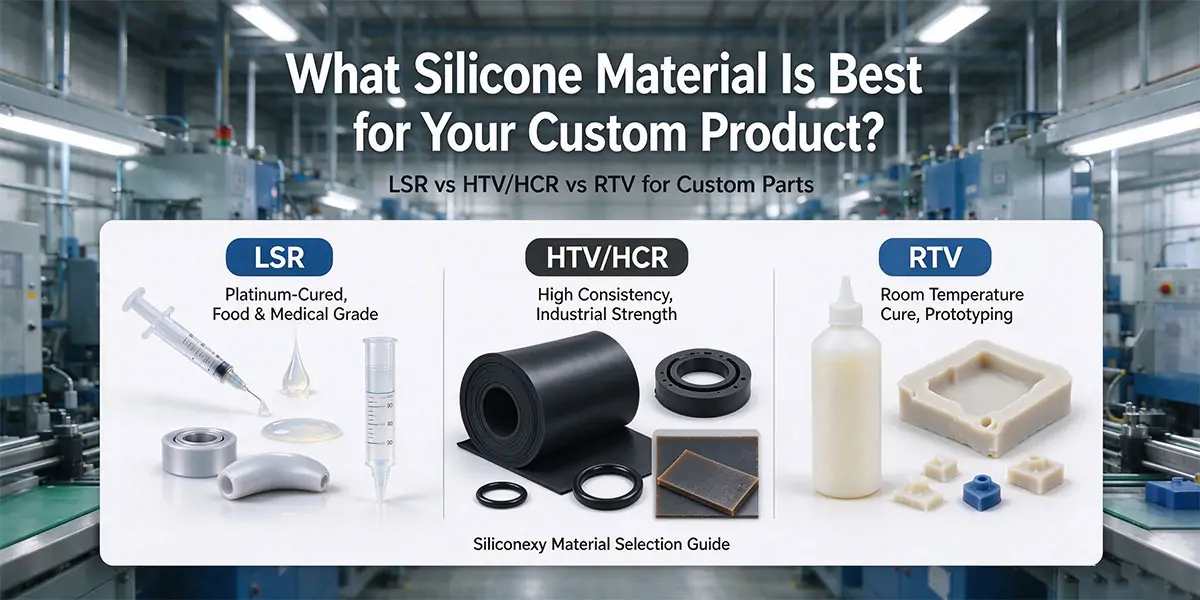
- Platinum-cured silicone: Uses platinum as a catalyst during manufacturing. This produces a denser, more inert material that resists odor absorption. It’s the same type of silicone used in medical devices like menstrual cups and feeding tubes.
- Peroxide-cured silicone: Uses peroxide instead of platinum. It’s cheaper to produce but has a more porous microscopic surface, making it more prone to trapping oil residue and soapy smells.
Pro tip: When buying BPA-free kitchen utensils, look for “platinum-cured” or “platinum silicone” on the label.
How to Remove Odors from Silicone Cookware?
Even the best silicone can develop lingering smells over time. Here are three proven methods:
- White Vinegar Soak. Submerge your silicone in a 1:1 water and white vinegar solution for at least one hour (up to four hours for stubborn odors). Rinse thoroughly with hot water afterward.
- Baking Soda Paste. Mix baking soda with hot water to form a thick paste. Apply it to the surface of your silicone bakeware or utensils and let it sit for 30 minutes. Rinse with hot water and dry completely.
- Oven Bake-Off. For dishwasher-safe, oven-safe silicone only: preheat your oven to 250–300°F (120–150°C). Place cleaned silicone tools on a baking sheet and bake for 30 minutes. This evaporates trapped oils and odors.
Final Thoughts
Food-grade silicone cooking products are safe, eco-friendly, durable, and easy to maintain, becoming an indispensable healthy kitchen choice for modern families and catering industries.
Mastering scientific usage, cleaning, and maintenance methods can fully release the performance advantages of silicone kitchenware and extend its service life.
Ready to Source Premium Silicone Cookware for Your Brand? For high-quality, safe, and customizablesilicone cooking products wholesale, Siliconexy (Xinyin) is your most reliable factory partner.
Siliconexy provides OEM/ODM custom silicone manufacturing from product design and prototyping to mold development, mass production, quality inspection, and packaging. If you are developing a new silicone cooking product, silicone bakeware, silicone food storage product, or custom silicone kitchenware, send us your drawings, samples, or product requirements for evaluation.