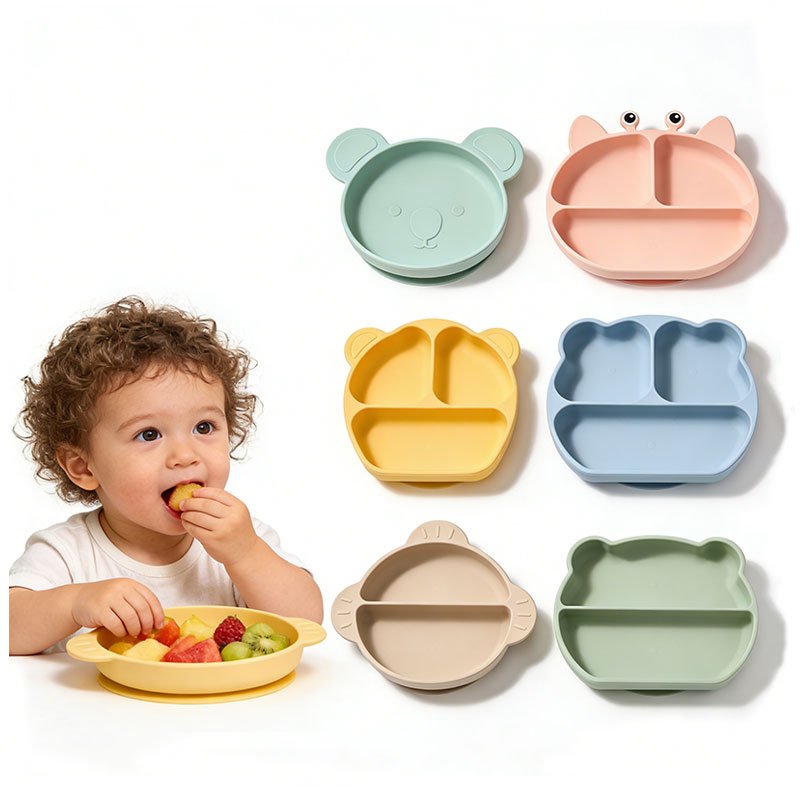
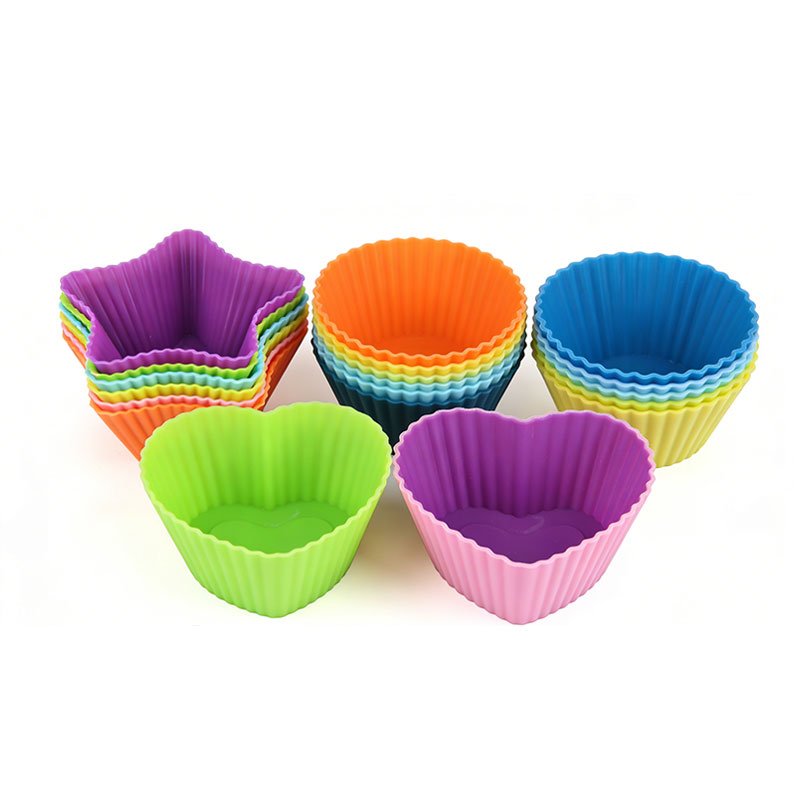
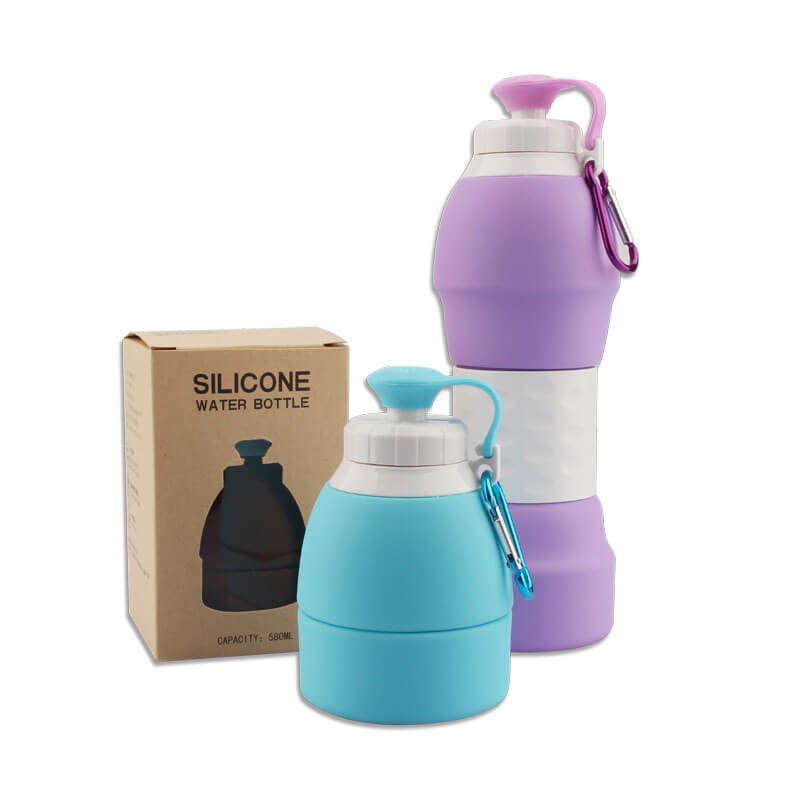
If you have ever ordered custom silicone products for your brand, you may have noticed a frustrating reality: the color of your pre-production sample doesn’t exactly match the color of the final mass-produced batch. You are not alone.
You approved the sample. It matched your Pantone reference perfectly. Then the mass production shipment arrived and the color looks noticeably different. Lighter, maybe. Or slightly more yellow. Perhaps the entire batch has a subtle shift you cannot quite articulate, but you know it is not the same.
This is one of the most common quality disputes in custom silicone product manufacturing. It is also one of the most misunderstood. This does not automatically mean that the manufacturer used the wrong pigment or failed to follow the approved formula. Silicone color consistency depends on several interconnected factors, including the silicone base material, pigment concentration, dispersion, product thickness, surface finish, molding conditions, curing conditions, and inspection environment.
Especially those sourcing silicone kitchenware, baby products, medical-grade silicone components, or branded silicone accessories. So, why does silicone have color variation? Why does silicone color vary between samples and production batches?
For OEM and ODM silicone manufacturing, understanding these factors helps buyers establish realistic color requirements and reduce unexpected color variation during mass production. This guide explains exactly why these differences occur and what a capable silicone product manufacturer should do to minimize them.
Key Causes of Silicone Color Difference Between Samples and Production Batches
A silicone color is not determined by pigment alone. The final appearance is the result of the interaction between the colorant, silicone material, product structure, manufacturing process, and viewing conditions.
Here are the most common causes of silicone color variation between samples and production batches.
1. Raw Material Batch-to-Batch Differences
Silicone base material is not a perfectly uniform commodity. Different lots of raw silicone can vary in transparency, filler content, and base hue. Slight variations in filler content, silica composition, and material reactivity will change the base tone of silicone products, directly affecting the final coloring effect. These differences may be invisible in the uncured state but become apparent once pigment is added and the material is cured.
Even when the same supplier is used, no two raw material lots are chemically identical. This is standard across the global silicone supply chain. Therefore, using the same pigment formula does not necessarily guarantee exactly the same visual result if the underlying silicone material changes.
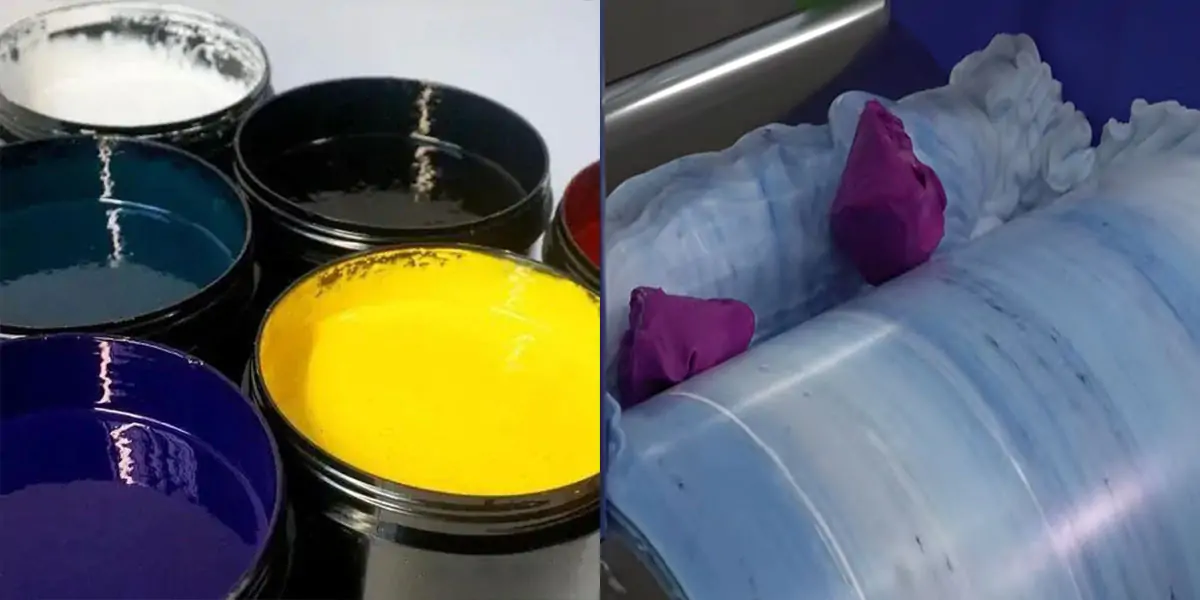
Additionally, different batches of silicone color masterbatch and pigment paste have minor differences in particle size and color strength, which accumulate into visible shade gaps between hand-made samples and mass-produced products. Most laboratory samples use fixed single-batch raw materials, while mass production requires continuous material replacement, resulting in inevitable base color deviations without strict calibration.
2. Pigment Concentration and Uneven Dispersion
Accurate pigment proportioning is the core of silicone color control. For light colors and low-saturation silicone shades, even tiny weighing errors can lead to obvious color differences. In manual sample making, technicians can fine-tune pigment ratios precisely, while high-volume mass production relies on mechanical batching, where minor parameter deviations accumulate in long-term operation.
Moreover, incomplete pigment dispersion during mixing easily causes color streaks, local dark spots, and color clouding. Non-silicone-specific pigments also have poor compatibility with silicone polymers, triggering pigment agglomeration and uneven coloring in bulk production.
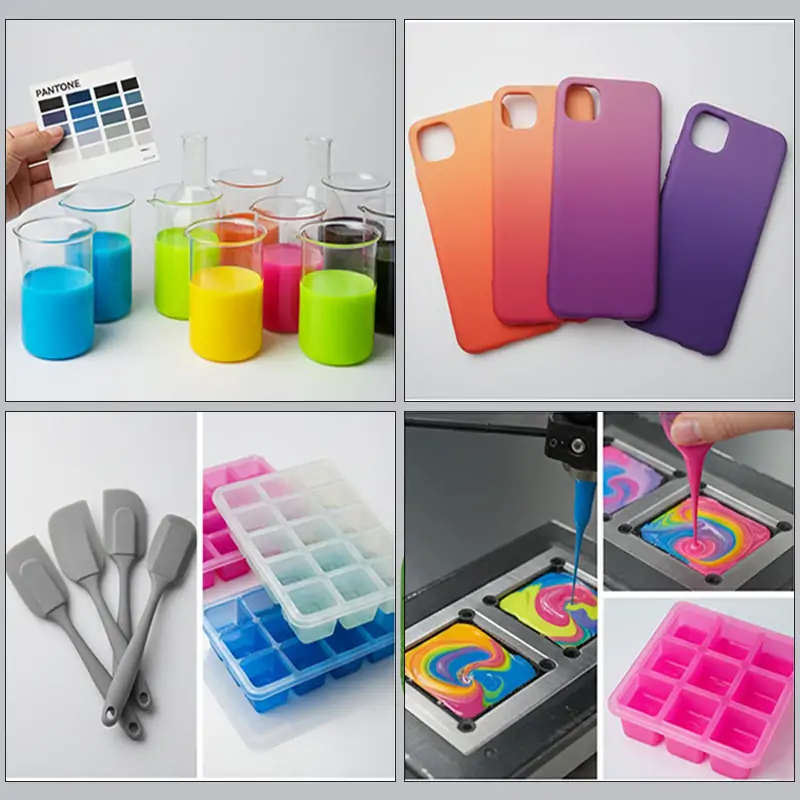
Color masterbatches (or pigment pastes) are added to the base silicone to achieve custom colors, such as Pantone-matched branding colors. However:
- Manual color mixing in small sample quantities is hard to replicate at 1000+ unit production scale.
- Pigment particle size and dispersion uniformity differ between lab mixing and industrial mixing.
- Pantone color references are designed for print and plastic, not translucent or opaque silicone.
This is why Pantone color matching for silicone is inherently an approximation process, and most professional manufacturers communicate a tolerable color deviation range (typically ΔE ≤ 1.5–2.0) to clients.
3. Product Thickness Can Change Color Appearance
Color appearance on silicone is directly influenced by wall thickness. Thinner sections appear lighter; thicker sections appear deeper and more saturated. If your approved sample was a flat color plaque but your production part is a complex 3D shape with varying wall thickness, some color difference is possible.
For example, a thin silicone section may allow more light to pass through, while a thicker section can appear darker, deeper, or more opaque. This means that a color sample made from one geometry may not look exactly the same on a production product with different wall thicknesses.
For custom silicone molding, color evaluation should therefore consider the actual product structure and thickness whenever appearance is critical.
4. Molding and Curing Conditions Can Influence the Final Appearance
Silicone products are formed and cured under controlled processing conditions. Changes in molding temperature, curing time, or other production parameters can affect the final appearance of certain silicone formulations.
Silicone undergoes a high-temperature vulcanization process that can chemically alter the pigment. Research has demonstrated that vulcanization at elevated temperatures causes silicone elastomers to lighten and yellow, even when cured in a stainless steel mold.
If the sample was cured under slightly different temperature or time conditions than the production batch, the color will shift accordingly. Over-curing tends to darken or yellow the material; under-curing may leave the color looking washed out.
| Factor | Impact on Color |
|---|---|
| Curing temperature | Higher temps may yellow or darken the shade |
| Curing time | Over-curing can cause color shift |
| Mold temperature | Inconsistent mold temps = inconsistent shades |
| Humidity in the workshop | Affects platinum-cure silicone (especially in LSR) |
A sample made on a small lab press and a batch made on a full production compression molding machine will almost never be cured under identical thermal conditions.
5. Surface Finish Changes How Color Is Perceived
Color is also affected by the way light reflects from the silicone surface. A smooth glossy surface, matte surface, textured surface, and frosted surface can make the same underlying color appear different.
This is why comparing a color chip with a molded product under different surface conditions may produce misleading results.
The mold material (steel, aluminum, or polished vs. textured) interacts with the silicone surface in different ways:
- A polished steel mold produces a glossier, sometimes lighter finish
- Textured or sandblasted molds create micro-surface shadows that darken perceived color
- Over time, mold wear and residue buildup shift the color output
If your pre-production sample was made in a freshly polished mold, but your mass production uses a different mold or a worn one, color shift is inevitable.
6. Equipment Residue and Environmental Interference
Production equipment residual pollution is easily overlooked but highly influential. Residual cured silicone debris and leftover pigments from previous production batches may mix into new materials, causing subtle color contamination.
Meanwhile, storage and production environment temperature and humidity changes affect silicone material stability and pigment activity. Unstandardized material storage will lead to pigment precipitation and masterbatch aging, further worsening batch color inconsistency.
7. Measurement and Lighting Conditions
Color is not an absolute property. It is a perception shaped by the light source, the background, and the viewing angle. A silicone product can appear different under daylight, LED lighting, showroom lighting, or other light sources. A color that looks correct under D65 daylight may appear warmer under office fluorescent lighting or cooler under LED.
This is why professional color evaluation must be conducted under controlled, standardized lighting conditions, not on a warehouse floor or next to a window. For this reason, color comparison should use controlled and repeatable viewing or measurement conditions when color accuracy is commercially important.
Does Silicone Production Need to Have 100% Identical Color?
In practical manufacturing, the objective is normally controlled and repeatable color within an agreed tolerance, rather than promising absolute zero variation.
Small differences can result from raw-material variation, pigment dispersion, product geometry, surface finish, molding conditions, curing conditions, and measurement conditions.
For OEM projects, buyers and manufacturers should therefore agree on the color standard and acceptable tolerance before mass production.
Depending on the project, color evaluation can involve visual comparison or instrumental measurement such as spectrophotometric color measurement and ΔE evaluation.
The appropriate tolerance should be determined according to the product, application, visual requirements, and customer’s quality specification rather than applying one universal number to every silicone product.
How Can a Silicone Manufacturer Reduce Batch-to-Batch Color Variation?
A reliable silicone color consistency process should control the entire production chain rather than focusing only on the pigment. A typical approach includes:
Establish a Clear Color Standard
The buyer can provide:
- Pantone reference
- RAL reference
- Physical color sample
- Existing product sample
- Approved production sample
- Brand color specification
Pantone or RAL references are useful targets, but they should not be interpreted as universal silicone pigment formulas. The final color still needs to be evaluated in the actual silicone material and product structure.
Confirm the Silicone Material
The silicone grade, base material, transparency, hardness, and manufacturing process should be confirmed before final color approval. For example, LSR and HCR silicone use different processing systems, so the coloring system needs to be compatible with the selected silicone material.
Record the Approved Color Formulation
For repeat production, the manufacturer should maintain production records for the approved color formulation and relevant material information. This provides a consistent reference for future orders instead of recreating the color through visual estimation.
Use a Physical Approved Sample
A physical approved sample provides a practical reference for production and quality inspection. For long-term OEM projects, retaining an approved reference sample can help both the buyer and manufacturer evaluate future production batches more consistently.
Control Pigment Dispersion
The colorant must be adequately dispersed throughout the silicone compound. Consistent mixing and compatible colorant systems help reduce visible streaks, spots, and uneven coloration.
Control Molding and Curing Conditions
Production parameters should be maintained within the appropriate process range for the selected silicone material and product. This helps reduce unnecessary variation between the approved sample and subsequent production batches.
Define the Color Tolerance Before Mass Production
Instead of discussing color differences only after production, buyers and manufacturers should establish the acceptance criteria in advance. For projects where brand color consistency is particularly important, instrumental color measurement and ΔE specifications may be considered.
What Should Buyers Tell a Silicone Factory About Color Requirements?
When requesting a quote for custom silicone products, providing detailed color information at the beginning can make the development process more efficient.
A useful color specification may include:
- Color reference: Pantone, RAL, or physical sample
- Material: LSR, HCR/HTV, or other specified silicone system
- Product structure: Dimensions and relevant wall thickness
- Surface finish: Glossy, matte, textured, frosted, etc.
- Color requirement: Solid, translucent, gradient, multi-color, or other effect
- Production requirement: New product or repeat production
- Color tolerance: Customer-defined acceptance range where applicable
- Reference sample: Approved physical sample for future production
The more complete the specification, the easier it is for the manufacturer to evaluate potential color variation before mass production.
Your Procurement Checklist
When sourcing custom silicone products, these are the practical steps that protect your brand color:
- Approve a molded sample, not a digital file or a plastic color chip. Insist on the actual material, thickness, and finish.
- Define your acceptable ΔE tolerance in the purchase specification. For most consumer products, ΔE ≤ 1.5 is a reasonable threshold; for brand-critical applications, specify ΔE ≤ 1.0.
- Specify the measurement conditions (light source (D65), observer angle, and instrument type) so that both parties evaluate color under the same conditions.
- Retain a signed golden sample and ensure it is stored under conditions that prevent yellowing or contamination.
Request batch color records from your supplier. A manufacturer who cannot provide spectrophotometric data for each batch is not controlling color.
Conclusion
Silicone color variation between sample and production is not a defect. Silicone color variation can result from multiple factors working together, including the silicone base material, pigment concentration, pigment dispersion, product thickness, surface finish, molding conditions, curing conditions, and lighting or measurement conditions.
What separates a reliable silicone manufacturer from an unreliable one is not the absence of variation. It is the systematic control of variation within defined, measurable limits.
For OEM and ODM projects, the most effective approach is to treat color as part of the manufacturing specification. A clear color reference, controlled formulation, physical sample approval, documented production parameters, and appropriate color inspection can significantly improve silicone color consistency from prototype to mass production.
If you are developing a custom silicone product and need Pantone color matching, custom silicone color development, batch-to-batch color consistency, or OEM/ODM silicone product manufacturing, Siliconexy (Xinyin) can evaluate your product requirements and manufacturing conditions.
Send us your product drawing, physical sample, Pantone reference, or color specification to discuss your custom silicone manufacturing project.