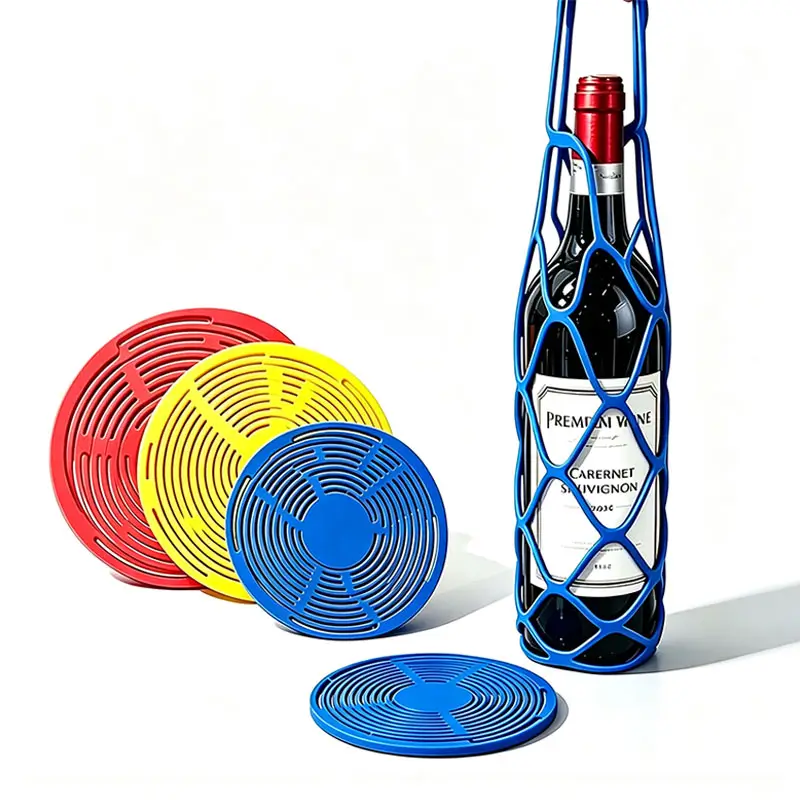
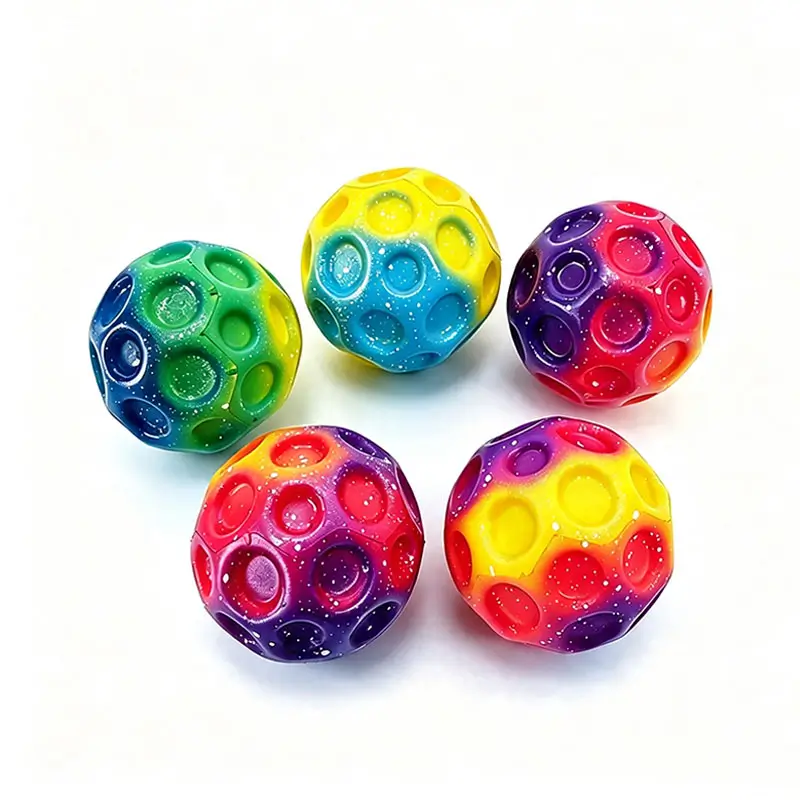
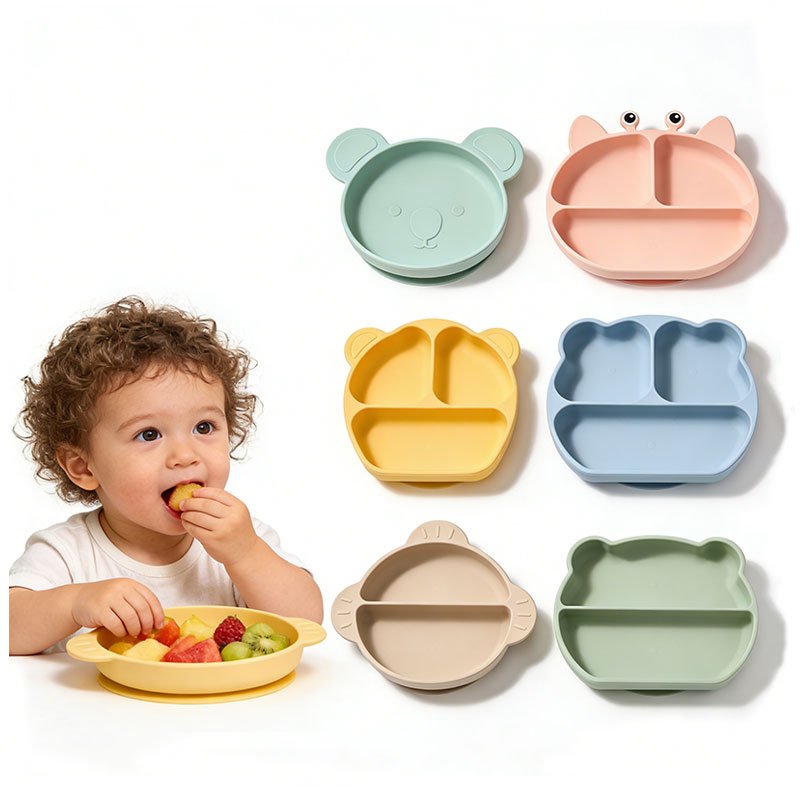
Custom silicone color consistency is a core competitive advantage for OEM/ODM silicone manufacturers and a top priority for global brands sourcing custom silicone products. For brands and product developers, a specific color may be required to match a logo, brand identity, existing product, or product series.
Many buyers struggle with batch-to-batch silicone color inconsistency, faded tones, or mismatched Pantone colors across molded silicone parts, liquid silicone rubber (LSR) components, and high-temperature vulcanized (HTV) silicone goods.
However, silicone color matching is not simply a matter of adding pigment until the material looks right. The silicone formulation, coloring system, pigment dispersion, product thickness, surface finish, molding process, and curing conditions can all influence the final appearance.
For OEM and ODM silicone products, professional color matching focuses on creating a repeatable color standard and maintaining the finished product within an agreed color tolerance from sampling to mass production.
At Siliconexy (Xinyin), we adopt standardized, data-driven custom silicone color matching processes to deliver precise, repeatable, and regulatory-compliant custom colors for all silicone product applications, solving common color deviation pain points for industrial and consumer silicone product clients worldwide.
This article explains how manufacturers approach custom silicone color matching, Pantone matching, color sampling, and batch-to-batch color consistency.
What Is Silicone Color Matching?
Silicone color matching is the process of developing a silicone color that matches a specified target.
The target can come from:
- Pantone color references
- RAL color references
- A physical color sample
- An existing silicone product
- A brand color specification
- An approved production sample
Pantone and RAL references provide useful standardized color targets, but they should not be treated as a universal pigment formula. The same target color can appear differently depending on the material, product thickness, surface finish, and viewing conditions.
For this reason, custom silicone color matching should ultimately be verified on the actual silicone material and product structure.
How Does Silicone Color Matching Work?
Unlike generic plastic coloring, silicone custom color formulation is highly sensitive to material properties, production parameters, and environmental conditions. Base silicone resin transparency, pigment dispersion efficiency, curing temperature, mold surface texture, and product wall thickness can all alter the final color presentation, even with identical pigment formulas.
This is why professional silicone manufacturers rely on systematic color matching workflows rather than manual pigment blending to stabilize color output for mass production.
Why Silicone Color Matching Is Unique?
Unlike plastics, paints, or textiles, silicone rubber presents unique coloring challenges:
- High curing temperatures (up to 200°C) can cause pigments to shift or fade
- Translucency of raw silicone can affect perceived color
- Food-grade and medical-grade requirements restrict which colorants can be used
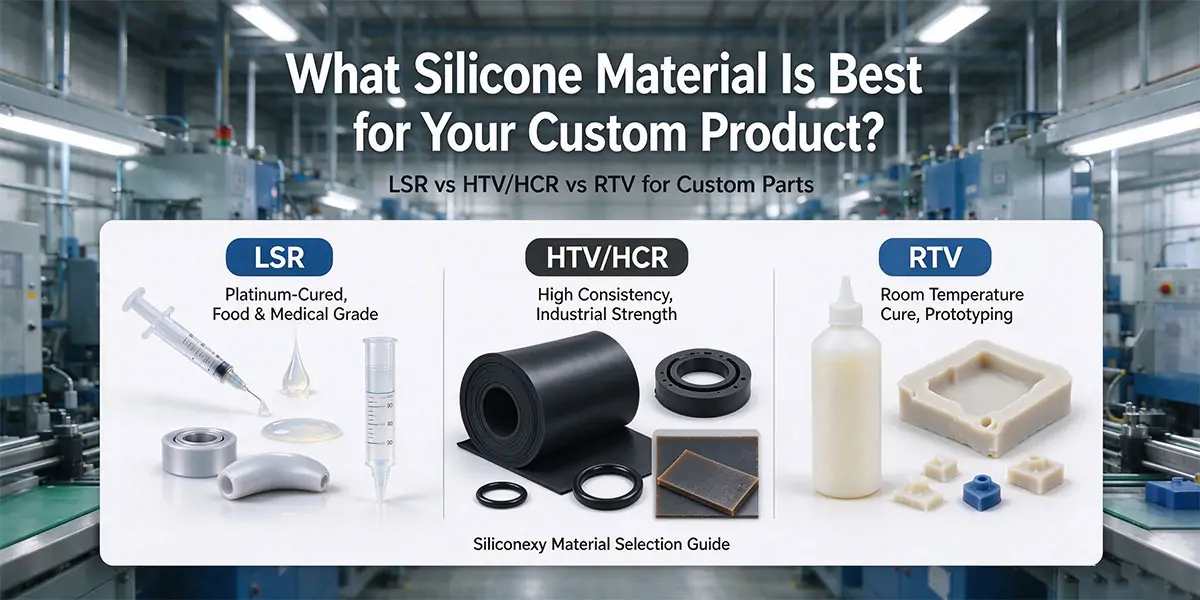
- Different silicone types (LSR, HTV, RTV) require different pigment systems
According to industry standards referenced by Silicone Engineering and material science resources, the color masterbatch used must be chemically compatible with the silicone base to ensure proper dispersion and long-term stability.
The Silicone Color Matching Process:
Although the exact process depends on the silicone material and manufacturing method, a typical custom silicone color matching process includes several stages.
Step 1: Defining the Color Target
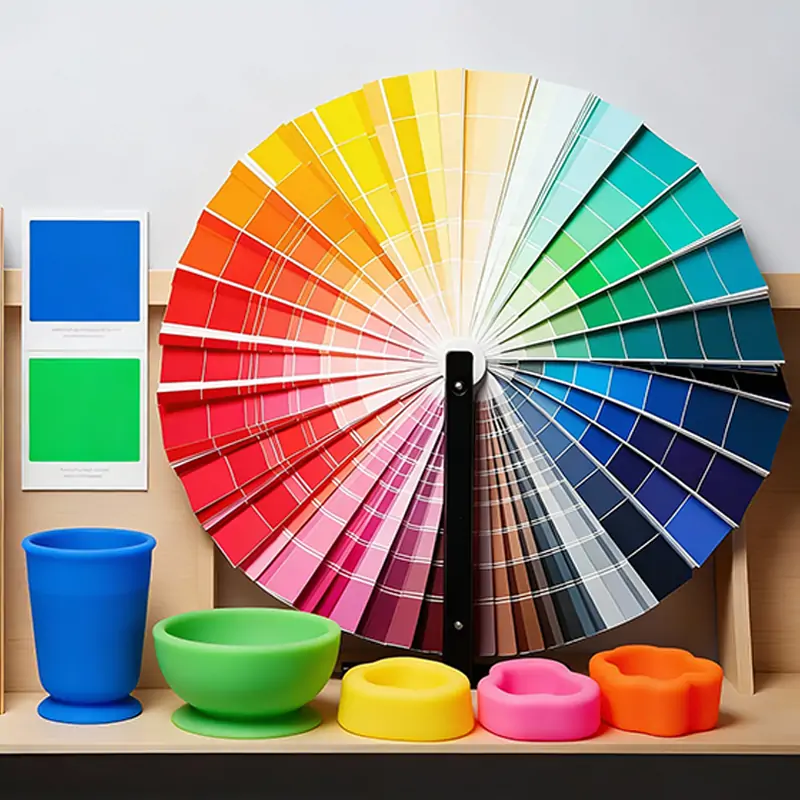
The foundation of any successful custom silicone color match is a precise color specification. Usually, the following systems are used as color references:
- Pantone Color Matching System (PMS): the global standard for brand colors
- RAL Color Standard: common in European industrial applications
- Physical samples: for colors that don’t match standardized codes
- CMYK/RGB values: for digital-to-physical color translation
Most manufacturers work with the Pantone Matching System (PMS) or RAL color standards, accepting references from Pantone Solid Coated codes, RAL numbers, physical samples, or existing production parts.
The clearer the original color reference, the easier it is for the manufacturer to establish a suitable color target.
Pro Tip: Providing a physical reference sample under standardized lighting (D65 daylight, 6500K) significantly improves first-shot accuracy.
However, the silicone base itself affects the final color reflection. As HCR Silicone explains, a high-transparency LSR base and a slightly milky HCR base will render the same pigment noticeably differently. This means that simply mixing pigments to a formula is insufficient. The true silicone color matching requires matching the color within the specific base material and hardness grade the client will use in production.
Step 2: Evaluate the Silicone Material
The coloring process must be compatible with the silicone material being used. For example, HCR silicone rubber and liquid silicone rubber (LSR) have different material characteristics and processing methods.
LSR is commonly processed by injection molding, while HCR can be processed through methods such as compression molding and extrusion.
The selected pigment, color paste, or masterbatch therefore needs to be suitable for the specific silicone system.
Step 3: Pigment Selection & Formulation
Professional manufacturers maintain libraries of silicone-compatible pigments, including:
- Inorganic pigments: High heat resistance
- Organic pigments: Vibrant, bright colors
- Specialty pigments: Fluorescent, metallic, pearlescent
- Pigments suitable for use in food contact applications
Organic vs. Inorganic Pigments
The choice between organic and inorganic pigments is one of the most consequential decisions in silicone coloring.
- Organic pigments deliver bright, vibrant hues but may fade under prolonged UV exposure and have lower heat resistance.
- Inorganic pigments offer superior thermal stability and excellent lightfastness, making them the preferred choice for outdoor applications and high-temperature environments. Such as iron oxides and titanium dioxide.
After defining the target color and material, the manufacturer selects a suitable coloring system. Depending on the silicone formulation and production process, this may involve:
- Silicone pigments
- Silicone color paste
- Silicone color masterbatch
- Pre-dispersed colorants
The objective is not only to obtain the desired color but also to achieve good pigment dispersion and repeatable processing. For example, some silicone colorants are manufactured through controlled dispersion processes to reduce pigment agglomeration and improve color uniformity.
Silicone Color Paste & Silicone Color Masterbatches
Manufacturers typically use one of two approaches for introducing color into silicone:
Silicone Color masterbatch:
A pre-concentrated mixture of colorants (typically 10–50% pigment loading) in silicone carrier resin, blended with raw silicone base stock in controlled ratios. This method provides precise color control through dilution and is cost-effective for multi-color production runs.
Silicone Color Masterbatch Compounding
Colorants are pre-dispersed into a silicone carrier to create a color masterbatch. This ensures:
- Uniform pigment distribution
- Accurate dosing during production
- Batch-to-batch consistency
The preparation process is carried out using a twin-roll press or an internal mixer to achieve uniform dispersion, which is crucial for preventing color spots or color differences in the final product.
Silidone Color paste (liquid dispersion):
Pre-formulated color pastes offer immediate dispersion into liquid silicone systems (LSR), making them ideal for injection molding where uniform tinting must occur rapidly as the material flows toward the mold.
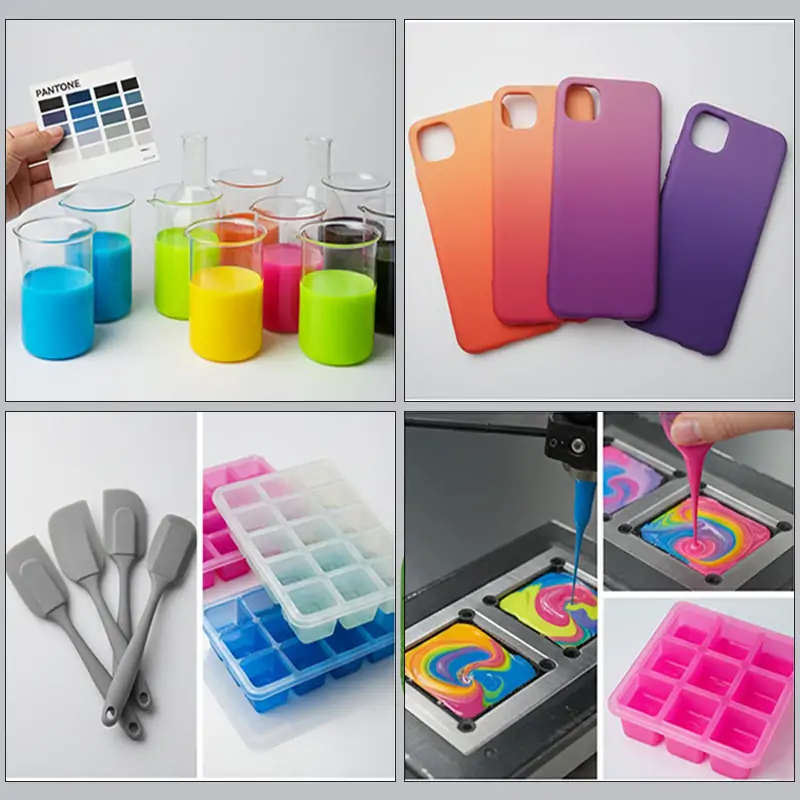
Step 4: Develop a Silicone Color Sample
Once the preliminary color formulation has been established, the silicone products manufacturer produces a physical sample. This step is important because a color reference on paper or a digital screen does not necessarily look identical when reproduced in silicone.
For OEM and ODM projects, the physical sample should be reviewed before mass production. The customer can compare the sample with the original Pantone reference, physical sample, brand specification, or existing product.
The sample allows the customer and manufacturer to evaluate:
- Hue
- Color intensity
- Brightness
- Transparency
- Surface appearance
- Overall color match
If adjustments are required, the color formulation can be refined and another sample can be produced. Once the color is approved, the approved sample becomes an important reference for future production.
For translucent or semi-transparent silicone products, product thickness can be particularly important because the visual appearance can change with the amount of material through which light passes.
Silicone manufacturers working with translucent products therefore need to consider both pigment concentration and product geometry when developing the final color. Some professional silicone manufacturers also document the approved color formulation for repeat production.
Step 5: Establish an Approved Color Standard & Color Verification
Establish an approved color standard is one of the most important steps in maintaining silicone color consistency. Instead of relying on memory or visual judgment alone, the manufacturer can establish an approved reference based on:
- Approved physical sample
- Color formula
- Pantone or RAL reference
- Instrumental color measurements where required
- Customer-approved specifications
The purpose is to create a clear standard against which future production can be evaluated. This becomes particularly important when the customer places repeat orders months or years after the original project.
Sample Production & Color Verification
A small production sample is created and measured using:
- Spectrophotometers (e.g., X-Rite, Konica Minolta) for objective color data
- Light booths for visual confirmation under multiple light sources
- Delta E (dE) measurement to quantify color difference
Step 6: Approval & Mass Production
Once the sample is approved, the formula is locked, and production parameters (temperature, pressure, cure time) are documented in a color specification sheet to ensure batch-to-batch repeatability.
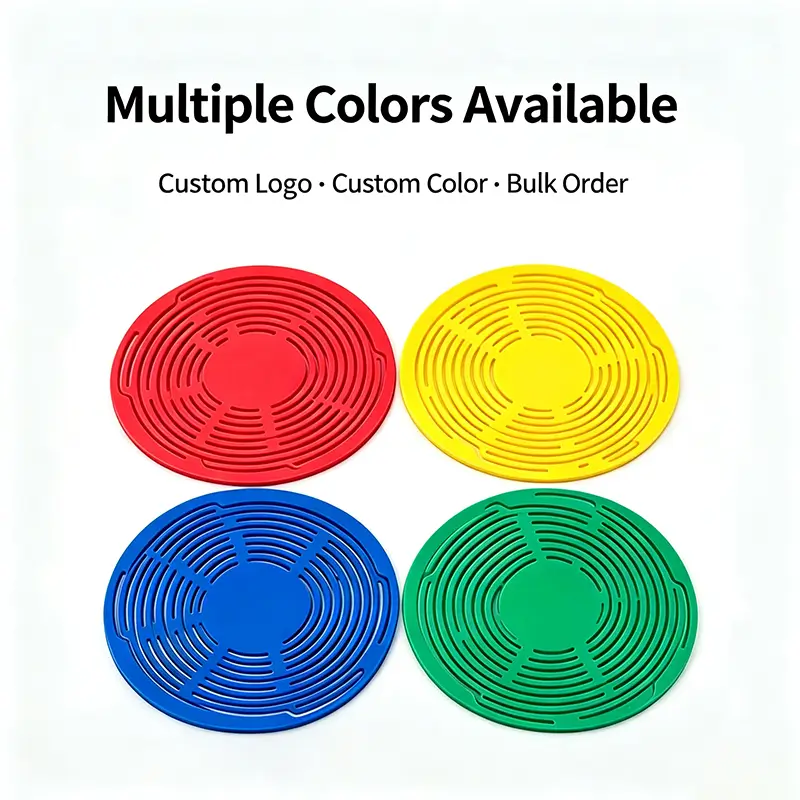
Can Every Production Batch Have Exactly the Same Silicone Color?
Not realistically in the sense of absolute zero variation. Professional silicone manufacturing focuses on achieving consistent and repeatable color within an agreed tolerance, rather than claiming that every production batch will be mathematically identical.
Small differences can result from variables such as:
- Raw material batch variation
- Pigment concentration
- Pigment dispersion
- Product thickness
- Surface finish
- Molding conditions
- Curing conditions
- Lighting and measurement conditions
The appropriate color tolerance should therefore be established according to the specific product and customer requirements.
Some specialized silicone color suppliers publish very tight batch-to-batch color tolerances. For example, Spectromatch reports a batch-to-batch consistency of less than 1 ΔE under its stated measurement system. This is a supplier-specific specification and should not be assumed to apply to every silicone product or manufacturer.
For an OEM project, the more accurate approach is:
To adopt approved color standards, agreed tolerances, and controlled production processes, rather than striving for 100% complete color consistency in each batch.
How Manufacturers Improve Silicone Color Consistency?
Achieving the right color once is easy. Achieving it consistently across thousands of units is the real challenge. For a repeatable silicone color matching process, several controls can be combined.
Here’s how experienced manufacturers maintain quality:
- Use a Defined Color Reference. Start with a Pantone, RAL, physical sample, or customer-approved reference.
- Use a Controlled Color Formulation. Record the pigment or colorant formulation used to achieve the approved color.
- Maintain Consistent Pigment Dispersion. The colorant needs to be adequately dispersed throughout the silicone material.
- Use a Physical Approved Sample. Keep an approved reference sample for future production comparison.
- Control Production Conditions. Variations in ambient temperature, humidity, and operator technique can subtly shift color outcomes. Maintain consistent material, mixing, molding, and curing conditions as far as practical.
- Use Instrumental Measurement When Required. For projects with tighter color requirements, spectrophotometric measurement and ΔE evaluation can provide quantitative color data.
- Define the Acceptable Tolerance Before Production. The customer and manufacturer should agree on the applicable color tolerance before mass production begins.
- Raw Material Standardization. Using consistent silicone base lots and pre-approved pigment suppliers prevents unexpected color shifts caused by raw material variation.
This approach makes color control more measurable and repeatable than relying on visual judgment alone.
Why Choose a Silicone Manufacturer for Custom Color Matching?
A custom silicone manufacturer can evaluate color together with the material, product structure, mold, and manufacturing process.
This is especially useful when a project requires:
- Custom brand colors
- Pantone color matching
- Multiple silicone colors
- Translucent silicone
- Gradient colors
- Custom surface finishes
- Repeat production with consistent color
- OEM or ODM product development
Instead of treating color as a separate purchasing item, an experienced manufacturer can consider color, material, molding, and quality control as connected parts of the same production process.
From Custom Color to Mass Production
For a typical OEM silicone project, the development process can be organized as:
- Color Requirement
- Material & Process Evaluation
- Color Formulation
- Color Sample
- Customer Approval
- Mold Development
- Production Validation
- Mass Production
- Color & Quality Inspection
The exact workflow may vary depending on the product, material, mold structure, and customer requirements. For complex silicone products, integrating color development with mold and manufacturing development can help reduce unnecessary adjustments later in the production process.
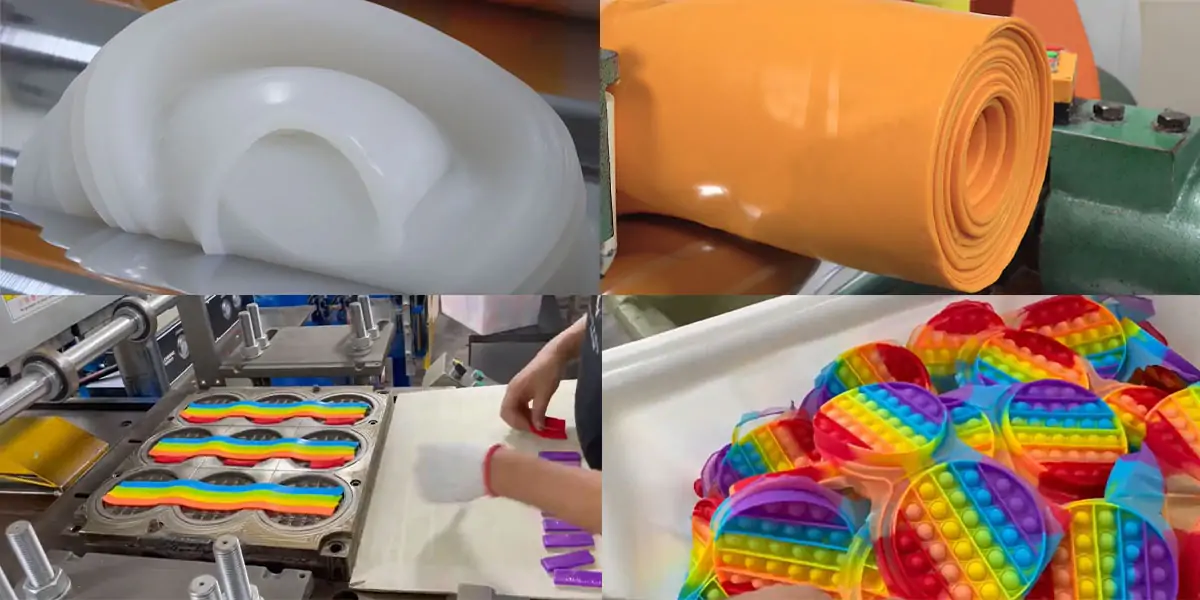
Conclusion
Silicone color matching is not simply about adding pigment to silicone. Consistent custom silicone colors are achieved through rigorous process control. Achieving repeatable custom colors requires a controlled process that considers the silicone material, coloring system, pigment dispersion, product thickness, surface finish, molding conditions, curing conditions, and inspection method.
For OEM and ODM customers, the most reliable approach is to establish an approved color standard and agreed tolerance, develop a physical sample, obtain customer approval, and then maintain the approved formulation and production conditions as consistently as practical.
The objective is not to promise absolute zero color variation. Instead, professional silicone products manufacturing aims to achieve repeatable and consistent color within the agreed specification.
If you are developing a silicone product that requires Pantone color matching, custom silicone colors, translucent colors, gradient effects, or consistent colors for repeat production, Siliconexy (Xinyin) can support your project from product development and mold manufacturing to silicone molding and mass production.
Send us your Pantone reference, physical color sample, drawing, or product concept to discuss your custom silicone OEM/ODM project.