Silicone molds have become indispensable tools in both professional kitchens and DIY crafting studios, thanks to their flexibility, non-stick properties, and temperature resistance. As silicone bakeware continues to gain popularity among home bakers and professional pastry chefs alike, two questions come up again and again: Can silicone molds be reused? And how durable are they, really?
So, can silicone molds be reused? The short answer is yes. And they’re remarkably durable. But let’s dive into the details so you know exactly what to expect from your silicone molds and how to get the most out of them.
Unlike disposable plastic, paper, or single-use resin molds, premium food-grade silicone molds and craft silicone molds are engineered for repeated use, standing out as a cost-effective, eco-friendly, and high-performance molding solution for all kinds of handmade projects.
At Siliconexy, we specialize in manufacturing high-quality silicone molds for industrial, culinary, and creative applications. Let’s break down the facts based on material science and real-world usage data.
Are Silicone Molds Reusable?
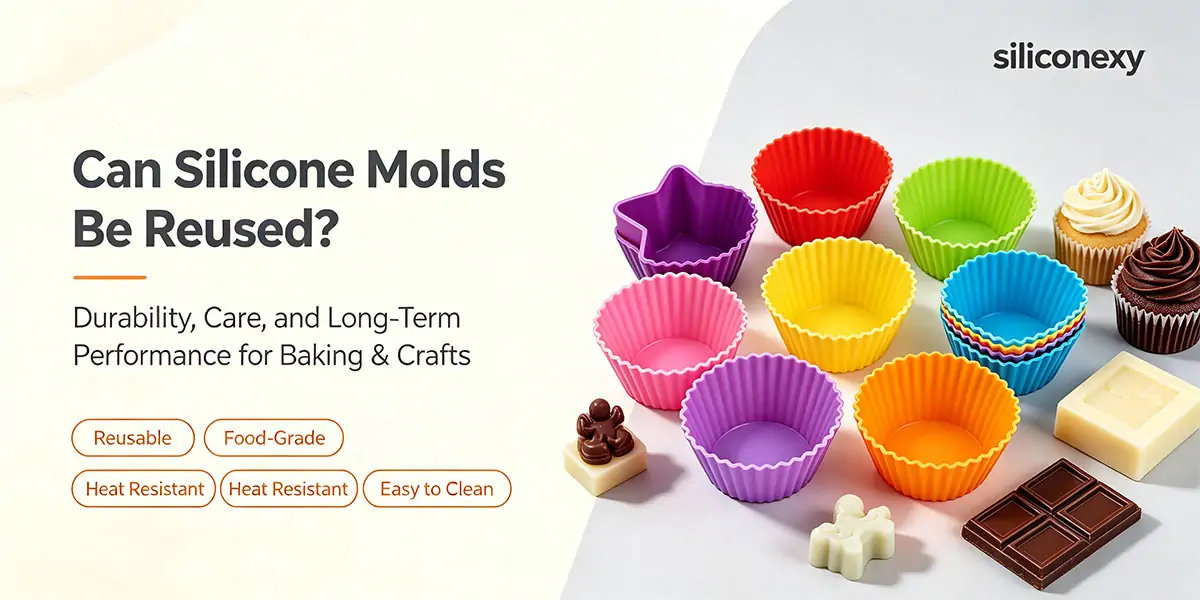
Yes, silicone molds are highly reusable. High-quality silicone molds are fully reusable with proper use and routine maintenance. Made of flexible, chemically stable silicone material, these molds resist common damage like cracking, warping, and residue buildup that plagues plastic and metal molds after limited uses.
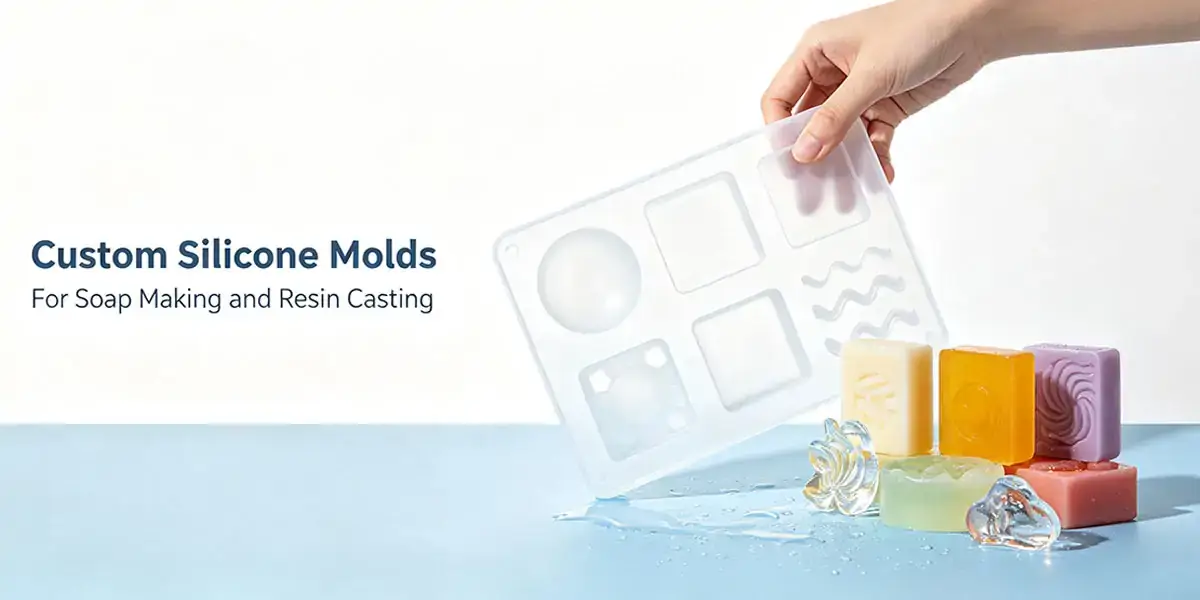
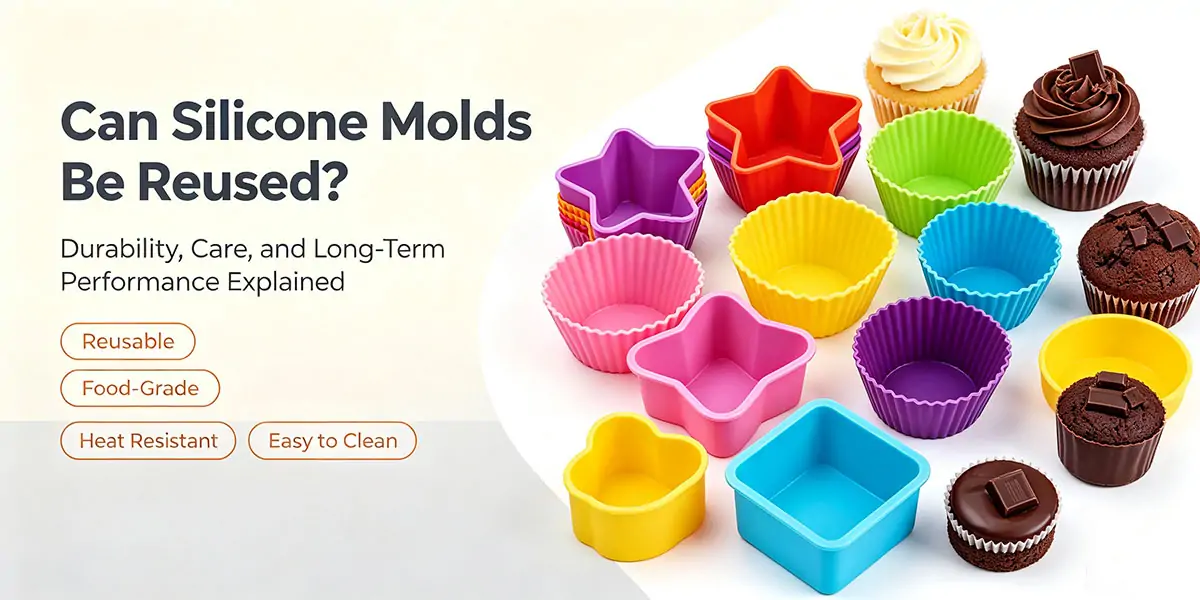
Whether you use reusable silicone baking molds for cakes, chocolates, and puddings, or reusable silicone resin molds for epoxy crafts, jewelry, and decorative ornaments, they can be repeatedly demolded, cleaned, and stored for continuous production.
One of the biggest advantages of durable reusable silicone molds is consistent molding performance. After dozens or even hundreds of uses, they still retain crisp 3D details, smooth inner surfaces, and original shape, ensuring every finished product is uniform and professional. Ideal for personal DIY hobbies and small commercial handmade businesses alike.
Compared with disposable molds that generate massive waste, reusable silicone molds greatly reduce long-term material costs and support sustainable handmade creation.
The Science Behind Silicone Durability
Silicone is a synthetic polymer made from silicon, oxygen, carbon, and hydrogen. Its unique molecular structure gives it exceptional resistance to:
- Extreme temperatures: Most food-grade silicone molds can withstand -40°C to 230°C (-40°F to 446°F) without degrading
- UV radiation and ozone: Unlike rubber, silicone doesn’t break down when exposed to sunlight or outdoor conditions
- Chemical corrosion: Resistant to oils, solvents, and cleaning agents
This inherent stability means silicone molds don’t easily tear, warp, or develop cracks with regular use.
What Makes Silicone Molds So Durable?
The durability of silicone molds comes down to the material itself. Food-grade silicone is:
- Flexible yet resilient: Silicone molds can be stretched up to twice their original size without suffering damage. This flexibility not only makes demolding effortless but also prevents cracking or breaking that you might experience with glass or ceramic bakeware.
- Temperature-resistant: Most high-quality silicone molds withstand extreme temperatures ranging from -40°F to 465°F (-40°C to 230°C). This means they can go from the freezer directly into the oven, microwave, or dishwasher without warping, cracking, or degrading.
- Non-stick by nature: Silicone’s naturally non-stick surface means you often don’t need additional greasing. This not only makes baking healthier but also preserves the mold’s surface over countless uses.
- Chemically stable: Premium food-grade silicone is BPA-free, non-toxic, and FDA-approved for direct food contact. It doesn’t leach chemicals into your food, even at high temperatures.
How Durable Are Silicone Molds? Exact Lifespan by Usage
The durability and service life of high-temperature resistant silicone molds vary by material grade, usage scenario, and maintenance habits. Authoritative product testing and industry data verify clear lifespan standards for mainstream silicone molds:
- Food-grade baking silicone molds: Standard FDA-certified food-safe silicone molds can withstand temperatures from -40°C to 230°C. With standard home baking use and proper care, they support 100–500 repeated baking cycles. Premium thickened silicone molds can even reach up to 2000 uses without deformation or aging.
- Resin & craft silicone molds: For epoxy resin, handmade soap, candle, and plaster crafts, these molds typically deliver 50–400 casting cycles. Intricate thin-detail molds have a slightly shorter lifespan, while thickened cavity silicone molds maintain stable performance for long-term mass production.
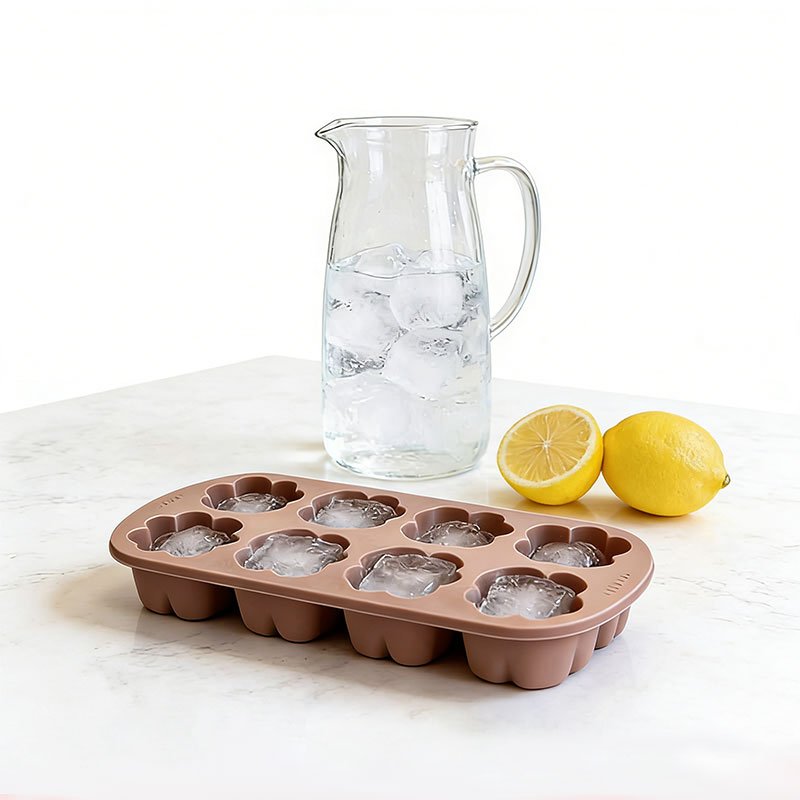
- Daily multi-scene silicone molds: Molds for jelly, candy, fondant, and ice cubes have excellent fatigue resistance, reusable for hundreds of times with no discoloration, stretching, or permanent creasing.
It is worth noting that most silicone mold damage is caused by improper operation rather than material defects. High-quality silicone molds will not warp under normal high-temperature baking, stick stubbornly, or lose detail definition after long-term use.
Key Factors That Affect Silicone Mold Durability & Reusability
To maximize the service life of your long-lasting silicone molds, it is essential to avoid behaviors that accelerate aging. Here are the core influencing factors:
1. Temperature Resistance Limits
All oven-safe silicone molds have a fixed high-temperature threshold. Exposing them to temperatures over 230°C for a long time will cause silicone aging, hardening, and reduced flexibility, shortening reusable times significantly.
2. Cleaning & Storage Methods
Timely cleaning of residual food, resin, or soap residue prevents mold growth and material deterioration. Store silicone molds flat or loosely stacked in a dry, cool place; avoid long-term extrusion, bending, or exposure to direct sunlight, which can cause permanent deformation.
3. Demolding & Operation Habits
Silicone molds feature excellent non-stick performance for easy demolding. Forcing demolding with sharp tools will scratch the mold surface, damage fine details, and lead to tearing during subsequent use.
Silicone vs. Metal: Which Is More Durable?
When comparing silicone molds vs metal bakeware, the durability conversation gets interesting. Metal pans are known for their toughness and heat conductivity. They can last for years and survive oven mishaps. However, metal cookware may develop scratches, deformations or lose its non-stick coating over time, especially when you use metal utensils or rough cleaning tools.
Silicone, on the other hand, offers a different kind of durability. It is flexible and not fragile. Even if it is dropped or rolled up for storage, it will not break like glass or ceramics. Plus, silicone doesn’t rust, peel, or become brittle over time. While metal may deliver superior browning and crisp textures, silicone excels in easy release, gentle baking, and longevity when properly cared for.
How to Extend the Lifespan of Your Silicone Molds?
Even the most durable silicone molds benefit from proper care. Here are some silicone mold care tips to maximize their lifespan:
- Avoid extreme temperature shocks. While silicone handles high and low temperatures well, prolonged exposure to extremes can warp the structure. Let your mold cool before transferring it from oven to freezer.
- Use gentle tools. Never use sharp or metal utensils inside your silicone mold. They can scratch or cut the surface. Stick to silicone, wood, or plastic tools.
- Clean with mild soap and soft sponge. Wash your mold with warm, soapy water using a soft sponge or cloth. Avoid abrasive scrubbers, steel wool, or harsh chemicals. Most silicone molds are dishwasher safe (top rack recommended), but hand-washing is gentler and helps preserve the material longer.
- Store properly. Keep your silicone molds in a cool, dry place away from direct sunlight, which can cause aging. Avoid stacking heavy items on top of them to maintain their shape.
- Inspect regularly. Check for signs of wear like cracks, hardening, or stickiness. Catching issues early can prevent baking disasters.
Food-Grade vs. Industrial Silicone: Durability Differences
| Feature | Food-Grade Silicone Molds | Industrial Silicone Molds |
| Temperature range | -40°C to 230°C | -60°C to 300°C |
| Chemical resistance | Good against food acids | Excellent against oils and solvents |
| Typical lifespan | 10+ years | 7-10 years in heavy use |
| Certification | FDA, LFGB, SGS | ISO, RoHS, REACH |
Both types offer exceptional reusability, with industrial molds designed for continuous production cycles.
What About the “Soapy Taste” Issue?
One concern that occasionally comes up is whether silicone molds can absorb soapy flavors or odors. The short answer: low-quality or improperly cured silicone may retain smells, but high-quality food-grade silicone should not.
To avoid any taste transfer, always rinse your mold thoroughly after washing, and consider soaking it in warm water with a splash of vinegar or lemon juice if you notice any lingering odors.
Why Choose Siliconexy Reusable Silicone Molds?
At Siliconexy, we understand that durability and reusability are non-negotiable for bakers who demand the best. That’s why our silicone baking molds are made of 100% food-grade, BPA-free silicone. They have been meticulously designed to withstand thousands of uses without losing their non-stick properties or original shape. Strict quality control ensures every mold features high elasticity, tear resistance, high-temperature stability, and ultra-long durability.
Whether you’re baking muffins, cakes, chocolates, or frozen desserts, our molds deliver consistent results, effortless demolding, and eco-friendly reusability that saves you money and reduces waste.
- Premium materials: We use 100% virgin silicone without fillers that can compromise durability
- Reinforced edges: Our molds feature thickened rims to prevent tearing during demolding
- Custom engineering: We can design molds with reinforced stress points for high-volume applications
- Quality testing: Every mold undergoes rigorous testing to ensure it meets our durability benchmarks
Whether you’re a bakery owner needing reusable silicone baking molds or a manufacturer requiring durable industrial silicone molds, our products deliver consistent performance over thousands of uses.
Final Verdict
Silicone molds are absolutely reusable and remarkably durable with correct use and maintenance. High-quality silicone molds can serve hundreds of uses, far exceeding disposable alternatives.
Investing in high-quality silicone molds is a sustainable choice that pays off over time. With proper care, these molds can outlast traditional metal, plastic, or rubber alternatives by a wide margin.
So the next time someone asks, “Can silicone molds be reused?” you can confidently say: yes and they’ll keep performing for thousands of bakes to come.
Ready to upgrade your silicone mold inventory? Explore our full range of custom silicone molds and standard solutions at Siliconexy.com.