Silicone scrubbers have become a popular alternative to traditional loofahs, washcloths, and shower sponges. They are commonly used for cleansing the body, gently massaging the skin, and creating lather during a shower. These soft, flexible cleansing pads have taken over social media feeds and bathroom shelves alike. But the real question is: are silicone scrubbers good for your skin, or are they just another overhyped beauty gadget? Silicone Scrubber vs Loofah: Which Is Better for Body Care?
For many people, a silicone body scrubber can be a practical and hygienic shower tool when it is used gently and cleaned properly. However, it is not automatically better for every skin type, and aggressive scrubbing can cause irritation.
Understanding the material, texture, cleaning routine, and your own skin condition is important when choosing a silicone body scrubber.
In this guide from Siliconexy (Xinyin), we break down the science-backed benefits, usage rules, and skin compatibility of silicone head and body brush to help you upgrade your daily skincare routine safely. We’ve dug into the science, consulted dermatologist insights, and tested the evidence to give you the honest answer.
What Is a Silicone Scrubber?
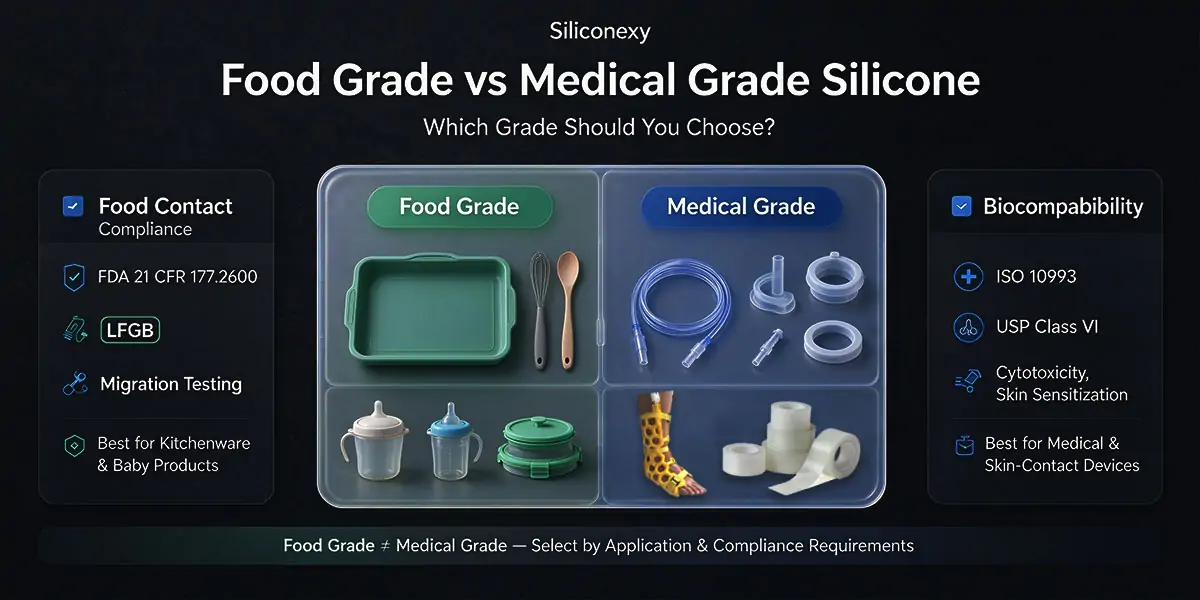
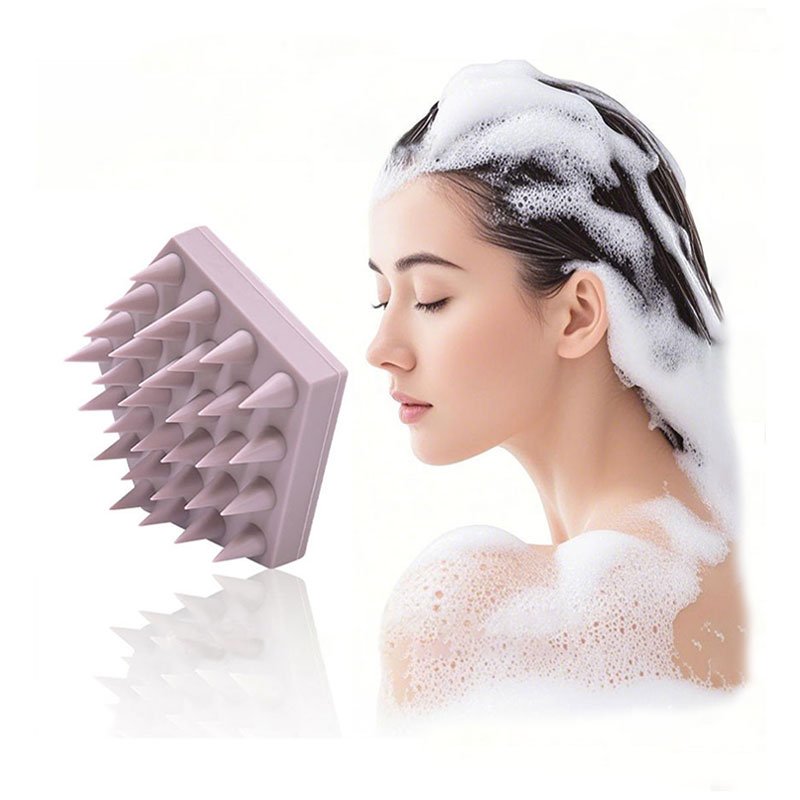
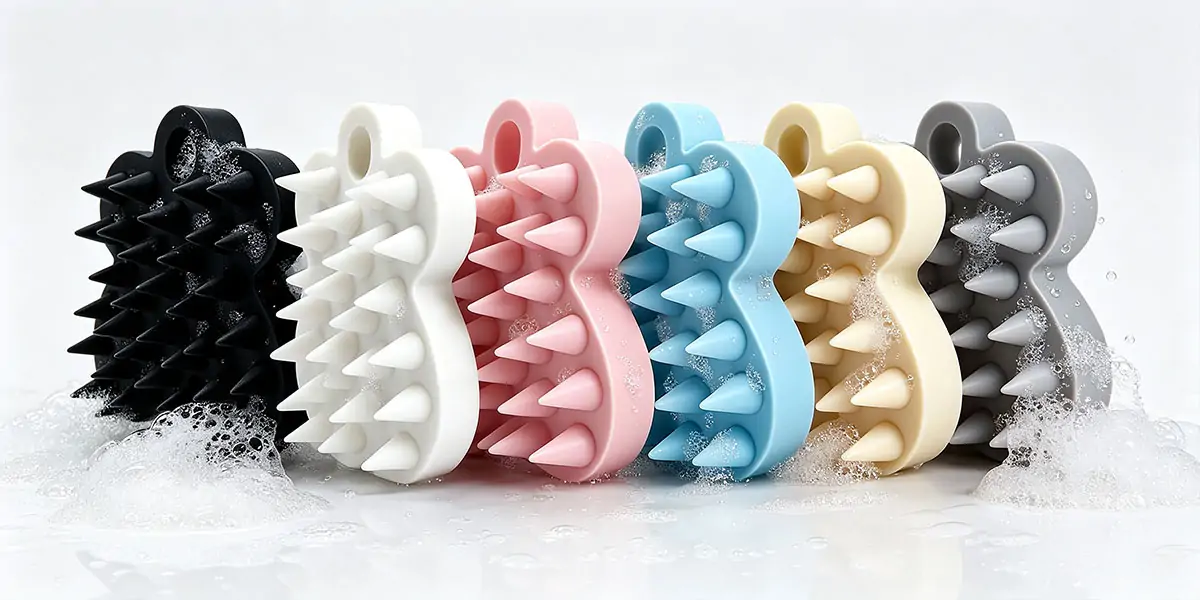
A silicone scrubber is a reusable personal-care tool made from medical-grade silicone or food-grade silicone, typically featuring small flexible bristles, soft, nodules, nubs, or textured surfaces. Unlike natural sponges or nylon brushes, silicone is a non-porous, hypoallergenic material that doesn’t absorb water, oil, or bacteria the same way traditional materials do.
Depending on its design, a silicone shower scrubber can be used for:
- Body cleansing
- Gentle skin massage
- Shower exfoliation
- Creating lather with body wash
- Replacing traditional loofahs
- Scalp cleansing when specifically designed as a scalp brush
The material is naturally resistant to bacteria and mold, making it a more hygienic choice compared to traditional sponges or loofahs. And because silicone doesn’t absorb water, oil, or dead skin cells, these scrubbers dry quickly and stay cleaner between uses.
Cleveland Clinic specifically notes that silicone body scrubbers can be easier to keep clean than loofahs and washcloths. According to the American Academy of Dermatology (AAD), choosing the right cleansing tool can significantly impact skin health, especially for those with acne or rosacea.
Are Silicone Scrubbers Good for Your Skin?
Generally, yes. Silicone scrubbers are generally good for your skin and better than traditional loofahs or bristle brushes in many cases. Their non-porous surface resists bacterial buildup, they provide gentle exfoliation, and they’re suitable for most skin types, including sensitive and acne-prone skin. However, proper use and hygiene are essential to maximize benefits.
However, “gentle” depends on the design and how the product is used. A scrubber with very firm bristles combined with strong pressure and frequent exfoliation may irritate the skin. The American Academy of Dermatology (AAD) explains that mechanical exfoliation can be too irritating for some people, particularly those with dry, sensitive, or acne-prone skin.
Therefore, the goal should not be to scrub as hard as possible. A good silicone scrubber should support gentle cleansing rather than aggressive scrubbing.
Key Skin Benefits of Using Silicone Scrubbers
1. Gentle Exfoliation for Sensitive Skin
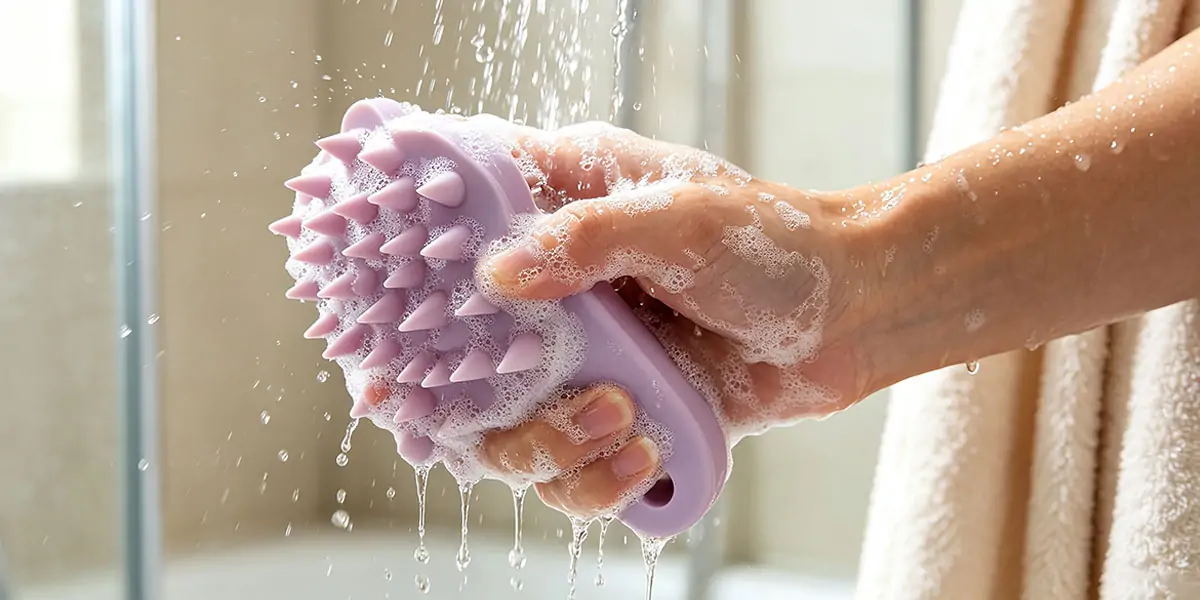
One of the biggest selling points of a silicone scrubber brush is its ability to exfoliate without irritation. Silicone scrubbers can provide mechanical exfoliation because their textured surfaces physically move across the outer layer of the skin. The soft bristles help slough away dead skin cells and unclog pores without the harsh abrasion of gritty scrubs or rough loofahs.
Celebrity dermatologist Dr. Azadeh Shirazi notes that when it comes to finding the right physical body scrubber, silicone bristled options are most likely the safest. They provide gentle exfoliation that removes buildup while allowing fresh, healthy skin cells to surface.
But more exfoliation is not necessarily better. According to the AAD, excessive or inappropriate exfoliation can result in irritation, redness, dryness, and other skin problems. The organization recommends choosing an exfoliation method according to your skin type and using gentle movements.
Therefore, a gentle silicone exfoliating scrubber should be used with moderate pressure rather than aggressive rubbing.
This makes them ideal for:
- Sensitive skin
- Rosacea-prone skin
- Eczema (with doctor approval)
2. More Hygienic Than Loofahs
Traditional loofahs and shower sponges are notorious breeding grounds for bacteria and mold. A 2019 study published in the Journal of Clinical and Aesthetic Dermatology found that loofahs can harbor Staphylococcus and Pseudomonas bacteria within just weeks of use. Silicone, being non-porous, dries faster and resists microbial colonization, making it a safer option for daily cleansing. And silicone brushes can be easily cleaned with soapy water, and they can even be boiled for deep sterilization and disinfection.
Some premium silicone scrubbers even feature antimicrobial properties, like silver and zinc infusions that resist up to 99.99% of odor-causing bacteria. This makes them an excellent choice for anyone concerned about silicone face scrubber hygiene.
3. Perfect for Sensitive and Acne-Prone Skin
Silicone scrubbers help cleanse pores more effectively than hands alone, removing excess sebum, sunscreen, and makeup residue.
One of the biggest advantages of silicone scrubbers for sensitive skin is their low irritation risk. Traditional exfoliating tools often cause redness, stinging, and friction-induced inflammation, especially for those with eczema, rosacea, or dry skin conditions.
For acne-prone skin, silicone body scrubbers prevent bacterial buildup on the tool itself. A common cause of body acne and breakouts from dirty loofahs. Their non-porous surface resists mold and microbial growth, ensuring every cleanse is hygienic and pore-friendly.
4. Long-Lasting and Eco-Friendly
Standard loofahs and sponge tools need replacement every 4–6 months due to mold and bristle degradation, but high-quality silicone scrubbers last 1–2 years with proper care. They are durable, easy to clean, and do not deteriorate over time. They are a more sustainable choice for your daily skincare routine.
While the upfront cost is slightly higher, the durability of silicone products means long-term savings compared to repeatedly buying loofahs or konjac sponges.
For manufacturers developing reusable personal-care products, silicone can also provide flexibility in:
- Product shape
- Surface texture
- Bristle size
- Bristle density
- Product thickness
- Color
- Handle design
These characteristics can be customized according to the intended user experience.
5. Easier to Clean Than Traditional Loofahs
One reason consumers choose silicone shower scrubbers is their simple construction.
Traditional loofahs can retain moisture and organic material between uses. Loofahs can harbor bacteria and recommends thorough rinsing and drying after use. It also identifies silicone body scrubbers as an easier-to-clean alternative.
For a reusable shower accessory, easy cleaning is an important practical advantage.
6. Enhances Product Absorption
Regular, gentle exfoliation with silicone scrubbers removes dull dead skin cells and unclogs congested pores without over-exfoliation. This preps the skin perfectly for serums, moisturizers, and toners, allowing skincare products to penetrate deeper and work more effectively. Many users notice softer, brighter, and more even-toned skin within weeks of consistent, correct use.
Gentle massage with a silicone scrubber promotes blood circulation and helps your subsequent skincare products (serums, moisturizers, and treatments) absorb more effectively. One study found that 35 seconds of use delivered a 30% reduction in the appearance of pores and 27% better absorption of subsequent serums.
The Drawbacks of Silicone Body Scrubber: What to Consider Before Buying
1. Less Lathering Than Traditional Loofahs.
Some users find that silicone scrubbers don’t produce as much foam as traditional loofahs or washcloths. You may need to use a bit more cleanser to achieve the same lather.
2. Not for Heavy-Duty Exfoliation.
If you’re looking for intense, deep exfoliation, a silicone scrubber might feel too gentle. They’re designed for daily or regular use, not aggressive scrubbing. For those who prefer a more vigorous exfoliation, pairing the scrubber with a gentle exfoliating gel can help.
| Concern | Reality |
|---|---|
| Can silicone scrubbers cause irritation? | Only if used too aggressively or on broken skin. Gentle pressure is key. |
| Do they harbor bacteria? | Less than loofahs, but you should still rinse and air-dry them after each use. |
| Are all silicone scrubbers equal? | No—look for medical-grade silicone and BPA-free certifications. |

3. Are There Any Skin Risks? Who Should Be Cautious?
While silicone scrubbers are overwhelmingly skin-safe, they are not entirely risk-free for all users. A 2023 American Academy of Dermatology survey noted that 20% of daily users reported mild skin stinging or redness, primarily from overuse. To avoid skin barrier damage, it is critical to match usage frequency to your skin type:
- Oily & combination skin: Safe for 2–4 times weekly use
- Dry & sensitive skin: Limit to 1–2 times weekly to prevent dryness
- Active eczema, rosacea flares, or open skin wounds: Avoid use entirely and consult a dermatologist first
It is also worth noting that silicone scrubbers provide gentle exfoliation rather than deep pore cleansing. They cannot replace intensive chemical exfoliants for severe blackheads or clogged pores, making them a complementary tool, not a one-size-fits-all skincare solution.
Are Silicone Scrubbers Better Than Loofahs?
There is no universal answer, but they have different characteristics. The biggest practical difference is not simply silicone vs. loofah. It is how the shower tool is designed, cleaned, dried, and used.
| Feature | Silicone Scrubber | Traditional Loofah |
|---|---|---|
| Material | Silicone | Natural or synthetic fibers |
| Surface | Smooth/flexible textured surface | Fibrous/mesh structure |
| Cleaning | Generally easy to rinse | Requires thorough cleaning |
| Moisture retention | Relatively low when properly designed and dried | Can retain moisture |
| Reusability | Commonly designed for reuse | Depends on material and construction |
| Exfoliation | Depends on bristle design | Can be more abrasive |
| Customization | High | More limited |
How to Use a Silicone Body Scrubber Properly?
Using a silicone scrubber correctly is just as important as choosing the right product. To get the most out of your silicone face scrubber, follow these simple steps:
- Step 1: Wet Your Skin. Use lukewarm water to wet your body.
- Step 2: Apply Body Wash. Apply a suitable body cleanser either to the silicone scrubber’s silicone bristles.
- Step 3: Use Gentle Circular Motions. Move the scrubber across the skin with light pressure. And focusing on areas with more buildup like the T-zone. There is no need to press hard to achieve a clean feeling.
- Step 4: Rinse Thoroughly. Rinse both your skin and the silicone scrubber after use.
- Step 5: Let It Dry. Allow the scrubber to dry completely between uses. Even a washable shower accessory should be cleaned and dried properly.
How Often Should You Use It?
- Normal/combination skin: 2–3 times per week
- Oily/acne-prone skin: 2–3 times per week
- Dry/sensitive skin: 1–2 times per week
- Mature skin: 1–2 times per week
Over-exfoliation can damage your skin barrier, so start slowly and adjust based on how your skin responds.
Can You Use a Silicone Scrubber Every Day?
It depends on the design and how aggressively you use it. A soft silicone cleansing brush used gently may be appropriate for some people’s regular shower routine.
However, if the product provides significant physical exfoliation, daily use may be too much for certain skin types. The less frequently it should generally be performed, and over-exfoliation can leave skin irritated.
Pro tip from Siliconexy: Replace your silicone facial scrubber every 3 months for optimal hygiene.
What Makes a Good Silicone Body Scrubber?
For brands developing custom silicone body scrubbers, material selection is only one part of the product design.
Important factors include:
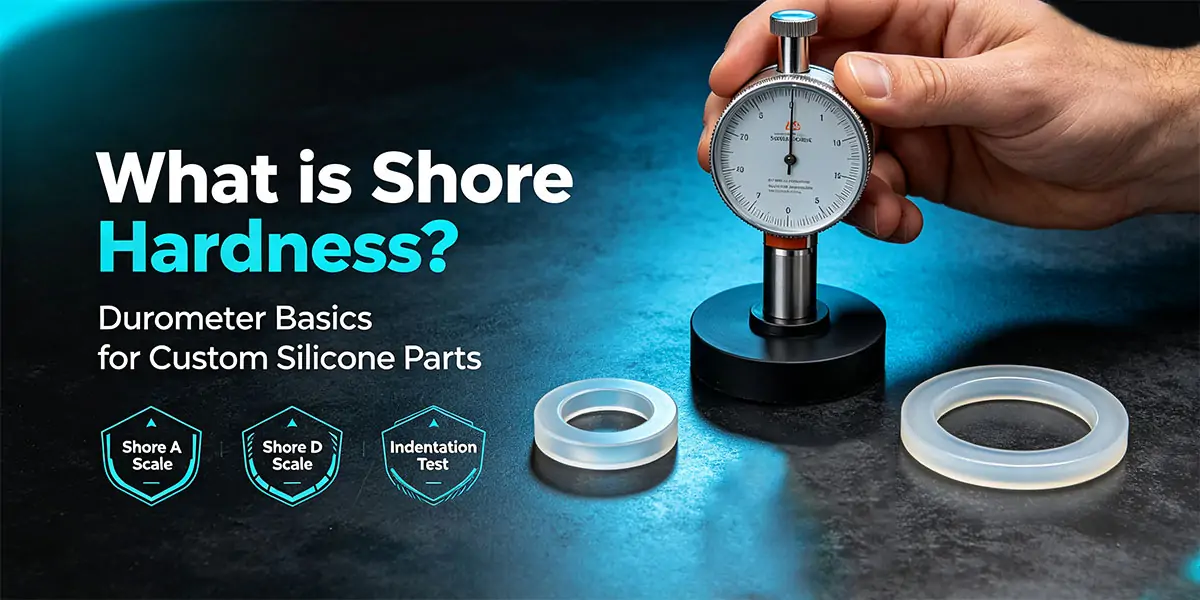
- Silicone Hardness. The Shore hardness can influence how flexible or firm the scrubber feels.
- Bristle Geometry. The length, thickness, spacing, and shape of silicone bristles can significantly affect the user experience.
- Surface Texture. Different textures can provide different levels of cleansing and massage sensation.
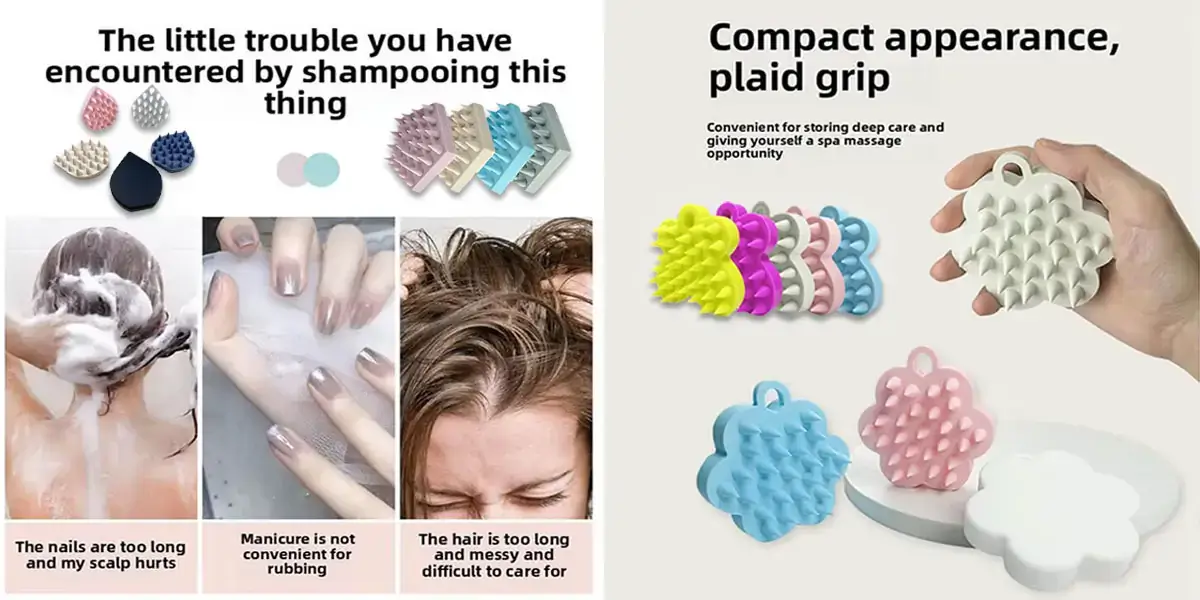
- Product Size. A compact scrubber may be convenient for personal use, while a larger design can cover more body surface area.
- Grip and Ergonomics. A shower product needs to remain easy to hold when wet.
- Drainage and Drying. A well-designed product should allow water to drain easily and support drying between uses.
These factors are particularly important when developing OEM silicone personal care products.
Silicone Scrubber Design for OEM Personal Care Brands
For personal-care brands, a silicone scrubber can be developed far beyond a standard shower accessory.
A custom silicone scrubber manufacturer can potentially develop different: Shapes, Colors, Silicone hardness levels, Bristle patterns, Surface textures, Handles, Hanging holes, Packaging and Logo details.
For example, the same basic silicone platform can be developed into a:
- Silicone body scrubber
- Silicone scalp massager
- Silicone shampoo brush
- Silicone shower brush
- Silicone facial cleansing brush
- Silicone bath massage brush
The product design should always start with the intended application and user experience rather than simply adding more aggressive texture.
Final Verdict
So, are silicone scrubbers good for your skin? The evidence-based answer is a qualified yes. They offer superior hygiene, gentle exfoliation, and long-term value, making them a smart upgrade from traditional sponges or brushes.
A well-designed silicone scrubber can provide convenient cleansing, light physical exfoliation, and an alternative to traditional loofahs.
However, silicone does not automatically make a shower scrubber suitable for everyone. The most important factors are the silicone texture, bristle firmness, cleaning routine, frequency of use, and individual skin sensitivity.
For consumers, gentle use is key. For brands, thoughtful product engineering is equally important.
At Siliconexy (Xinyin), we support OEM/ODM development of custom silicone products, including silicone personal-care products. Product requirements such as silicone hardness, surface texture, product dimensions, color, shape, and intended application can be considered during product development.
Looking for a custom silicone scrubber for your personal-care brand? Contact Siliconexy to discuss your product concept and OEM manufacturing requirements.
Frequently Asked Questions
1. Are silicone scrubbers hygienic?
- Silicone scrubbers can be easier to rinse and clean than traditional loofahs. However, they should still be cleaned after use and allowed to dry properly. Cleveland Clinic specifically recommends thorough rinsing and drying for shower tools.
2. Are silicone body scrubbers better than loofahs?
- They can be a practical alternative. Silicone scrubbers are generally easier to clean, while traditional loofahs can retain moisture and organic material. The best choice depends on skin type, scrubber design, and personal preference.
3. Can silicone scrubbers exfoliate your skin?
- Yes. A textured silicone scrubber can provide mechanical exfoliation. However, excessive physical exfoliation may irritate the skin, so gentle use is recommended.
4. Are silicone scrubbers good for sensitive skin?
- A soft silicone scrubber may be more comfortable for some users, but mechanical exfoliation can irritate sensitive skin. People with sensitive, dry, or acne-prone skin should use extra caution.
5. How often should I use a silicone body scrubber?
- There is no universal schedule. It depends on the scrubber’s texture and your skin’s tolerance. 1–2 times daily is safe for most skin types. If you have very dry or sensitive skin, limit to once daily or every other day. If you experience dryness, redness, burning, or irritation, reduce the frequency or stop using the product.