Why Choose Silicone for Kitchen Products? The Key Benefits for OEM & ODM Silicone Kitchen Products Manufacturing – Siliconexy
When sourcing kitchenware for your business, material selection is a critical decision that impacts product quality, durability, and customer satisfaction. The material needs to withstand everyday use, provide the required flexibility and durability, and meet the requirements of the intended food-contact application.
This is one reason silicone has become a popular material for kitchen products. Silicone has become a popular material for kitchenware, bakeware, and food storage products. Its flexibility, heat resistance, durability, and versatility make it suitable for a wide range of kitchen applications.
From baking molds and spatulas to food storage products, kitchen accessories, seals, and custom utensils, silicone can provide a combination of flexibility, heat resistance, durability, and design versatility. Silicone has quietly become the default material for food-contact tools across North America and Europe.
For brands, wholesalers, and product developers, silicone also offers significant opportunities for custom silicone kitchen products and OEM/ODM manufacturing.
But why is silicone such a widely used material for kitchen products? What advantages does it offer, and what should businesses consider when developing custom silicone kitchenware? This guide explores why silicone is the superior material for kitchenware.
Why Choose Silicone for Kitchen Products?
Silicone is a synthetic polymer with a flexible, rubber-like structure. Depending on its formulation and manufacturing process, it can be developed into products with different levels of softness, hardness, transparency, and surface texture. For manufacturers, silicone also provides design flexibility, allowing products to be developed in different shapes, colors, textures, and sizes.
The material’s combination of flexibility, thermal stability, and durability makes it useful for products that require repeated handling, washing, or exposure to different temperatures.
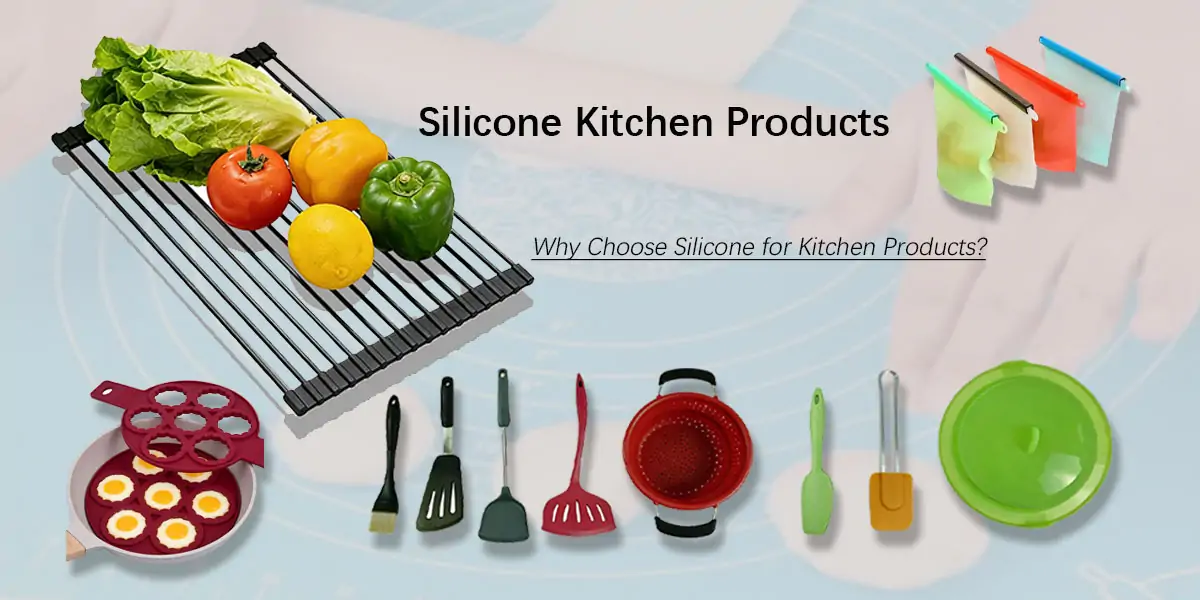
In kitchen applications, silicone is commonly used for:
- Silicone baking molds
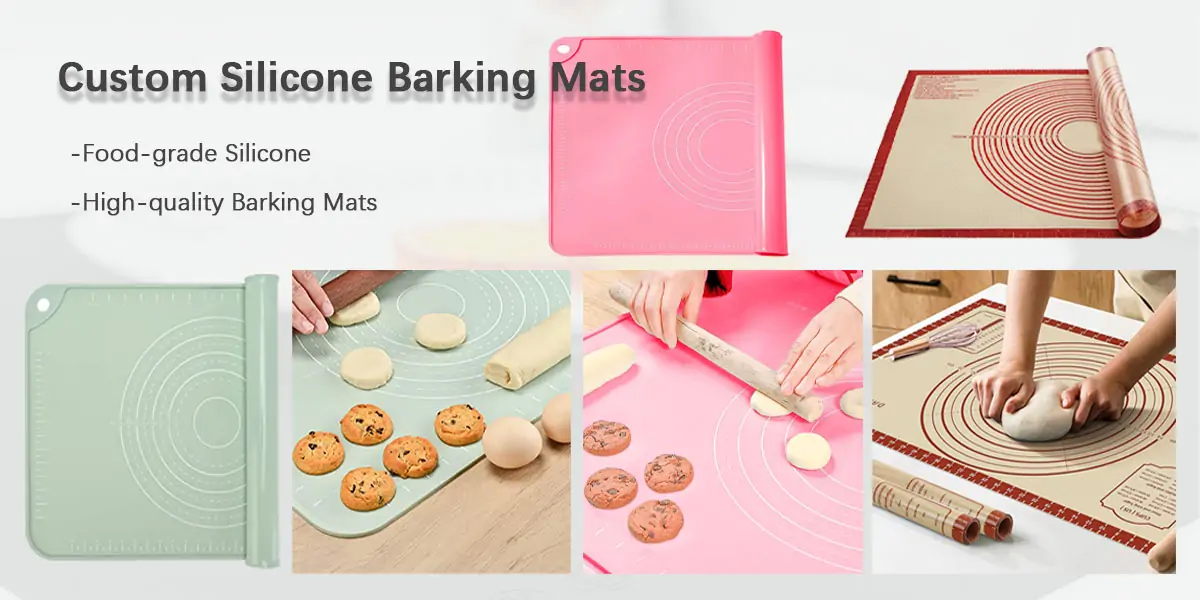
- Silicone baking mats
- Silicone spatulas
- Silicone kitchen utensils
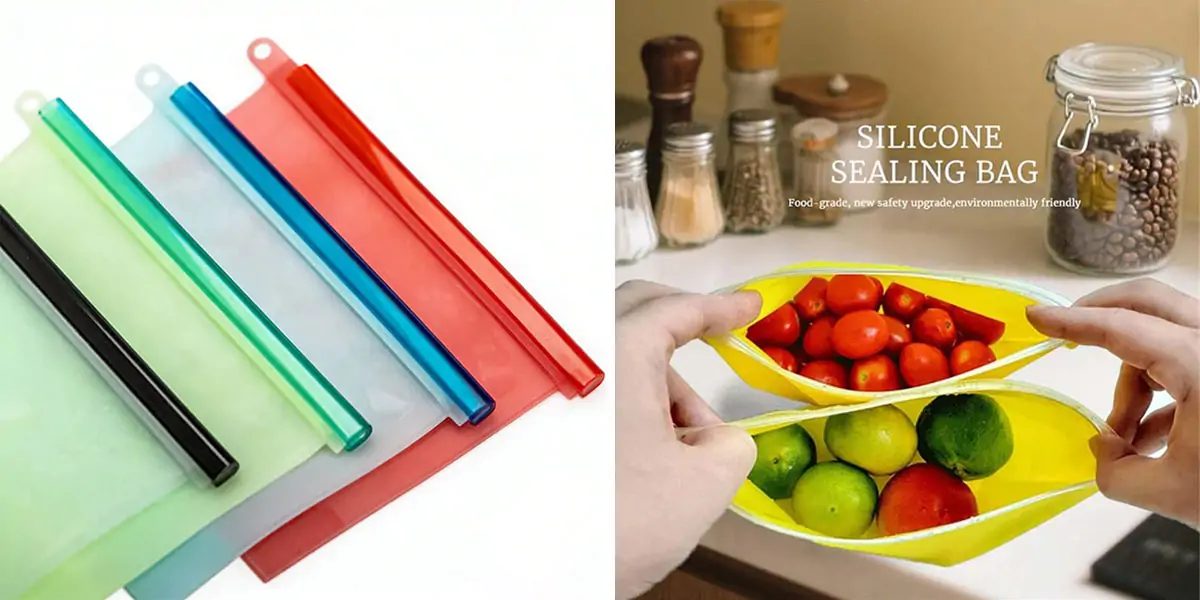
- Silicone food storage containers
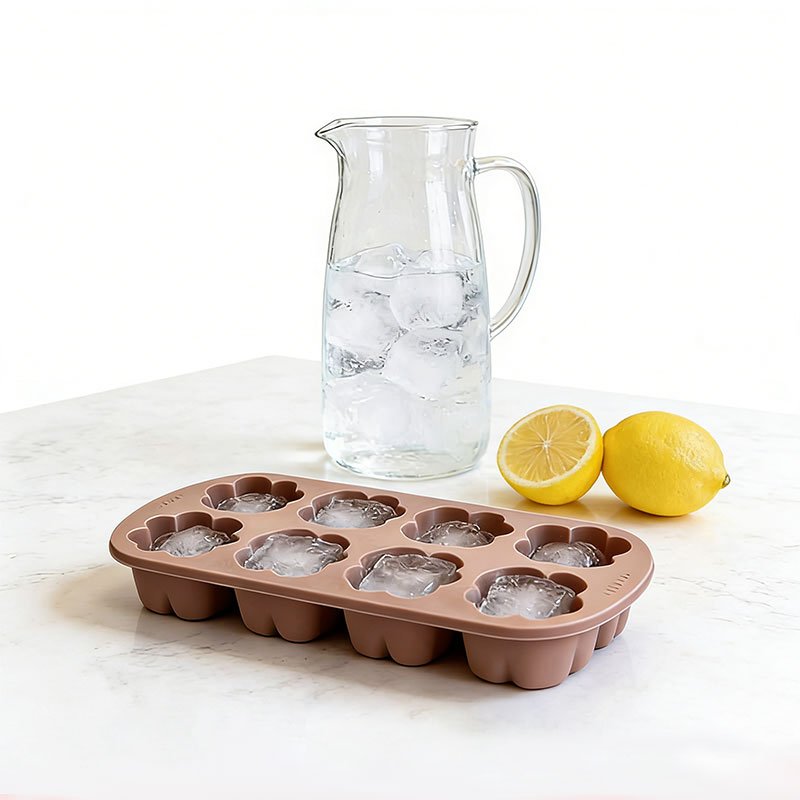
- Silicone ice cube trays
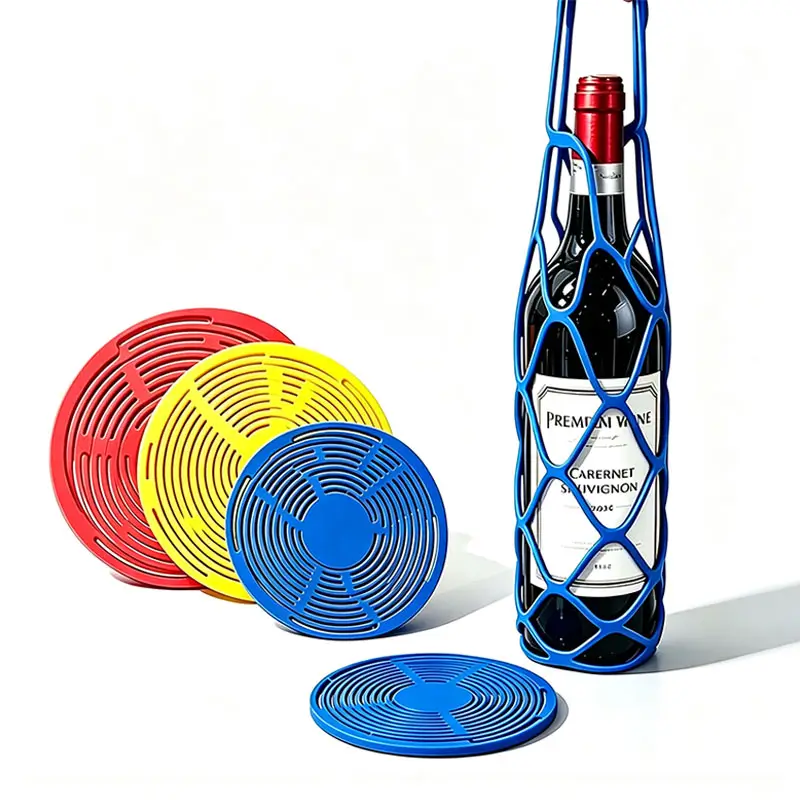
- Silicone kitchen accessories
- Silicone lids and seals
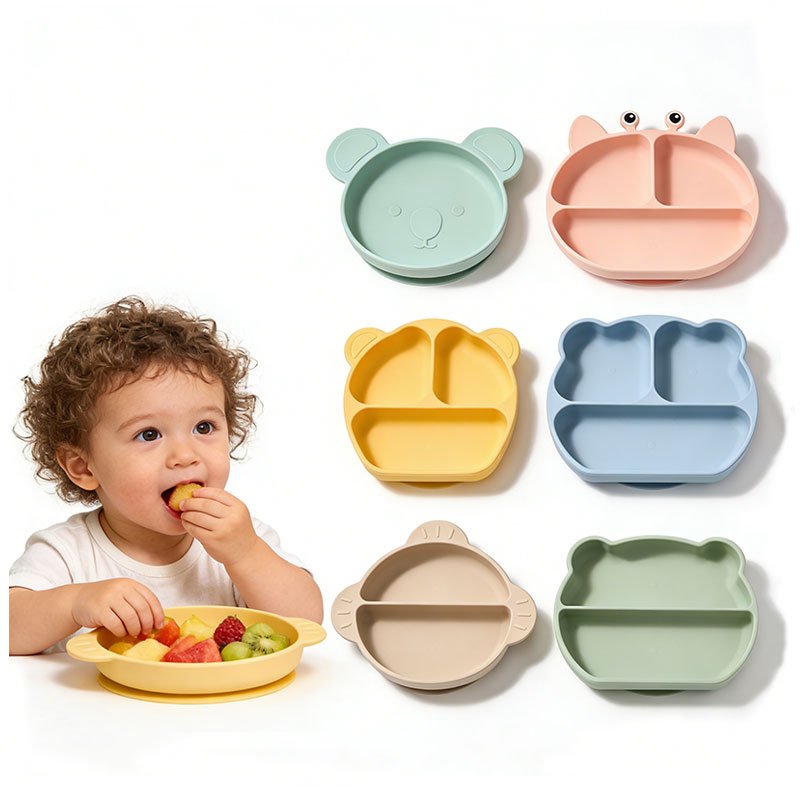
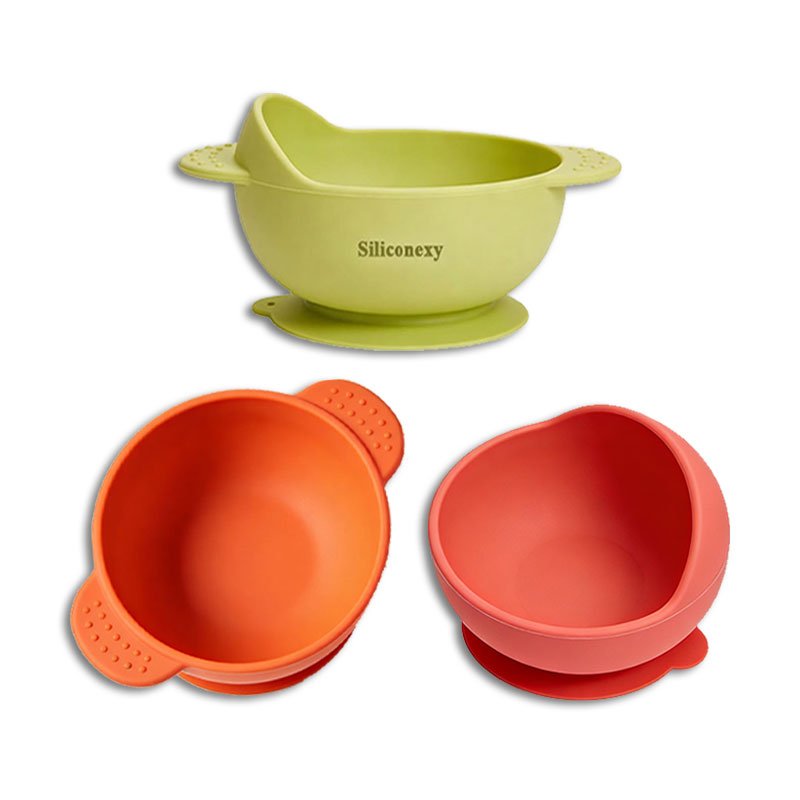
- Silicone baby feeding products
1. Silicone Offers Good Temperature Resistance & Thermal Stability
One of the main reasons silicone is used in kitchenware is its ability to withstand a wide range of temperatures. Many silicone kitchen products are designed for applications involving hot food, baking, cooking, or temperature changes.
Traditional kitchen materials have obvious temperature limitations: plastic tools melt and deform at high temperatures, wooden utensils scorch and crack easily, and ordinary rubber products age rapidly under heat.
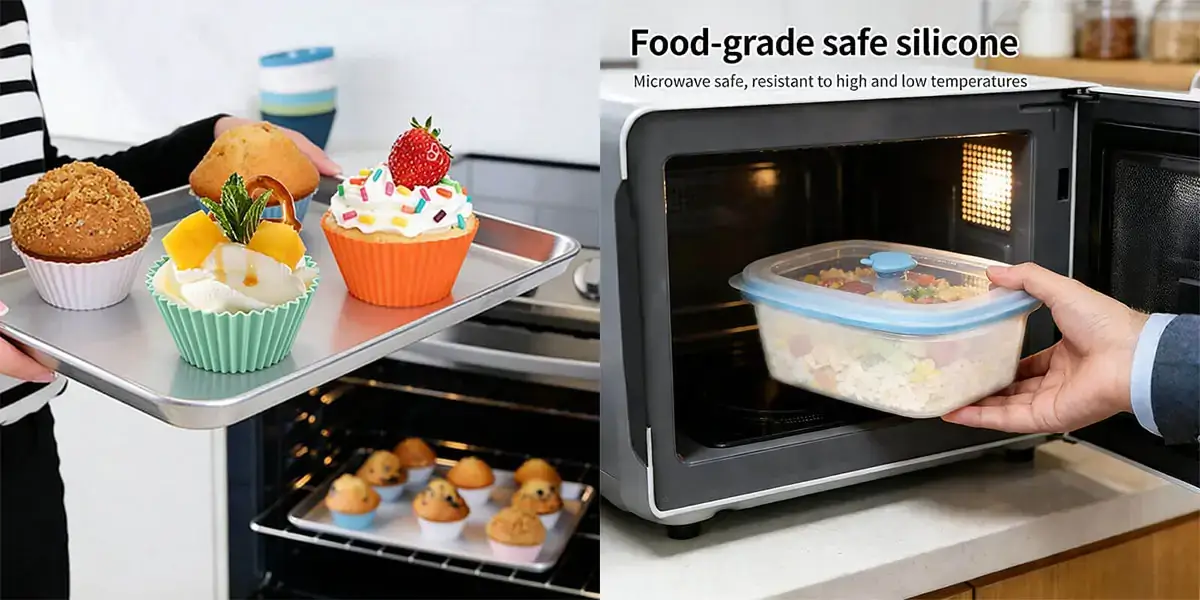
In contrast, high temperature resistant silicone kitchenware boasts excellent thermal stability, supporting a wide working temperature range from -40°C to 220°C. This means silicone baking mats, spatulas, and molds can be safely used in ovens, microwaves, steamers, refrigerators, and dishwashers without deformation, melting, or discoloration. This all-temperature adaptability makes multipurpose silicone cooking tools suitable for various complex kitchen scenarios, far exceeding the usage limits of traditional kitchenware.
However, heat resistance depends on the specific silicone formulation and product design. Not every silicone product is suitable for use in an oven, microwave, or high-temperature application. Health Canada advises consumers to follow the manufacturer’s instructions and not use silicone bakeware above its specified temperature limit.
Why This Matters for OEM Buyers?
When developing custom silicone kitchen products, manufacturers need to consider:
- Intended operating temperature
- Contact with hot food
- Heating and cooling cycles
- Product thickness
- Silicone material grade
- Curing and molding conditions
For an OEM project, the required temperature range should be clearly defined before material selection and product development.
Reference:
- Can I Use Silicone Bakeware in the Microwave or Oven?
- Nylon vs Silicone Cooking Utensils: Which Is Better for Your Kitchen?
2. Food-Grade Safety & Chemical Inertness
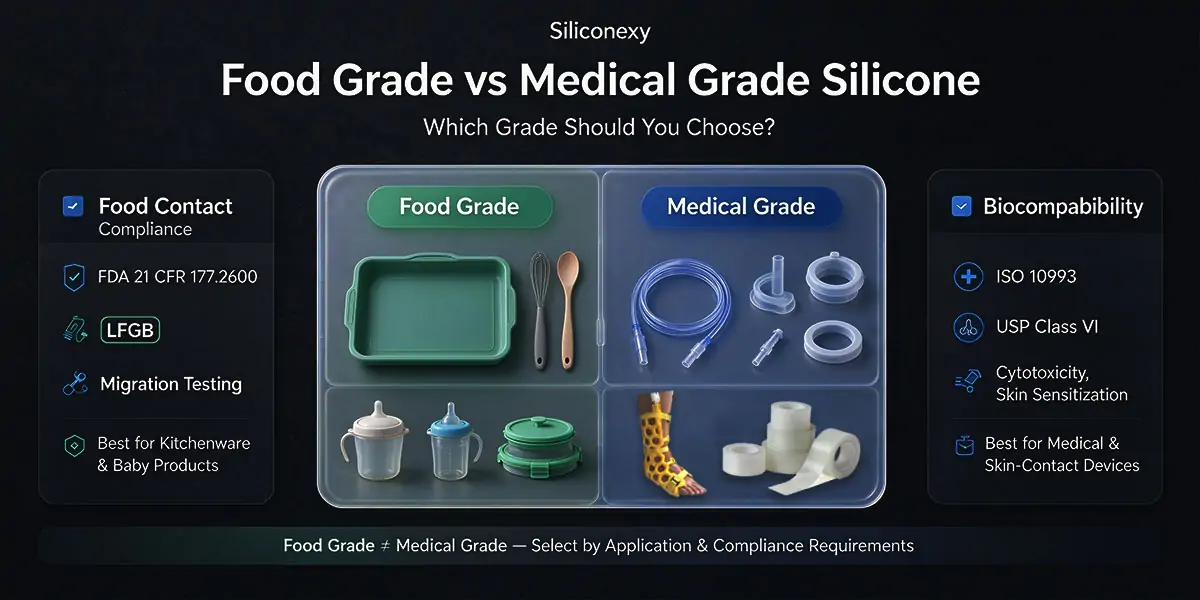
One of the most important considerations for kitchen products is whether the material is appropriate for its intended food-contact use. It is important to understand that “silicone” does not automatically mean “food-safe.”
The biggest advantage of premium silicone kitchen products lies in their non-toxic, BPA-free, and phthalate-free material properties. Unlike plastic kitchenware that releases microplastics and harmful chemical residues under high heat, high-quality food-grade silicone is a chemically inert polymer that will not leach toxic substances into food during baking, boiling, steaming, or frying.
However, it is important not to interpret this as meaning that every silicone product is automatically FDA compliant. Low-grade silicone can contain plasticizers or non-inert colorants that do leach when heated.
A finished product intended for food contact must meet the applicable requirements for its intended use.
Depending on the target market, customers may require relevant documentation and testing, such as:
- Material specifications
- Supplier declarations
- Food-contact compliance documentation
- Migration testing
- Applicable regulatory test reports
- Batch traceability
The European Food Safety Authority also notes that substances from food-contact materials can migrate into food and that safety assessments consider migration and toxicological data.
For silicone kitchenware, the exact requirements depend on the material, product, intended use, and destination market.
3. Silicone Is Flexible & Protective for Premium Cookware
This characteristic is particularly useful for silicone kitchen products that need to be squeezed, folded, bent, or released from a mold. This property is valuable in silicone bakeware and kitchen accessories. For example, flexible silicone baking molds can make it easier to remove cakes, muffins, chocolates, and other molded foods.
Silicone is naturally flexible, making it particularly useful for products that need to bend, compress, or release their contents easily. The material can be designed with different hardness levels to suit the intended application. For custom silicone product manufacturers, this provides flexibility in developing products that combine functionality with user-friendly designs.
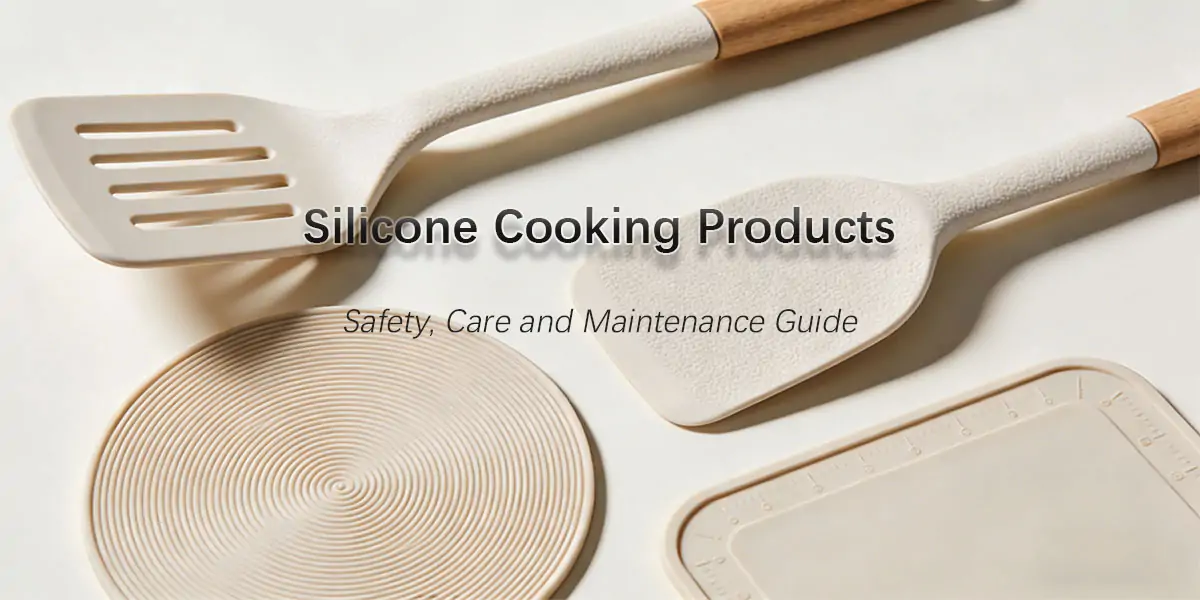
Metal cooking utensils are easy to scratch and damage non-stick pans, ceramic pots, and enamel cookware, while wooden tools are hard and bulky with poor flexibility. Silicone kitchen products feature soft and flexible material characteristics, with moderate hardness and toughness. Silicone spoons, spatulas, and baking mats can fully fit cookware surfaces, effectively protecting various premium pots and pans from scratches and abrasion.
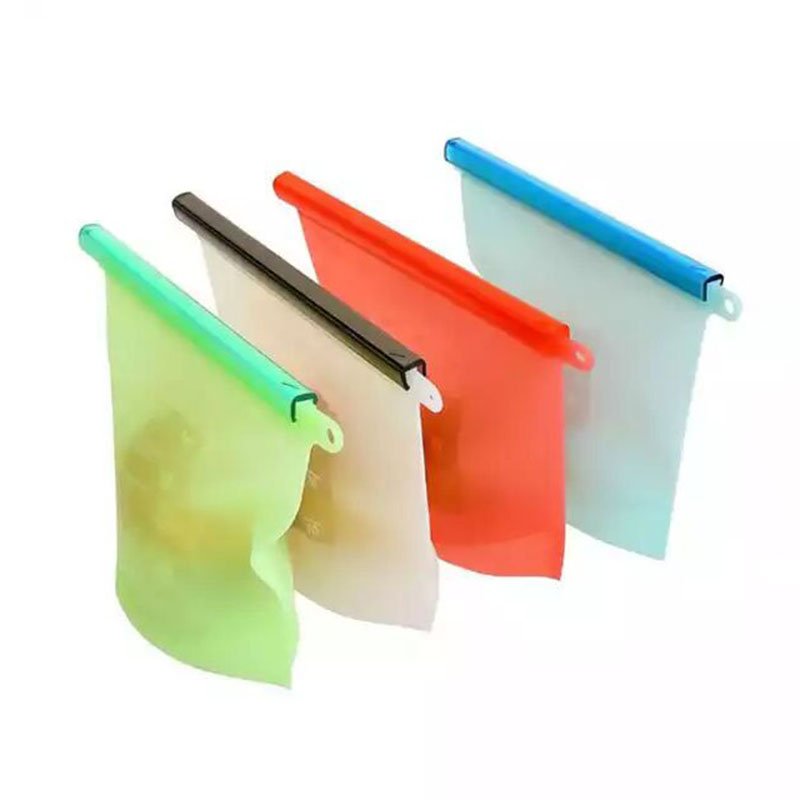
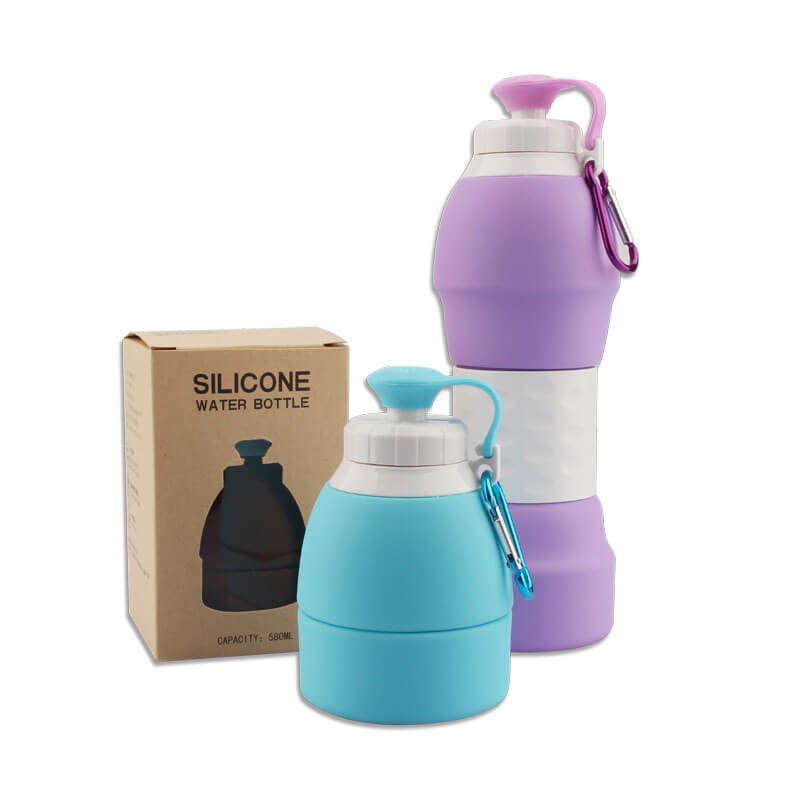
Meanwhile, its flexible foldable design saves kitchen storage space. Foldable silicone baking trays, silicone food storage bags, and pot covers can be stacked and stored at will, solving the storage troubles of bulky traditional kitchenware, and is very suitable for small families, RV kitchens, and compact catering kitchens.
4. Silicone Can Provide Long-Term Flexibility and Durability
Reusable food-grade silicone kitchen products have far stronger durability than plastic and wooden kitchenware. Premium silicone materials resist daily wear, repeated bending, and long-term high and low temperature alternating use, not easy to crack, harden, or deform.
Silicone is widely used in reusable kitchen products because it can maintain its flexibility and functional properties over repeated use when the material and product are properly selected.
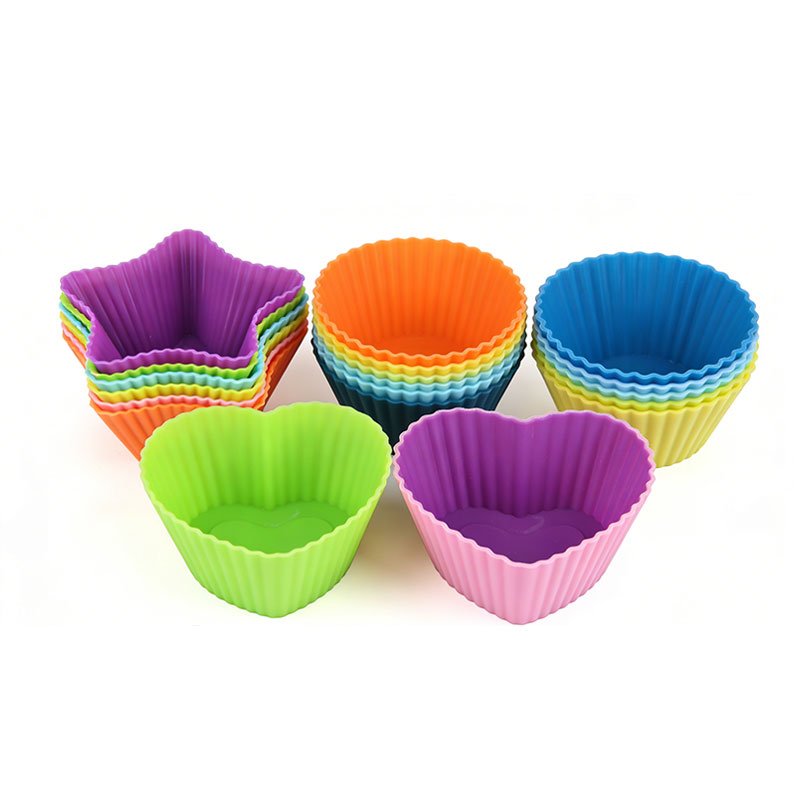
Compared with many single-use materials, reusable silicone products can be designed for repeated cooking, food storage, and cleaning applications. A reusable silicone baking mat replaces parchment paper and aluminum foil (both single-use products) for potentially thousands of baking cycles. Silicone muffin cups replace paper liners. Silicone food storage bags and containers replace disposable plastic wrap and zip-top bags.
Compared with the production and disposal processes, the use of silicone can reduce carbon dioxide emissions by up to nine times. For brands targeting environmentally conscious consumers, silicone kitchenware is a sustainable development story worth promoting.
However, durability is not automatic for every silicone product. Product life depends on the silicone formulation, design, thickness, operating conditions, cleaning methods, and exposure to heat or chemicals.
This is why selecting the appropriate silicone material for the intended application is an important part of OEM product development.
5. Non-Stick Properties for Baking Applications
Silicone is commonly used in bakeware because its surface can help reduce food sticking and make demolding easier. The smooth surface of the silicone baking tools also enables baked goods to be easily removed from the mold without the need for greasing, dusting with flour, or damaging the muffins.
This is particularly useful for:
- Cake molds
- Muffin molds
- Chocolate molds
- Silicone baking mats
- Candy molds
- Reusable baking accessories
The flexibility of silicone allows users to bend or release a molded product more easily than with some rigid materials.
However, silicone is not automatically non-stick in every application. The actual performance depends on the silicone formulation, surface finish, food type, and product design. For manufacturers developing custom silicone bakeware, these factors should be evaluated during product testing.
6. Easy to Clean and Maintain
Silicone kitchen products generally have smooth, flexible surfaces that can be convenient to clean. Many silicone kitchenware products are also designed for repeated washing, and some are suitable for dishwasher use when specified by the manufacturer.
The ability to clean and reuse these products makes silicone a practical material for everyday kitchen applications. However, dishwasher suitability should not be assumed for every silicone product. The actual product instructions and material specifications should determine the appropriate cleaning method.
And easy-to-clean performance is not determined by the silicone material alone. Product geometry also matters. Deep grooves, narrow gaps, and complicated structures can make cleaning more difficult regardless of the material.
7. Silicone Is Suitable for Custom OEM and ODM Kitchen Products
Silicone is a useful material for businesses developing private-label kitchen products because it supports customization across both product design and manufacturing.
For example, brands may request:
- Custom silicone baking molds
- Private-label silicone kitchen utensils
- Custom silicone food containers
- Silicone kitchen accessories
- Custom silicone lids and seals
- Silicone products with custom colors
- Silicone products with embossed logos
- Silicone products in different sizes and hardness levels
For brands developing new kitchen products, the ability to customize the material, structure, color, logo, and packaging can be just as important as the material itself.
A professional custom silicone kitchen products manufacturer can support the development process from an initial concept through prototype and mass production. An OEM or ODM manufacturer can help coordinate product design, material selection, mold development, prototyping, and mass production.
For businesses purchasing silicone kitchen products in bulk, this integrated approach can simplify communication between product development and manufacturing.
Silicone vs. Other Kitchen Product Materials
Silicone is not automatically the best material for every kitchen application. Different materials have different advantages.
| Requirement | Silicone | Plastic | Metal | Glass |
|---|---|---|---|---|
| Flexibility | Excellent | Depends on material | Low | Very low |
| Soft-touch feel | Excellent | Limited | No | No |
| Complex molded shapes | Excellent | Excellent | Depends on process | Limited |
| Temperature resistance | Good to excellent depending on grade | Depends on polymer | Excellent | Excellent |
| Lightweight | Yes | Yes | Usually heavier | Usually heavier |
| Custom colors | Excellent | Excellent | Possible | Possible |
| Food-contact applications | Available with suitable grades | Available with suitable grades | Common | Common |
| Impact/flexibility | Excellent | Depends on material | Rigid | Brittle |
The right choice ultimately depends on the product’s intended function, operating conditions, regulatory requirements, design, and target cost. For products requiring flexibility, soft-touch performance, molded details, and repeated temperature changes, silicone can offer a particularly useful combination of properties.
What Should Buyers Consider When Choosing Silicone for Kitchen Products?
Choosing silicone should not be based simply on the phrase “food grade.” For a new product, buyers should discuss the following specifications with their silicone manufacturer:
- Material. What type and grade of silicone will be used?
- Food-Contact Requirements. What market will the product be sold in, and what food-contact requirements apply?
- Temperature. What are the minimum and maximum intended operating temperatures?
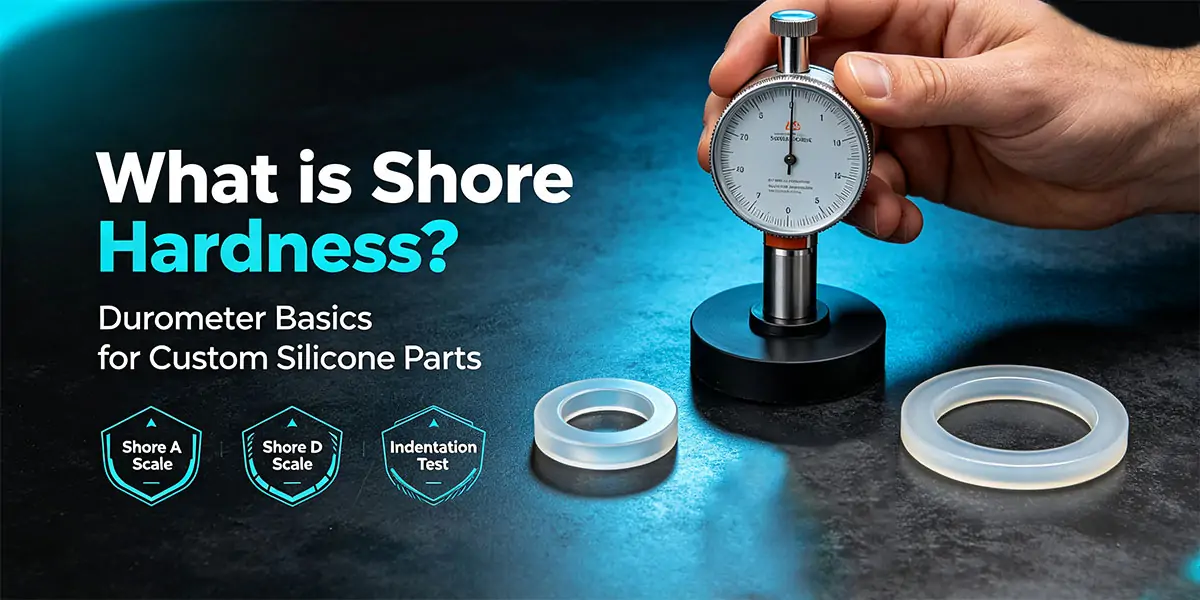
- Hardness. Does the product need to be soft, flexible, firm, or highly elastic?
- Color. Is a standard color, Pantone reference, RAL reference, or physical sample required?
- Surface. Should the product be smooth, matte, textured, embossed, or anti-slip?
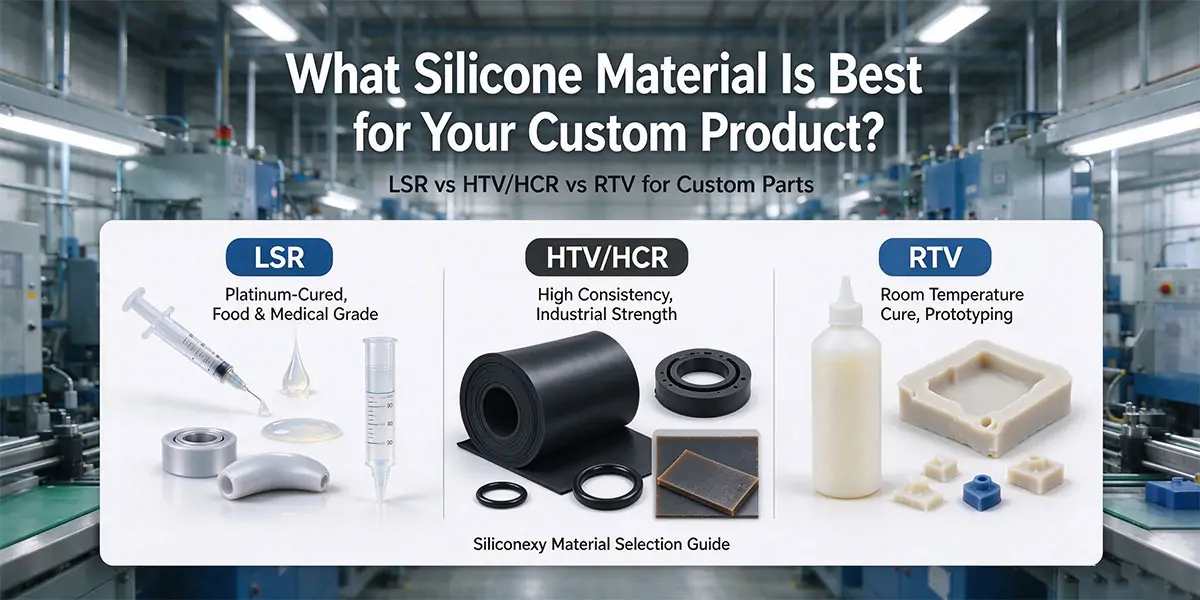
- Manufacturing Process. Will silicone compression molding, LSR injection molding, extrusion, or another process be used?
- Production Volume. Is the project for prototype quantities, small-batch production, or large-scale mass production?
These specifications allow the manufacturer to select a more appropriate material and production solution.
How to Develop a Custom Silicone Kitchen Product?
A typical OEM/ODM development process may include:
- Product Concept. Provide your design, drawings, samples, or product requirements.
- Material Evaluation. Review the required silicone material, hardness, temperature resistance, and intended application.
- Product Design and Mold Development. Develop the product structure and manufacturing mold according to the approved design.
- Prototype Production. Produce samples for evaluating product appearance, structure, and functionality.
- Testing and Approval. Evaluate the product according to the applicable requirements and obtain customer approval.
- Mass Production. Proceed with silicone molding and production after the product and manufacturing requirements have been confirmed.
- Quality Inspection and Delivery. Inspect the finished products according to the agreed quality requirements before packaging and shipment.
The exact workflow depends on the product category, material, mold structure, and customer requirements.
Siliconexy: Custom Silicone Kitchen Products Manufacturer
Siliconexy (Xinyin) provides OEM and ODM custom silicone product manufacturing services for brands, wholesalers, distributors, and product developers.
Our manufacturing capabilities include:
- Silicone compression molding
- LSR injection molding
- Silicone product development
- Custom mold manufacturing
- Prototype development
- Custom color matching
- Surface texture customization
- Logo and pattern customization
- Mass production
- Quality inspection
- Packaging
With over 10 years of experience in the industry, we offer:
- ISO 9001 certified manufacturing processes
- Competitive pricing and flexible MOQs
- Fast turnaround times and on-time delivery
- Expert engineering and design support
- Strict quality control and testing
For custom silicone kitchen products, the manufacturing process can be adapted to the product’s material, structure, size, application, and production requirements.
For kitchen products, customization can include:
- Product shape and dimensions
- Silicone hardness
- Custom colors
- Pantone color matching
- Surface texture
- Logos and patterns
- Product structure
- Custom molds
- Prototype development
- Small and large production runs
Our engineering and manufacturing teams can work with customers from the initial product concept through design, mold development, prototyping, mass production, quality inspection, and delivery. Whether you are developing a silicone baking mold, kitchen utensil, food storage product, or other silicone kitchen accessory, our team can evaluate the project requirements and help determine a suitable manufacturing approach.
Conclusion: Why Choose Silicone for Kitchen Products?
Silicone offers a useful combination of flexibility, temperature resistance, durability, design versatility, and customization potential, making it suitable for a wide range of kitchen applications. For brands developing custom kitchen products, silicone can also support different colors, textures, hardness levels, product structures, and manufacturing processes.
However, selecting the right silicone requires more than simply choosing a “food-grade” material. The silicone formulation, intended food-contact conditions, temperature requirements, product design, manufacturing process, and applicable regulations should all be considered.
For custom silicone kitchen products, working with an experienced OEM/ODM manufacturer can help connect material selection with product design and mass production.
Siliconexy supports custom silicone kitchen product development from mold design and prototyping to compression molding, LSR injection molding, quality control, and mass production.
Have a new silicone kitchen product idea? Send us your drawing, sample, or product concept to discuss your OEM/ODM project.