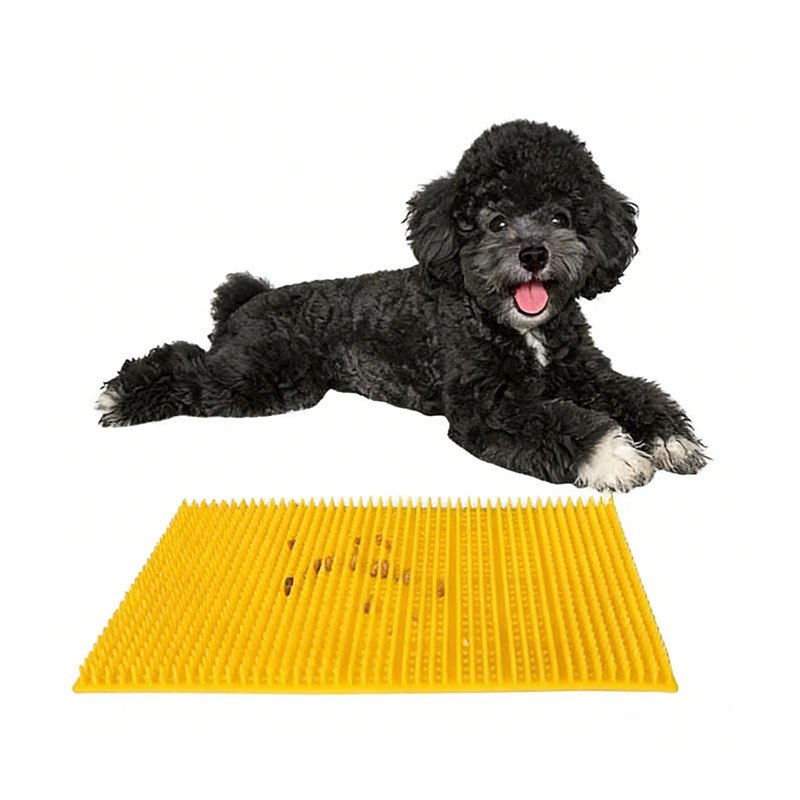
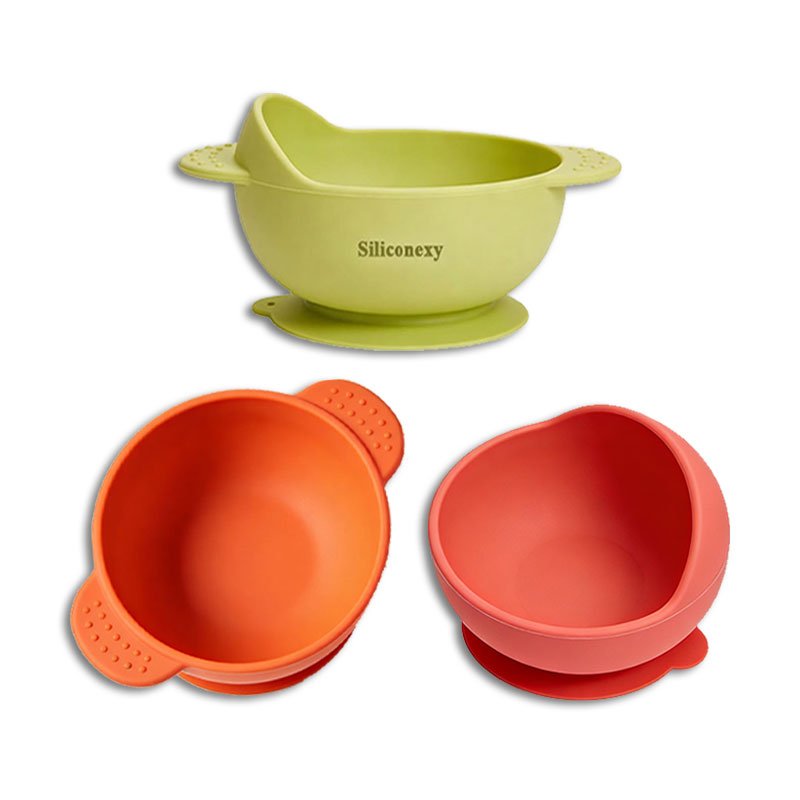
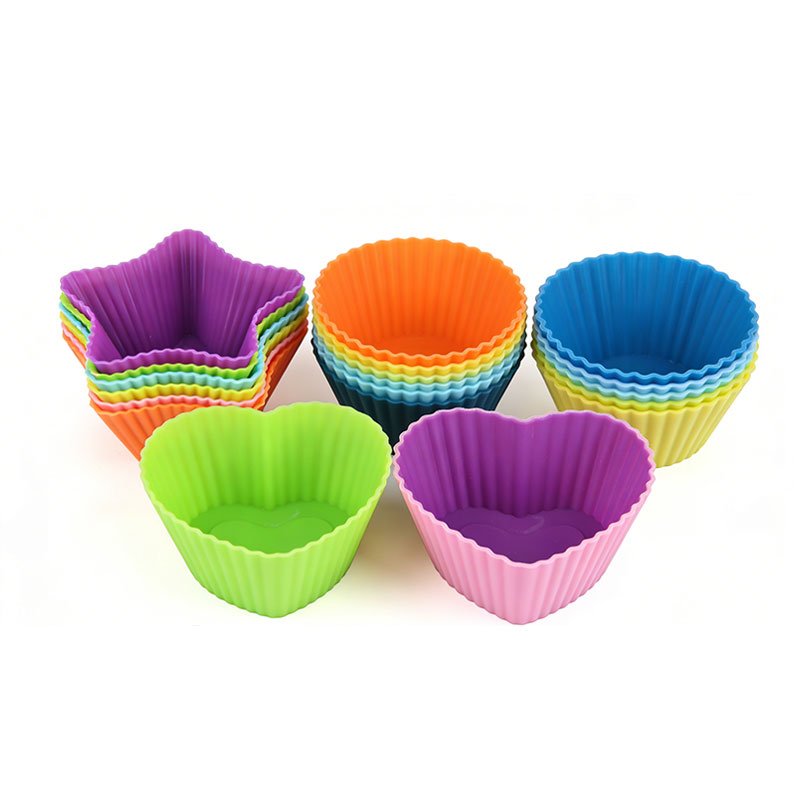
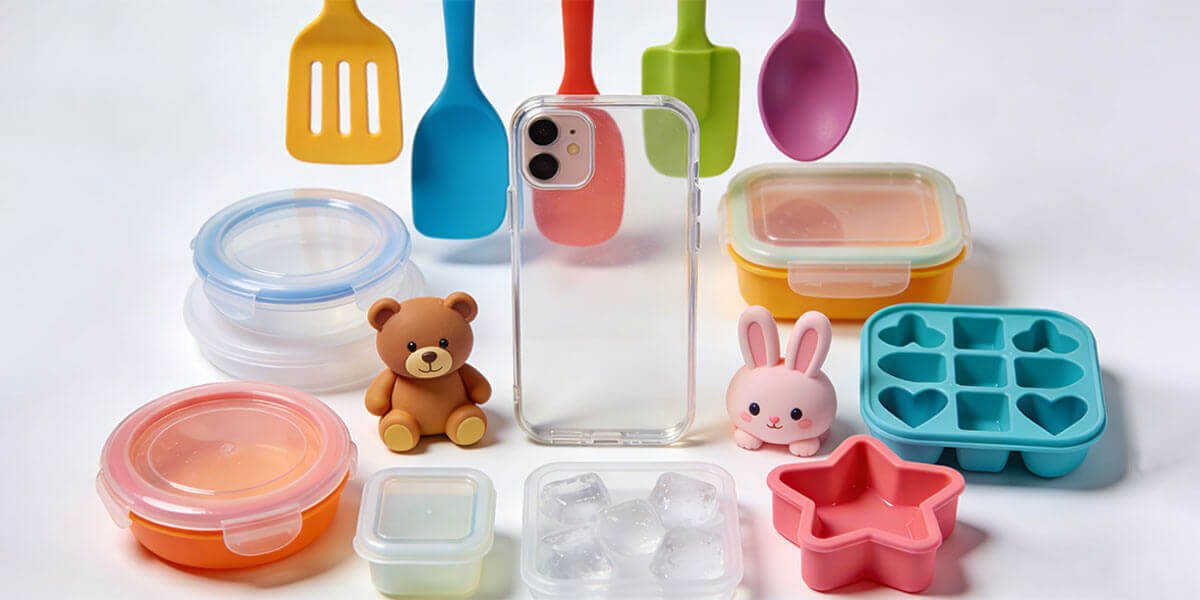
For global brands, wholesalers, retailers and importers, China has long been the go-to manufacturing hub for custom silicone products—from baby feeding gear and pet supplies to kitchenware, industrial components and medical-grade silicone items. The country’s mature supply chain, skilled labor and scalable production capacity deliver unbeatable cost efficiency, but sourcing safely requires structured planning, supplier vetting and quality control to avoid delays, defects or compliance risks.
This actionable guide breaks down the step-by-step process to source custom OEM/ODM silicone products from China, focusing on safety, cost control, regulatory compliance and long-term partnership building—backed by industry best practices and transparent, factual insights for importers worldwide.
Why Source Custom Silicone Products from China?
China has developed extensive capabilities in silicone processing over the past two decades. China dominates the global silicone manufacturing market due to fully integrated supply chains (raw material processing, mold making, production and packaging), technical expertise in custom molding and flexible production scales.
Unlike regional manufacturers, Chinese silicone factories support both small-batch prototype orders and large-scale bulk production, making it accessible to startups and established brands alike.
Key advantages include:
- Cost Efficiency: Competitive pricing on raw materials, labor and tooling without compromising material grade (food-grade, medical-grade, industrial-grade silicone available).
- Customization Flexibility: Full OEM/ODM support for design, shape, size, color, logo and packaging tailored to brand requirements.
- Technical Expertise: Experienced in complex silicone molding, texture design and regulatory compliance for global markets.
- Scalable Production: Flexible MOQs (Minimum Order Quantities) to accommodate brand testing, wholesale orders and bulk inventory.
That said, not all manufacturers operate at the same quality level. Success depends on selecting the right partner and managing the sourcing process systematically.
Key Pre-Sourcing Steps to Mitigate Risks
Before reaching out to suppliers, clear planning eliminates miscommunication and reduces sourcing risks. This phase lays the foundation for safe, cost-effective custom silicone product sourcing.
Step 1: Define Your Product Requirements Clearly
Before contacting potential suppliers, document your specifications comprehensively. Ambiguity leads to misalignment and costly revisions.
Clear specifications allow suppliers to provide accurate quotations and reduce the likelihood of misunderstandings during production. Vague requirements often lead to price fluctuations, delayed timelines, or products that do not meet expectations.
Essential Specifications to Define
| Material type | Liquid Silicone Rubber (LSR) or Solid Silicone (HCR) |
|---|---|
| Material grade | Food grade, medical grade, industrial grade; FDA, LFGB, USP Class VI, or other certification requirements |
| Physical properties | Hardness (Shore A), tensile strength, elongation, tear resistance if applicable |
| Dimensional specifications | 2D drawings with tolerances; 3D files (STEP, IGES) preferred |
| Production volume | Estimated annual quantity; initial trial order quantity |
| Quality requirements | Visual standards (AQL levels), functional testing criteria, packaging specifications |
| Certifications needed | Material test reports, RoHS, REACH, or other regulatory compliance documents |
Step 2: Identify and Evaluate Potential Manufacturers
Finding the right manufacturing partner requires more than a quick search on B2B platforms. Consider a multi-stage evaluation process.
Initial Screening
- Check business licenses and registrations: Verify that the company is properly registered and authorized to export.
- Review product portfolios: Look for experience with similar products to yours.
- Assess communication responsiveness: Timely, clear responses indicate operational reliability.
- Request references or case studies: Established manufacturers can usually provide examples of past projects.
Evaluate Manufacturing Capabilities
- Material sourcing: Inquire about raw material supply chains. Reputable manufacturers typically use certified suppliers.
- Tooling capabilities: In-house mold-making often translates to better control over quality and lead times.
- Production processes: Understand whether they specialize in compression molding, injection molding, liquid silicone rubber (LSR) molding, or extrusion.
- Quality control systems: ISO 9001 certification is a baseline indicator; for medical products, ISO 13485 is relevant.
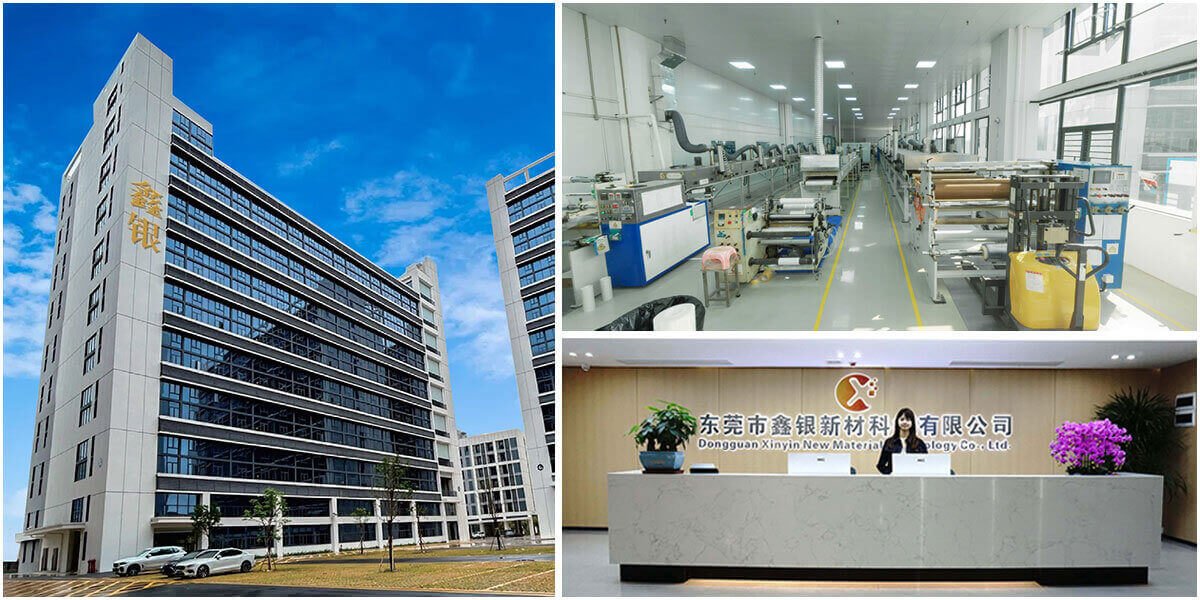
Visit the Facility (or Conduct Virtual Audits)
If feasible, visiting the manufacturing facility provides the most reliable assessment. When in-person visits are not possible:
- Request a virtual tour via video call.
- Ask for photos of production floors, quality control labs, and warehouse areas.
- Consider third-party inspection services for initial supplier verification.
Step 3: Evaluate Certifications and Compliance
For applications involving safety or regulatory requirements, verifying certifications is essential.
Common standards include:
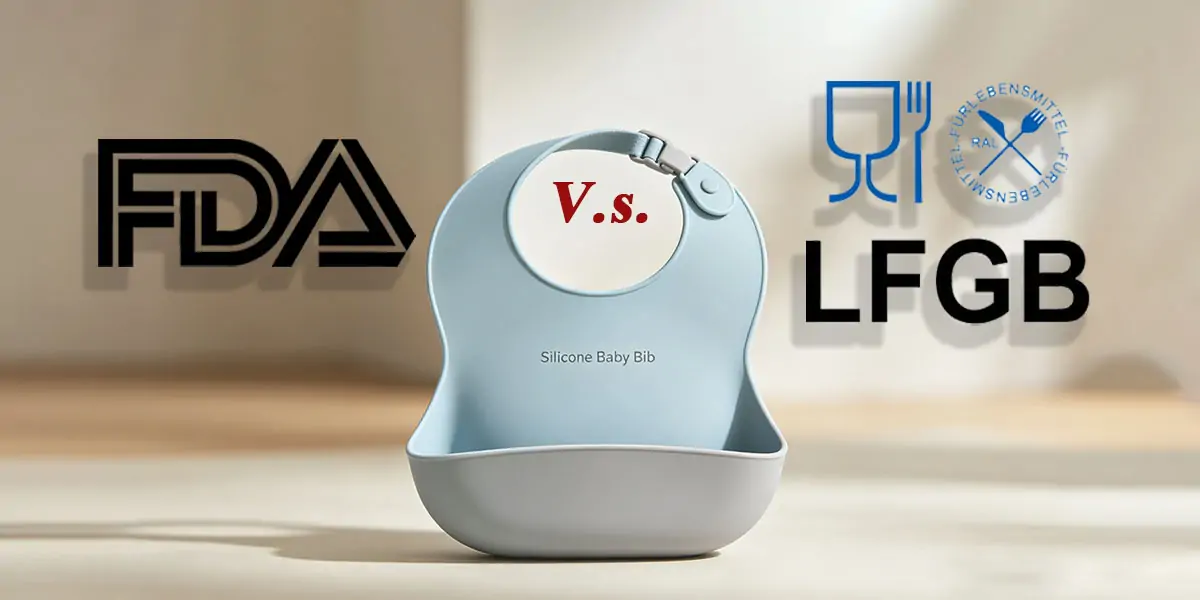
- FDA (U.S. food contact compliance)
- LFGB (EU food-grade standard)
- RoHS / REACH (chemical compliance)
- ISO 9001 (quality management systems)
Request documentation and confirm whether testing is conducted by third-party laboratories.
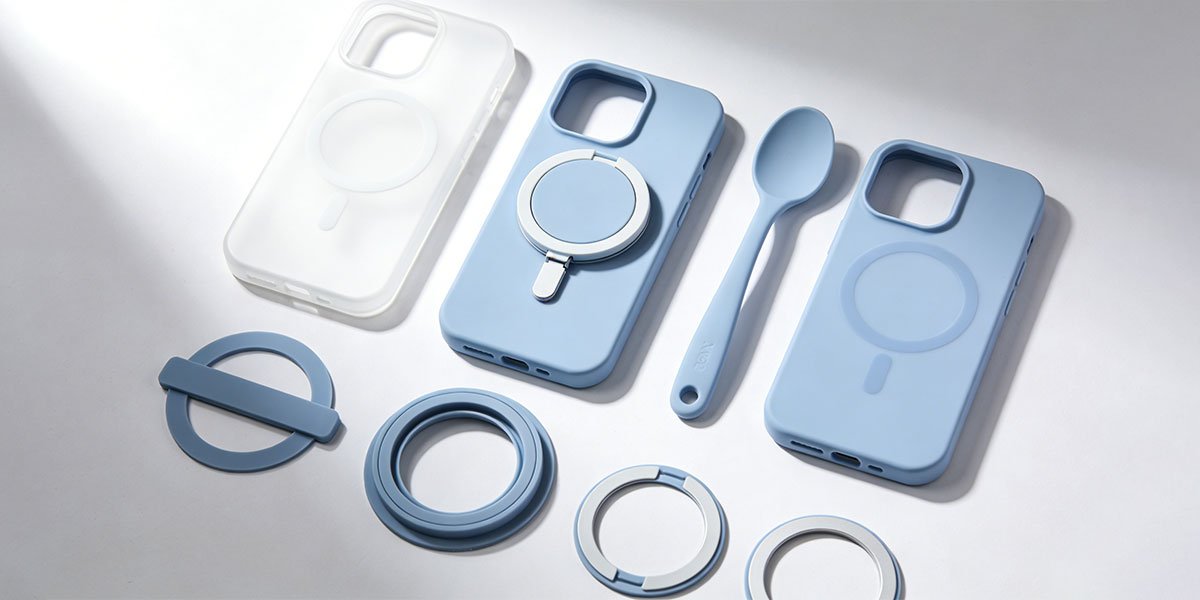
Step 4: Understand Silicone Manufacturing Processes
Different production methods affect cost, precision, and scalability.
- Compression Molding
Suitable for solid silicone rubber
Cost-effective for simple designs - Liquid Silicone Injection Molding (LSR)
High precision and consistency
Commonly used for baby and medical products - Extrusion
Used for tubes, seals, and continuous profiles
Understanding these processes helps when discussing feasibility and pricing with a silicone manufacturer in China.
Step 5: Set a Realistic Budget (Including Hidden Costs)
Pricing for custom silicone products depends on multiple variables rather than a fixed rate.
Main cost drivers:
- Material selection: LSR is typically more process-intensive than solid silicone.
- Tooling (mold) cost: one-time investment depending on design complexity.
- Order quantity (MOQ): larger volumes generally reduce unit cost.
- Product complexity: tight tolerances or multi-part designs increase cost.
- Surface finishing and packaging requirements.
Instead of focusing only on the lowest quote, it is advisable to evaluate total cost, including quality consistency and defect rates.
How to Vet & Select Reliable Chinese Silicone Manufacturers
Supplier credibility is the single biggest factor in safe sourcing. Focus on industry-focused, integrated industry and trade silicone manufacturers with in-house design, mold making and production teams—third-party trading companies add markup and reduce oversight.
Critical Vetting Criteria:
- Business Legitimacy: Verify business licenses, export certificates and factory audits (BSCI, Sedex, ISO).
- Specialization: Prioritize manufacturers with proven experience in custom silicone products (not general plastic factories).
- Compliance Documentation: Request material test reports (MTR), FDA/LFGB certificates and safety test data for target markets.
- Production Capacity: Confirm ability to meet MOQ, lead time and bulk order requirements.
- Communication & Responsiveness: Reliable suppliers provide clear updates, technical support and transparent pricing.
Avoid suppliers offering abnormally low prices—this often signals substandard materials, poor quality control or non-compliant production, which leads to product recalls and brand damage.
Choose the Right Type of Supplier
When sourcing custom silicone products from China, suppliers generally fall into two categories:
- Manufacturers (Factories)
Direct production capabilities
Better control over quality and lead time
More competitive pricing for bulk orders - Trading Companies
Broader supplier network
Easier communication in some cases
Less control over production
For long-term projects or OEM customization, working directly with a silicone factory is often more transparent.
Step 6: OEM/ODM Customization Process
From Prototype to Mass Production. A structured customization process ensures your custom silicone products match specifications and maintain cost efficiency. Trusted Chinese manufacturers follow a standardized workflow:
- Design & Feasibility Review: Supplier evaluates your design for mold feasibility and production practicality.
- Quotation & Agreement: Detailed quote including mold cost, unit price, MOQ, lead time and compliance terms.
- Prototype Sample Making: Pre-production samples for approval (critical to confirm design, material and quality).
- Mold Production: Custom mold fabrication based on approved samples.
- Mass Production & Quality Control: In-line inspections to ensure consistency with approved samples.
- Final Inspection & Shipment: Pre-shipment inspection (PSI) before packaging and shipping.
Step 6: Quality Control & Compliance
Non-Negotiable for Safe Sourcing. Cutting corners on quality control leads to costly product failures and regulatory issues. Implement these safeguards:
- Sample Approval: Freeze and sign off on pre-production samples before mass production.
- Material Testing: Require third-party lab testing to confirm silicone grade and safety compliance.
- In-Production Inspections: Monitor production to catch defects early and reduce rework.
- Pre-Shipment Inspection (PSI): Verify order quantity, workmanship and packaging before shipment.
For food-grade silicone products and baby silicone items, mandatory compliance with FDA, LFGB and CPSIA standards protects your brand and meets import regulations in the EU, US and other major markets.
Step 6: Logistics and Lead Time Considerations
Lead times for custom silicone products typically include:
- Mold development (if required)
- Sample production
- Mass production
- Shipping (air or sea freight)
Planning ahead is important, especially for seasonal or high-volume orders.
Step 7: Plan Logistics and Import Requirements
Successful sourcing extends to getting products from the factory to your destination.
Export Documentation. Ensure your supplier provides:
- Commercial invoice
- Packing list
- Bill of lading (for sea freight) or airway bill (for air freight)
- Certificate of origin (if applicable for tariff purposes)
- Material safety data sheets (MSDS) for silicone materials
Shipping Methods
| Method | Transit Time | Cost | Best For |
|---|---|---|---|
| Sea freight (LCL/FCL) | 15-40 days | Low | High-volume, non-urgent shipments |
| Air freight | 3-10 days | High | Urgent shipments, high-value products |
| Express courier | 3-7 days | Highest | Samples, small packages |
Customs and Duties
- Research applicable tariff classifications (HS codes) for your products.
- Understand import duties, taxes, and any regulatory requirements in your destination country.
- Work with a licensed customs broker if unfamiliar with import procedures.
Common Sourcing Challenges and Mitigation Strategies
| Challenge | Mitigation Approach |
|---|---|
| Quality inconsistency | Establish clear AQL standards; conduct inspections; build quality checkpoints into production schedule |
| Communication gaps | Use detailed written specifications; confirm understanding; consider hiring a sourcing agent if language barriers are significant |
| Delayed production | Build buffer time into project timelines; monitor production progress; maintain clear penalty clauses for delays |
| Hidden costs | Request detailed cost breakdowns; clarify mold ownership; understand port charges and handling fees |
| Intellectual property concerns | Sign NDAs before sharing detailed designs; retain mold ownership in contracts; consider registering key designs in China |
| Material substitution | Specify exact raw material brands in contracts; request material certificates with each shipment |
Red Flags to Watch For
While most Chinese manufacturers operate with integrity, certain warning signs warrant caution:
- Unusually low pricing compared to other quotes
- Reluctance to provide samples before full production
- Inconsistent communication or missing promised deadlines during inquiry stage
- Vague or missing certifications when requested
- Pressure to pay full amount before production completion
Is Working with a Manufacturer Like Siliconexy the Right Approach?
At Siliconexy, we are a custom silicone manufacturer based in China. We work with clients across North America, Europe, and Asia to develop injection-molded silicone parts, liquid silicone rubber (LSR) products, and custom-fabricated components.
As an integrated industry and trade custom silicone manufacturer based in China, Siliconexy combines in-house mold making, production and quality control to deliver safe, cost-effective custom OEM/ODM silicone solutions for global clients. We prioritize transparency, compliance and consistent quality, with:
- Full FDA/LFGB/RoHS compliant material options.
- Dedicated technical team for design and prototype support.
- Flexible MOQs for startups and bulk pricing for wholesalers.
- End-to-end quality inspection and pre-shipment verification.
- Transparent pricing with no hidden fees or middleman markup.
For clients sourcing from China, working directly with a manufacturer offers:
- Direct communication with the production team.
- Transparent pricing without intermediary markups.
- Control over quality processes from raw materials to final packaging.
We encourage potential clients to conduct due diligence, request references, and—when possible—visit our facility to understand our capabilities firsthand.
Conclusion
Sourcing custom silicone products from China can be a cost-effective and reliable path to manufacturing—when approached with proper planning and realistic expectations.
Key takeaways for a successful sourcing process:
- Define specifications comprehensively before contacting suppliers.
- Evaluate manufacturers systematically, looking beyond price to capabilities and quality systems.
- Understand cost components to compare quotes meaningfully.
- Establish quality control protocols with clear inspection points.
- Document agreements thoroughly, covering specifications, pricing, and intellectual property.
- Plan logistics and import requirements to avoid delays.
The goal is not simply to find the lowest price, but to establish a manufacturing relationship that delivers consistent quality, reliable communication, and fair value over time.
Siliconexy specialize in custom silicone manufacturing for clients worldwide. If you are sourcing silicone products and would like to discuss your project, we welcome the opportunity to provide a transparent quote and answer your questions about our processes. Contact Us to begin the conversation.