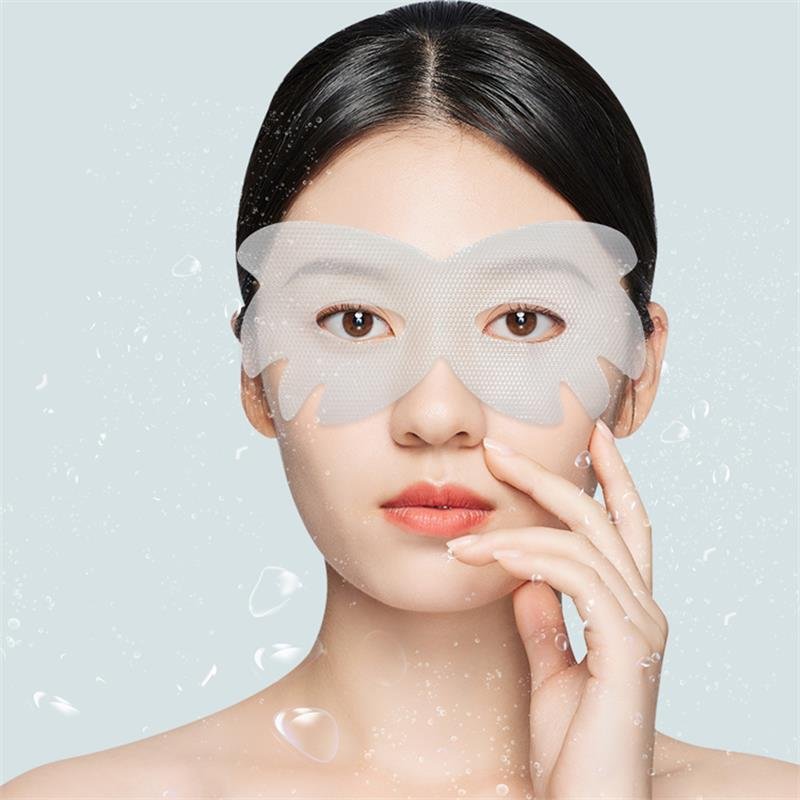
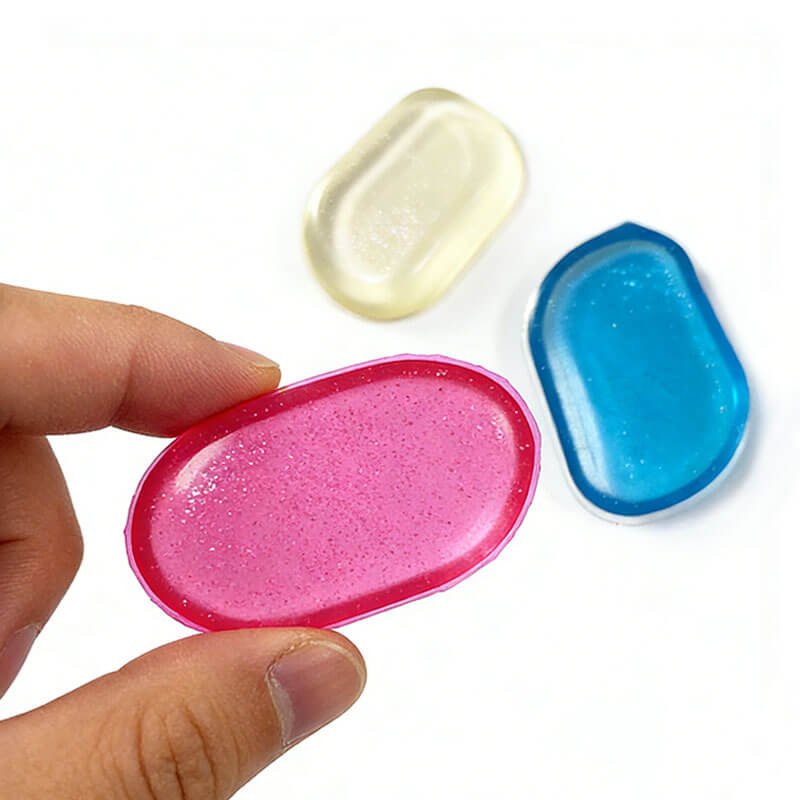
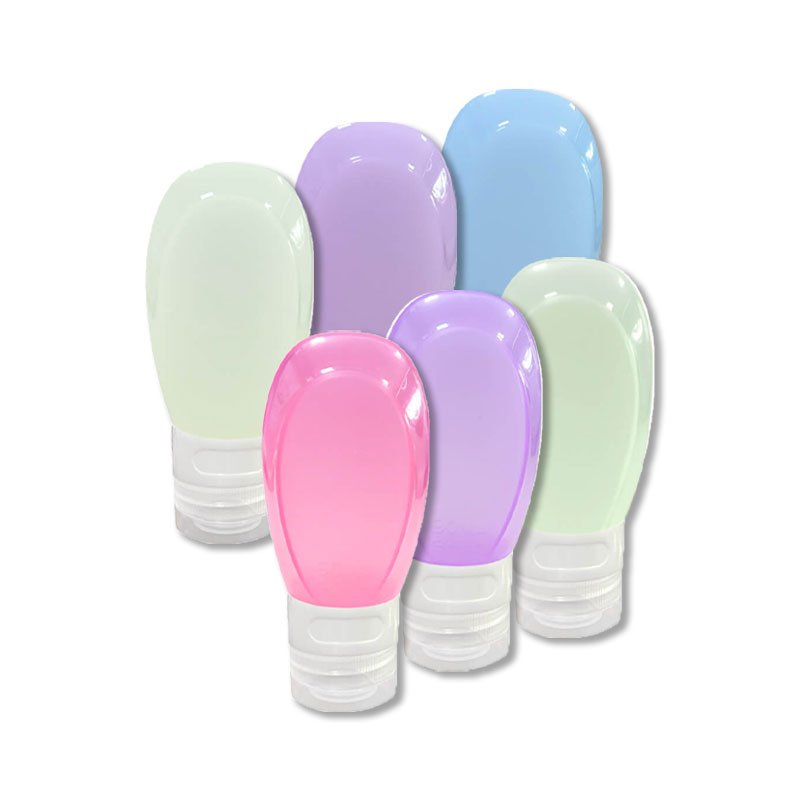
Transparent & translucent silicone products finishes remain one of the most requested custom options for silicone product buyers. Brand owners, product designers and wholesale manufacturers frequently ask how to get clean, cloud-free tinted silicone without losing light transmission.
Many buyers underestimate how base silicone material, pigment choice, loading rate and dispersion directly impact clarity. Adding color carelessly creates haze, clouding, cure inhibition or uneven tint from part to part, especially for thin-wall molded silicone items.
But how do manufacturers create transparent silicone product colors without making the material too opaque? The answer depends on the silicone base material, compatible colorants, pigment concentration, product thickness, and molding process.
For brands and product developers working with a custom silicone products manufacturer, understanding these factors helps achieve the desired appearance while maintaining the product’s required physical properties.
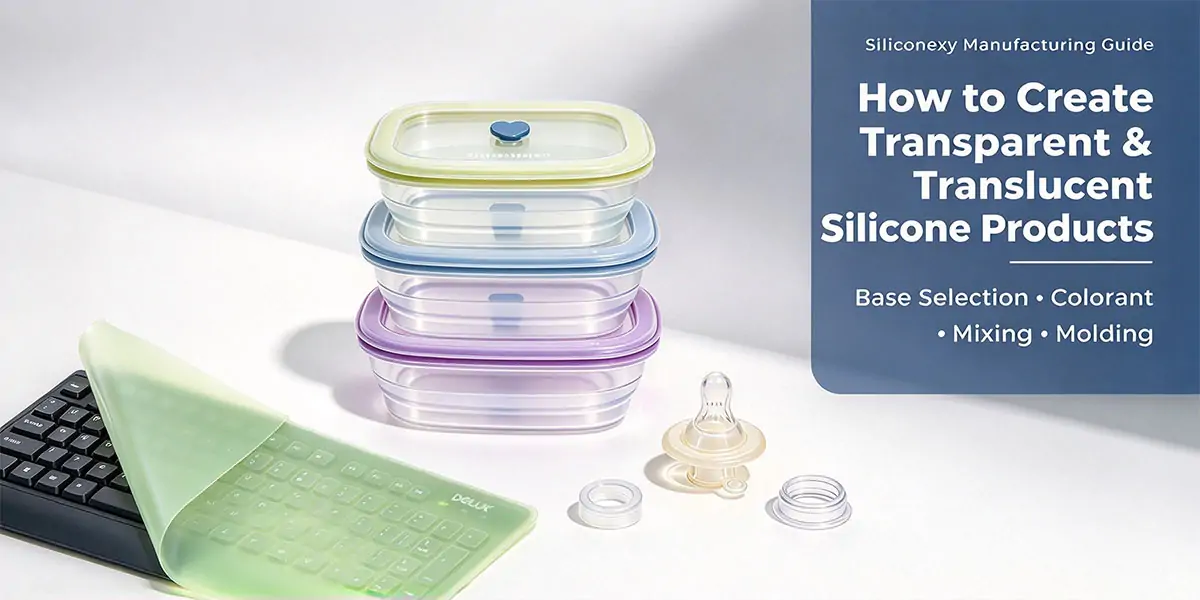
What Is the Difference Between Transparent and Translucent Silicone Products?
Although the terms are often used interchangeably, transparent and translucent describe different ways that light passes through a material.
1. Transparent Silicone Products
Transparent silicone allows light to pass through with relatively little scattering, making objects behind the material more clearly visible.
It is suitable for designs that require a clear appearance or high light transmission. However, the actual clarity of a molded silicone product depends on its formulation, thickness, surface finish, and manufacturing conditions.
2. Translucent Silicone Products
Translucent silicone allows light to pass through but scatters it, making objects behind the material appear blurred or indistinct.
This finish creates a softer, diffused appearance and is often useful for decorative and functional product designs.
For example, translucent silicone can be used to create soft-colored product housings, diffused lighting components, and visually distinctive consumer products.
3. Opaque Silicone Products
Opaque silicone allows little or no visible light to pass through. It is commonly used when a solid, uniform color is preferred over a see-through or light-diffusing effect.
For custom silicone products, the choice between transparent, translucent, and opaque finishes should be established during product development.
How Do Manufacturers Create Transparent and Translucent Silicone Colors?
The main approach is to start with a suitable clear or translucent silicone compound and introduce a compatible coloring system. The goal is to achieve the desired color intensity while preserving the required level of transparency.
Step 1: Select a Suitable Silicone Base Material
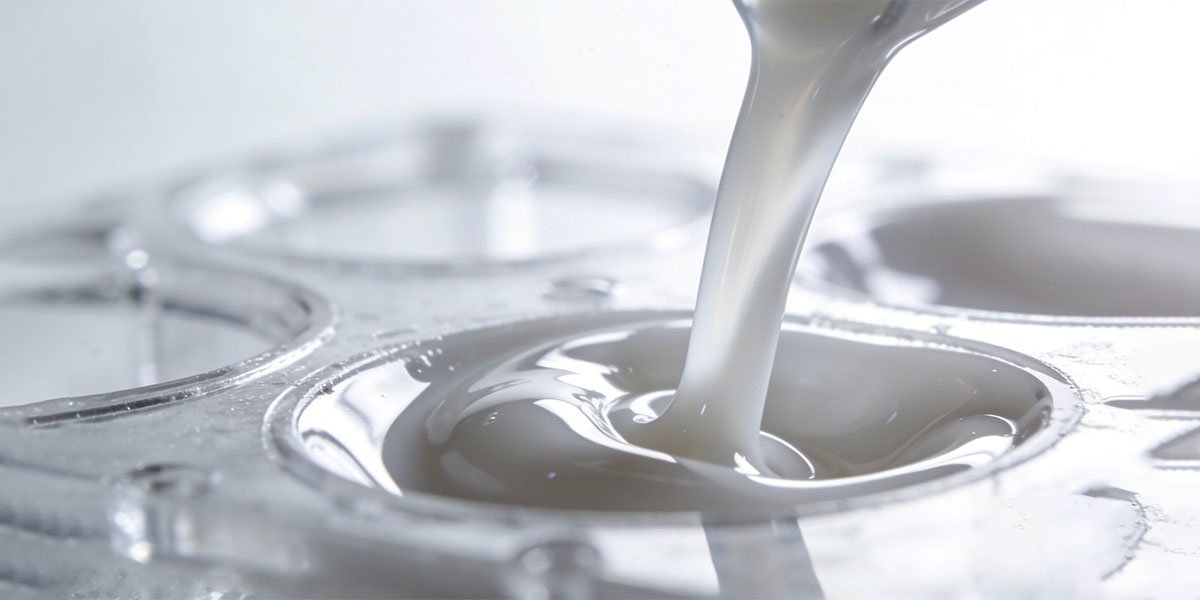
Color cannot make a hazy base clear. In silicone, the starting compound determines how much transparency or translucency is physically achievable, and the color sits on top of that baseline.
Standard reinforcing fillers in conventional silicone introduce some degree of light scattering depending on filler particle size, surface treatment, and dispersion quality. A luminous transmittance of at least 85% and a haze value of no greater than 4% per 2.54 mm thickness according to ASTM D1003. High-transparency LSR products can achieve a light transmission of 94% at a thickness of 2 mm, with a haze value of less than 1%.
For translucent work, the base may start clear or naturally milky, and the factory either preserves transmission while raising haze intentionally, or begins with a translucent compound and tints within that envelope. Either way, the first manufacturing decision is base selection, not pigment selection.
The low-filler clear silicone bases for tinting: platinum-cured Liquid Silicone Rubber (LSR) and high-transparency HCR/HTV solid silicone. Heavily filled silicone compounds with silica, flame retardant or conductive additives will turn opaque, even with minimal color paste addition.
- LSR (Liquid Silicone Rubber): Delivers the highest crystal-clear transparency. Ideal for medical grade silicone, silicone baby teething parts, optical diffusers and precision thin-wall injection molding.
- HTV / HCR High Consistency Silicone: Creates soft milky translucent effects, widely used for compression molded silicone sheets, gaskets and silicone kitchen accessories.
- RTV Room-temperature Cure Silicone: Suitable for mold-making and low-volume casting translucent silicone prototypes.
Step 2: Choose Silicone-Compatible Colorants
Manufacturers commonly use silicone-compatible pigment pastes, color concentrates, or masterbatches, depending on the silicone system and manufacturing process. These colorants are formulated to disperse in the relevant silicone compound.
Using an incompatible colorant may cause poor dispersion, uneven coloring, or problems with curing. Therefore, ordinary paints or general-purpose dyes should not be substituted without confirming their compatibility with the specific silicone material.
For transparent silicone products, the coloring system must provide the required shade without unnecessarily reducing clarity.
Key rules follows:
- Use silicone-specific color paste or masterbatch; generic dyes may stop platinum curing, causing sticky uncured silicone surfaces.
- Keep pigment loading below 1 wt% for true transparent tinted silicone. Higher dosage gradually shifts the material from translucent to semi-opaque or fully opaque.
- Test every colorant batch first. Some pigments carry cure poisons that ruin platinum LSR batches.
- Document Pantone references, mixing ratios and lot numbers for color consistency across repeat wholesale orders.
Step 3: Adjust Pigment Concentration
Pigment concentration is one of the most important factors affecting the appearance of colored silicone. In production, transparent and translucent silicone colors are almost never made by adding dry pigment powder directly to the rubber. The standard method is a silicone color masterbatch, a pre-dispersed pigment concentrate carried in a compatible silicone matrix.
In general, increasing the amount of colorant increases color intensity and may reduce light transmission. A small amount of a compatible colorant may produce a light, transparent-looking tint, while a stronger concentration may create a deeper color or a more translucent appearance.
The carrier matters as much as the pigment. For LSR, color pastes are formulated with reactive silicone polymers so the color co-vulcanizes with the base elastomer without impairing hardness and without migration, which can occur with silicone-oil-based systems. For HTV and compression molding, masterbatches are supplied as cuttable slabs or pastes designed for two-roll mill or mixer addition.
Let-down ratios are small. Standard practice for silicone color masterbatch is 1–5 wt% depending on base color and target depth: roughly 1–3 wt% for solid colors in white base compound, and 2–5 wt% in translucent base for medium-depth tints. LSR reactive color pastes are typically dosed at 0.5–4.0%, with 2% as a common reference point.
The low dosage is exactly why dispersion quality matters: a tiny amount of poorly dispersed concentrate is enough to create visible defects across an entire production lot.
References:
- Why Does Silicone Have Color Variation?
- How Is Silicone Colored? A Complete Guide to Silicone Coloring Techniques
- Silicone Color Matching: How to Achieve Consistent Custom Colors?
Step 4: Mix and Disperse the Colorant Evenly
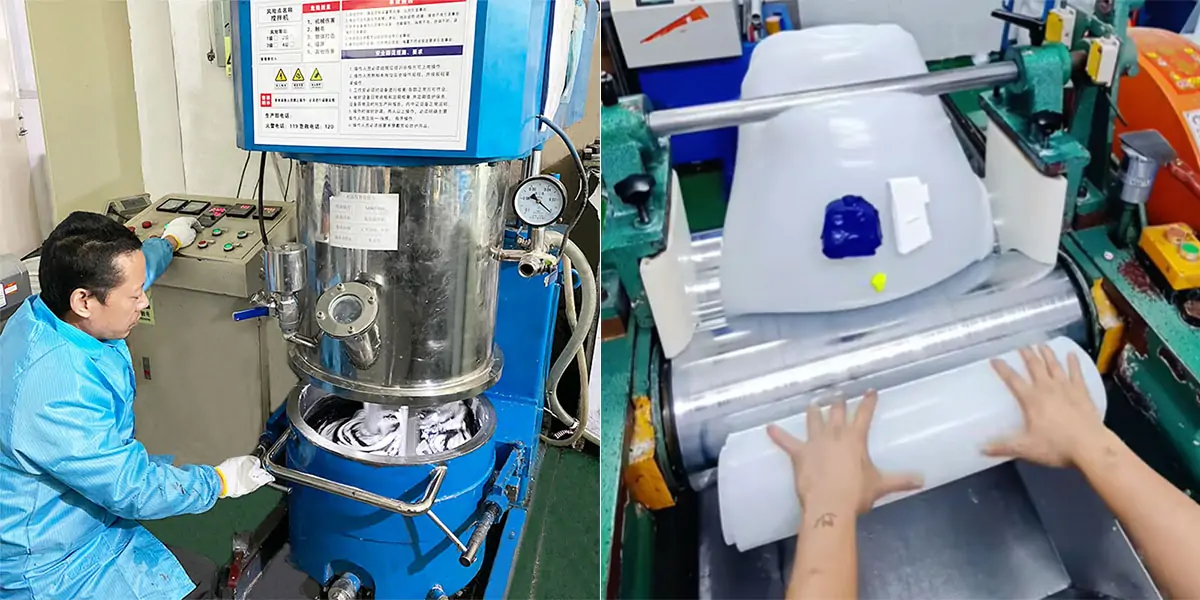
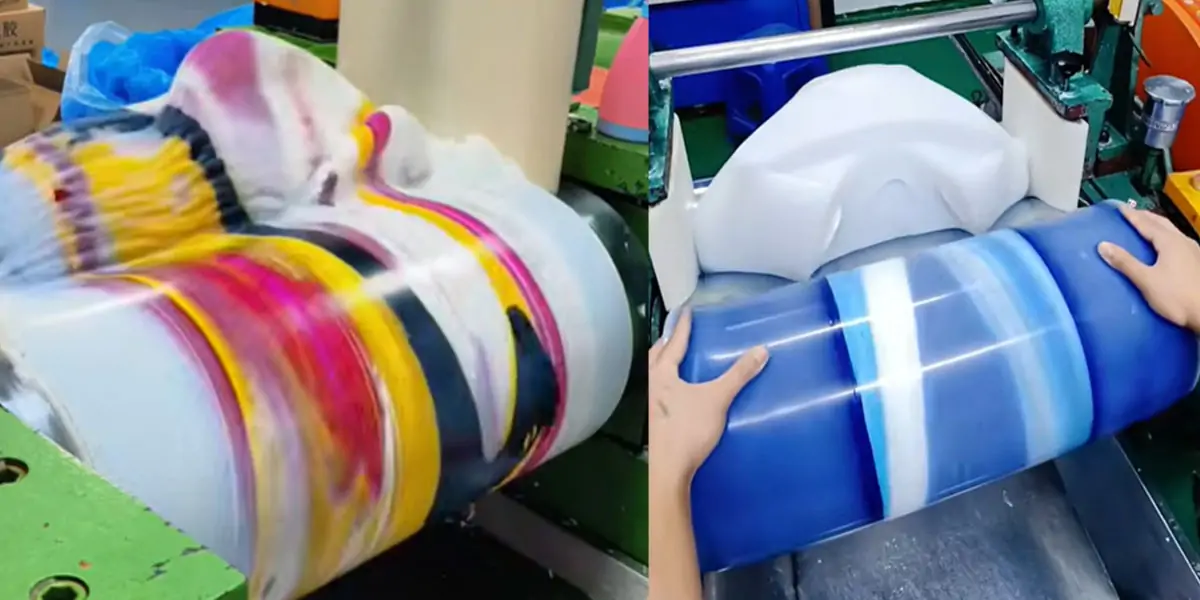
Consistent color requires uniform dispersion throughout the silicone material. Once the masterbatch is metered in, the manufacturing job becomes a dispersion job. The goal is to break down pigment agglomerates to individual particle level and distribute them uniformly through the compound.
When dispersion is incomplete, the failure modes are specific and visible. Pigment agglomerates act as light-scattering centers and produce streaks, cloudy bands, color spots, and inconsistent transparency in the finished part.
In translucent silicone, this is especially damaging because the whole value of the part is optical consistency. A single undispersed agglomerate can create a visible flaw in a light diffuser or a color inconsistency that fails incoming inspection.
Factory process:
- Weigh color paste digitally for accurate, repeatable dosing.
- Disperse pigment slowly into the clear silicone base with low-shear mixing to avoid trapped air bubbles.
- Vacuum degas mixed silicone compound before molding. Air bubbles look like white spots inside translucent finished silicone products.
- For LSR injection molding, we use calibrated meter-mix units to stabilize A/B ratio and pigment feed during high-volume runs.
Depending on the process, manufacturers may use appropriate mixing equipment, metering systems, or pre-dispersed color concentrates. Insufficient mixing can produce streaks, visible color spots, or uneven shading. Excessive or incompatible additions may also affect material properties or curing behavior. The mixing method and processing parameters should therefore follow the technical requirements of the selected silicone system.
Step 5: Molding, Curing & Post-Cure Control
Curing temperature and time also affect final transparency and color tone. Overheating transparent silicone can trigger yellowing.
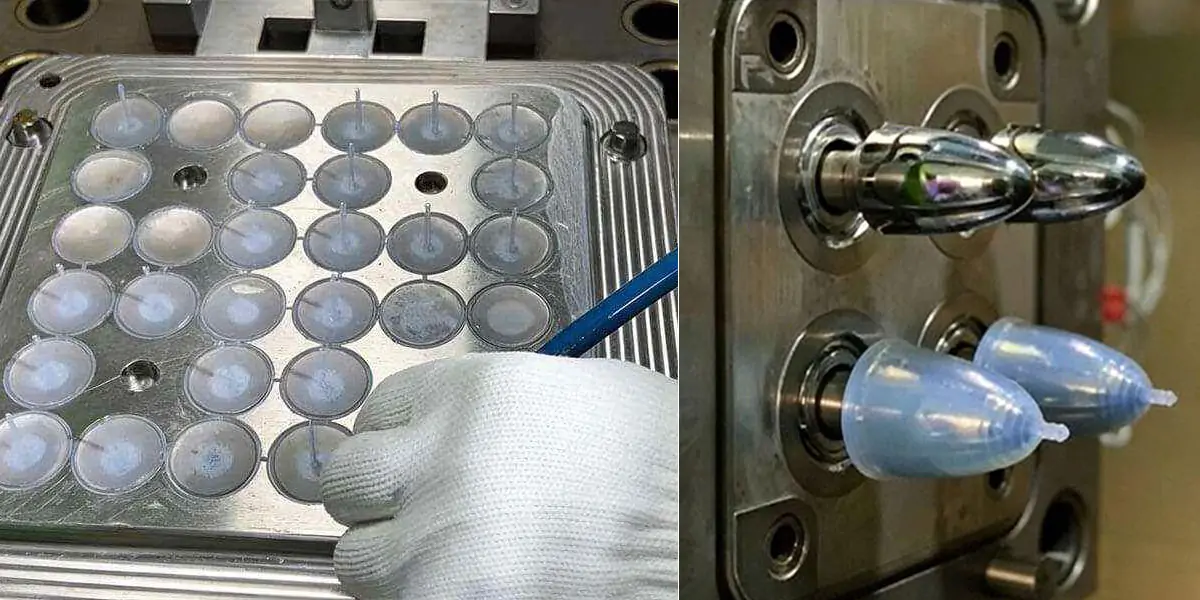
- LSR injection molding runs at controlled mold temperatures between 160–200°C with fast cycle times for clean, low-yellowing transparent silicone parts.
- HTV compression molded translucent silicone follows matched vulcanization and post-cure schedules to stabilize color and remove volatile residues, without degrading light transmission.
- We run light transmission sampling tests with spectrophotometry for high-spec projects requiring consistent translucency performance, such as silicone light diffusers.
Step 6: Mold and Evaluate a Physical Sample
The final appearance cannot always be predicted accurately from a color formula alone.
After molding, the sample should be evaluated for:
- Color hue and intensity.
- Transparency and light transmission.
- Uniformity across the product.
- Surface finish and visible defects.
- Required mechanical properties.
For OEM/ODM projects, approving a physical sample before mass production helps align the manufacturer’s output with the buyer’s expectations.
What Factors Affect the Transparency of Colored Silicone?
Even when the same colorant is used, the final appearance may differ between products or production batches.
Product Thickness
Thickness can significantly influence the appearance of transparent and translucent silicone. A thicker section generally provides a longer optical path through the material, which may make the color appear deeper or reduce the amount of light transmitted. A thin silicone wall and a thick molded section may therefore look different even when produced from the same compound.
Manufacturing tip: Evaluate color and transparency on a sample that represents the actual product thickness.
Pigment Type and Concentration
Different pigments have different coloring strengths and optical characteristics. Some provide strong color at low concentrations, while others may require different formulations to achieve the desired appearance. The colorant must be selected according to the required shade, transparency, material compatibility, and application requirements.
Surface Finish
A smooth, glossy surface and a matte or textured surface can reflect and scatter light differently. Consequently, two silicone products made from similar materials may have different visual appearances because of their surface finishes. When developing custom silicone products, specify both the color and the required surface finish.
Silicone Formulation
The base compound, fillers, and other formulation components can affect the material’s natural appearance and light transmission. A transparent colorant cannot automatically make an opaque silicone compound transparent. The underlying material must be suitable for the intended optical effect.
Molding and Curing Conditions
Processing and curing conditions can influence the appearance and consistency of the finished product. The specific effects depend on the silicone formulation and manufacturing process. Maintaining appropriate process controls helps reduce defects and variation during mass production.
How to Achieve Consistent Translucent Silicone Colors in Mass Production?
For product brands, achieving an attractive prototype is only the first step. The next challenge is reproducing the approved color consistently across production batches.
The following practices help reduce color variation.
- Establish a Clear Color Reference. Provide a Pantone or RAL reference, a physical color sample, or an approved existing product. These references help define the target, but a printed color chart or digital image cannot guarantee an identical appearance in silicone. The final color should be evaluated on the actual material and product geometry.
- Approve a Representative Sample. The sample should reflect the intended silicone formulation, colorant system, thickness, molding process, and surface finish as closely as possible. For translucent products, it is particularly important to review the sample under consistent lighting conditions.
- Define Color and Transparency Requirements Separately. A color can match the desired hue but still be too transparent or too opaque. For this reason, buyers should specify both the target color and the required visual effect.
- Maintain Production Records. Recording the approved formulation, material specification, processing parameters, and sample reference can help improve repeatability.
For ongoing OEM/ODM projects, documented standards make it easier to investigate differences between batches and maintain a consistent product appearance.
How Siliconexy Supports Custom Silicone Color Development?
Siliconexy (Xinyin) is a B2B custom silicone products brand focused on OEM/ODM silicone product development and manufacturing.
For buyers seeking transparent or translucent silicone products, early communication about the required appearance can help clarify material selection, color development, tooling, and production requirements.
When requesting a quotation, consider providing:
- Product drawings or reference samples.
- Required silicone material and hardness, if already specified.
- Target color or Pantone reference.
- Desired transparency level, such as transparent or translucent.
- Product dimensions and wall thickness.
- Surface finish requirements.
- Intended application and relevant compliance requirements.
- Estimated order quantity.
These details help the manufacturing team evaluate the project and determine the appropriate sampling and production approach.
For applications involving food contact, medical use, or silicone children’s products, material and colorant suitability must be assessed against the relevant requirements. No compliance claim should be made without supporting documentation.
Conclusion
Creating transparent and translucent colors in silicone products requires more than selecting a pigment. Manufacturers must consider the base silicone compound, compatible colorants, pigment concentration, product thickness, surface finish, and molding conditions.
For B2B buyers, defining both the target color and transparency level early in product development can reduce misunderstandings and improve consistency during mass production.
Siliconexy supports custom silicone product development for businesses seeking application-specific materials, colors, and molded designs.
Planning a custom silicone product? Contact Siliconexy to discuss your design, color requirements, and OEM/ODM manufacturing needs.
Frequently Asked Questions
Q: What is the difference between transparent & translucent silicone products?
- Fully transparent silicone allows clear visibility through the part. Translucent silicone transmits light but diffuses it, so objects behind cannot be seen sharply. The effect depends on silicone base, pigment dosage and wall thickness.
Q: Can silicone be transparent and colored at the same time?
- Yes. Suitable transparent or translucent silicone compounds can be colored with compatible colorants to create tinted effects. The final appearance depends on the base material, pigment system, concentration, thickness, and surface finish.
Q: How do you make silicone more translucent?
- A common approach is to start with a suitable clear or translucent base and adjust the compatible colorant system. The formulation should be tested to balance color intensity and light transmission. The precise method depends on the silicone material and manufacturing process.
Q: Does adding more pigment make silicone opaque?
- Increasing pigment concentration can reduce transparency, but the effect varies by pigment type, formulation, and concentration. A physical sample is the most practical way to evaluate the result.
Q: Can transparent silicone products turn yellow over time?
- Some silicone formulations may develop yellowing or other appearance changes during aging or exposure to heat, UV light, or environmental conditions. The degree of change depends on the material and application. Buyers should discuss appearance-retention requirements and conduct suitable testing when long-term clarity is important.
Q: Can Pantone colors be matched in translucent silicone?
- Pantone references can serve as useful color targets. However, reproducing a color in translucent silicone also requires controlling transparency, thickness, and surface finish. Final approval should be based on a physical sample rather than the reference number alone.