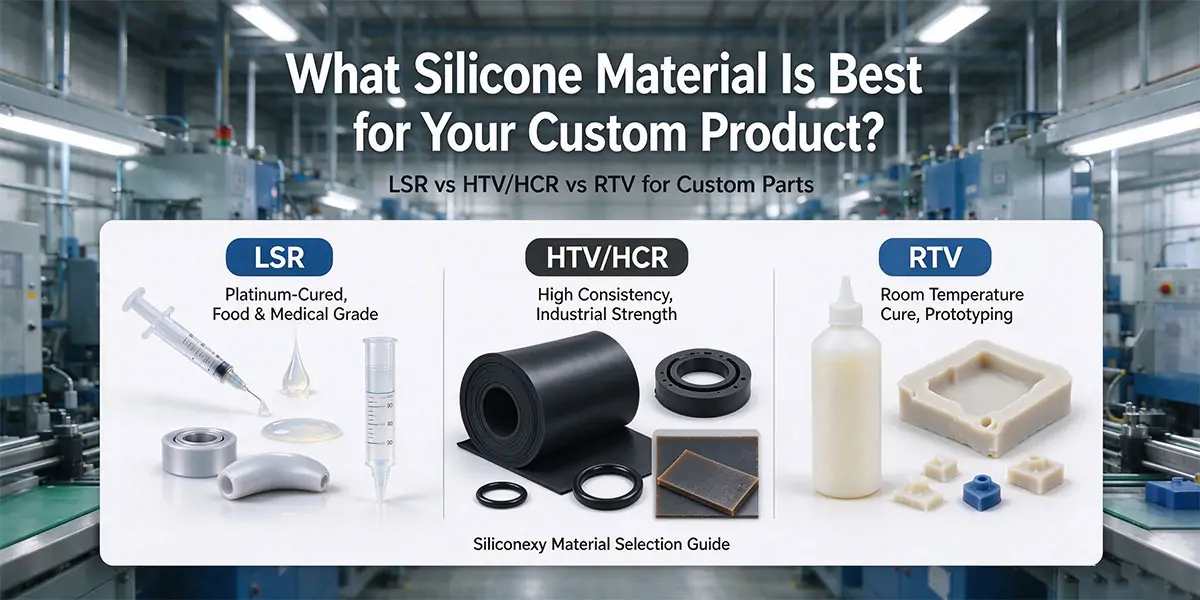
What should you prepare before working with a silicone factory?
When partnering with ODM & OEM silicone manufacturers to bring your product ideas to life, thorough preparation is the foundation of a successful collaboration and the most effective way to launch customized silicone consumer products, industrial silicone components, and branded silicone accessories to the global retail and B2B wholesale markets. However, many brand owners, product developers, and startup buyers face delayed lead times, inconsistent product quality, and unexpected extra costs simply due to insufficient pre-project preparation.
Providing detailed information at the beginning can significantly improve communication, reduce development risks, and accelerate the production process.
Before contacting a custom silicone products manufacturer, it is important to prepare your product requirements, design information, material expectations, target market details, and production goals.
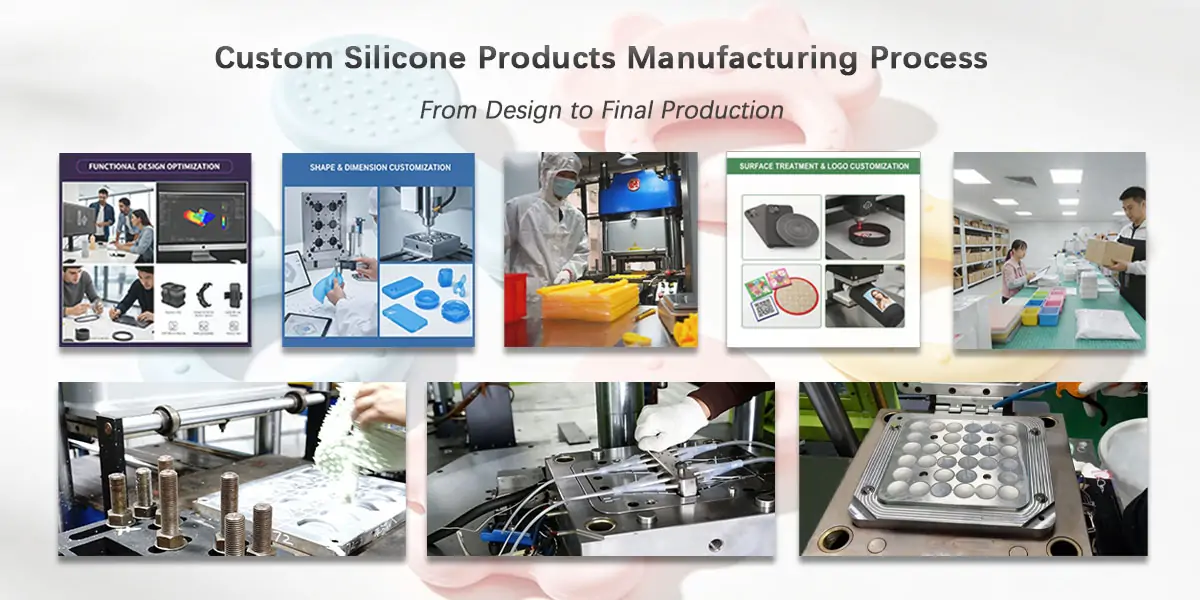
A professional OEM partner can then evaluate your project more accurately, recommend suitable manufacturing solutions, and guide your product from concept development to mass production. A typical custom silicone product development workflow includes design review, material selection, mold development, prototyping, production, quality inspection, and packaging.
This guide explains the key information you should prepare before working with a silicone products manufacturer.
Why Sufficient Pre-Preparation Matters for Silicone OEM Products?
Adequate pre-production preparation shortens project cycle, controls overall manufacturing costs, and stabilizes product batch consistency. Insufficient preparation often leads to frequent design revisions, mold rework, delayed delivery, and unqualified products, seriously affecting your market launch rhythm and brand reputation.
A silicone OEM and ODM manufacturer, Xinyin (Siliconexy) provides one-stop customized services from design DFM evaluation, mold making, sample production, mass manufacturing to packaging and shipping. Our professional engineering team will offer targeted optimization suggestions according to your pre-submitted project requirements to ensure high-quality delivery of every custom silicone product.
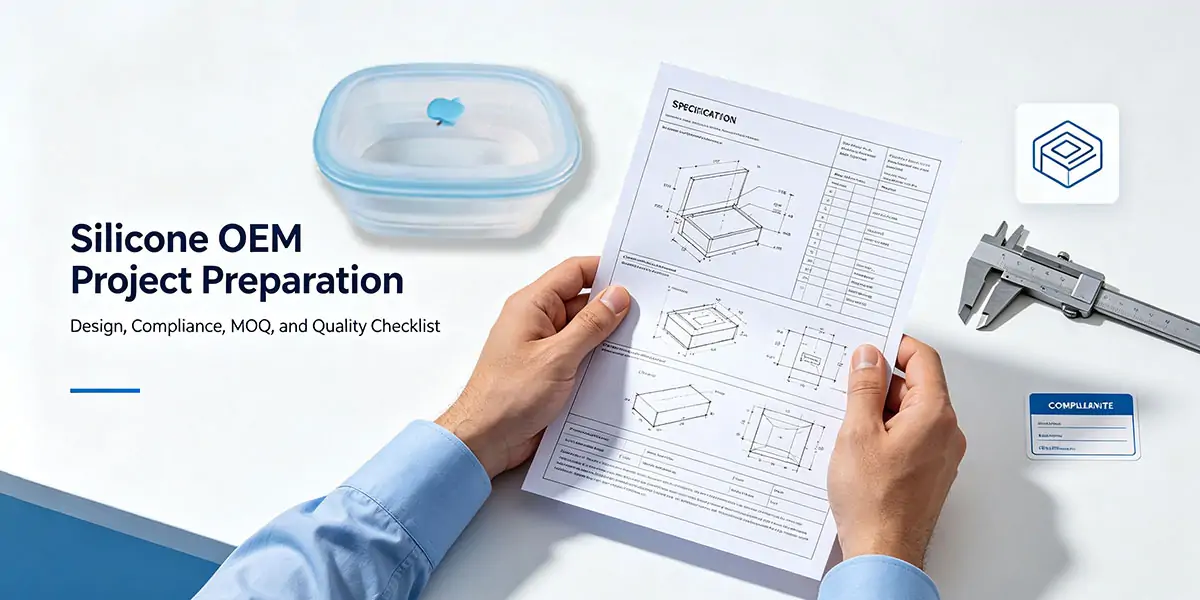
What Should You Prepare Before Working With a Silicone Factory?
Step 1. Define Your Product Requirements in Detail
Vague design requirements are the top cause of silicone OEM project delays and defective finished products. Before contacting a custom silicone products manufacturer, you must sort out complete and accurate product technical parameters to support the factory’s DFM (Design for Manufacturability) analysis.
The first step is defining your product idea clearly. Before contacting a custom silicone product factory, consider:
- What is the product’s intended use? Sealing, cushioning, keypad, overmolding, tubing, or something else?
- What is the operating environment? Temperature range, exposure to oils, solvents, acids, alkalis, or prolonged UV/outdoor conditions
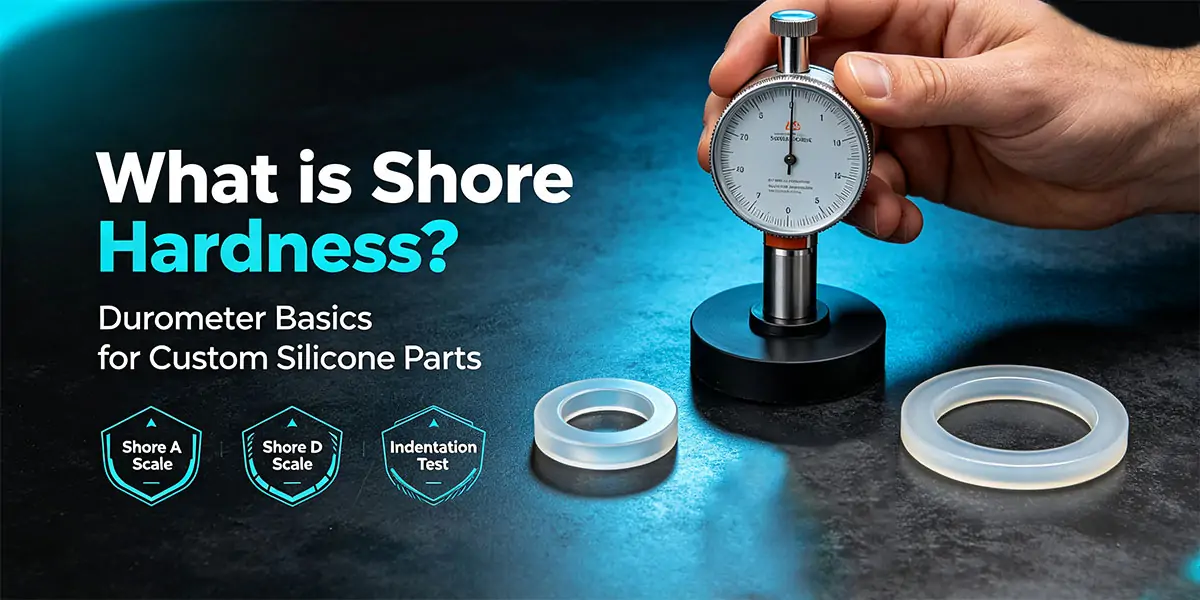
- What are the performance requirements? Hardness (Shore A), tensile strength, tear resistance, flame retardancy, or resilience
- What are the appearance requirements? Color (Pantone matching), surface texture, printing, laser engraving, or oil spraying
- What is your estimated annual volume? This determines the mold solution and unit price range
Pro tip: The more information you provide upfront, the faster and more accurately your manufacturer can develop your product.
Core technical specs you need to finalize include:
- Product basic attributes: Exact product dimensions, wall thickness, 2D/3D CAD files, or physical product samples for reference. For molded silicone parts, confirm draft angles, undercut structures, and parting line requirements to adapt to silicone molding processes.
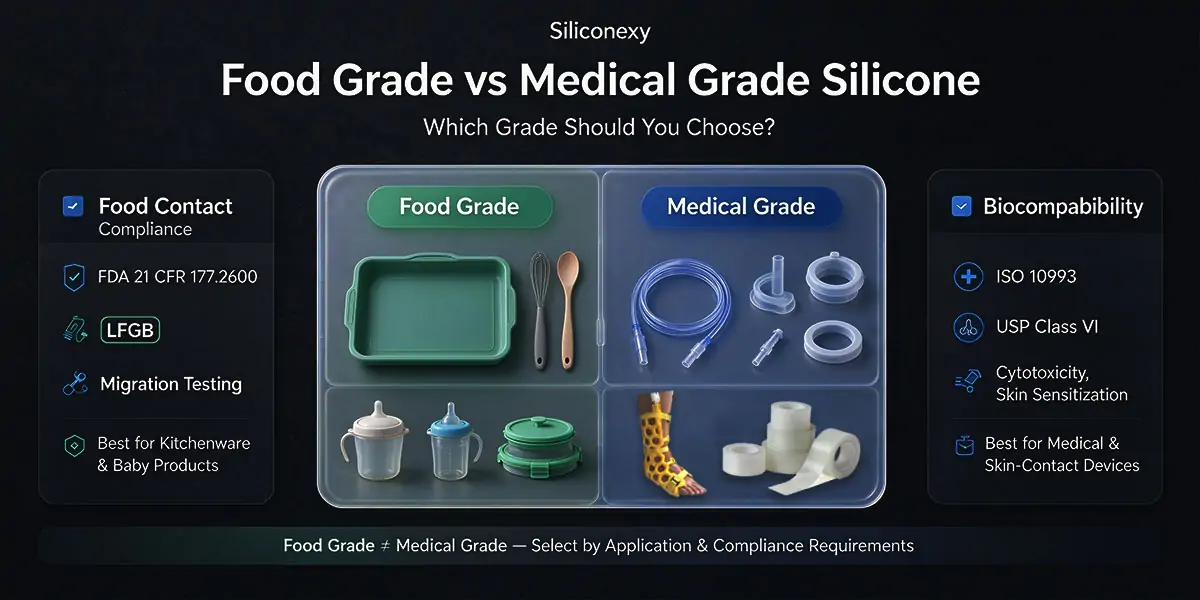
- Material parameters: Define silicone grade (food-grade, medical-grade, industrial-grade), Shore A hardness, transparency, and special performance needs such as high-temperature resistance, anti-yellowing, or waterproof properties.
- Appearance standards: Confirm Pantone color codes, surface finish (matte/glossy), printing/embossing logo requirements, and strict limits on surface burrs or flash defects, combining the silicone trimming and deflashing process standards we introduced before.
- Functional Requirements: Outline how the product will perform. Will it need to withstand extreme temperatures? Resist chemicals? Have specific tear strength or elongation properties?
Clear technical specifications allow silicone OEM engineers to quickly evaluate mold feasibility and provide professional optimization suggestions, avoiding repeated mold modifications.
Step 2. Prepare Your Technical Documentation
This is where many projects get stuck. Your silicone molding manufacturer needs clear, actionable design files to quote accurately and build the right silicone mold tooling. The more technical information you provide, the easier it is for the manufacturer to evaluate your project.
What to prepare:
- 2D drawings (PDF or DWG) with critical dimensions, thickness requirements, assembly details and tolerances clearly marked.
- 3D CAD files (STEP or IGES format are preferred): this is essential for accurate quotations and mold design. This can help engineers analyze product structure and optimize the design for silicone molding.
- Physical samples (if available): manufacturers can reverse-engineer from samples, though it takes longer. If you already have an existing product, sending a physical sample allows the manufacturer to evaluate: Material characteristics, product structure, surface texture and manufacturing feasibility.
For custom silicone products manufacturing, early design evaluation and DFM (Design for Manufacturing) review can help identify potential production problems before mold development begins.
Pro tip: A complete design should include both 3D models and 2D dimensional drawings.
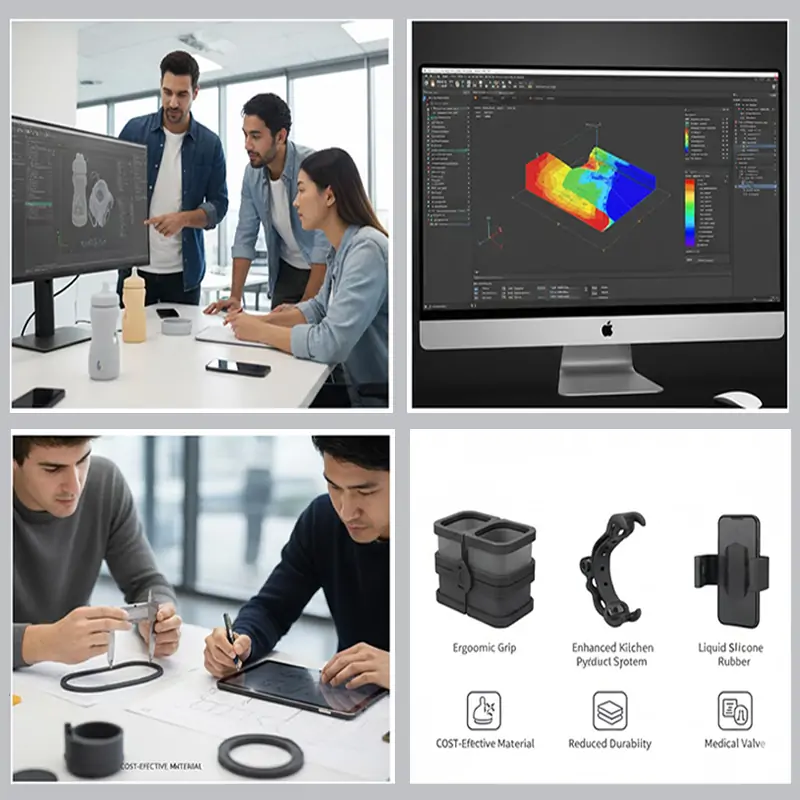
Step 3. Prepare Your Customization Requirements
Custom OEM silicone products manufacturing is about creating products that match your brand identity. Before contacting a custom silicone products manufacturer, prepare your customization ideas.
- Common customization options include: product design, custom shapes, custom structures, functional improvements, branding, embossed logo, debossed logo, molded branding, surface patterns and color customization.
- Prepare: pantone color references, brand color requirements, existing product color samples and packaging.
- Consider: retail packaging, custom boxes, labels, instruction manuals and shipping cartons.
These details help manufacturers estimate tooling requirements, production costs, and lead time more accurately.
Step 4. Define Target Application & Market Compliance Requirements
Different application scenarios and sales regions have strict differentiated certification and safety standards for silicone products, which directly determine material selection, production processes, and test items. Clarifying compliance requirements in advance is a key preparation step for silicone products wholesale projects.
Common regional compliance certifications for silicone products:
- US market: FDA food contact certification, RoHS environmental compliance
- EU market: LFGB food-grade test, REACH chemical compliance, CE certification, EN 71 toy safety standard for children’s silicone products
- UK market: UKCA certification and UK REACH compliance
- Medical and high-precision scenarios: Biocompatibility test reports and sterile processing standards
Informing your OEM silicone products manufacturer of target sales markets and usage scenarios (silicone baby products, silicone kitchen supplies, silicone medical accessories, silicone industrial products) upfront ensures products pass local customs inspections and market quality audits smoothly.
Step 5. Define Your Silicone Material Requirements
Not all silicone is created equal. Different applications require different silicone formulations. Choosing the wrong silicone material is one of the most costly mistakes in custom manufacturing.
Common silicone material types:
| Type | Best For |
|---|---|
| General-purpose silicone | Consumer electronics, appliance parts |
| Food-grade silicone | Kitchenware, baby products, food contact |
| Medical-grade silicone | Healthcare devices, implants, biocompatibility requirements |
Hardness requirement
Silicone hardness is usually measured by Shore A hardness. Different products may require different levels of softness:
- Soft silicone for baby products
- Medium hardness for kitchen tools
- Higher hardness for industrial components
- Performance requirements
Performance requirements
You may need to specify: heat resistance, flexibility, compression resistance, chemical resistance, transparency and color requirements.
If you are unsure about the exact material specification, a professional silicone product manufacturer can help recommend the appropriate solution based on the product application.
Pro tip: Food-grade silicone is not automatically medical-grade. Please confirm certifications for your specific application.
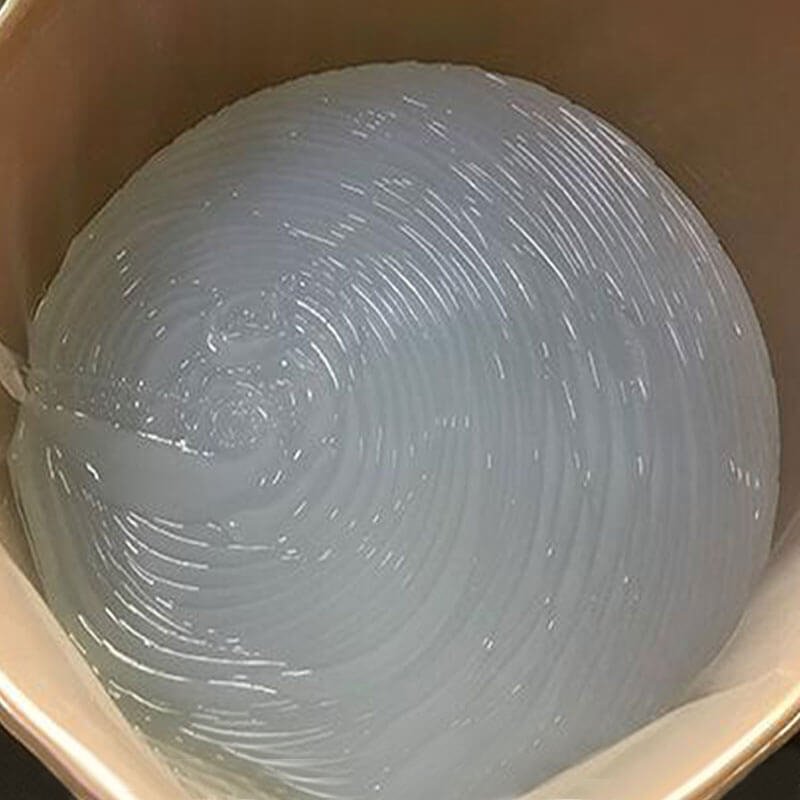
Step 6. Confirm Order Volume, MOQ & Production Timeline
Order quantity and delivery schedule are core bases for manufacturers to formulate production plans, allocate factory capacity, and quote accurate prices. Many silicone OEM factories have different minimum order quantities (MOQs) for custom molded silicone products, varying by product complexity and mold costs .
You need to confirm clear project plans including:
- Sample order quantity and sample delivery time
- Mass production batch volume (small-batch trial order or large-scale bulk wholesale)
- Required production lead time and final delivery deadline
- Whether expedited production services are needed
For small-batch custom silicone projects, you can negotiate flexible MOQ solutions with the OEM factory in advance; for long-term bulk orders, confirming annual order volume helps obtain more favorable unit prices and stable production capacity guarantees.
Step 7. Set a Realistic Budget and Timeline
Understand the costs involved in silicone OEM manufacturing to avoid surprises later.
Key cost factors include:
- Tooling Expenses: Molds for silicone products can vary in price depending on complexity, size, and material. Multi-cavity molds increase upfront costs but reduce per-unit prices for large production runs.
- Production Costs: These depend on factors like material type, order volume, and secondary processes (e.g., printing, assembly, sterilization). Request quotes from multiple manufacturers to compare pricing.
- Additional Fees: Don’t forget to account for costs like shipping, customs duties, testing, and quality control inspections.
Create a timeline that accounts for every stage:
Mold design and production, prototype testing, mass production, and shipping. Build in buffer time for unexpected delays, such as design revisions or material shortages.
Step 8. Understand the OEM Development Process
A professional silicone OEM project usually follows several stages:
- Product Review. Share: drawings, samples and product requirements.
- Engineering Evaluation. The manufacturer reviews: structure, material and manufacturing feasibility.
- Prototype Development. Create samples for: appearance checking, functional testing and design improvement.
- Mold Manufacturing. Develop production tooling based on approved designs.
- Mass Production. Manufacture products with controlled processes.
- Trimming, Quality Inspection & Packaging. Complete: flash removal, appearance inspection, function checking and packaging preparation.
This structured process helps ensure consistent quality from prototype to final production.
Understand the Mold Tooling Process
Mold development is the most critical step before production begins. Understanding what’s involved helps you plan timelines and budgets realistically.
Typical mold tooling timeline:
| Stage | Duration |
|---|---|
| DFM & Mold Design | 7-15 days |
| Tool Steel Preparation | 3-5 days |
| EDM & Polishing | 5-10 days |
| Total (design to first sample) | 4-8 weeks on average |
Key mold decisions:
- Number of cavities
- Gate locations and venting solutions
- Mold steel type and expected lifespan
- Whether secondary processes are needed (gluing, printing, etc.)
For low-volume or prototype runs, consider aluminum tooling or 3D-printed molds. They’re faster and more cost-effective.
Plan for Prototyping and Testing
Prototyping is a critical step to validate your design before mass production:
- Request Prototypes: Ask the manufacturer to create a small batch of prototypes using the same materials and processes as the final product. This allows you to test for fit, function, and durability.
- Conduct Rigorous Testing: Test prototypes in real-world scenarios to identify any design flaws or performance issues. For example, if you’re making a silicone phone case, test its drop resistance and grip.
- Iterate as Needed: Use feedback from testing to refine your design. Don’t rush this stage, investing time in prototyping will save you from costly changes during mass production.
Pro tip: “Sample is OK but mass production is unstable” is a common nightmare. You can avoid it by doing a small-batch trial run to fix key parameters before scaling.
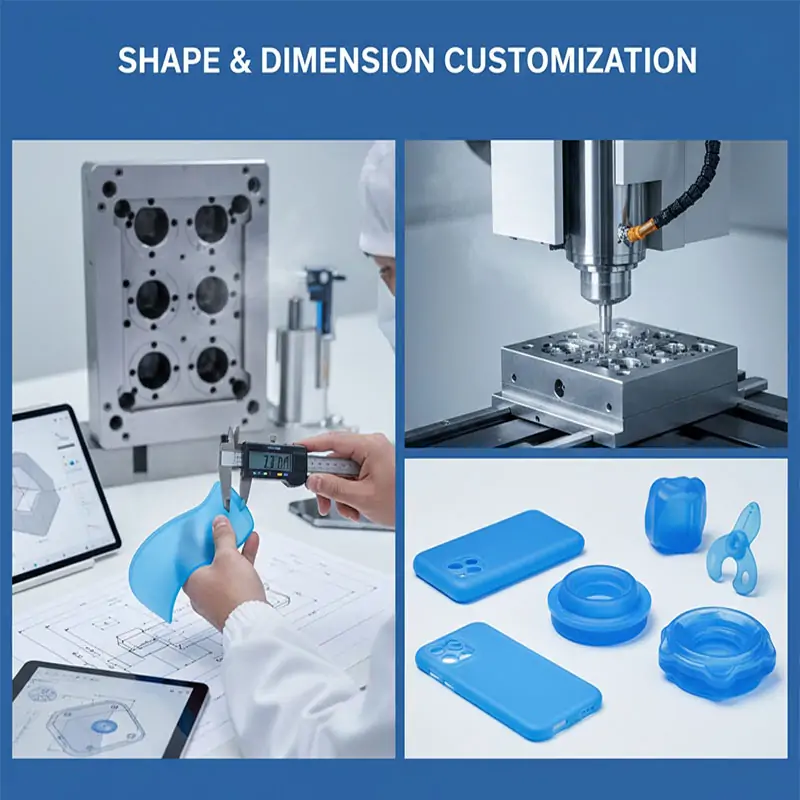
Step 9. Settle Packaging, Branding & Shipment Requirements
Branding and packaging customization are essential for finished silicone products to meet retail sales standards. Before formal cooperation, you need to sort out personalized packaging and shipment requirements to avoid secondary processing costs.
Key details to prepare:
- Packaging Design: Determine how your product will be packaged for retail or shipping. Consider factors like protection, branding, and sustainability. Silicone products are often lightweight, so choose packaging that is both functional and cost-effective.
- Custom packaging types: Bulk neutral packaging, individual OPP bag packaging, color retail box packaging, or gift box packaging.
- Branding needs: Custom logo printing, embossing, debossing, or personalized pattern customization.
- Labeling Requirements: Ensure your packaging complies with local and international labeling laws. This includes product information, safety warnings, and certification marks.
- Shipping standards: FOB/CIF shipping terms, target port, packaging size and carton marking requirements.
- Shipping Logistics: Decide on the shipping method (air, sea, land) based on your timeline and budget. Factor in customs documentation, import/export regulations, and insurance coverage.
Standardized packaging preparation ensures the silicone OEM manufacturer delivers finished products that can be directly sold on Amazon, Shopify, and other cross-border e-commerce platforms.
If you’re ready to take the next step, contact Siliconexy today. Our team of experts can help you bring your silicone product ideas to life, from design to delivery.
Step 10. Choose the Right Silicone OEM Partner
Not all silicone OEM manufacturers are created equal. Take the time to find a partner that aligns with your needs:
- Industry Experience: Look for manufacturers with a proven track record in your niche. For example, if you’re developing medical devices, prioritize a factory with ISO certification.
- Production Capacity: Ensure the manufacturer can handle your order volume, both now and in the future. Ask about their lead times for different order sizes.
- Vertical integration: Can they handle everything from raw material to finished, packaged product?
- Quality Control Processes: Inquire about their inspection protocols, testing capabilities, and certifications. A reliable factory will have strict quality control measures in place to ensure consistency.
- Communication and Responsiveness: Choose a manufacturer that communicates clearly and promptly. Language barriers can cause delays, so consider partnering with a factory that has English-speaking staff.
Reference: How to Choose the Right Silicone OEM Manufacturer
Clarify Quality Inspection Standards & After-Sales Rules
Unified quality inspection standards are the core guarantee for stable product quality in long-term OEM cooperation. Before project initiation, you need to negotiate and confirm inspection criteria with the silicone manufacturer, covering product size tolerance, surface defect standards, performance test indicators, and finished product qualification rate.
Meanwhile, clarify after-sales clauses including defective product replacement rules, rework standards for unqualified batches, and after-sales response cycles. This preparation effectively avoids disputes caused by inconsistent quality cognition during mass production.
Sign Confidential Agreements & Formal Cooperation Contracts
For customized silicone products with exclusive designs, patented structures, or private brand molds, it is necessary to sign an NDA (Non-Disclosure Agreement) with the silicone OEM manufacturer before providing design drawings and sample information. This prevents design leakage and protects your exclusive product copyright and market competitiveness.
Formal cooperation contracts should clearly mark mold ownership, unit price, payment terms, delivery cycle, quality standards, and liability for breach of contract, laying a standardized foundation for long-term stable cooperation.
Protect your intellectual property and ensure a smooth partnership with proper documentation:
- Non-Disclosure Agreement (NDA): Before sharing sensitive design or product information, have the manufacturer sign an NDA to prevent intellectual property theft.
- Manufacturing Agreement: Draft a contract that outlines terms and conditions, including pricing, payment terms, delivery schedules, quality standards, and dispute resolution processes.
- Compliance Certifications: Depending on your product’s industry, you may need certifications like FDA, CE, or RoHS. Confirm that the manufacturer can help you obtain these certifications.
Final Checklist:
Before You Contact a Silicone Manufacturer.
- Product use and application clearly defined
- 3D CAD files (STEP/IGES) and 2D drawings prepared
- Critical dimensions and tolerances identified
- Silicone material type and hardness (Shore A) selected
- Regulatory certifications required (FDA, LFGB, REACH, etc.)
- Estimated annual volume known
- Timeline and budget expectations set
By following these steps, you’ll be well-prepared to start a successful partnership with a silicone OEM products manufacturer. Remember, clear communication, detailed planning, and attention to detail are key to achieving your product goals.
Ready to Start Your Custom Silicone Project?
At Xinyin (Siliconexy), we specialize in helping brands bring their custom silicone products from concept to mass production. Our engineering team provides complimentary DFM analysis, material selection guidance, and full regulatory support—so your project starts on the right foot.
Contact us today to discuss your project requirements and get a free consultation.
How Siliconexy Supports Custom Silicone OEM Products?
Xinyin (Siliconexy) provides OEM and ODM manufacturing solutions for businesses developing custom silicone products.
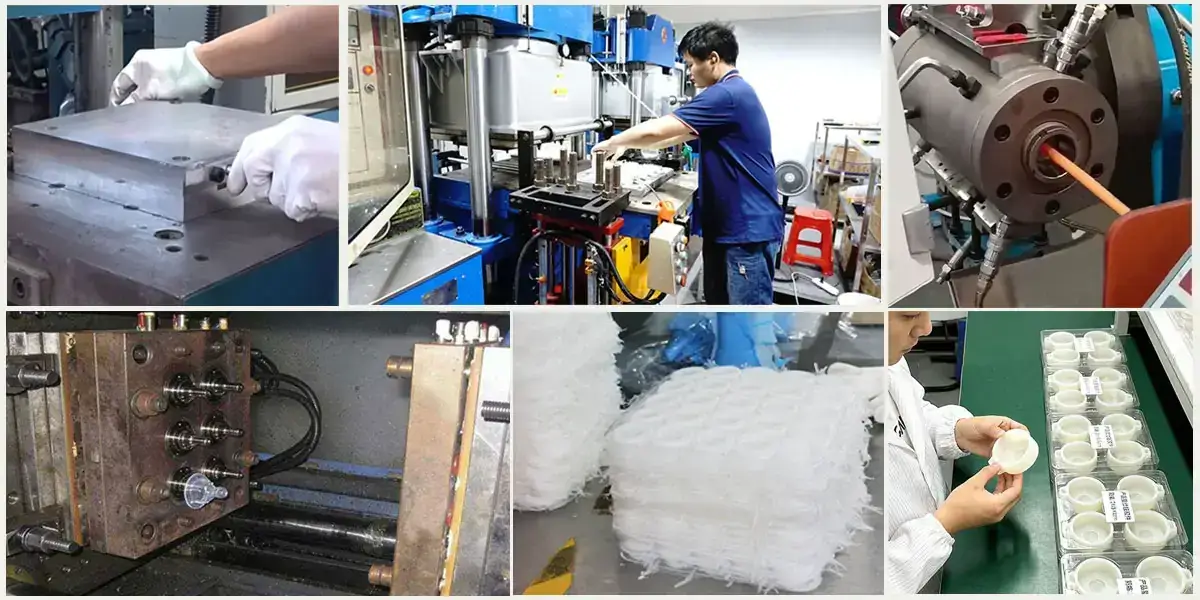
From initial concept evaluation to mass production, our support includes:
- Product design assistance
- Silicone material selection
- Mold development
- Prototype production
- Silicone molding
- Trimming and finishing
- Quality inspection
- Customized packaging
Xinyin (Siliconexy) helps brands transform ideas into production-ready silicone products.
Conclusion
Preparing the right information before working with a custom OEM silicone products manufacturer can make the entire development process faster and more efficient.
The most important things to prepare include: product concept, drawings or samples, material requirements, customization details, target market information, production quantity and budget expectations.
A reliable custom silicone products manufacturer does not only produce products, they help solve engineering challenges, optimize designs, and create a stable path from idea to mass production.
If you are planning to develop a custom silicone product, preparing these details before contacting a factory will help you receive more accurate feedback and faster project evaluation.