For bulk silicone product manufacturers, mold selection and quality are among the most underrated yet impactful factors that determine final product performance and long-term production costs. Many cross-border merchants and factory purchasers only focus on raw material costs while ignoring the decisive role of silicone molds in production stability, finished product consistency, and long-term manufacturing expenses.
The tooling decision determines dimensional precision, surface finish, cycle time, scrap rate, and ultimately your cost per unit. Get it right, and the mold pays for itself within the first production run. Get it wrong, and you will spend months compensating for defects that originate in the tool.
For brands, wholesalers, and product developers working with a custom silicone products manufacturer, understanding the relationship between mold design, product quality, and manufacturing cost can help reduce unnecessary tooling revisions and production risks.
Why Silicone Mold Design Matters?
In silicone compression molding, a pre-measured amount of solid silicone rubber is placed into the mold cavity. The mold is then closed under pressure and heated to cure the material into the required shape. The mold therefore defines the geometry that the silicone material must reproduce.
For custom silicone products, mold design affects several important production factors, including:
- Product dimensions and geometry
- Surface appearance and texture
- Flash control
- Demolding performance
- Production cycle efficiency
- Tooling maintenance
- Overall manufacturing cost
A well-designed mold can support consistent dimensions, clean surfaces, efficient demolding, and stable production. Poorly designed or improperly manufactured tooling can create flash, dimensional variation, surface defects, difficult demolding, and additional production costs.
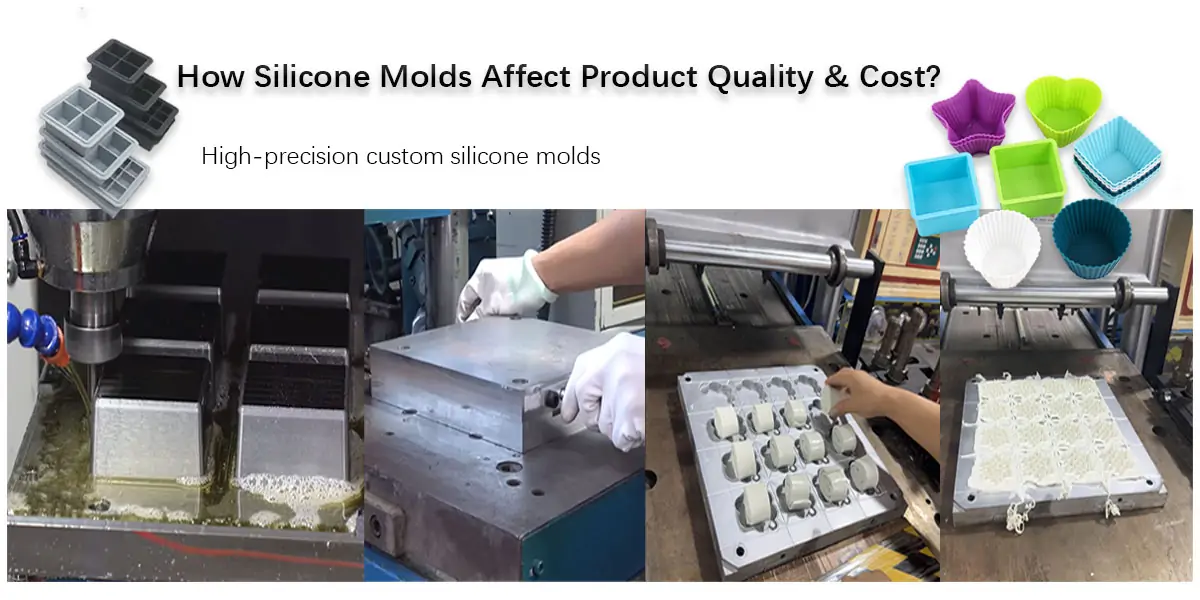
How Silicone Mold Quality Impacts Finished Product Quality?
A silicone mold is only as good as its master pattern and cavity geometry. The cavity defines the final dimensions, wall thickness, and surface texture of every part it produces. If the mold is machined to loose tolerances, every part that comes out of it will inherit that imprecision.
1.Mold Accuracy Affects Silicone Product Dimensional Consistency & Structural Stability.
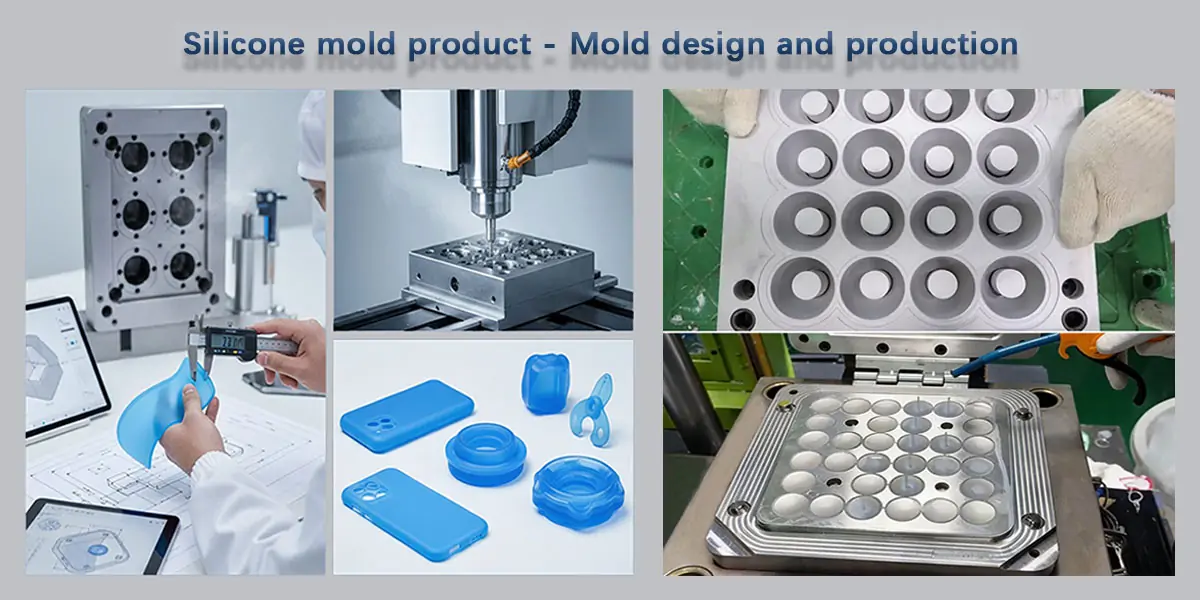
High-quality CNC-machined silicone molds feature precise draft angles, balanced cavity layout, and zero deformation design, ensuring every finished product maintains consistent size, thickness, and structural tolerance within ±0.05mm.
In contrast, low-precision hand-made or low-cost molds often cause uneven wall thickness, dimensional deviation, structural distortion, or imprecise edge cutting, which leads to:
- Visible surface blemishes that require post-production trimming and sanding
- Dimensional deviations that prevent products from fitting with complementary kitchen tools (e.g., baking pans that don’t align with standard oven racks)
- Inconsistent product weight that creates packaging and shipping issues
A multi-cavity mold that is not properly balanced will produce parts with dimensional, hardness, or appearance variations between cavities. For example, in a 16-cavity mold, only 12 cavities may be capable of stable molding, while the remaining four non-conforming cavities are either too small, resulting in excessive flash, or too large, leading to insufficient silicone material filling and rendering them unusable.
Qualified industrial-grade silicone molds effectively avoid shrinkage and deformation issues even after thousands of molding cycles, maintaining long-term product uniformity.
For mass production, the goal is not simply to make one acceptable prototype. The tooling should be designed to reproduce the required geometry consistently across production batches.
2. Mold Surface Finish Influences Product Appearance
The mold cavity’s surface finish is replicated on every part. If the cavity is polished, the part will come out glossy and smooth. If it is left with machining marks, those marks become part of your product.
Premium polished silicone molds deliver smooth, burr-free finished products with a high-grade surface texture, eliminating rough edges, flash lines, and surface pits. These defects are the main causes of secondary trimming work and unqualified appearance inspection.
For high-end silicone bakeware, cooking utensils, and custom branded silicone products, mold finish directly determines product grade and market competitiveness.
3. Mold Design Can Affect Flash and Finishing Work.
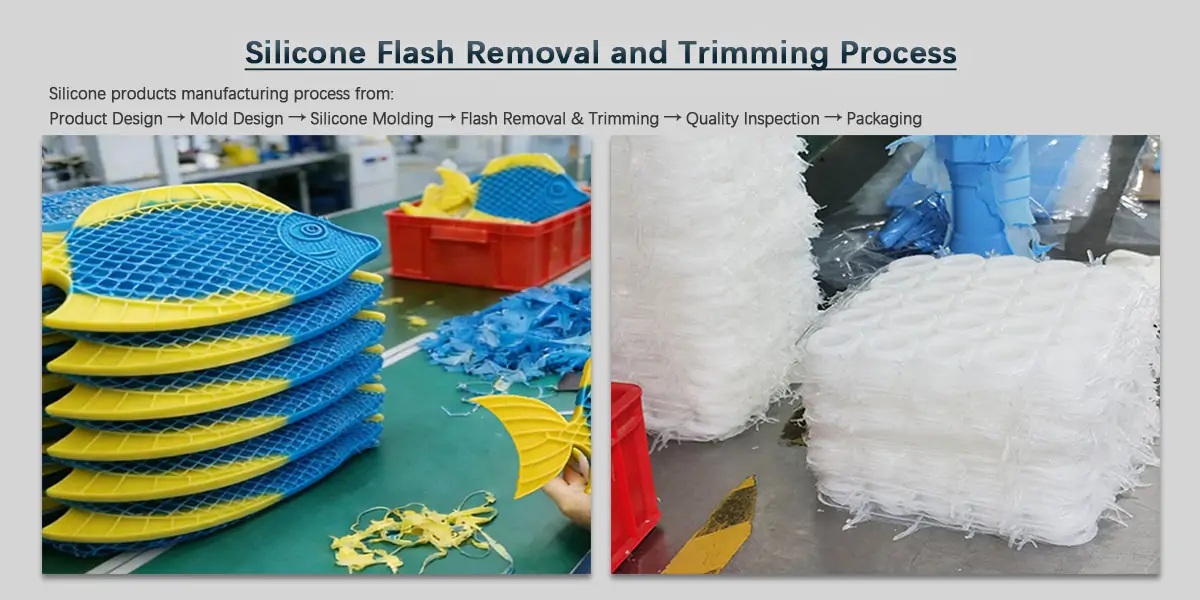
Flash is excess silicone that can form along mold parting areas or other locations where material escapes during molding. Silicone compression molding commonly requires subsequent flash trimming or deflashing. For food-grade silicone kitchenware, a smooth, non-porous surface is also a hygiene requirement, rough surfaces trap food residue and bacteria.
Compression molds produce more flash than LSR injection molds because the material is placed in an open cavity and the mold closes over it. LSR injection uses a closed, precision-sealed mold, delivering tighter tolerances and less post-processing.
For a silicone spatula or baking mold, excessive flash means every part requires manual trimming. This is a hidden labor cost that compounds across thousands of units.
For manufacturers, excessive flash can mean:
- More manual trimming
- Longer finishing time
- Higher labor costs
- Greater variation in appearance
- More material waste
Therefore, mold structure and parting-line design should be considered together with the product geometry and expected production volume.
4. Venting and Air Management Can Affect Molding Quality
During molding, air needs to escape from the mold cavity as the silicone fills the available space.
For certain silicone molding applications, appropriate venting helps reduce problems associated with trapped air and incomplete filling. In LSR injection molding, for example, mold design and process simulation are used to optimize filling patterns, reduce air entrapment, and improve material distribution.
The exact venting strategy depends on the product geometry, material, molding process, and mold structure.
For complex custom silicone products, these considerations should be addressed during DFM (Design for Manufacturing) rather than after production problems occur.
5. Material Compatibility and Food Safety.
Mold materials and release agents used during manufacturing must comply with the same food safety standards as the finished silicone product. Poor-quality mold materials or unapproved release agents can leave residual chemicals on the finished product surface, leading to failed third-party safety testing and product recalls.
6. Safety & Durability of End Products.
Professional platinum-cure silicone molds with high tear strength avoid mold residue shedding during repeated demolding, preventing impurity contamination of food-grade finished products.
Low-grade tin-cured silicone molds are prone to aging, cracking, and particle falling, which not only shortens mold service life but also produces defective products that fail FDA and LFGB safety tests.
Every feature of a silicone mold directly translates to the look, feel, and functionality of the end product. Even small deviations in mold manufacturing can create persistent quality issues that affect customer retention and brand reputation.
The Direct Impact of Silicone Molds on Total Manufacturing Cost
A practical mold design should balance: Product requirements + tooling investment + production volume + cycle efficiency + maintenance.
For example, compression molding generally has lower tooling and equipment investment than some highly automated molding approaches, although it can require more manual labor and flash removal.
Therefore, the most suitable mold solution depends on the specific product and production requirements.
Many manufacturers cut costs upfront by using lower-quality molds, but this leads to significantly higher hidden costs over the production lifecycle. The cost impact is mainly reflected in four core dimensions.
1. Upfront Tooling Cost vs. Long-Term Value
High-precision custom silicone molds have a higher upfront tooling investment, but they reduce ongoing production costs in multiple ways:
- Lower defect rates mean less raw material waste from rejected products
- Fewer post-production finishing steps reduce labor hours per unit
- Longer mold lifespan eliminates the need for frequent mold replacement mid-production run
For bulk production orders (10,000+ units), the total per-unit cost savings from a high-quality mold often offset 2–3x the initial tooling investment over the product lifecycle.
2. Rework and Scrap Costs
Low-quality molds create a higher percentage of defective products. A large number of defective products lead to raw material waste, rework labor costs, and delayed delivery cycles, bringing invisible economic losses to manufacturers and brand buyers.
These defects add direct costs for:
- Wasted food-grade silicone raw material
- Extra labor for sorting, trimming, and reworking defective units
- Expedited shipping to replace rejected units for customers
Precision mold design optimizes cavity layout and exhaust structure, effectively reducing bubbles, incomplete molding, and structural defects. It cuts the product defect rate to below 1%, while unoptimized molds may cause a defect rate of over 8%.
3. Labor & Post-Processing Cost
High-precision molds produce finished products without flash, burrs, or uneven edges, requiring almost no secondary trimming, polishing, and repairing.
Inferior molds generate a large number of flawed products that rely on manual post-processing, greatly increasing labor time and production costs. Optimized mold cavity design also improves single-cycle output and production efficiency, further reducing labor costs.
4. Order Revision & After-Sales Cost
Unprofessional mold design often leads to structural unreasonable problems after mass production, requiring multiple mold revisions and secondary tooling investment. At the same time, inconsistent product quality will trigger customer returns and after-sales compensation, damaging brand reputation and increasing long-term operating costs.
5. Mold Maintenance Can Influence Long-Term Production Cost
Tooling is not a one-time consideration. Production molds need to be maintained throughout their service life.
Mold contamination, wear, damage, or improper maintenance can affect demolding and surface quality. Excessive use of mold release agents can contaminate a hot mold and may contribute to undesirable product effects.
Good tooling management helps support stable production rather than treating mold quality as only a one-time development issue.
How to Reduce Silicone Mold Costs Without Sacrificing Quality?
Reducing tooling cost does not necessarily mean choosing the cheapest mold. A better approach is to optimize the tooling according to the actual product requirements.
Start With DFM
Before machining the mold, review the product design for manufacturability.
This can identify potential problems related to:
- Wall thickness
- Undercuts
- Parting lines
- Draft and demolding
- Cavities
- Venting
- Surface details
Early engineering changes are generally easier to implement than modifications after a production mold has already been completed.
Match the Mold to Production Volume
Discuss the expected annual or lifetime volume with your silicone molding manufacturer before finalizing the tooling.
The mold structure should reflect whether the project is intended for:
- Prototype development
- Small-batch production
- Medium-volume production
- High-volume mass production
Avoid Unnecessary Complexity
Additional cavities, intricate structures, special surface finishes, and complex mechanisms can increase tooling complexity.
Every feature should have a clear purpose related to the product specification or manufacturing process.
Consider the Entire Production Cost
Don’t just compare mold quotes; instead, evaluate the complete cost structure: mold costs, material scrap, cycle time, labor costs, surface treatment, maintenance costs, expected production volume, etc.
This provides a more realistic basis for comparing different tooling solutions.
Key Mold Factors That Balance Quality & Cost for Silicone Production
For B2B wholesale and OEM customization, the optimal production solution is to strike a balance between consistent quality and controllable costs. Here are the three key factors for optimizing molds for large-scale manufacturing of silicone products.
1. Mold Material Grade:
Platinum-cured silicone molds are the ideal choice for producing food-grade products.
Compared to tin-cured molds, they offer higher heat resistance, tear resistance, and aging resistance, with no odor or impurity leaching, and comply with international food safety standards.
Although the initial mold cost is slightly higher, the long-term total cost is significantly reduced.
2. Optimal Cavity Layout Design:
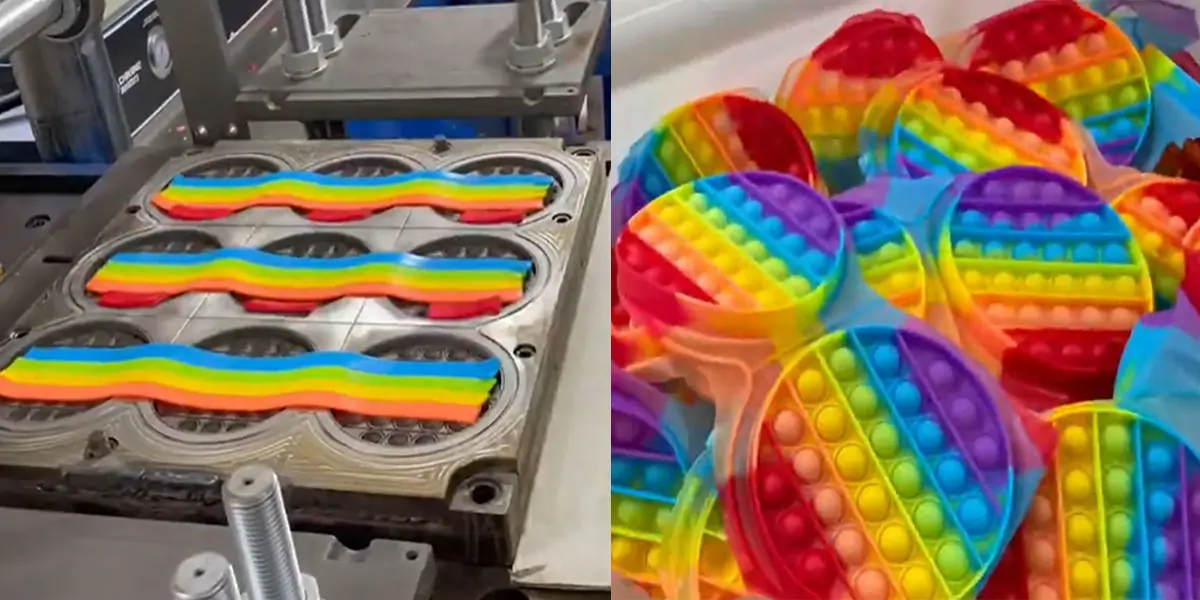
Based on order volume and product structure, a balanced multi-cavity mold design maximizes output per batch, shortens the molding cycle, and reduces unit labor and equipment wear costs.
Customized cavity layouts prevent material waste and improve production efficiency, making them particularly suitable for high-volume wholesale orders.
3. Precision CNC Mold Machining:
Internal precision CNC machining ensures strict mold tolerances, smooth fit, and stable demolding.
This eliminates the quality fluctuations associated with manual mold fabrication, enables standardized mass production, and effectively controls the overall production costs of customized products.
What Good Mold Design Looks Like?
The molds that produce the most reliable parts share several design characteristics:
- Proper draft angles on all vertical walls to ensure clean demolding without tearing.
- Balanced runner systems that deliver equal material volume to each cavity at the same fill rate, verified through mold-flow simulation.
- Adequate venting at the last-fill locations to prevent trapped air, burn marks, and short shots.
- Shrinkage compensation built into the cavity dimensions. Silicone typically shrinks 0.3% to 0.5% during curing, and this must be accounted for in the CAD model.
- Surface finish specification matched to the product’s function. Mirror polish for food-contact surfaces, satin finish for gripping areas, textured finish for visual branding.
Every mold we produce for custom silicone products goes through a DFM (Design for Manufacturing) review before machining begins. This review identifies potential fill imbalance, demolding problems, and tolerance stack-up issues while they are still in the CAD file, not after the steel has been cut.
Siliconexy (Xinyin): Custom Silicone Mold and Manufacturing Support
Siliconexy provides OEM and ODM manufacturing services for custom silicone products, supporting projects from prototype development through mold manufacturing, molding, finishing, quality inspection, and delivery.
Our manufacturing capabilities include silicone compression molding, LSR injection molding, silicone extrusion, and custom mold development. Mold design and tooling fabrication are integrated into the product development process so that tooling decisions can be evaluated together with product structure, material, production volume, and quality requirements.
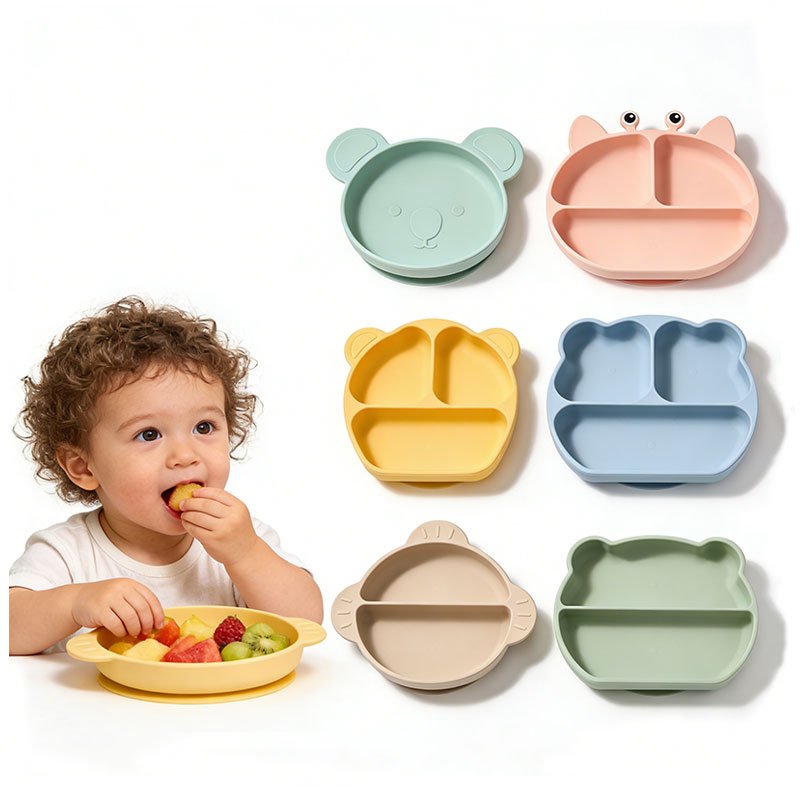
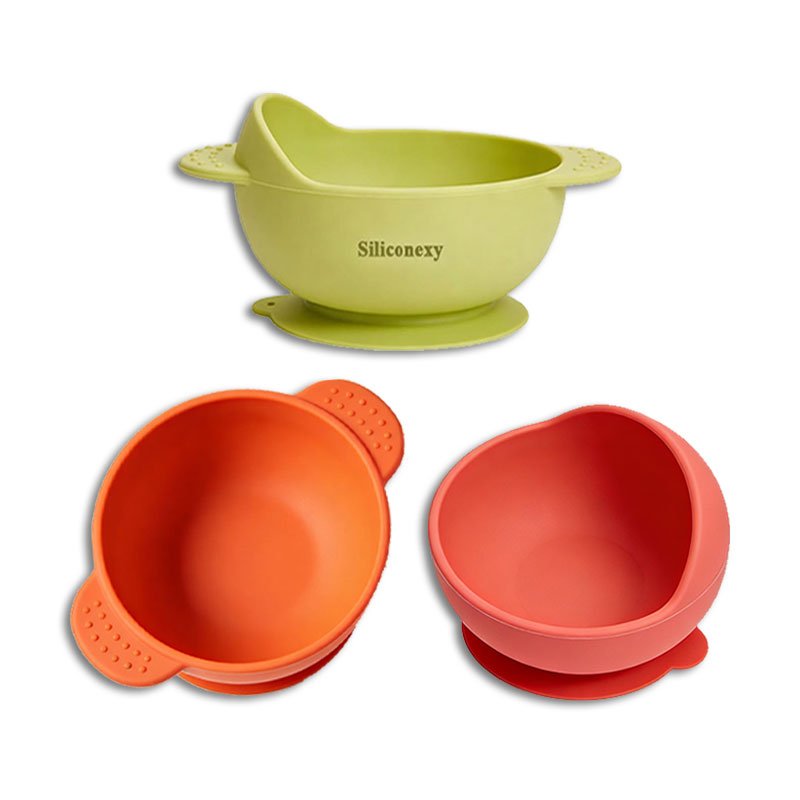
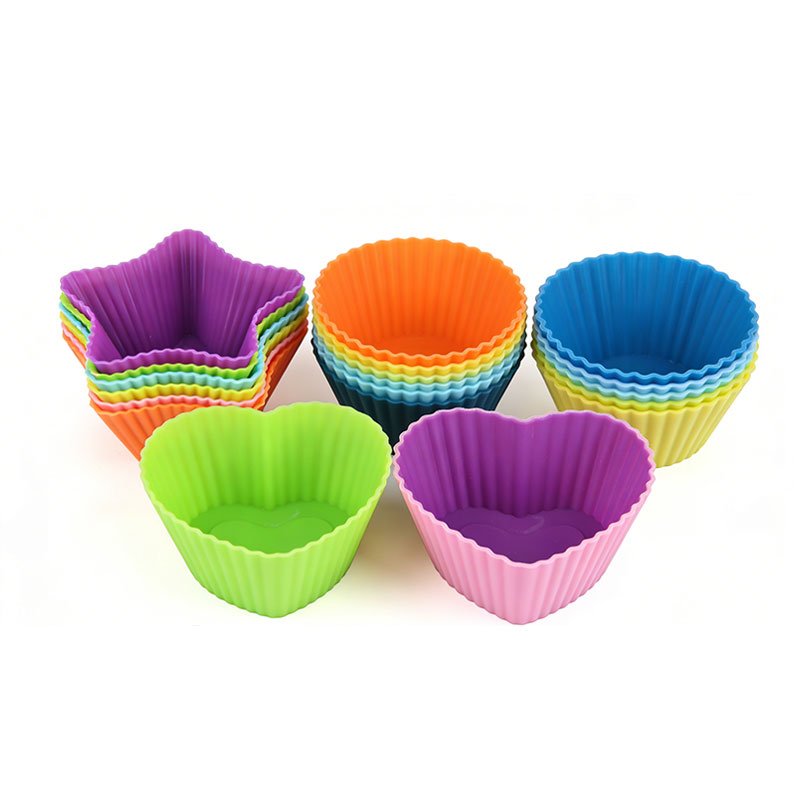
Whether you are developing a new custom silicone product, silicone kitchenware, silicone gasket, slicone baby product, or industrial silicone component, the right mold design can provide a stronger foundation for consistent quality and controlled manufacturing costs.
Looking for a custom silicone mold manufacturer for your next project?
Share your 3D drawing, product concept, sample, or technical requirements with Siliconexy. Our engineering team can evaluate the product structure, molding method, and tooling requirements before mass production.
Conclusion
Silicone molds are the decisive factor in balancing silicone product quality and manufacturing cost. Low-cost inferior molds will bring high hidden losses such as high defect rates, frequent replacement, and increased labor costs, while high-quality precision silicone molds can realize long-term stable production, quality consistency, and low comprehensive costs.
For brand owners and bulk buyers who pursue long-term cooperative benefits, choosing manufacturers with independent high-precision mold production capabilities is the key to stable order quality and cost control.
For high-quality custom silicone products with cost-effective mold tooling, Siliconexy is your reliable long-term factory partner.