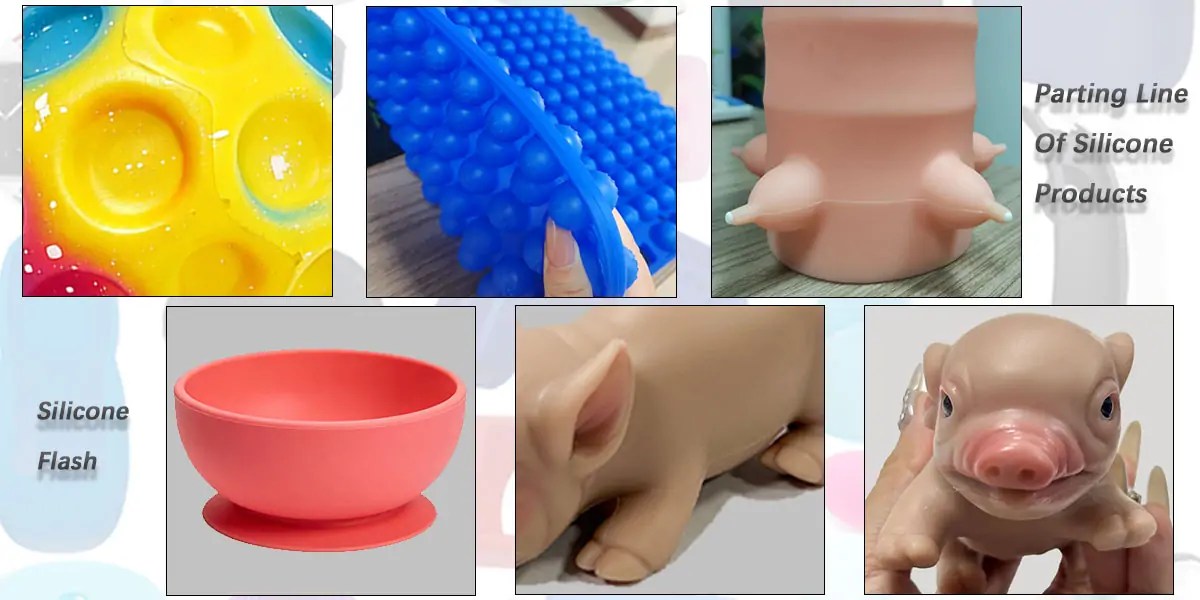
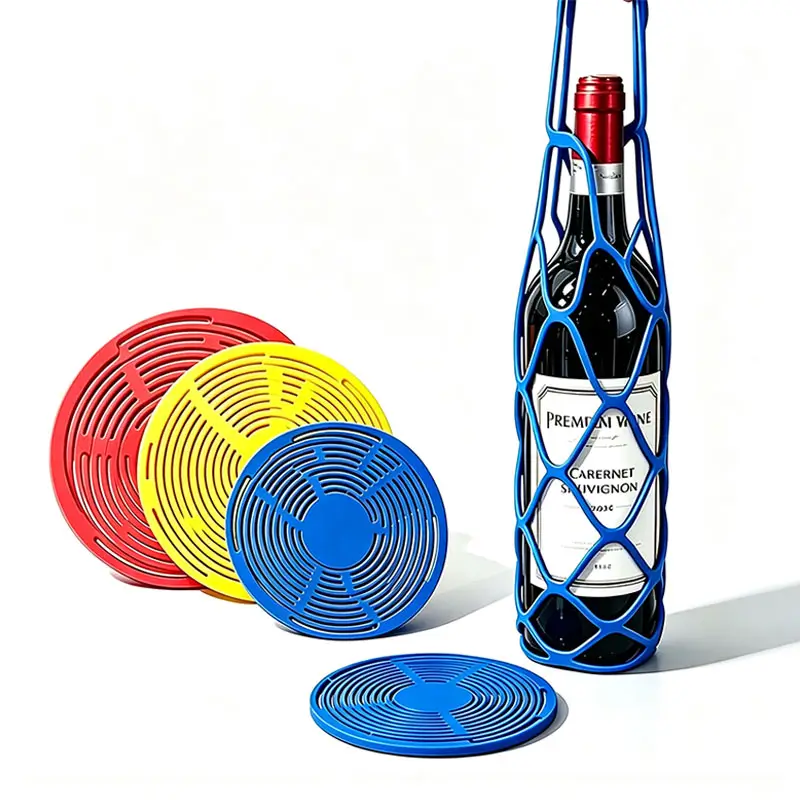
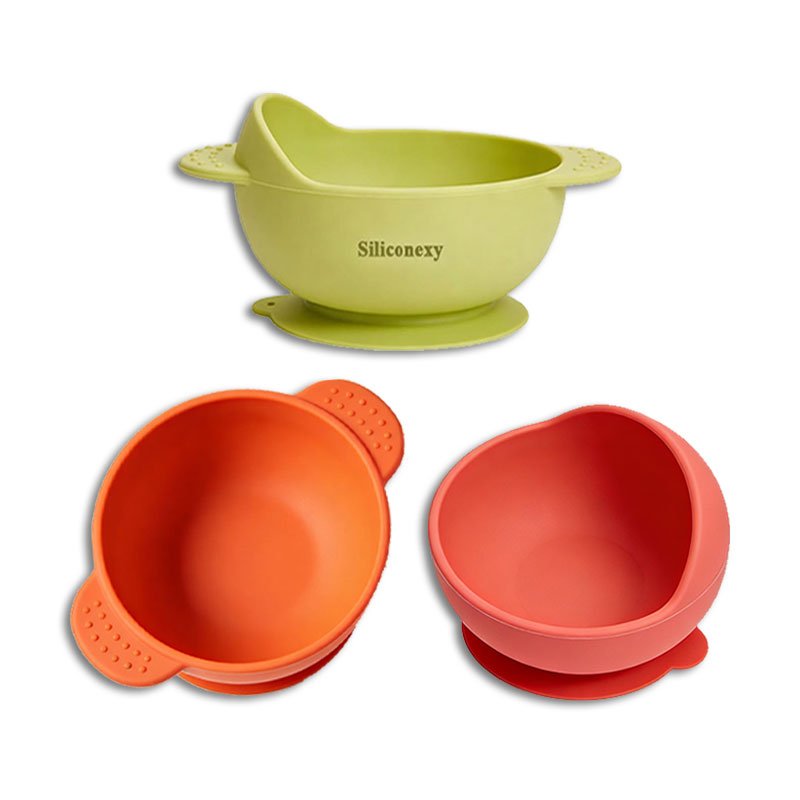
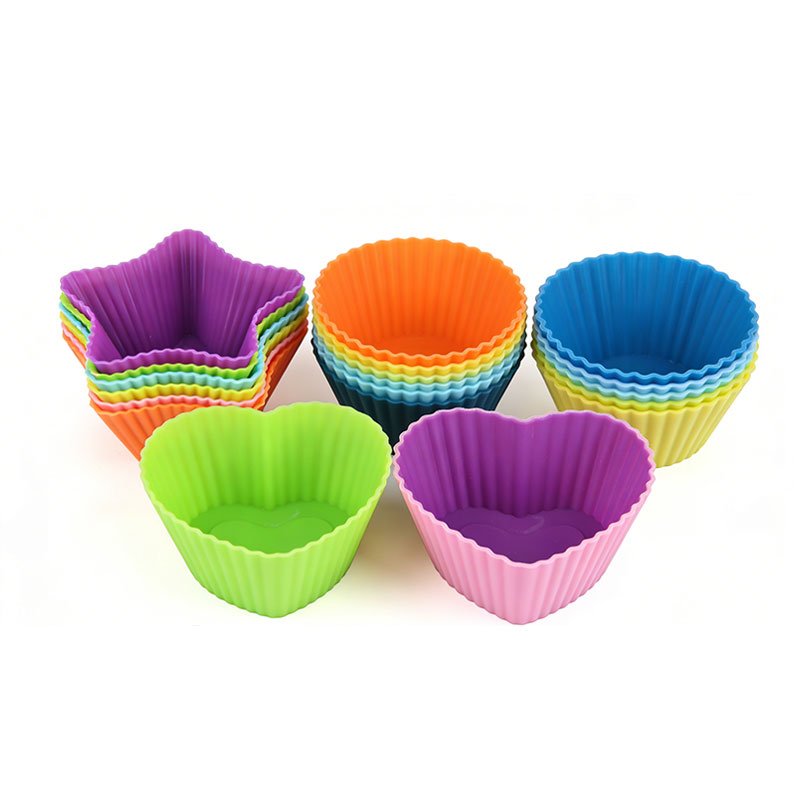
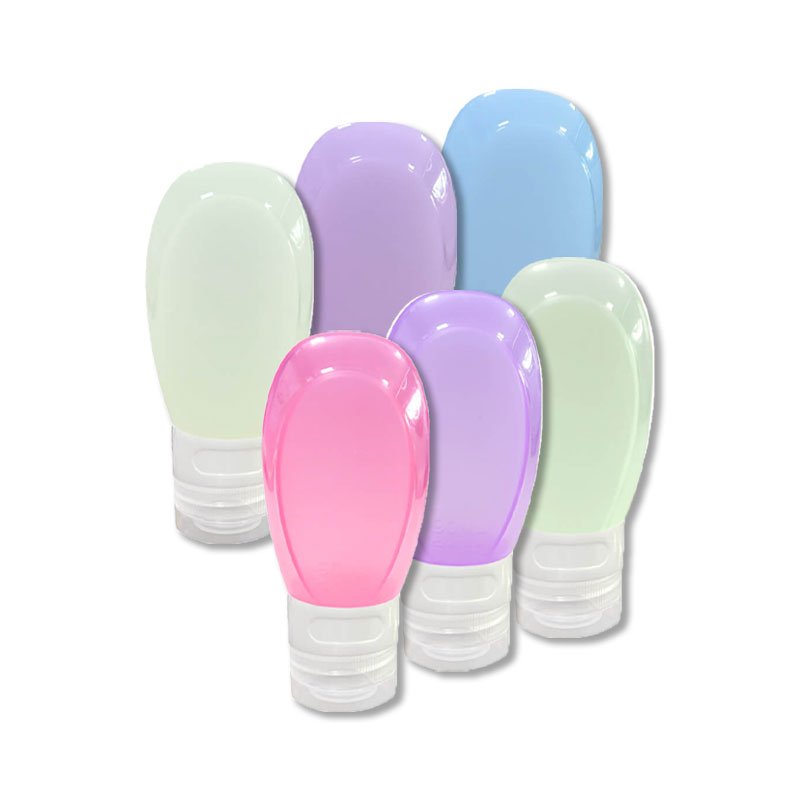
How Is Silicone Colored? Silicone rubber is one of the most versatile materials in modern manufacturing. But in its natural state, it’s clear or opaque white. While silicone is naturally transparent or white, the ability to color silicone transforms it into a powerful branding and design tool.
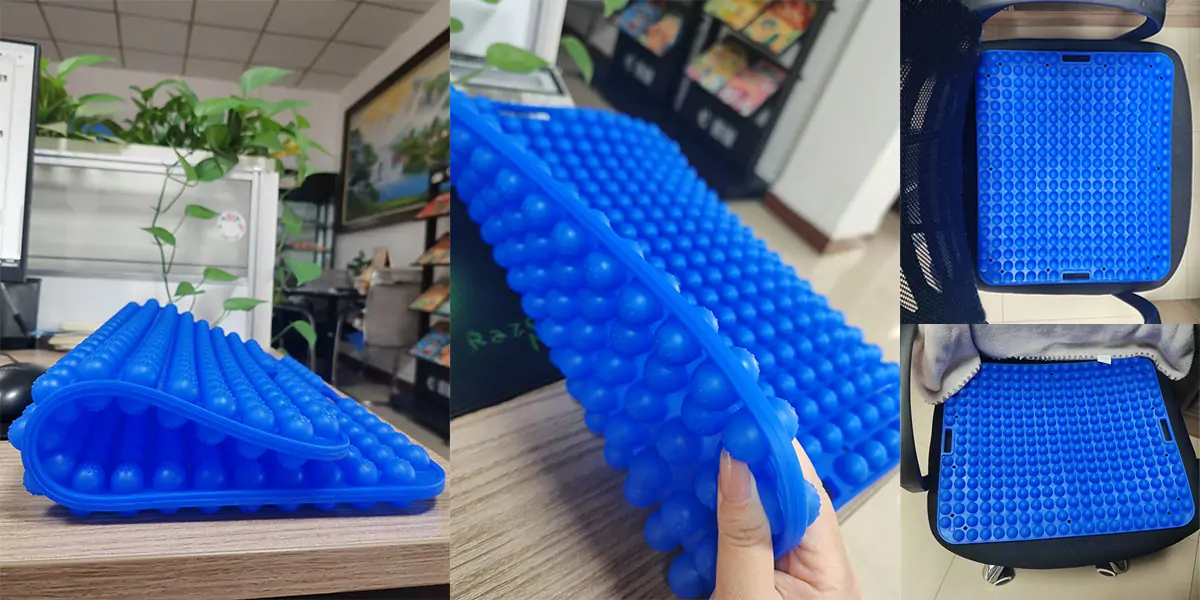
Colored silicone products are widely applied in food-grade silicone utensils, medical silicone parts, automotive silicone seals, and consumer electronic accessories, with customized color consistency, color fastness, and surface uniformity becoming core competitive advantages for global silicone manufacturers.
So how do manufacturers transform this base material into the vibrant, brand-specific colors that consumers expect in kitchenware, medical devices, infant products, and industrial components? And how is silicone colored in a way that maintains its safety, durability, and performance?
For a professional custom silicone products manufacturer, silicone coloring is more than simply adding pigment to raw material. The colorant needs to be compatible with the silicone system, disperse evenly, withstand the processing and curing conditions, and produce consistent results from prototype samples to mass production.
Understanding professional silicone coloring techniques is critical to verifying product quality, meeting industry compliance standards, and achieving personalized product customization.
In this guide, Siliconexy (Xinyin), a professional OEM/ODM silicone products manufacturer in China, which breaks down the most widely used silicone coloring techniques, helping brand owners, product designers, and procurement managers choose the right method for their custom projects.
Why Color Matters in Custom Silicone Products?
Color is far more than decoration. For B2B buyers, color plays a strategic role in:
- Brand identity: Pantone-matched colors reinforce brand recognition
- Product differentiation: Custom colors help products stand out on crowded shelves
- Function coding: Colors can indicate product variants, sizes, or temperature ratings
- Safety signaling: Bright or contrasting colors improve product visibility and user safety
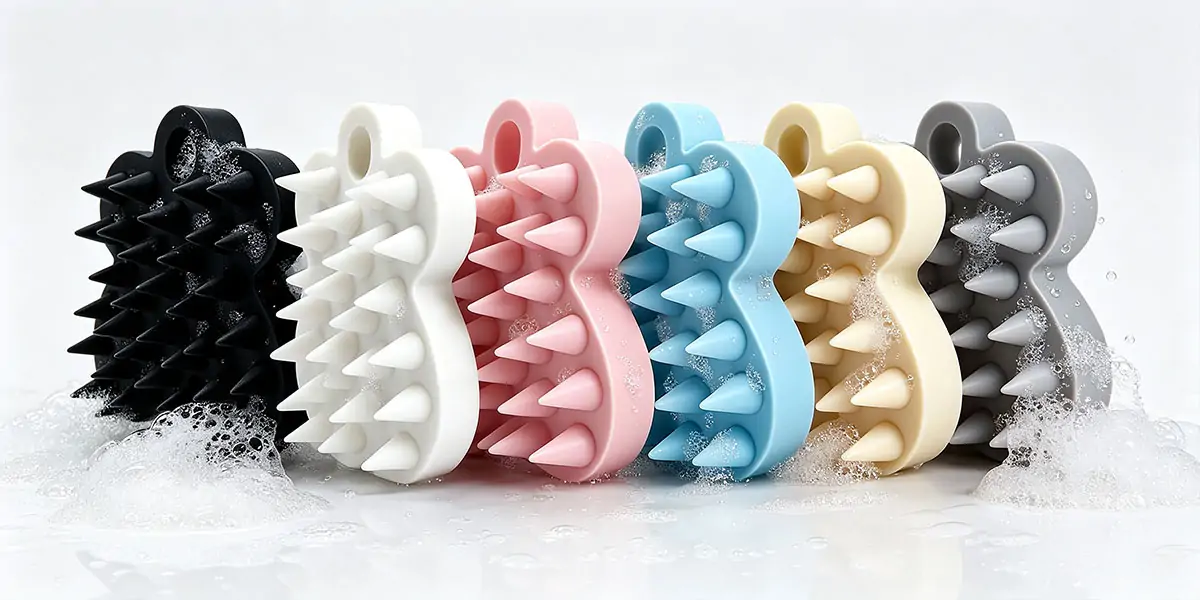
- Market positioning: Premium color finishes (metallic, pastel, gradient) elevate perceived value
Core Principles of Industrial Silicone Coloring
Unlike ordinary plastic dyeing, silicone coloring requires strict compatibility between colorants and silicone polymers to avoid damaging silicone’s inherent properties including high temperature resistance, elasticity, and environmental durability.
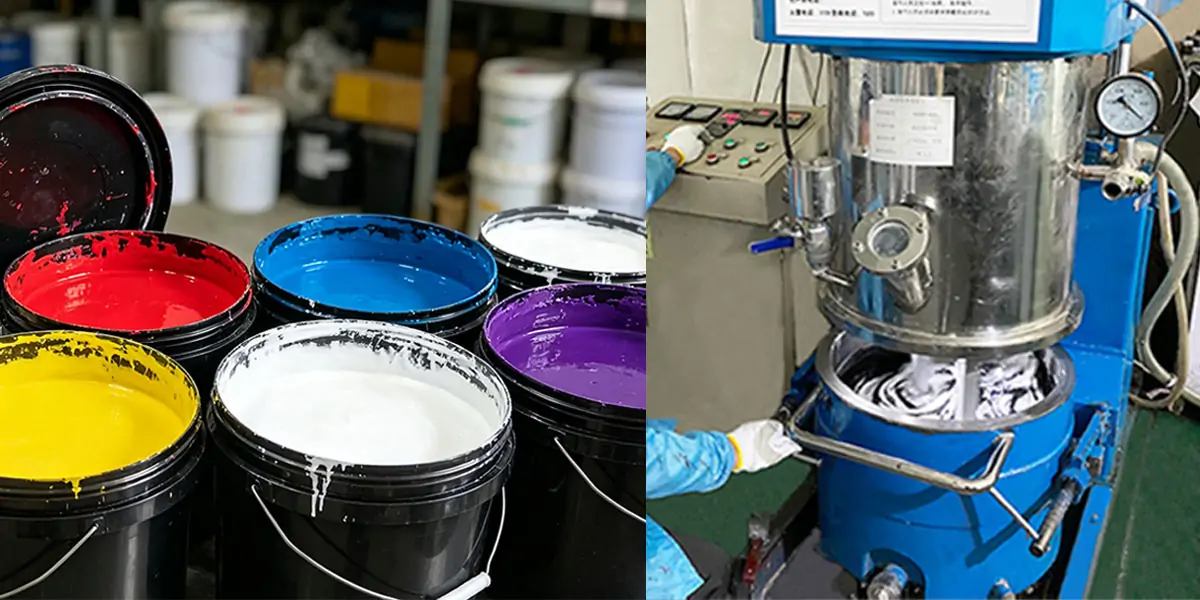
All professional custom silicone coloring processes adopt silicone-specific colorants such as solid color masterbatches, paste pigment concentrates, and liquid color pastes, which can be evenly dispersed in silicone raw materials without causing molecular structure damage.
Standard industrial silicone coloring follows precise proportioning rules: the pigment ratio generally ranges from 0.1% to 3% of total silicone weight, adjusted according to required color saturation and shade depth. Strict ambient temperature control (20–25°C) is implemented during production to stabilize silicone viscosity and ensure uniform color distribution across batches.
How Is Silicone Colored?
Silicone is generally colored by incorporating a suitable pigment or colorant dispersion into the silicone material before or during processing. The specific coloring method depends on the type of silicone being used.
- HCR / HTV silicone rubber commonly uses silicone-compatible color masterbatch or pigment concentrates. HCR can be processed through methods such as compression molding and other rubber-processing techniques. Silicone colorants or masterbatches can be incorporated into the HCR during mixing.
- LSR (Liquid Silicone Rubber) can be colored with specially formulated liquid color pastes or masterbatches. LSR is typically supplied as a two-component system and is widely used for precision molded silicone products. Specialized LSR color pastes or masterbatches can be added to achieve the required color.
- RTV silicone may use suitable pigment dispersions designed for the specific curing system.
The important point is that not every pigment is suitable for every silicone formulation.
Basic Principles of Color Mixing for Silicone Products
Color mixing for silicone products is primarily based on the principle of the three primary colors: red, yellow, and blue. A wide variety of colors can be produced by mixing these in different proportions.
For example, combining red and yellow yields orange; red and blue yield purple; and blue and yellow yield green.
Main Silicone Coloring Methods for Silicone Products
Silicone products can be colored using several different methods. The appropriate method depends on the silicone material, coloring system, required color consistency, production process, and application requirements.
Below are five commonly used silicone coloring techniques.
1. Compounding Method
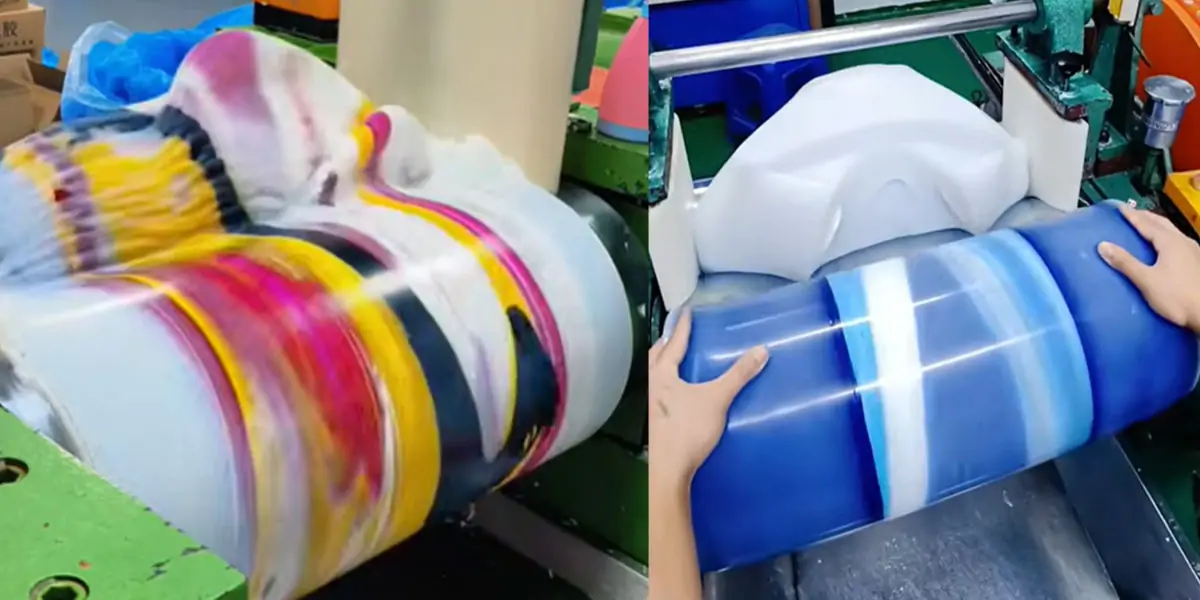
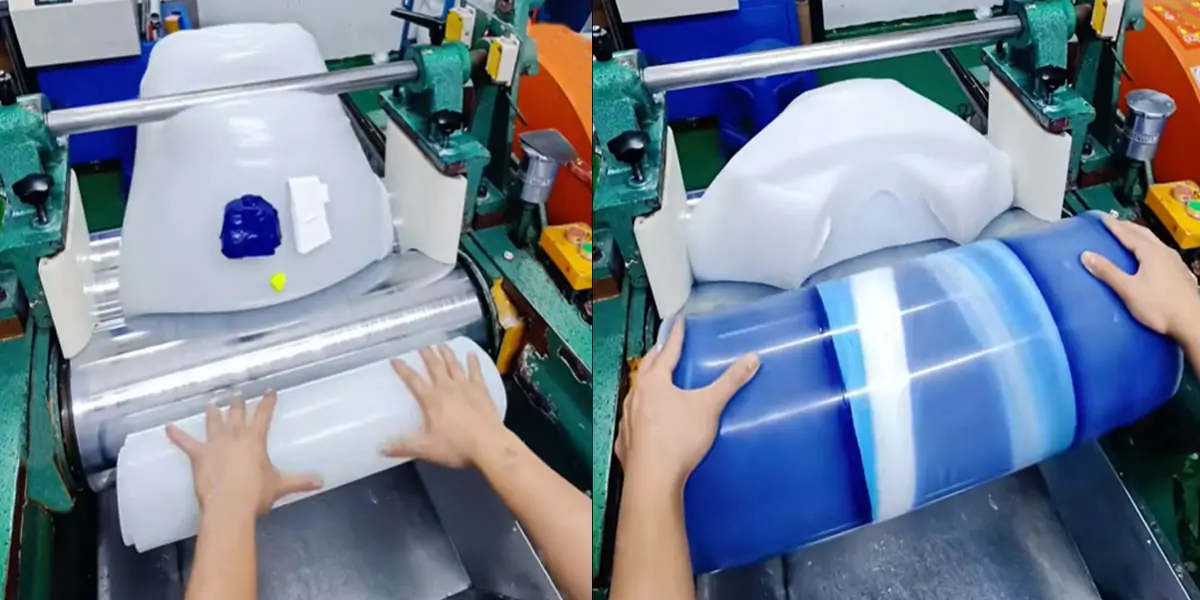
The compounding method is one of the most commonly used methods for coloring silicone products. With this method, the colorant is added directly to the silicone compound, or first mixed with a suitable carrier before being incorporated into the material. The silicone and colorant are then thoroughly mixed using a rubber mixing machine to achieve an even color throughout the compound.
This method is relatively simple and cost-effective. However, careful attention should be paid to the dispersion and uniformity of the colorant to maintain consistent and stable color throughout production.
2. Dry Powder Coloring Method
The dry powder coloring method involves adding powdered colorants together with other ingredients to the silicone rubber and mixing them using an open mill. This method is simple to operate and relatively low in cost.
However, the use of dry powder can generate dust during mixing, potentially creating environmental and handling concerns. Powdered colorants may also be more difficult to disperse uniformly, which can increase the risk of color variation.
To improve the process, manufacturers can use measures such as pre-dispersed colorants to reduce dust and improve pigment dispersion.
3. Color Paste Method
The color paste method involves mixing the colorant with liquid silicone-compatible ingredients and then grinding the mixture using a three-roll mill to produce a paste or slurry.
The color paste is subsequently added to the silicone compound at a specified ratio during mixing.
Compared with dry powder coloring, this method significantly reduces airborne dust and can promote better colorant dispersion and uniformity within the silicone.
However, color paste generally contains a relatively low concentration of colorant. This can result in lower coloring efficiency and a larger amount of material being required during processing, which may increase transportation, handling, and material losses.
4. Granular Coloring Method
The granular coloring method involves preparing a dispersion of colorant and silicone compounding ingredients at a specific concentration. The dispersion is then combined with the silicone emulsion and co-precipitated. After drying, the material is sheeted and processed into granules.
This method offers several advantages, including convenient handling, good colorant dispersion, reduced dust generation, and a cleaner production environment. It can also provide bright colors and relatively uniform color development, helping reduce visible color variation.
Because of these advantages, granular coloring is considered a promising silicone coloring technique. However, the preparation process is relatively complex and can involve higher production costs, which limits its wider application.
5. Masterbatch Coloring Method
The masterbatch coloring method involves mixing the colorant with part of the plasticizer and other silicone compounding ingredients together with raw silicone rubber. The mixture is processed using an open mill to produce a concentrated color masterbatch, typically with a relatively high colorant concentration.
A specified amount of the masterbatch is then incorporated into the silicone compound to achieve the desired color. One major advantage of this method is that it allows manufacturers to adjust color intensity and shade relatively easily while maintaining good color uniformity.
However, proper storage and handling of the color masterbatch are important. Appropriate storage conditions and consistent usage ratios help maintain color stability and batch-to-batch consistency during production.
How Does Silicone Color Matching Work?
For OEM silicone products, customers often provide a target color using:
- Pantone reference
- RAL reference
- Physical color sample
- Existing product sample
- Brand color specification
- Digital color reference
However, a Pantone or RAL reference should be treated as a color target, not as a guaranteed one-to-one silicone pigment formula. The actual appearance of a molded silicone product can be influenced by material transparency, pigment concentration, product thickness, surface finish, curing conditions, and lighting.
Why Silicone Color Consistency Matters in Mass Production?
For a brand launching a silicone product line, color consistency becomes increasingly important as production volume grows.
If the first production batch is one shade and later batches look noticeably different, the visual consistency of the product line can be affected. This is why silicone color matching and production color control should be considered during the product development stage.
What Are Silicone Pigments?
Silicone pigments are colorants selected or formulated for compatibility with silicone rubber systems.
During manufacturing, the pigment must be distributed throughout the silicone material to achieve a uniform appearance.
A suitable coloring system should provide:
- Good pigment dispersion
- Consistent color
- Appropriate heat stability
- Compatibility with the silicone formulation
- Suitable color strength
- Low risk of migration or surface defects
This is why using a silicone-compatible pigment system is important when manufacturing custom silicone products.
The Core Materials: Silicone Color Paste and Masterbatches
Coloring silicone is not as simple as stirring in any pigment. Because silicone is a highly non-polar elastomer, standard water-based or acrylic pigments are incompatible—they won’t disperse properly and can interfere with curing.
Instead, manufacturers use silicone-compatible colorants, which fall into several categories. Two terms frequently appear when discussing silicone coloring: Color masterbatch and color paste.
Although both are used to introduce color into silicone, their formulation and intended processing applications can differ.
Silicone Color Masterbatch
For liquid silicone rubber, manufacturers commonly use liquid or paste-form colorants designed specifically for LSR processing.
Core Definition:
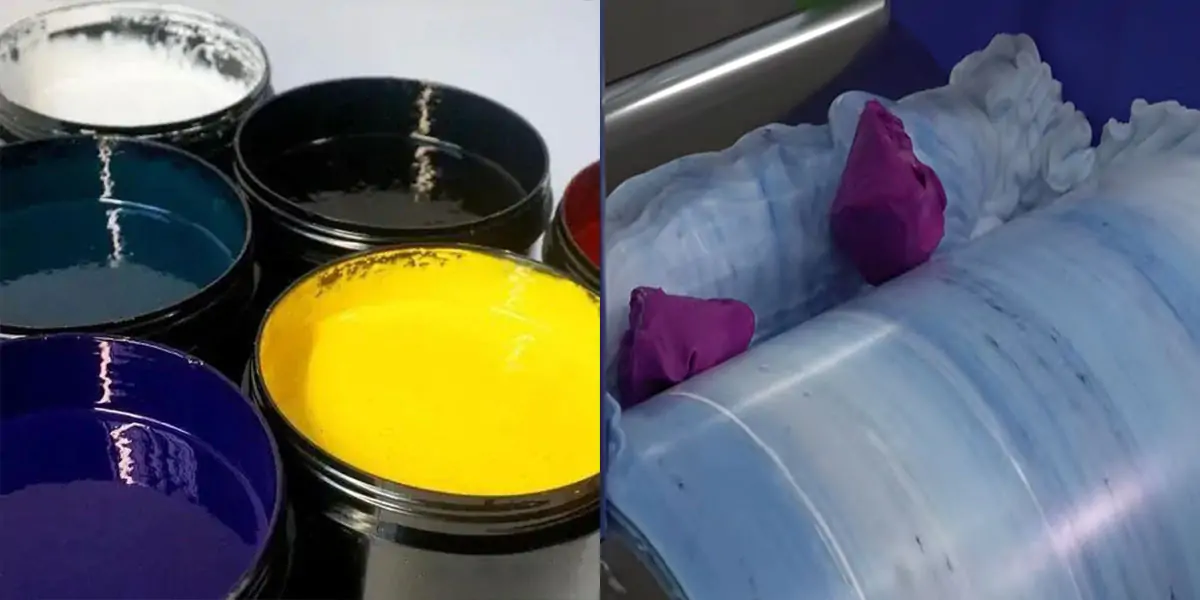
Color paste is a concentrated pigment dispersion used to add color to a wide range of materials and products. It is produced through specialized pigment surface treatment, encapsulation or coating technologies, and controlled processing techniques to achieve effective pigment dispersion and coloring performance.
Key Characteristics:
1. High Pigment Concentration: Pigment particles are the primary coloring component in a color paste.
2. Different Carrier Systems: Depending on the solvent or medium used, color pastes can generally be categorized into:
- Water-Based Color Paste: Uses water as the primary medium and is increasingly associated with more environmentally oriented formulations.
- Oil-Based Color Paste: Uses organic solvents or oil-based media as the primary carrier.
- Water- and Oil-Compatible Color Paste: Designed for broader compatibility with different application systems.
3. Application-Specific Formulations: Color pastes can be formulated for different industries, including coatings, textiles, paper, toys, and latex products. They may also be classified according to their application method, such as industrial color pastes and machine-dispensed color pastes.
Applications:
Color pastes are widely used across many industries to provide products with their desired colors. They can be found in applications ranging from clothing, toys, and everyday consumer goods to coatings used in buildings and infrastructure.
With the growing adoption of water-based and more environmentally oriented technologies, water-based color pastes are increasingly used in industries such as coatings, leather, printing, paper, textiles, and latex products.
Their efficient coloring performance and potential for lower environmental impact make them an important part of the industry’s transition toward more sustainable production.
Silicone Color Masterbatch
Color masterbatch contains a concentrated pigment system in a compatible carrier. For solid silicone rubber, color masterbatch can be incorporated during compounding or mixing.
Core Definition:
A color masterbatch is a concentrated coloring material used primarily in polymer processing. It consists of a high concentration of pigments or dyes that have been pre-dispersed in a compatible carrier system.
Key Characteristics:
- Three Main Components: A typical color masterbatch consists of pigments or dyes, a carrier, and additives.
- Highly Concentrated Colorant: A high concentration of pigment is uniformly dispersed within a selected carrier, creating a concentrated coloring system.
- Easy to Use: During the production of plastic or silicone products, a relatively small amount of color masterbatch can be mixed with the base material to achieve the desired color intensity and appearance.
- Good Dispersion and Color Control: Because the pigment is pre-dispersed, masterbatch systems can simplify color dosing and help improve production consistency.
- Standardized Coloring: Using a defined masterbatch dosage makes it easier to control color from one production batch to another.
Applications:
Color masterbatch is widely used in plastic processing and silicone product manufacturing, including applications such as injection molding and extrusion.
For silicone manufacturing, however, the carrier and formulation of the coloring system need to be compatible with the specific silicone material and processing method. For example, specialized silicone color masterbatches and LSR color pastes are available for liquid silicone rubber and other silicone systems.
For custom silicone products, selecting the right coloring system is therefore important for achieving the required color, dispersion, processing compatibility, and batch-to-batch consistency.
Why Can the Same Silicone Color Look Different?
Color consistency is one of the most important issues in custom silicone manufacturing. A customer may approve a prototype sample and then notice a slight visual difference in mass production. This does not necessarily mean that the pigment itself has changed.
Several factors can influence the final appearance.
- Pigment Concentration. Different pigment concentrations can produce different color depth and saturation.
- Product Thickness. Transparent or translucent silicone can appear different depending on the thickness of the molded section.
- Silicone Base. The natural color and transparency of the silicone compound can influence the final color.
- Surface Finish. Glossy, matte, textured, or frosted surfaces can reflect light differently and therefore affect visual color perception.
- Processing Conditions. Curing and molding conditions can also affect the final appearance of some silicone formulations.
- Lighting Conditions. A silicone product can appear different under daylight, LED lighting, or other light sources.
This is why professional silicone color matching should be evaluated using physical samples and controlled comparison conditions rather than relying exclusively on an image displayed on a computer or phone.
Common Problems in Silicone Coloring
During custom silicone production, several problems may occur if the coloring system or processing conditions are not properly controlled.
- Uneven Color. Insufficient pigment dispersion can result in streaks, spots, or inconsistent color.
- Color Difference Between Samples and Production. Differences in material, pigment dosage, product thickness, or processing conditions can affect the final appearance.
- Poor Color Stability. The selected pigment needs to be suitable for the temperature and environmental conditions involved in the application.
- Pigment Compatibility Issues. A colorant that works with one silicone formulation may not necessarily be suitable for another.
- For this reason, colorants should be evaluated with the specific silicone system rather than selected only based on visual appearance.
Key Color Control & Quality Optimization Solutions
Color inconsistency, curing discoloration, and UV/thermal fading are the most common quality issues in silicone coloring production. Siliconexy adopts standardized quality control systems to eliminate industry common defects and stabilize product quality.
- Eliminate color streaks and uneven coloring: Adopt high-shear mixing technology and standardized pigment particle size screening to ensure full pigment dispersion
- Prevent curing discoloration: Conduct pre-curing color tests and adjust pigment ratios according to vulcanization temperature parameters
- Improve UV and heat resistance: Add professional UV stabilizers and select high lightfastness pigments for outdoor and high-temperature application products
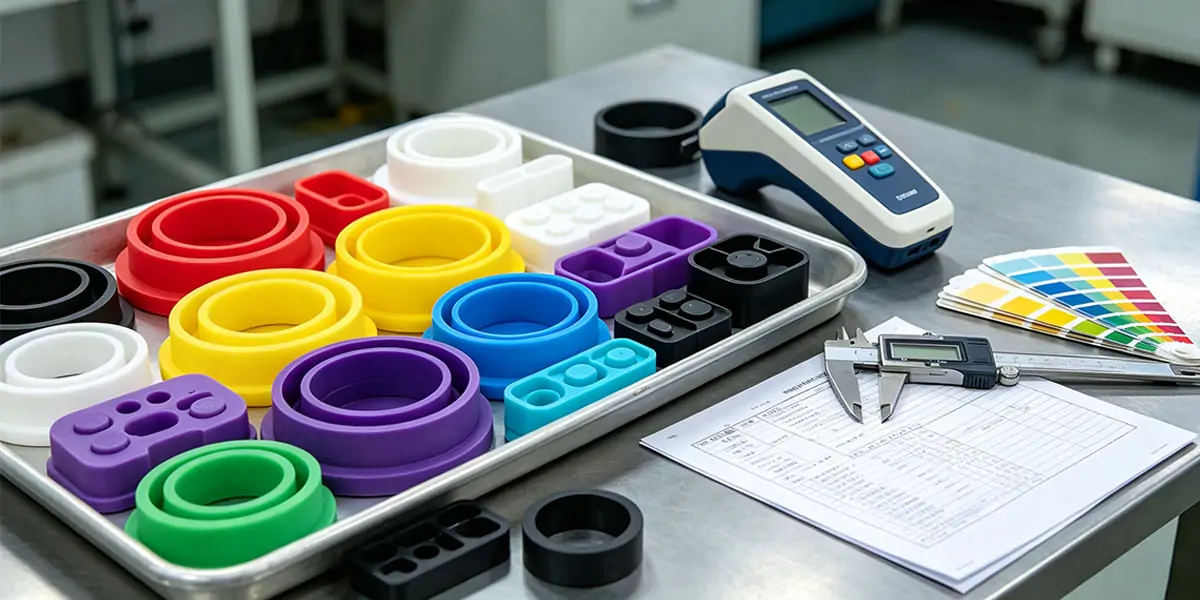
- Realize precise color matching: Follow Pantone color standards with physical color chip calibration to avoid color deviation caused by digital screen errors.
Key Considerations When Coloring Silicone
When planning a custom colored silicone product, keep these factors in mind:
- Food Safety Compliance. If the silicone product will contact food, only FDA-approved or LFGB-certified colorants should be used.
- Heat & UV Stability. Some pigments fade under high heat or UV exposure. For outdoor or high-temperature applications, request heat-stable and lightfast pigments.
- Pantone Color Matching. Professional manufacturers like Siliconexy offer Pantone color matching services to ensure your brand colors are reproduced accurately.
- Batch Consistency. Ask your supplier about their color tolerance standards (typically measured by ΔE values) to ensure consistency across production runs.
- Surface Finish Compatibility. Matte, glossy, and translucent finishes affect how color appears. Always request pre-production samples for approval.
Finding the Right Silicone Coloring Partner
Whether you’re developing a new product line or improving an existing one, the quality of your silicone coloring directly impacts product appearance, safety compliance, and brand consistency. The right manufacturing partner should offer:
- Full custom color matching against Pantone, RAL, or physical samples
- FDA, LFGB, and USP Class VI compliant colorant options
- Documented ΔE color consistency across production batches
- Experience with both LSR injection molding and HCR compression molding
- In-house color development and sample approval before mass production
At Siliconexy (Xinyin), we bring deep expertise in silicone coloring and custom manufacturing to every project. From color matching to compliance certification to full-scale production, our team helps you deliver silicone products that look as good as they perform.
How Siliconexy Handles Custom Silicone Color Matching?
For an OEM/ODM silicone project, color selection can be incorporated into the product development process before mass production.
A typical workflow can include:
- Customer Color Requirement
- Material & Colorant Evaluation
- Color Mixing / Formulation
- Prototype or Color Sample
- Customer Color Approval
- Mold Trial / Production Validation
- Mass Production
- Color Inspection
This approach helps reduce the risk of producing a large quantity of silicone products before the final color has been approved.
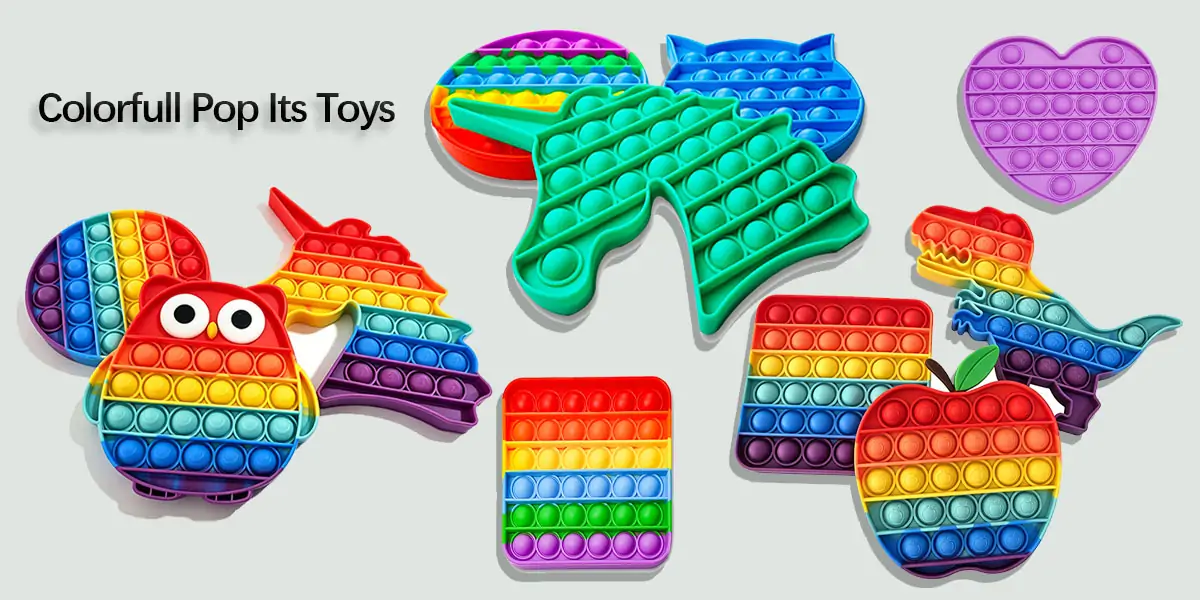
Whether you need custom silicone kitchenware, branded promotional silicone items, medical-grade silicone components, or silicone baby products, our engineering team will recommend the most suitable coloring method for your application.
Contact us to discuss your next project.
Conclusion
So, how is silicone colored? The basic principle is straightforward: a compatible pigment or colorant system is incorporated into the silicone material before molding or curing. However, achieving a consistent and commercially acceptable color requires much more than simply adding pigment.
The silicone type, pigment system, dispersion, product thickness, surface finish, processing conditions, curing process, and application requirements can all influence the final result.
For OEM/ODM projects, the best approach is to define the desired color early, create a physical sample for approval, and establish appropriate color-control requirements before mass production.
If you are developing a custom silicone product with a specific Pantone color, branded color, translucent finish, gradient effect, or other customized appearance, Siliconexy can help evaluate the material and manufacturing requirements.
Send us your product drawing, physical sample, Pantone reference, or color requirement to discuss your custom silicone manufacturing project.